Commercial Ozonator Systems: Advanced Chemical-Free Sanitation for Business Applications

All Categories

Get a Free Quote

Our representative will contact you soon.
Email
Name
Company Name
Attachment
Please upload at least an attachment
Up to 3 files,more 30mb,suppor jpg、jpeg、png、pdf、doc、docx、xls、xlsx、csv、txt
Message
0/1000

Get a Free Quote

Our representative will contact you soon.
Email
Name
Company Name
Attachment
Please upload at least an attachment
Up to 3 files,more 30mb,suppor jpg、jpeg、png、pdf、doc、docx、xls、xlsx、csv、txt
Message
0/1000

commercial ozonator

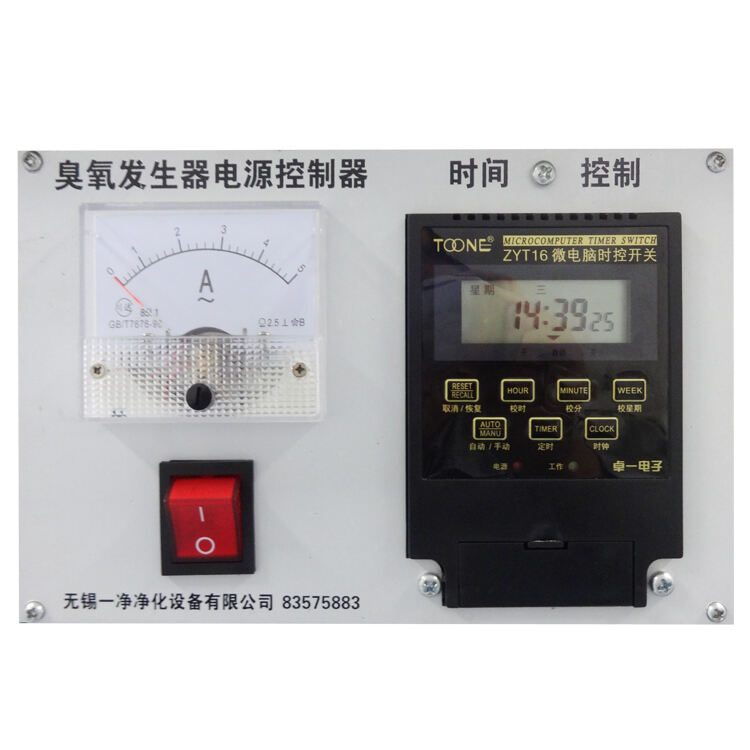
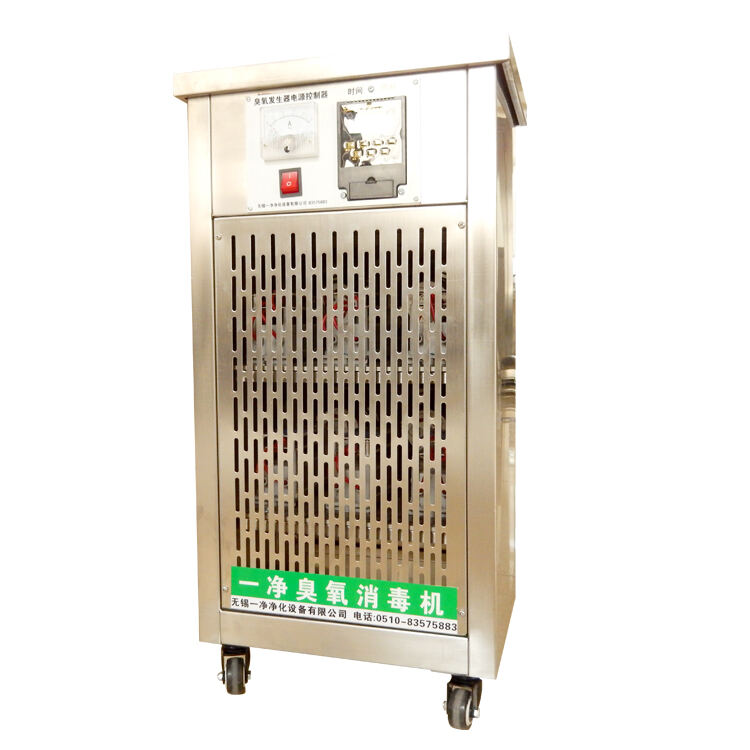
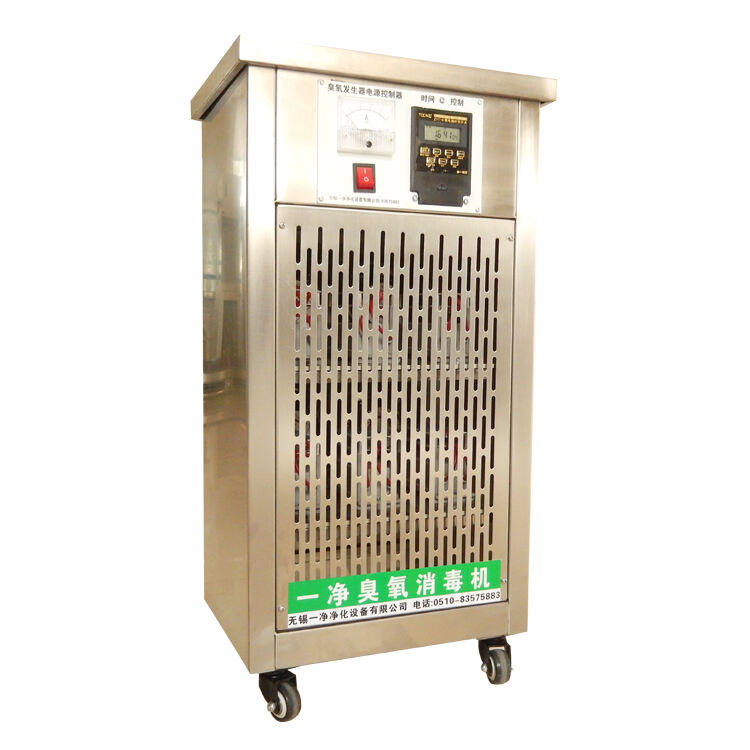
A commercial ozonator represents an advanced oxidation system designed to generate ozone gas for various industrial and commercial applications. This powerful equipment converts oxygen molecules into ozone through electrical discharge or ultraviolet light methods, creating a potent oxidizing agent that eliminates contaminants, odors, and harmful microorganisms. Commercial ozonators differ significantly from residential units in their capacity, durability, and output levels, making them suitable for large-scale operations in hotels, restaurants, food processing facilities, water treatment plants, and healthcare institutions. The technology behind these systems relies on corona discharge or UV radiation to split oxygen molecules, which then recombine into ozone molecules containing three oxygen atoms instead of two. This molecular structure makes ozone highly reactive and effective at breaking down organic compounds, neutralizing bacteria, viruses, mold spores, and chemical pollutants. Modern commercial ozonators feature adjustable output controls, allowing operators to customize ozone concentration based on specific treatment requirements. These units typically include safety mechanisms such as automatic shutoff timers, ozone destruct units, and monitoring systems that ensure safe operation in occupied spaces. The equipment comes in various configurations, from portable units for spot treatment to large installed systems for continuous air or water purification. Commercial ozonators find applications across multiple industries because they offer chemical-free sanitation solutions that leave no harmful residues. Food service establishments use them to sanitize kitchens, dining areas, and storage spaces. Water treatment facilities employ commercial ozonators to purify drinking water and wastewater without chlorine. Healthcare facilities rely on these systems to maintain sterile environments in operating rooms, patient wards, and laboratories. The versatility of commercial ozonators extends to odor control in waste management facilities, smoke remediation in fire-damaged buildings, and air quality improvement in manufacturing plants. As environmental regulations become stricter and consumers demand safer sanitation methods, commercial ozonators have emerged as essential tools for businesses committed to maintaining high hygiene standards while minimizing their environmental footprint.

New Product Recommendations

Commercial ozonators deliver exceptional sanitation results without relying on harsh chemicals that can harm people, animals, or the environment. Unlike traditional cleaning agents that leave residues requiring rinsing, ozone naturally reverts to oxygen after completing its oxidation work, eliminating concerns about chemical buildup or contamination. This chemical-free approach reduces operational costs by eliminating the need to purchase, store, and dispose of cleaning products, while also protecting workers from exposure to toxic substances. Businesses save money on labor because ozone treatment requires minimal manual intervention compared to conventional cleaning methods that demand extensive scrubbing and wiping. The automated nature of commercial ozonators allows staff to focus on other productive tasks while the equipment handles sanitation independently. These systems penetrate hard-to-reach areas that manual cleaning often misses, including cracks, crevices, ventilation systems, and porous surfaces where bacteria and mold typically hide. The gas form of ozone enables it to circulate throughout entire spaces, treating surfaces, air, and water simultaneously for comprehensive decontamination. Commercial ozonators prove particularly effective against antibiotic-resistant bacteria and viruses that survive conventional disinfectants, providing superior protection in healthcare settings and food preparation areas. The speed of ozone treatment surpasses traditional methods, with most applications completing within minutes to hours rather than requiring extended contact times. Businesses experience reduced downtime because treated areas become safe for occupancy shortly after ozone dissipates, unlike chemical treatments that necessitate lengthy ventilation periods. Energy efficiency represents another significant advantage, as modern commercial ozonators consume minimal electricity while delivering powerful results. The equipment operates quietly, avoiding disruption to business operations or customer experiences. Long-term cost savings accumulate through reduced water consumption, since ozone treatment eliminates the need for extensive rinsing associated with chemical cleaning. Environmental benefits extend beyond eliminating chemical waste, as ozone production generates no harmful byproducts or greenhouse gas emissions. Commercial ozonators enhance brand reputation by demonstrating commitment to sustainable practices and customer safety. The versatility of these systems allows businesses to address multiple challenges with a single investment, from odor elimination to pathogen control. Maintenance requirements remain minimal, with most units requiring only periodic inspection and occasional replacement of basic components. The return on investment becomes apparent quickly as businesses reduce chemical purchases, lower labor costs, and improve operational efficiency while maintaining superior sanitation standards that protect customers and employees alike.

Practical Tips

What Are the Essential Equipment and Materials in a Clean Room?

05

Nov

What Are the Essential Equipment and Materials in a Clean Room?

Understanding Critical Components of Modern Clean Room Environments Clean rooms represent the pinnacle of controlled environments, where precision, cleanliness, and contamination control converge to create spaces essential for various industries. Fro...
View More
What Materials Are Recommended for Pass Box Construction?

05

Nov

What Materials Are Recommended for Pass Box Construction?

Essential Materials for Modern Pass Box Manufacturing Pass boxes serve as critical components in cleanroom environments, pharmaceutical facilities, and laboratories, facilitating the secure transfer of materials between spaces while maintaining contr...
View More
What Are the Applications of Clean Air Systems in Pharmaceuticals

02

Dec

What Are the Applications of Clean Air Systems in Pharmaceuticals

The pharmaceutical industry operates under stringent regulatory requirements where product quality, safety, and efficacy are paramount. Contamination control represents one of the most critical aspects of pharmaceutical manufacturing, making clean ai...
View More
How Do Clean Room Classifications Affect Operational Efficiency and Quality?

30

Jan

How Do Clean Room Classifications Affect Operational Efficiency and Quality?

Clean room classifications serve as the foundation for maintaining controlled environments across pharmaceutical, semiconductor, and medical device manufacturing industries. These standardized systems define the maximum allowable concentration of air...
View More

Get a Free Quote

Our representative will contact you soon.
Email
Name
Company Name
Attachment
Please upload at least an attachment
Up to 3 files,more 30mb,suppor jpg、jpeg、png、pdf、doc、docx、xls、xlsx、csv、txt
Message
0/1000

commercial ozonator

Advanced Pathogen Elimination Technology

Advanced Pathogen Elimination Technology

Commercial ozonators employ cutting-edge oxidation technology that destroys pathogens at the molecular level, providing sanitation capabilities that surpass conventional disinfection methods. The ozone molecules generated by these systems attack the cell walls of bacteria, viruses, fungi, and parasites, causing irreversible damage that prevents reproduction and eliminates infectious threats. This molecular disruption occurs rapidly, with most microorganisms succumbing within seconds of ozone exposure. The effectiveness extends to drug-resistant strains that have developed immunity to antibiotics and chemical disinfectants, making commercial ozonators invaluable in healthcare facilities where infection control remains paramount. Research demonstrates that ozone achieves up to 99.99 percent reduction in common pathogens including E. coli, Salmonella, Listeria, Staphylococcus aureus, and influenza viruses. The technology proves equally effective against mold spores and fungal colonies that cause respiratory problems and structural damage in buildings. Unlike surface disinfectants that only treat areas they directly contact, ozone gas permeates entire environments, reaching behind equipment, inside ventilation ducts, and within porous materials where pathogens often hide. This comprehensive coverage ensures complete sanitation rather than spot treatment. The oxidation process also breaks down biofilms, the protective layers that bacteria create to shield themselves from cleaning agents. By penetrating and destroying these biofilms, commercial ozonators prevent bacterial regrowth and maintain long-lasting sanitation. Food processing facilities benefit tremendously from this capability, as biofilm elimination reduces contamination risks throughout production lines. The speed of pathogen destruction allows businesses to complete sanitation cycles quickly, minimizing operational disruptions. A commercial ozonator can treat an entire restaurant kitchen in under an hour, compared to manual cleaning that requires several hours of labor. Healthcare facilities use these systems for terminal cleaning of patient rooms, achieving hospital-grade disinfection without exposing staff to hazardous chemicals. The technology adapts to various applications, from treating drinking water to sanitizing air in occupied spaces at safe concentration levels. Water treatment applications demonstrate particular effectiveness, as ozone eliminates Cryptosporidium and Giardia cysts that resist chlorine disinfection. The absence of chemical residues means treated water tastes pure without chlorine flavor, improving customer satisfaction in restaurants and hotels.
Comprehensive Odor Neutralization Capabilities

Comprehensive Odor Neutralization Capabilities

Commercial ozonators excel at eliminating odors by oxidizing the molecular compounds that create unpleasant smells rather than merely masking them with fragrances. This fundamental difference ensures permanent odor removal instead of temporary coverage. The ozone molecules react with odor-causing substances, breaking their chemical bonds and transforming them into odorless compounds. This process works on organic odors from food, smoke, pets, mold, sewage, and body odors, as well as chemical smells from cleaning products, paint, and industrial processes. Restaurants benefit significantly from commercial ozonators because cooking odors that permeate dining areas, kitchens, and storage spaces disappear completely after treatment. The equipment eliminates grease smells that cling to fabrics, walls, and ventilation systems, creating fresh environments that enhance customer dining experiences. Hotels use commercial ozonators to remove smoke odors from guest rooms, a challenge that traditional cleaning cannot fully address. The ozone penetrates carpets, drapes, upholstery, and mattresses where smoke particles embed themselves, oxidizing these particles and restoring rooms to pristine condition. This capability allows hotels to convert smoking rooms to non-smoking status without expensive renovations. Property management companies employ commercial ozonators to remediate apartments affected by pet odors, cooking smells, or tenant smoking. The treatment eliminates odors that would otherwise require replacing carpets and repainting walls, saving thousands in renovation costs. Fire and water damage restoration professionals rely on these systems to remove smoke and mildew odors from buildings, making properties habitable again after disasters. The technology proves particularly valuable for treating vehicles, as commercial ozonators eliminate odors from car interiors that resist conventional cleaning. Auto dealerships use them to refresh used vehicles, removing previous owner smells and increasing resale values. Waste management facilities deploy commercial ozonators to control odors that affect surrounding communities, improving public relations and regulatory compliance. The systems treat air in garbage processing areas, composting facilities, and transfer stations, oxidizing volatile organic compounds that create offensive smells. Healthcare facilities use commercial ozonators to eliminate medical odors and maintain pleasant environments for patients and visitors. The equipment treats morgues, autopsy rooms, and biohazard storage areas where traditional air fresheners prove inadequate. Gyms and fitness centers benefit from ozone treatment that removes body odor and sweat smells from locker rooms, exercise areas, and equipment. The treatment penetrates yoga mats, boxing gloves, and other porous items that harbor odor-causing bacteria.
Environmentally Sustainable Sanitation Solution

Environmentally Sustainable Sanitation Solution

Commercial ozonators represent the pinnacle of green technology in sanitation, offering powerful disinfection without environmental harm or chemical pollution. The equipment generates ozone from ambient oxygen, requiring no chemical inputs or raw materials beyond electricity and air. This self-contained process eliminates supply chain dependencies and reduces operational costs associated with purchasing and storing cleaning chemicals. After completing its oxidation work, ozone naturally decomposes back into oxygen within minutes to hours, leaving no residues, byproducts, or waste requiring disposal. This closed-loop cycle contrasts sharply with chemical disinfectants that persist in the environment, contaminate water supplies, and accumulate in ecosystems. Businesses using commercial ozonators eliminate their contribution to chemical pollution, supporting corporate sustainability goals and environmental stewardship commitments. The technology reduces water consumption dramatically because ozone treatment requires no rinsing, unlike chemical cleaning that demands extensive water use to remove residues. Water-scarce regions particularly benefit from this conservation aspect. Commercial ozonators also eliminate plastic waste from chemical containers, reducing landfill contributions and ocean pollution. The equipment operates for years with minimal maintenance, avoiding the disposable nature of chemical products that require constant replenishment. Energy efficiency further enhances environmental credentials, as modern commercial ozonators consume less power than traditional HVAC systems while delivering superior air quality. The carbon footprint of ozone generation remains minimal compared to manufacturing, packaging, and transporting chemical disinfectants. Businesses demonstrate environmental leadership by adopting commercial ozonators, appealing to eco-conscious consumers who prioritize sustainable practices. Green building certifications such as LEED recognize ozone technology as contributing to healthy indoor environments and reduced chemical use. The systems improve indoor air quality by removing volatile organic compounds, allergens, and particulates that conventional cleaning stirs up or leaves behind. Employees working in ozone-treated environments experience fewer respiratory problems, allergies, and chemical sensitivities, improving workplace health and productivity. The absence of chemical fumes eliminates occupational hazards associated with mixing, applying, and storing toxic cleaning products. Commercial ozonators protect waterways by preventing chemical runoff that occurs when facilities rinse cleaning agents down drains. This protection extends to aquatic ecosystems and drinking water sources that suffer from chemical contamination. Food service establishments using commercial ozonators avoid introducing chemical residues into food preparation areas, ensuring products remain free from contamination. Organic food producers particularly value this capability, as it maintains organic certification while achieving commercial-grade sanitation. The technology aligns with regulatory trends favoring safer, more sustainable sanitation methods as governments restrict hazardous chemical use.

Get a Free Quote

Our representative will contact you soon.
Email
Name
Company Name
Attachment
Please upload at least an attachment
Up to 3 files,more 30mb,suppor jpg、jpeg、png、pdf、doc、docx、xls、xlsx、csv、txt
Message
0/1000

Get a Free Quote

Our representative will contact you soon.
Email
Name
Company Name
Attachment
Please upload at least an attachment
Up to 3 files,more 30mb,suppor jpg、jpeg、png、pdf、doc、docx、xls、xlsx、csv、txt
Message
0/1000