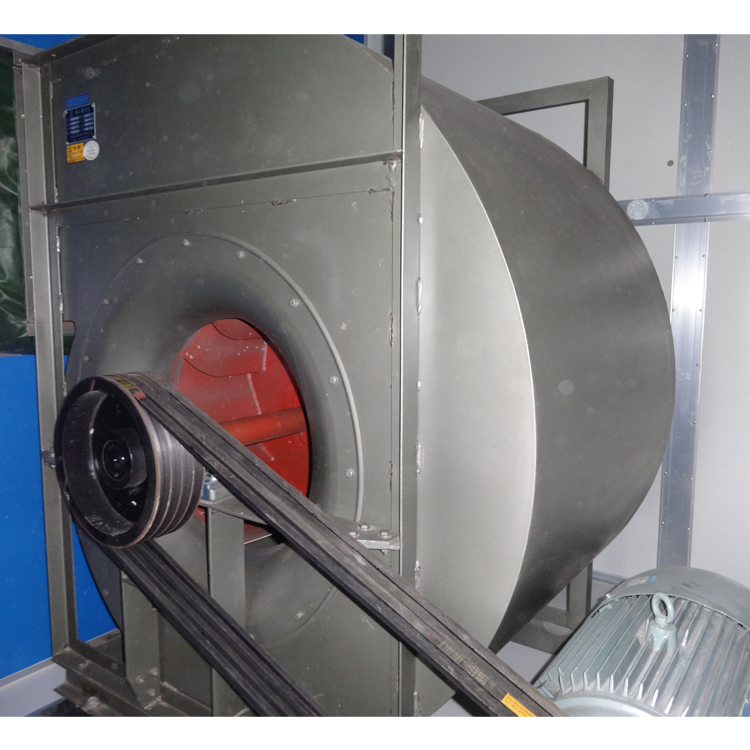
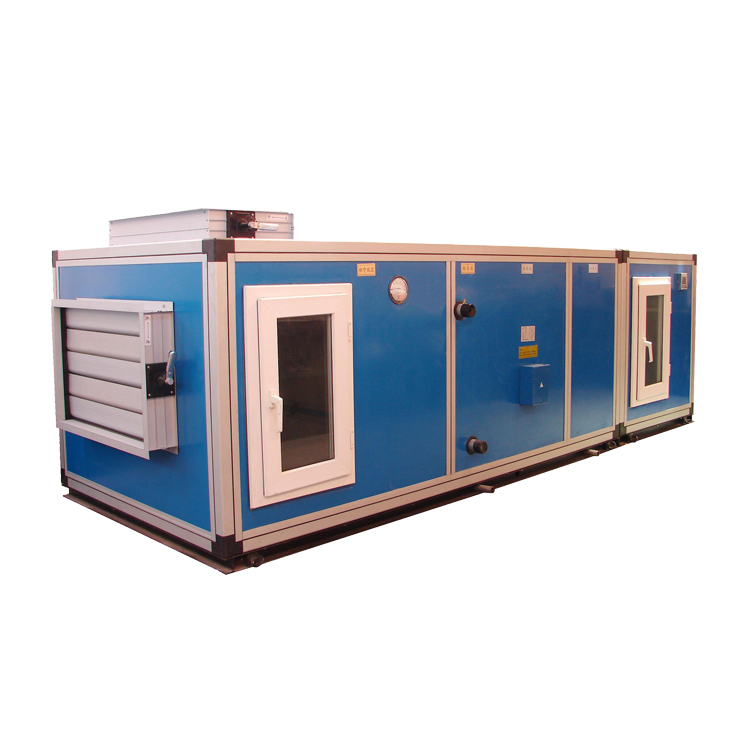
ventilasie en lugverkoeling
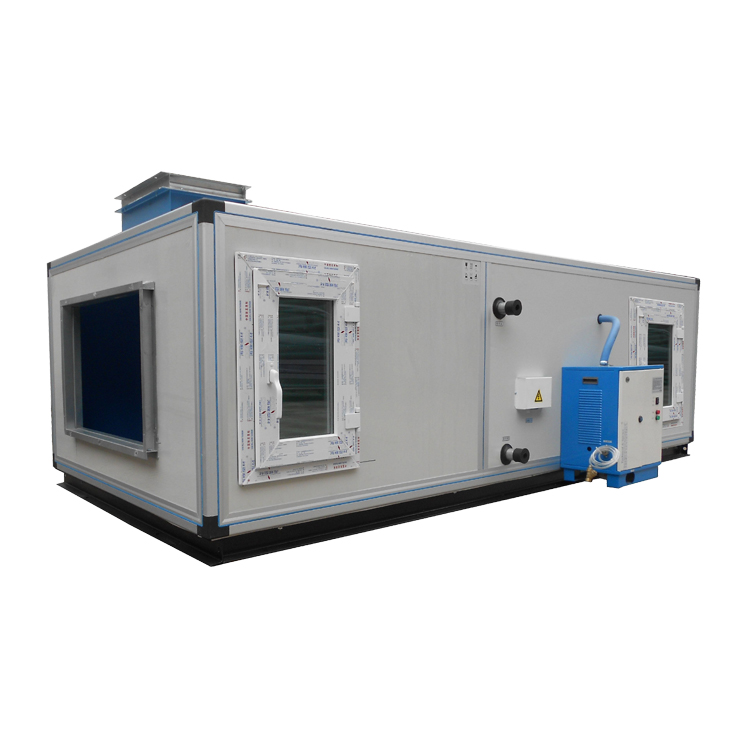
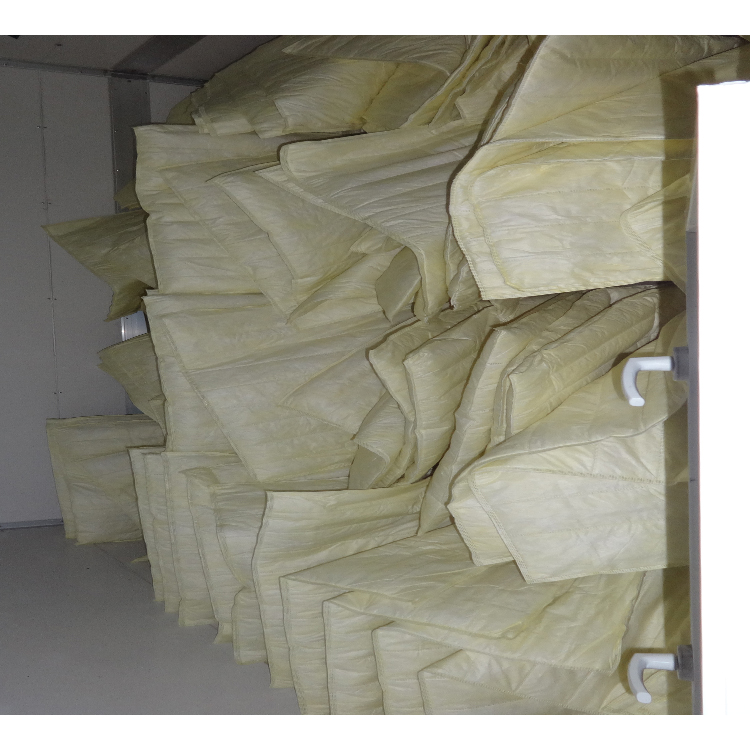
Ventilasie- en lugverkoelingstelsels verteenwoordig noodsaaklike infrastruktuurkomponente wat die binnomilieu-kwaliteit deur middel van gesofistikeerde klimaatbeheermeganismes reguleer. Hierdie geïntegreerde oplossings bestuur temperatuur, vogtigheid, lugstroming en filters om gerieflike en gesonde ruimtes vir residensiële, kommersiële en industriële toepassings te skep. Moderne ventilasie- en lugverkoelingstegnologie kombineer meganiese ingenieurswese-beginsels met slim outomatisering om presiese omgewingsbestuur te lewer wat aan veranderende toestande en besettingspatrone aanpas. Die primêre funksies sluit lugruiling, termiese regulering, vogbeheer en die verwydering van besoedelings in, wat sinergisties saamwerk om optimale binneomstandighede sepan jaar deur te handhaaf. Gevorderde ventilasie- en lugverkoelinginstallasies maak gebruik van veranderlike spoedkompressors, intelligente sensore en gekanaliseerde verspreidingsnetwerke om doeltreffendheid te maksimeer terwyl energieverbruik tot 'n minimum beperk word. Hierdie stelsels trek vars buitelug in geboue in, kondisioneer dit na gewenste parameters, versprei dit deur besette ruimtes en laat stokkige lug uit om kontinue sirkulasie te handhaaf. Die tegnologiese argitektuur sluit koelkringe vir verkoeling in, hittepompbedryf vir verwarming, filterstelle vir suiwerheid en kanalisasie-infrastruktuur vir verspreiding. Kontemporêre ventilasie- en lugverkoelingontwerpe sluit energieherwinningventilators in wat termiese energie uit uitlaatstrome vang, wat die kondisioneringslas op inkomende vars lug verminder. Slim termostate en gebou-bestuurstelsels maak afstandmonitoring en -aanpassing moontlik en verskaf gebruikers met ongekende beheer oor hul binneomgewings. Toepassings strek oor verskeie sektore, insluitend kantoorgeboue, vervaardigingsfasiliteite, gesondheidsorginstellings, onderwyskampusse, kleinhandelvestigings, gasheerskapplekke en residensiële eiendomme. Elke toepassing vereis aangepaste ventilasie- en lugverkoeling-spesifikasies gebaseer op besettingsdigtheid, hittegenereerderbronne, lugkwaliteitvereistes en bedryfskedules. Die ontwikkeling van ventilasie- en lugverkoelingstegnologie beklemtoon steeds volhoubaarheid, met die insluiting van koelmiddels met 'n laer omgewingsimpak, die vermoë om hernubare energie te integreer, en voorspellende onderhoudsalgoritmes wat prestasie gedurende die hele lewensduur van die stelsel optimeer.

 EN
EN