Conditioning Unit Solutions: Advanced Climate Control Systems for Commercial and Industrial Applications

All Categories

Get a Free Quote

Our representative will contact you soon.
Email
Name
Company Name
Attachment
Please upload at least an attachment
Up to 3 files,more 30mb,suppor jpg、jpeg、png、pdf、doc、docx、xls、xlsx、csv、txt
Message
0/1000

Get a Free Quote

Our representative will contact you soon.
Email
Name
Company Name
Attachment
Please upload at least an attachment
Up to 3 files,more 30mb,suppor jpg、jpeg、png、pdf、doc、docx、xls、xlsx、csv、txt
Message
0/1000

conditioning unit

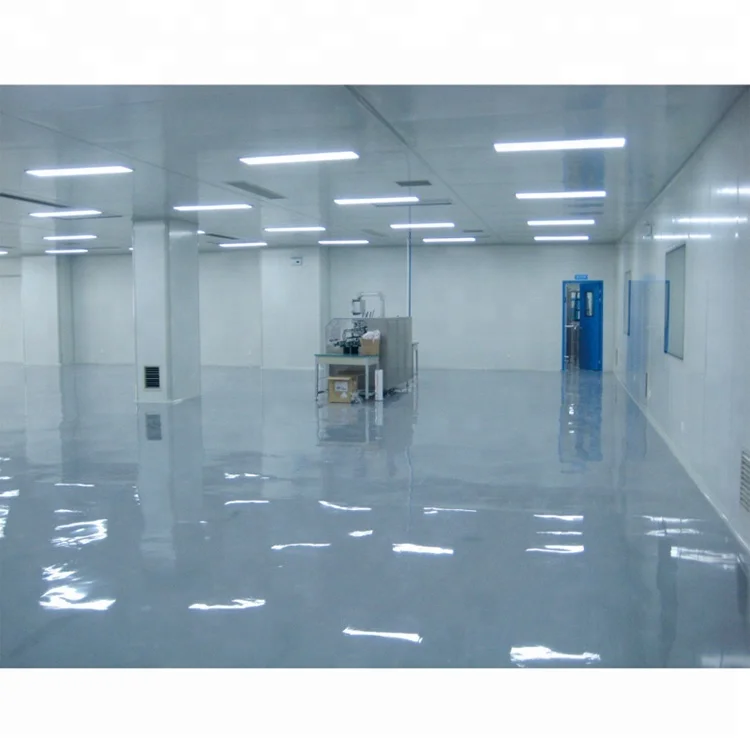
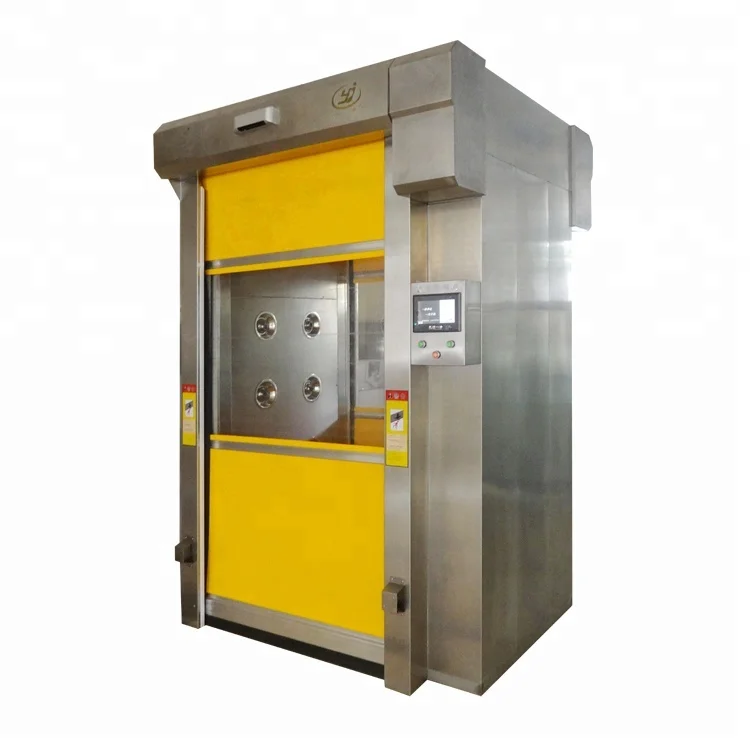
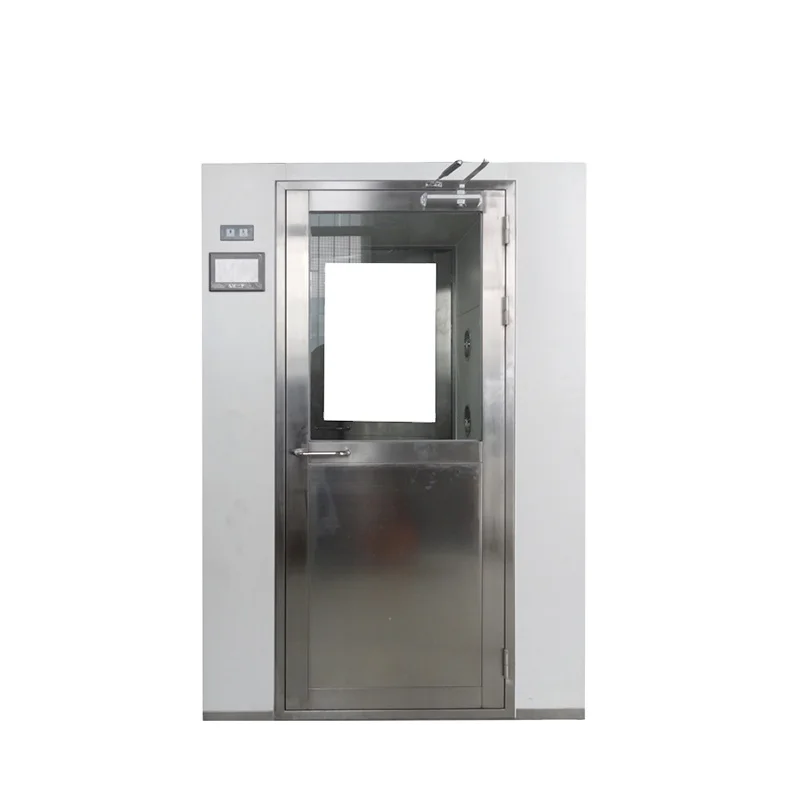
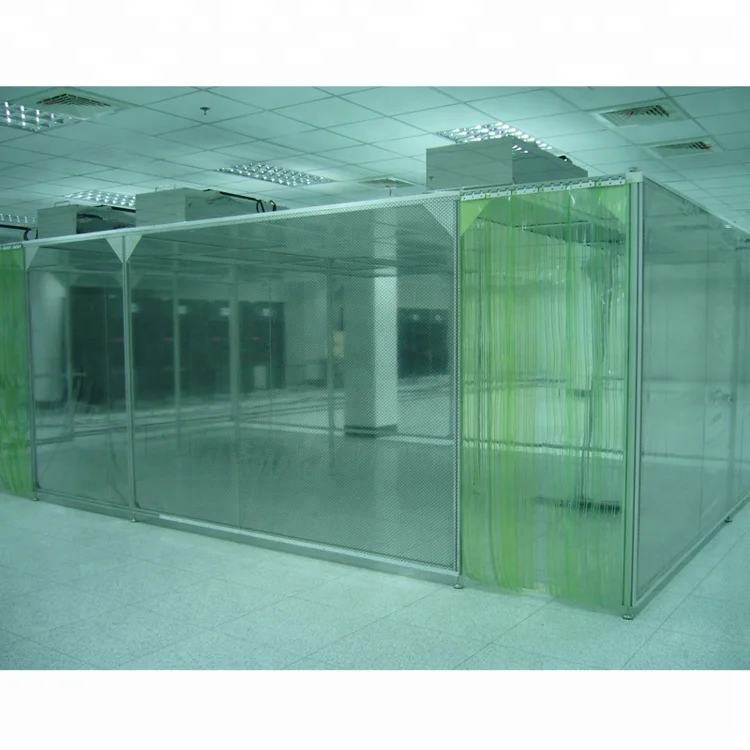
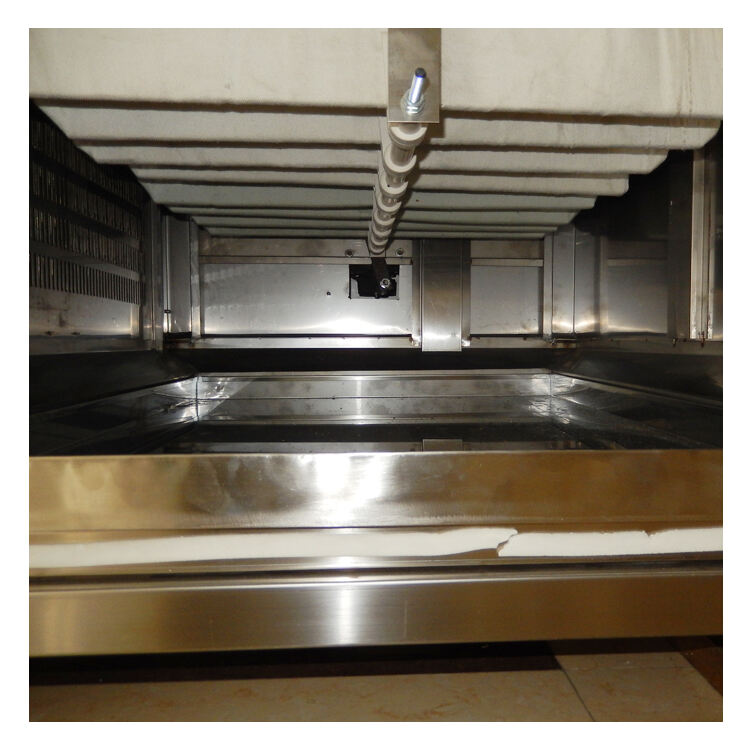
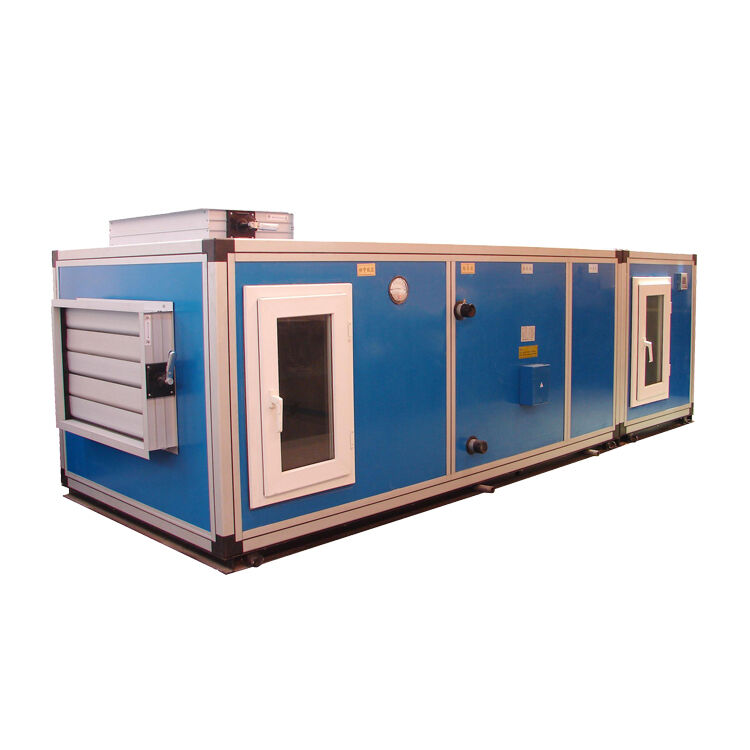
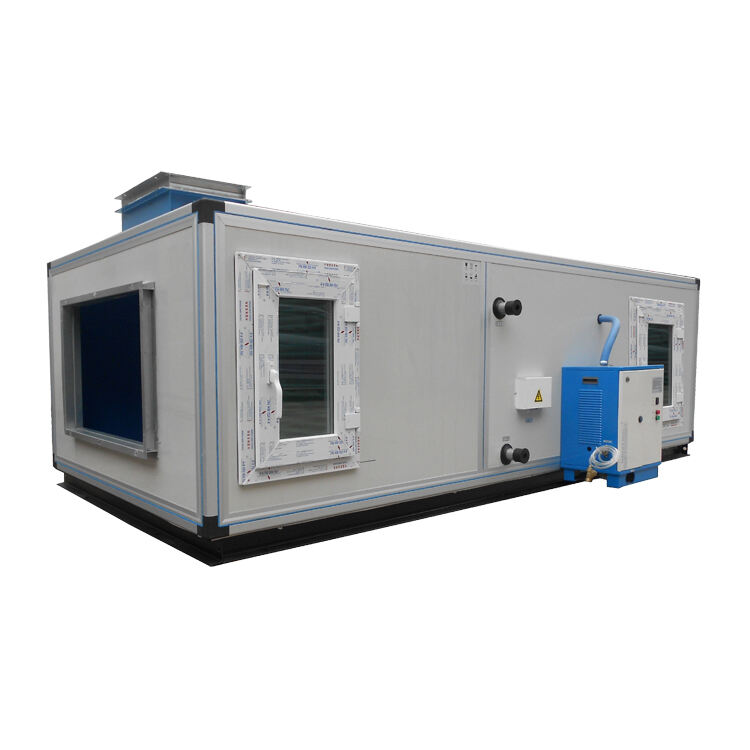
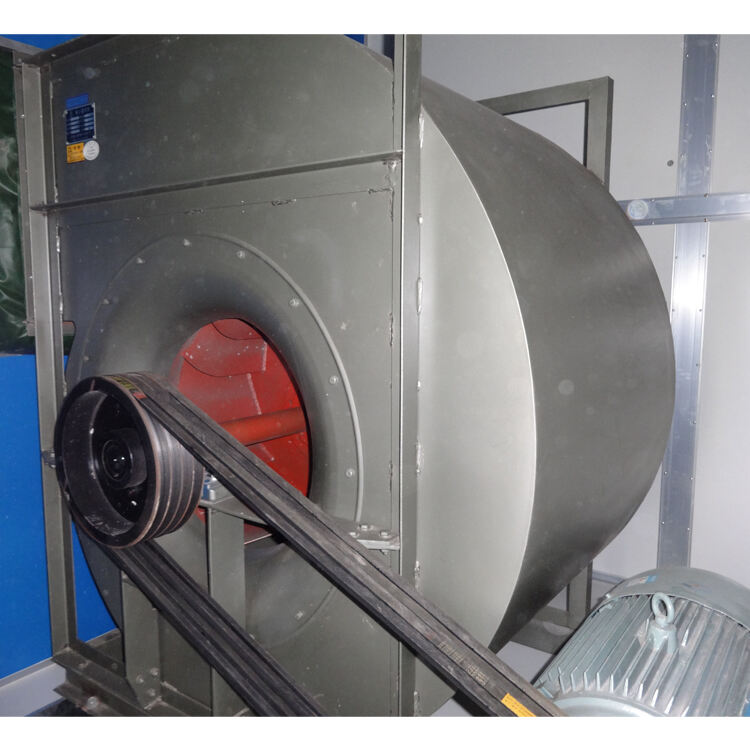
A conditioning unit serves as an essential component in modern industrial and commercial systems, designed to regulate and optimize environmental parameters for enhanced operational efficiency. This sophisticated equipment manages temperature, humidity, pressure, and air quality within controlled spaces, ensuring optimal conditions for both equipment performance and human comfort. The conditioning unit integrates advanced sensor technology with automated control systems to maintain precise environmental standards across diverse applications. Its primary functions encompass air filtration, temperature modulation, humidity control, and ventilation management, all working in concert to create stable operating conditions. The technological architecture of a conditioning unit incorporates multi-stage filtration systems that remove particulates, allergens, and contaminants from circulating air. Modern conditioning units employ variable-speed compressors and intelligent thermostats that adjust output based on real-time demand, significantly reducing energy consumption while maintaining consistent performance. These systems utilize refrigerant cycles for cooling operations and heat exchange mechanisms for warming functions, providing year-round climate control capabilities. Applications for conditioning units span numerous sectors including manufacturing facilities, data centers, pharmaceutical laboratories, food processing plants, commercial office buildings, and residential complexes. In manufacturing environments, the conditioning unit maintains precise temperature and humidity levels critical for product quality and equipment longevity. Data centers rely on conditioning units to prevent overheating of sensitive electronic infrastructure, while pharmaceutical facilities require stringent environmental controls to ensure product integrity and regulatory compliance. The versatility of conditioning units allows for customization based on specific operational requirements, with scalable designs accommodating spaces ranging from small server rooms to expansive warehouse facilities. Advanced conditioning units feature smart connectivity options, enabling remote monitoring and predictive maintenance capabilities that minimize downtime and extend equipment lifespan.

New Product Recommendations

The conditioning unit delivers substantial operational benefits that directly impact your bottom line and workplace quality. Energy efficiency stands as a primary advantage, with modern conditioning units consuming up to forty percent less power compared to conventional systems through intelligent load management and variable-speed technology. This translates to significant cost savings on utility bills while reducing your environmental footprint. The precision control offered by conditioning units ensures consistent environmental conditions, eliminating the temperature fluctuations and humidity variations that can damage sensitive equipment or compromise product quality. Your operations benefit from reduced maintenance requirements, as conditioning units incorporate self-diagnostic features that identify potential issues before they escalate into costly failures. The improved air quality provided by advanced filtration systems creates healthier work environments, reducing employee sick days and boosting productivity through enhanced comfort levels. Installation flexibility represents another key advantage, with conditioning units available in various configurations including rooftop, wall-mounted, and floor-standing models to suit different spatial constraints and architectural requirements. The quiet operation of modern conditioning units minimizes noise pollution in work environments, contributing to better concentration and communication among staff members. Scalability allows you to expand your conditioning capacity as your business grows, with modular designs that integrate seamlessly with existing infrastructure. The conditioning unit provides rapid response to changing environmental demands, adjusting output within seconds to maintain optimal conditions during peak usage periods or sudden weather changes. Durability and longevity characterize quality conditioning units, with robust construction and corrosion-resistant materials ensuring reliable performance over extended operational lifespans often exceeding fifteen years. Smart technology integration enables conditioning units to learn usage patterns and optimize performance schedules automatically, further enhancing efficiency without requiring manual intervention. The conditioning unit supports sustainability initiatives through reduced refrigerant usage and compatibility with eco-friendly cooling agents that minimize ozone depletion potential. Remote accessibility through mobile applications and web interfaces allows facility managers to monitor and adjust conditioning unit settings from any location, providing unprecedented control and convenience. The return on investment for conditioning units typically materializes within three to five years through combined energy savings, reduced maintenance costs, and improved operational efficiency, making them financially prudent choices for forward-thinking organizations.

Tips And Tricks

What Are the Benefits of Modular Air Handling Units

02

Dec

What Are the Benefits of Modular Air Handling Units

Modern industrial facilities and commercial buildings face increasingly complex air quality challenges that require sophisticated yet adaptable solutions. Traditional HVAC systems often fall short when facilities need to expand, modify operations, or...
View More
Clean Room Applications Across Electronics, Medical, and Precision Manufacturing

30

Jan

Clean Room Applications Across Electronics, Medical, and Precision Manufacturing

Modern manufacturing and healthcare facilities rely heavily on controlled environments to ensure product quality, safety, and regulatory compliance. A clean room represents a specialized environment where airborne particles, contaminants, and environ...
View More
How Cleanroom Layout Planning Influences Workflow and Risk Management

30

Jan

How Cleanroom Layout Planning Influences Workflow and Risk Management

In the highly regulated world of pharmaceutical manufacturing, semiconductor production, and biotechnology research, cleanroom layout planning serves as the foundation for operational excellence and regulatory compliance. The strategic arrangement of...
View More
What Happens to Production Stability Without a Proper Cleanroom System?

30

Jan

What Happens to Production Stability Without a Proper Cleanroom System?

Manufacturing environments face critical challenges when operating without adequate contamination control measures. A properly designed cleanroom system serves as the foundation for maintaining consistent product quality, regulatory compliance, and o...
View More

Get a Free Quote

Our representative will contact you soon.
Email
Name
Company Name
Attachment
Please upload at least an attachment
Up to 3 files,more 30mb,suppor jpg、jpeg、png、pdf、doc、docx、xls、xlsx、csv、txt
Message
0/1000

conditioning unit

Advanced Multi-Stage Filtration Technology

Advanced Multi-Stage Filtration Technology

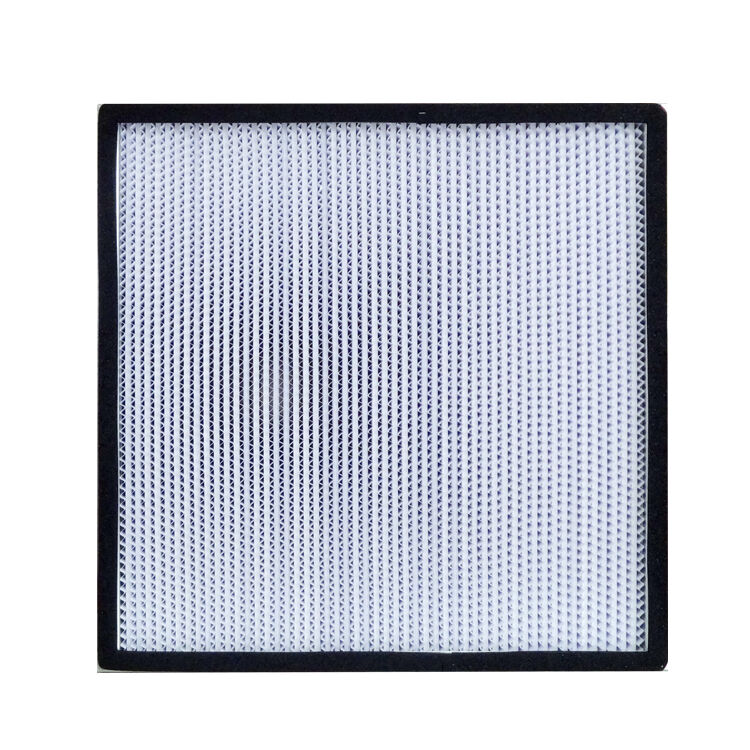
The conditioning unit incorporates sophisticated multi-stage filtration technology that revolutionizes indoor air quality management across commercial and industrial applications. This comprehensive filtration system employs multiple barrier layers, each designed to capture specific contaminant categories ranging from large particulates to microscopic allergens and volatile organic compounds. The first stage utilizes mechanical pre-filters that trap larger particles such as dust, pollen, and textile fibers, preventing these materials from reaching more sensitive downstream components. Secondary filtration stages employ high-efficiency particulate air filters capable of removing particles as small as point three microns with efficiency ratings exceeding ninety-nine percent. These advanced filters capture bacteria, mold spores, and fine dust that conventional systems miss, creating substantially cleaner breathing environments. Activated carbon filters in subsequent stages adsorb odors, chemical vapors, and gaseous pollutants, addressing air quality concerns beyond simple particulate removal. The conditioning unit features easily accessible filter compartments with tool-free removal mechanisms, simplifying routine maintenance and reducing service time. Filter monitoring systems track pressure differentials across each stage, providing real-time alerts when replacement becomes necessary to maintain optimal performance. This proactive approach prevents filter saturation that could compromise air quality or strain system components. The economic benefits of this filtration technology extend beyond health improvements, as cleaner air reduces dust accumulation on sensitive equipment, extending the operational life of computers, machinery, and electronic instruments. Manufacturing facilities benefit from reduced product contamination, while healthcare environments achieve infection control standards through superior air purification. The conditioning unit allows customization of filtration specifications based on specific environmental challenges, with options for specialized filters targeting particular contaminants prevalent in your industry. Energy efficiency remains uncompromised despite intensive filtration, as aerodynamic filter designs minimize airflow resistance while maximizing capture efficiency. The multi-stage approach distributes the filtration workload across multiple components, extending individual filter lifespans and reducing replacement frequency compared to single-stage systems. This translates to lower ongoing operational costs and reduced environmental impact from filter disposal. The conditioning unit demonstrates its value through measurable improvements in indoor air quality metrics, with many installations reporting fifty to seventy percent reductions in airborne particulate concentrations within weeks of operation.
Intelligent Climate Control with Adaptive Learning

Intelligent Climate Control with Adaptive Learning

The conditioning unit features cutting-edge intelligent climate control systems that leverage adaptive learning algorithms to optimize environmental management with minimal human intervention. This sophisticated technology continuously monitors multiple environmental parameters including temperature, humidity, air pressure, and occupancy levels, processing this data through advanced algorithms that identify patterns and predict future conditioning requirements. The adaptive learning capability allows the conditioning unit to understand your facility's unique usage patterns, recognizing daily schedules, seasonal variations, and special event requirements without manual programming. Over time, the system becomes increasingly efficient at anticipating conditioning needs, pre-cooling or pre-heating spaces before occupancy periods to ensure immediate comfort upon arrival while avoiding energy waste during vacant periods. The intelligent control system integrates seamlessly with building management platforms, enabling coordinated operation with lighting, security, and other facility systems for comprehensive energy optimization. Precision temperature control maintains setpoints within half-degree tolerances, eliminating the uncomfortable temperature swings associated with traditional on-off cycling systems. The conditioning unit employs proportional-integral-derivative control logic that makes smooth, gradual adjustments rather than abrupt changes, enhancing comfort while reducing mechanical stress on system components. Humidity management receives equal attention, with the conditioning unit maintaining optimal moisture levels that prevent mold growth, static electricity buildup, and material degradation. The system automatically adjusts dehumidification or humidification output based on outdoor conditions and internal moisture generation, ensuring consistent indoor humidity regardless of external weather patterns. Zone control capabilities allow different areas within your facility to maintain distinct environmental conditions simultaneously, accommodating varying requirements across departments or functional spaces. The conditioning unit supports custom scheduling with holiday calendars and exception handling, providing flexibility for irregular operating hours or special events. Energy consumption tracking provides detailed analytics on conditioning unit performance, identifying opportunities for further optimization and validating efficiency improvements over time. The intelligent system detects anomalies in operational patterns that may indicate developing maintenance issues, generating alerts that enable proactive service interventions before failures occur. This predictive maintenance capability significantly reduces unexpected downtime and extends equipment lifespan through timely corrective actions. The conditioning unit learns from manual overrides and user adjustments, incorporating these preferences into future automated decisions to better align with occupant comfort expectations while maintaining energy efficiency objectives.
Modular Design with Scalable Capacity

Modular Design with Scalable Capacity

The conditioning unit embraces modular design principles that provide unparalleled flexibility and scalability for evolving facility requirements. This architectural approach divides the conditioning system into discrete functional modules that can be independently serviced, upgraded, or expanded without disrupting overall system operation. The modular framework allows you to start with baseline capacity appropriate for current needs, then seamlessly add conditioning modules as your space expands or cooling demands increase. Each module operates as a self-contained unit with dedicated compressors, heat exchangers, and control systems, yet integrates with other modules through intelligent coordination protocols that optimize collective performance. This distributed architecture enhances system reliability, as the failure of one module does not compromise the entire conditioning capacity, allowing continued operation at reduced output while repairs proceed. The conditioning unit supports hot-swappable module replacement in many configurations, enabling maintenance activities during normal business hours without scheduling disruptive shutdowns. Capacity staging across multiple modules provides superior part-load efficiency compared to single large units, as the conditioning unit activates only the number of modules necessary to meet current demand. During periods of low cooling requirements, a single module may handle the entire load while others remain in standby mode, dramatically reducing energy consumption. The modular design facilitates phased capital investment, allowing you to distribute conditioning unit costs across multiple budget cycles rather than requiring substantial upfront expenditure. This financial flexibility makes advanced conditioning technology accessible to organizations with constrained capital budgets. Standardized module interfaces ensure compatibility with future technology upgrades, protecting your investment against obsolescence as conditioning unit innovations emerge. The conditioning unit accommodates mixed module types within a single system, allowing you to combine standard efficiency modules with premium high-efficiency units based on budget availability and performance priorities. Physical installation benefits from modular design through reduced equipment dimensions that simplify transportation through standard doorways and elevators, eliminating the rigging challenges associated with monolithic systems. The conditioning unit modules can be distributed across multiple locations within a facility, providing localized conditioning that reduces ductwork requirements and associated energy losses. Maintenance efficiency improves substantially with modular architecture, as technicians can quickly isolate and service specific modules without navigating complex integrated systems. Spare module inventory provides rapid restoration capability, allowing immediate replacement of failed modules while repairs proceed offline. The conditioning unit supports incremental technology adoption, enabling you to upgrade individual modules with latest-generation components while retaining functional legacy modules, optimizing the balance between performance enhancement and capital efficiency.

Get a Free Quote

Our representative will contact you soon.
Email
Name
Company Name
Attachment
Please upload at least an attachment
Up to 3 files,more 30mb,suppor jpg、jpeg、png、pdf、doc、docx、xls、xlsx、csv、txt
Message
0/1000

Get a Free Quote

Our representative will contact you soon.
Email
Name
Company Name
Attachment
Please upload at least an attachment
Up to 3 files,more 30mb,suppor jpg、jpeg、png、pdf、doc、docx、xls、xlsx、csv、txt
Message
0/1000