Air Handling Units: Advanced HVAC Solutions for Optimal Indoor Climate Control

All Categories

Get a Free Quote

Our representative will contact you soon.
Email
Name
Company Name
Attachment
Please upload at least an attachment
Up to 3 files,more 30mb,suppor jpg、jpeg、png、pdf、doc、docx、xls、xlsx、csv、txt
Message
0/1000

Get a Free Quote

Our representative will contact you soon.
Email
Name
Company Name
Attachment
Please upload at least an attachment
Up to 3 files,more 30mb,suppor jpg、jpeg、png、pdf、doc、docx、xls、xlsx、csv、txt
Message
0/1000

air handling unit

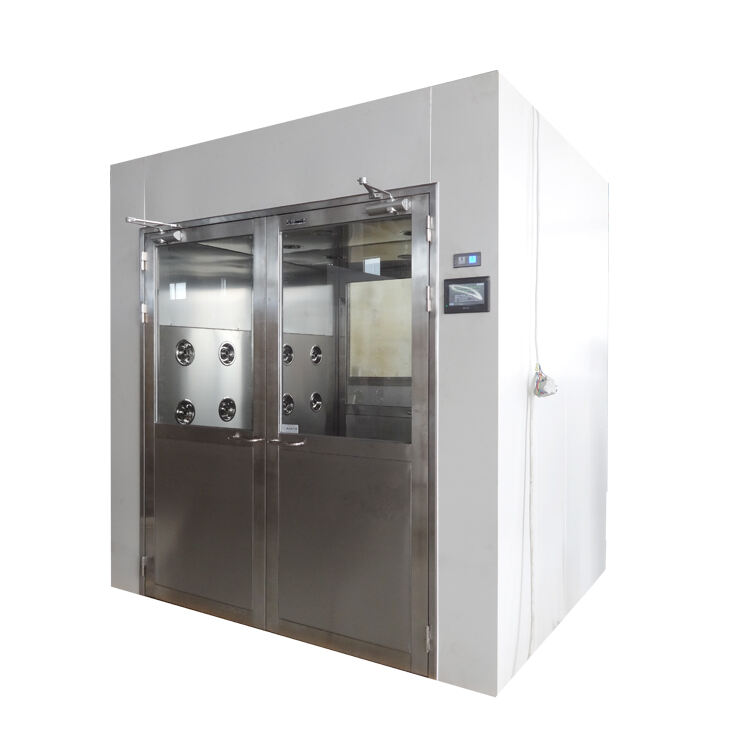
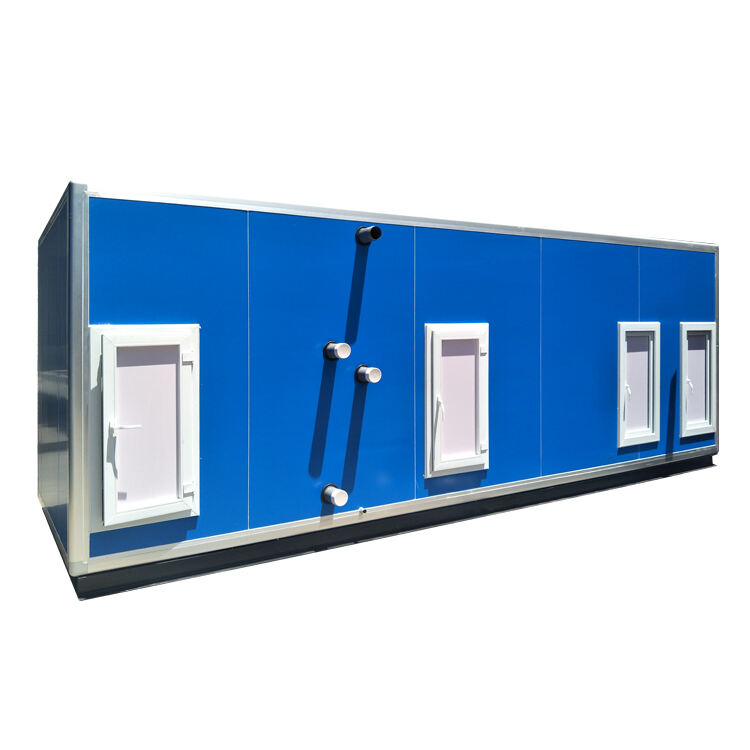
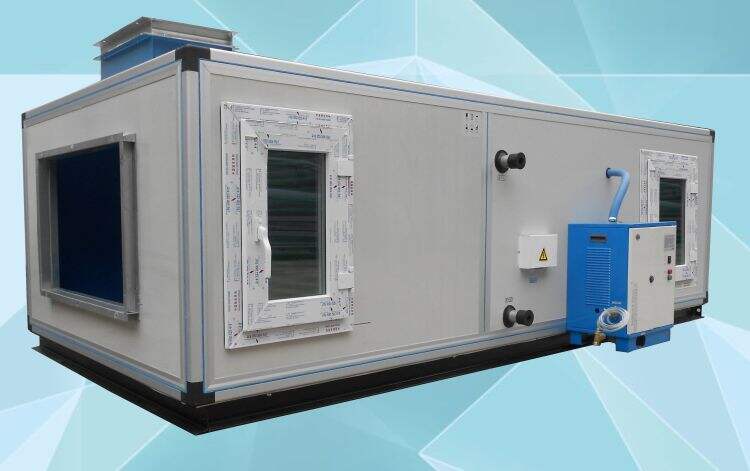
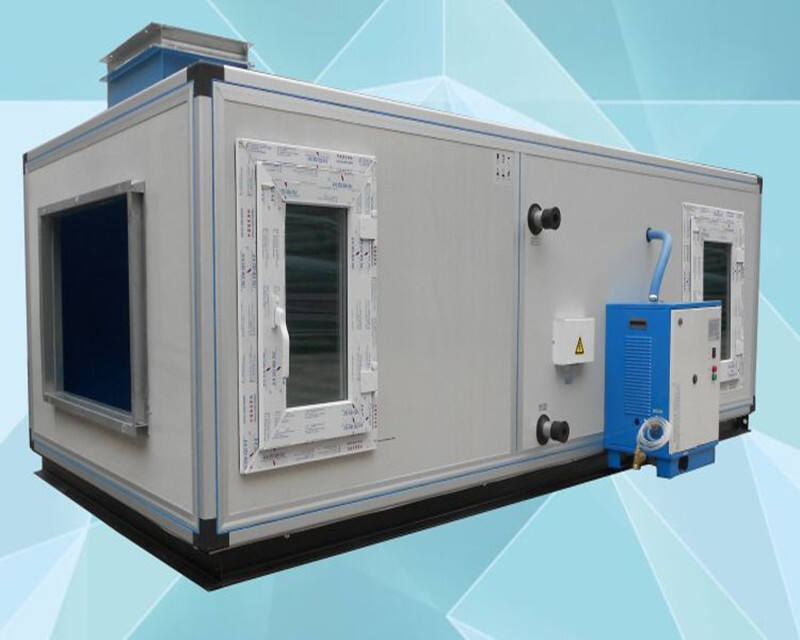
An air handling unit serves as the central component in modern heating, ventilation, and air conditioning systems, designed to regulate and circulate conditioned air throughout commercial buildings, industrial facilities, and large residential complexes. This sophisticated equipment manages indoor air quality by controlling temperature, humidity, and cleanliness while ensuring optimal comfort for occupants. The primary function of an air handling unit involves drawing in outdoor air, filtering contaminants, adjusting temperature through heating or cooling coils, controlling moisture levels, and distributing the treated air through ductwork to designated spaces. These units incorporate multiple technological components working in harmony, including fans or blowers that create airflow, filter sections that remove particles and pollutants, heat exchangers for temperature modification, humidifiers or dehumidifiers for moisture control, and dampers that regulate air volume and direction. Modern air handling units feature advanced control systems with sensors and programmable logic controllers that monitor environmental conditions and adjust operations automatically to maintain preset parameters. The versatility of these systems allows them to serve diverse applications across various sectors. In healthcare facilities, air handling units maintain sterile environments by providing high-efficiency filtration and precise temperature control. Manufacturing plants utilize these systems to create specific atmospheric conditions required for production processes. Office buildings depend on air handling units to ensure employee comfort and productivity by maintaining consistent indoor climates. Educational institutions, hotels, shopping centers, and data centers all rely on these systems to meet their unique ventilation requirements. The modular design of air handling units enables customization based on building size, occupancy levels, and specific environmental needs, making them adaptable solutions for both new construction projects and retrofit applications in existing structures.

New Product Recommendations

Investing in a quality air handling unit delivers substantial benefits that directly impact operational efficiency, occupant wellbeing, and long-term cost savings. These systems excel at maintaining consistent indoor temperatures throughout large spaces, eliminating hot and cold spots that create discomfort and complaints. By continuously circulating and filtering air, they remove dust, pollen, bacteria, and other airborne contaminants that compromise health and productivity. This filtration capability proves especially valuable for individuals with allergies or respiratory sensitivities, creating cleaner breathing environments that reduce sick days and improve overall wellness. Energy efficiency represents another significant advantage, as modern air handling units incorporate variable speed drives, heat recovery systems, and intelligent controls that minimize power consumption while maximizing performance. These energy-saving features translate directly into lower utility bills, often reducing operational costs by twenty to forty percent compared to older systems. The ability to recover heat from exhaust air and transfer it to incoming fresh air prevents energy waste and reduces the load on heating and cooling equipment. Humidity control capabilities prevent moisture-related problems such as mold growth, material degradation, and uncomfortable muggy conditions that affect both building integrity and occupant comfort. Proper moisture management also protects sensitive equipment, documents, and inventory from damage caused by excessive dampness or dryness. Air handling units operate quietly compared to individual room units, creating peaceful indoor environments conducive to concentration and relaxation. Their centralized design simplifies maintenance procedures, as technicians can access all components from a single location rather than servicing multiple scattered units throughout a building. This centralization reduces maintenance time and costs while improving system reliability. The flexibility to integrate with building automation systems allows facility managers to monitor performance remotely, receive alerts about potential issues before they become serious problems, and optimize operations based on occupancy patterns and weather conditions. Scalability ensures that air handling units can accommodate future expansion or changing requirements without complete system replacement. Their robust construction and quality components provide decades of reliable service when properly maintained, delivering excellent return on investment. The improved indoor air quality and comfort provided by these systems enhances property values, attracts quality tenants, and supports compliance with building codes and environmental regulations that mandate specific ventilation standards.

Practical Tips

How to Install Clean Panels Without Contaminating Environments

21

Oct

How to Install Clean Panels Without Contaminating Environments

Essential Guidelines for Clean Panel Installation in Controlled Settings Clean panels represent a crucial component in controlled environments like cleanrooms, laboratories, and pharmaceutical facilities. Their proper installation is paramount for ma...
View More
What Are the Cost Benefits of Modular Clean Room Construction

05

Nov

What Are the Cost Benefits of Modular Clean Room Construction

The Economic Advantages of Modern Modular Cleanroom Solutions The landscape of pharmaceutical, semiconductor, and medical device manufacturing has been transformed by modular clean room construction. This innovative approach to building controlled en...
View More
What Certifications Are Required for Clean Air Systems

02

Dec

What Certifications Are Required for Clean Air Systems

Modern industrial facilities and critical environments rely heavily on properly certified clean air systems to maintain air quality standards and regulatory compliance. These sophisticated systems ensure contaminant-free environments essential for ma...
View More
What Industries Require High-Performance Clean Benches

02

Dec

What Industries Require High-Performance Clean Benches

Modern manufacturing and research facilities across numerous industries depend on contamination-free environments to ensure product quality, safety, and compliance with stringent regulations. Clean benches have become essential equipment in these con...
View More

Get a Free Quote

Our representative will contact you soon.
Email
Name
Company Name
Attachment
Please upload at least an attachment
Up to 3 files,more 30mb,suppor jpg、jpeg、png、pdf、doc、docx、xls、xlsx、csv、txt
Message
0/1000

air handling unit

Advanced Filtration Technology for Superior Indoor Air Quality

Advanced Filtration Technology for Superior Indoor Air Quality

The filtration capabilities of an air handling unit represent one of its most critical features, directly impacting the health and comfort of building occupants while protecting mechanical components from contamination. Modern air handling units incorporate multi-stage filtration systems that progressively remove particles of varying sizes, from large debris to microscopic contaminants. The initial filter stage typically captures larger particles such as dust, lint, and insects, preventing them from entering the system and damaging downstream components. Subsequent filter stages employ increasingly fine media to trap smaller particles including pollen, mold spores, and bacteria. High-efficiency particulate air filters can remove ninety-nine point ninety-seven percent of particles as small as zero point three microns, providing hospital-grade air quality when required. Some air handling units incorporate activated carbon filters that absorb odors, volatile organic compounds, and gaseous pollutants that standard filters cannot capture. This comprehensive filtration approach creates indoor environments that smell fresh and feel clean, reducing complaints about stuffiness or unpleasant odors. The health benefits of superior filtration extend beyond comfort, as cleaner air reduces respiratory irritation, allergic reactions, and the transmission of airborne illnesses. Studies demonstrate that improved indoor air quality correlates with increased productivity, better cognitive function, and reduced absenteeism in workplace settings. For manufacturing environments, effective filtration protects products from contamination and maintains the precise atmospheric conditions required for quality control. The filter sections in air handling units are designed for easy access and replacement, with some systems featuring filter monitoring technology that alerts maintenance personnel when filters reach capacity and require changing. This proactive approach prevents system performance degradation and ensures consistent air quality. The ability to customize filtration levels based on specific needs allows building owners to balance air quality requirements with operational costs, selecting filter grades appropriate for their applications. Regular filter maintenance through an air handling unit proves more cost-effective than allowing contaminants to circulate freely, as clean systems operate more efficiently, experience fewer breakdowns, and have longer service lives.
Energy Recovery Systems That Reduce Operating Costs

Energy Recovery Systems That Reduce Operating Costs

Energy recovery technology integrated into air handling units represents a breakthrough in sustainable building operation, capturing thermal energy from exhaust air that would otherwise be wasted and transferring it to incoming fresh air. This heat exchange process significantly reduces the energy required to condition outdoor air to comfortable temperatures, delivering substantial cost savings while supporting environmental sustainability goals. During winter months, warm exhaust air transfers its heat to cold incoming air, preheating it before it reaches the main heating coils. This preheating reduces the workload on boilers or heat pumps, lowering fuel consumption and associated costs. Conversely, during summer, cool exhaust air absorbs heat from hot incoming air, reducing the cooling load on chillers and air conditioning equipment. The efficiency of energy recovery systems can reach seventy to eighty percent, meaning the majority of thermal energy in exhaust air gets recaptured rather than lost. For facilities that operate continuously or require high ventilation rates, such as hospitals, laboratories, or commercial kitchens, energy recovery delivers particularly impressive savings that can pay for the system investment within a few years. Beyond direct energy savings, these systems reduce the required capacity of heating and cooling equipment, allowing building owners to install smaller, less expensive primary systems. The environmental benefits complement the financial advantages, as reduced energy consumption translates to lower carbon emissions and a smaller environmental footprint. Modern energy recovery systems in air handling units employ various technologies including rotary heat exchangers, plate heat exchangers, and heat pipe systems, each offering specific advantages for different applications. Rotary exchangers provide high efficiency and can transfer both sensible and latent heat, making them effective for humidity control. Plate exchangers offer simplicity and reliability with no moving parts, while heat pipes provide complete separation between exhaust and supply air streams, preventing any cross-contamination. The selection of energy recovery technology depends on climate conditions, building requirements, and budget considerations. Maintenance requirements for energy recovery systems remain minimal, typically involving periodic cleaning to maintain heat transfer efficiency. The integration of energy recovery with an air handling unit creates a synergistic system where each component enhances the performance of others, resulting in overall efficiency that exceeds the sum of individual parts.
Intelligent Control Systems for Optimal Performance and Comfort

Intelligent Control Systems for Optimal Performance and Comfort

The control systems embedded in modern air handling units transform these mechanical devices into intelligent climate management platforms capable of responding dynamically to changing conditions and occupancy patterns. Advanced controllers continuously monitor multiple parameters including temperature, humidity, air quality, filter pressure drop, and equipment status, making real-time adjustments to maintain optimal conditions while minimizing energy consumption. These systems employ sophisticated algorithms that learn building characteristics and occupancy patterns over time, anticipating heating and cooling needs before conditions drift outside comfort ranges. Predictive control strategies adjust operations based on weather forecasts, reducing energy use during mild conditions and ramping up capacity ahead of extreme temperatures. The ability to create multiple zones within a building allows an air handling unit to deliver different conditions to various areas based on their specific requirements and usage patterns. Conference rooms can receive increased ventilation during meetings, while unoccupied spaces reduce airflow to save energy. Demand-controlled ventilation uses carbon dioxide sensors to monitor occupancy levels and adjust fresh air intake accordingly, ensuring adequate ventilation without over-ventilating empty spaces. This intelligent approach can reduce ventilation energy costs by thirty to fifty percent compared to constant-volume systems. Integration with building automation systems enables facility managers to monitor and control air handling units remotely through web-based interfaces or mobile applications. This connectivity provides visibility into system performance, energy consumption, and maintenance needs from anywhere with internet access. Automated alerts notify personnel immediately when issues arise, such as filter changes needed, abnormal operating conditions, or equipment malfunctions, allowing prompt intervention before minor problems escalate into costly failures. Historical data logging creates valuable records for analyzing trends, optimizing schedules, and demonstrating compliance with regulations. The user-friendly interfaces of modern control systems make it easy for operators to adjust settings, view system status, and generate reports without specialized training. Customizable dashboards display the most relevant information for different users, from detailed technical data for maintenance staff to simple comfort controls for building occupants. The flexibility of programmable controls allows air handling units to accommodate changing building uses without hardware modifications, simply by adjusting software parameters. As buildings evolve and requirements change, the control system adapts accordingly, protecting the investment in mechanical infrastructure. The precision of electronic controls surpasses manual or pneumatic systems, maintaining tighter tolerances and delivering more consistent comfort while reducing energy waste from overshooting setpoints or hunting behavior.

Get a Free Quote

Our representative will contact you soon.
Email
Name
Company Name
Attachment
Please upload at least an attachment
Up to 3 files,more 30mb,suppor jpg、jpeg、png、pdf、doc、docx、xls、xlsx、csv、txt
Message
0/1000

Get a Free Quote

Our representative will contact you soon.
Email
Name
Company Name
Attachment
Please upload at least an attachment
Up to 3 files,more 30mb,suppor jpg、jpeg、png、pdf、doc、docx、xls、xlsx、csv、txt
Message
0/1000