Central Air Handling Unit: Advanced HVAC Solutions for Commercial and Industrial Climate Control

All Categories

Get a Free Quote

Our representative will contact you soon.
Email
Name
Company Name
Attachment
Please upload at least an attachment
Up to 3 files,more 30mb,suppor jpg、jpeg、png、pdf、doc、docx、xls、xlsx、csv、txt
Message
0/1000

Get a Free Quote

Our representative will contact you soon.
Email
Name
Company Name
Attachment
Please upload at least an attachment
Up to 3 files,more 30mb,suppor jpg、jpeg、png、pdf、doc、docx、xls、xlsx、csv、txt
Message
0/1000

central air handling unit

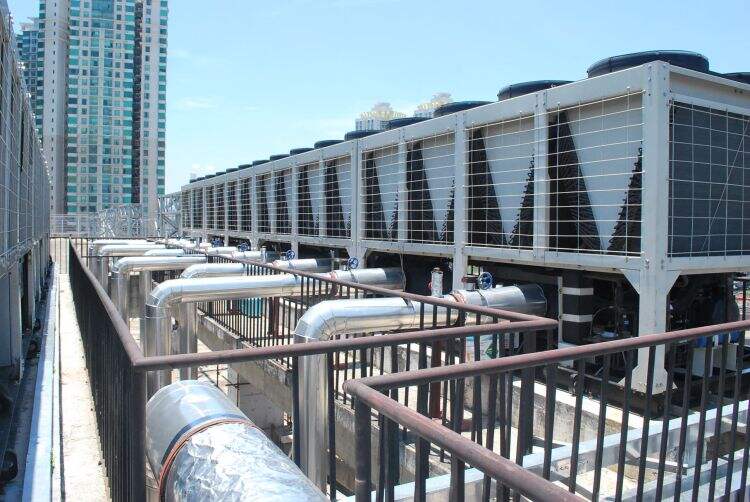
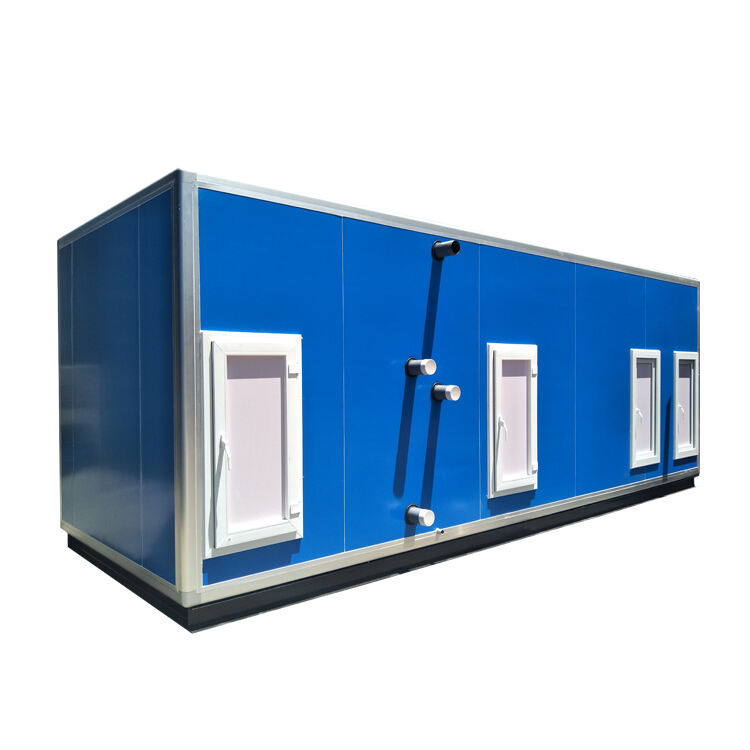
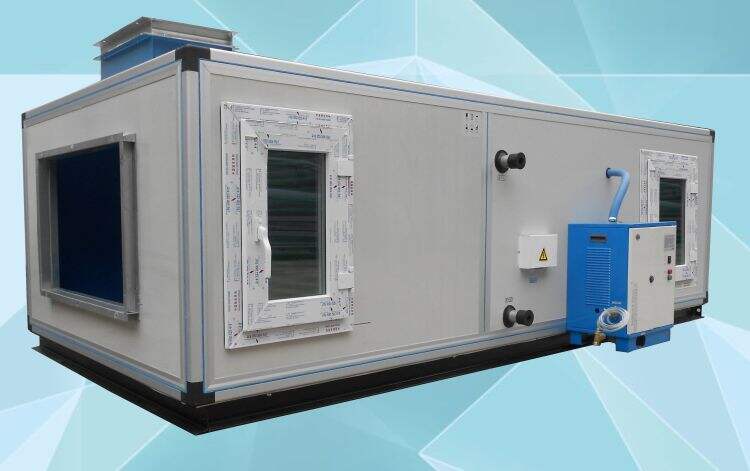
A central air handling unit represents a sophisticated climate control system designed to regulate and distribute conditioned air throughout large commercial buildings, industrial facilities, and residential complexes. This comprehensive ventilation equipment serves as the heart of modern HVAC infrastructure, managing air quality, temperature, and humidity levels across expansive indoor environments. The central air handling unit operates by drawing in outside air, filtering it, conditioning it to desired temperature parameters, and then distributing it through an extensive ductwork network to multiple zones within a building. These units incorporate advanced components including high-efficiency filters, heating and cooling coils, humidification systems, fans, dampers, and sophisticated control mechanisms that work in harmony to maintain optimal indoor atmospheric conditions. The technological architecture of a central air handling unit enables it to process substantial volumes of air, typically ranging from several thousand to hundreds of thousands of cubic feet per minute, making it suitable for facilities requiring robust climate control capabilities. Primary functions encompass air filtration to remove particulates and contaminants, thermal regulation through heating or cooling processes, humidity control to prevent moisture-related issues, and consistent air circulation to eliminate stagnant zones. Modern central air handling units integrate smart control systems that monitor environmental parameters in real-time, automatically adjusting operational parameters to maintain preset conditions while optimizing energy consumption. Applications span diverse sectors including corporate office towers, manufacturing plants, hospitals, educational institutions, shopping centers, hotels, and multi-story apartment buildings where centralized climate management proves more efficient than individual room units. The modular design of contemporary central air handling units allows customization based on specific building requirements, with options for variable air volume control, heat recovery systems, and energy-efficient components that reduce operational costs while enhancing performance reliability and occupant comfort across all served spaces.


Popular Products

Investing in a central air handling unit delivers substantial cost savings over time compared to installing multiple smaller systems throughout your building. You gain immediate benefits through reduced installation expenses since one centralized system requires less equipment, fewer technicians, and simplified setup procedures. This approach cuts down on material costs and labor hours, putting money back into your budget from day one. Energy efficiency stands out as another major advantage, as modern central air handling units consume less power while delivering superior performance across your entire facility. These systems utilize advanced technology to optimize energy usage, automatically adjusting output based on actual demand rather than running at full capacity constantly. Your monthly utility bills decrease significantly, often by twenty to forty percent compared to older or decentralized systems, creating ongoing savings that compound year after year. Maintenance becomes remarkably simpler when you operate a central air handling unit instead of managing dozens of separate units scattered across different locations. Your maintenance team focuses attention on one primary system, streamlining inspection schedules, reducing spare parts inventory, and minimizing the time required for routine service tasks. This centralized maintenance approach prevents small issues from escalating into costly emergency repairs, extending equipment lifespan and maintaining consistent performance standards. Air quality improvements benefit everyone in your building, as central air handling units incorporate sophisticated filtration systems that remove dust, pollen, bacteria, and other airborne contaminants more effectively than individual room units. Occupants experience fewer respiratory issues, reduced allergy symptoms, and enhanced overall comfort, which translates to increased productivity in commercial settings and better health outcomes in residential applications. Temperature consistency throughout your facility eliminates hot spots and cold zones that plague buildings with inadequate climate control, ensuring every room maintains comfortable conditions regardless of external weather fluctuations or internal heat sources. You exercise precise control over humidity levels, preventing the mold growth and moisture damage that threaten building integrity and occupant health in environments with poor humidity management. The central air handling unit adapts to your changing needs through flexible zone control capabilities, allowing different areas to maintain distinct temperature settings based on usage patterns and occupant preferences without compromising system efficiency. Noise reduction becomes noticeable since the main equipment operates in dedicated mechanical rooms away from occupied spaces, creating quieter work and living environments compared to the constant hum of window units or rooftop systems. Property value increases when you install a central air handling unit, as potential buyers and tenants recognize the superior comfort, lower operating costs, and reduced maintenance demands associated with centralized climate control infrastructure, making your investment pay dividends even if you eventually sell or lease the property.

Tips And Tricks

What Are the Key Components of an Effective Clean Air System

21

Oct

What Are the Key Components of an Effective Clean Air System

Understanding Modern Clean Air Technologies and Their Impact A well-designed clean air system serves as the foundation for maintaining optimal indoor air quality in both residential and commercial spaces. As we spend approximately 90% of our time ind...
View More
What Are the Benefits of Using Modular Clean Panels

21

Oct

What Are the Benefits of Using Modular Clean Panels

Understanding the Revolutionary Impact of Modular Clean Panels in Modern Facilities Modular clean panels have transformed the way industries approach controlled environments and cleanroom construction. These innovative building components represent a...
View More
Clean Room Applications Across Electronics, Medical, and Precision Manufacturing

30

Jan

Clean Room Applications Across Electronics, Medical, and Precision Manufacturing

Modern manufacturing and healthcare facilities rely heavily on controlled environments to ensure product quality, safety, and regulatory compliance. A clean room represents a specialized environment where airborne particles, contaminants, and environ...
View More
How Cleanroom Layout Planning Influences Workflow and Risk Management

30

Jan

How Cleanroom Layout Planning Influences Workflow and Risk Management

In the highly regulated world of pharmaceutical manufacturing, semiconductor production, and biotechnology research, cleanroom layout planning serves as the foundation for operational excellence and regulatory compliance. The strategic arrangement of...
View More

Get a Free Quote

Our representative will contact you soon.
Email
Name
Company Name
Attachment
Please upload at least an attachment
Up to 3 files,more 30mb,suppor jpg、jpeg、png、pdf、doc、docx、xls、xlsx、csv、txt
Message
0/1000

central air handling unit

Advanced Energy Management and Intelligent Climate Control

Advanced Energy Management and Intelligent Climate Control

The central air handling unit revolutionizes building climate management through sophisticated energy optimization technologies that deliver exceptional performance while minimizing operational expenses. At the core of this advantage lies variable frequency drive technology, which allows the system to modulate fan speeds and compressor operation dynamically based on real-time demand rather than cycling on and off repeatedly like conventional systems. This intelligent modulation reduces energy waste dramatically, as the equipment operates at precisely the level needed to maintain desired conditions without overshooting targets or consuming unnecessary power during partial load situations. Smart sensors distributed throughout the building continuously monitor temperature, humidity, carbon dioxide levels, and occupancy patterns, feeding this data to advanced control algorithms that make split-second adjustments to optimize comfort and efficiency simultaneously. During mild weather conditions, the central air handling unit can implement economizer modes that maximize the use of outside air for cooling, reducing or eliminating the need for mechanical refrigeration and slashing energy consumption during these favorable periods. Heat recovery systems integrated within many central air handling units capture thermal energy from exhaust air streams and transfer it to incoming fresh air, preconditioning it before it reaches the main heating or cooling coils and substantially reducing the energy required to bring outside air to comfortable temperatures. This heat recovery capability proves particularly valuable in climates with extreme seasonal temperature variations, where the energy savings can offset a significant portion of the system's operational costs. Demand-controlled ventilation features adjust fresh air intake based on actual occupancy levels rather than maintaining maximum ventilation rates constantly, ensuring adequate air quality while avoiding the energy penalty associated with conditioning excessive volumes of outside air when spaces are partially occupied or vacant. The integration capabilities of modern central air handling units allow them to communicate with building automation systems, weather forecasting services, and utility demand response programs, enabling predictive operational adjustments that anticipate changing conditions and shift energy-intensive operations to off-peak periods when electricity rates are lower. Comprehensive monitoring dashboards provide facility managers with detailed insights into energy consumption patterns, system performance metrics, and maintenance requirements, empowering data-driven decisions that continuously improve efficiency and reduce waste over the system's operational lifetime.
Superior Indoor Air Quality and Occupant Health Protection

Superior Indoor Air Quality and Occupant Health Protection

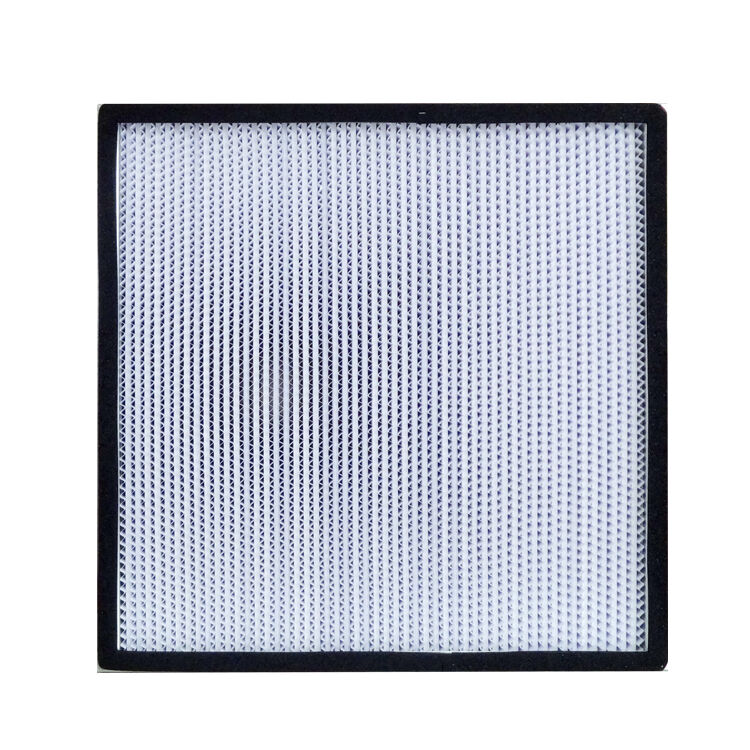
The central air handling unit serves as a comprehensive air purification and quality management system that protects occupant health and creates comfortable indoor environments far superior to what individual room units can achieve. Multi-stage filtration systems form the foundation of this air quality advantage, beginning with pre-filters that capture larger particles and debris, protecting downstream components while removing visible dust and contaminants from the airstream. High-efficiency particulate air filters in the secondary filtration stage trap microscopic particles including pollen, mold spores, bacteria, and fine dust that trigger allergies and respiratory issues, achieving filtration efficiencies exceeding ninety-five percent for particles as small as point three microns in diameter. Some advanced central air handling units incorporate activated carbon filters that absorb volatile organic compounds, odors, and gaseous pollutants that mechanical filters cannot capture, addressing the full spectrum of indoor air quality concerns. Ultraviolet germicidal irradiation systems can be integrated within the air handling unit to neutralize airborne pathogens, viruses, and bacteria as they pass through the unit, providing an additional layer of biological contamination control particularly valuable in healthcare facilities, schools, and other settings where disease transmission poses significant concerns. Humidity control capabilities built into central air handling units maintain optimal moisture levels between thirty and fifty percent relative humidity, preventing the excessive dryness that causes respiratory irritation and static electricity problems while avoiding the high humidity conditions that promote mold growth and dust mite proliferation. Consistent air circulation eliminates the stagnant pockets where contaminants accumulate and creates gentle air movement that prevents temperature stratification and ensures even distribution of conditioned, filtered air to every corner of the building. Fresh air ventilation guarantees a continuous supply of outdoor air to dilute indoor pollutants, carbon dioxide, and odors that accumulate in occupied spaces, maintaining cognitive function and preventing the sick building syndrome symptoms associated with inadequate ventilation. The central air handling unit approach allows for far superior air mixing and distribution compared to individual units, as carefully designed ductwork delivers air precisely where needed with appropriate velocity and diffusion patterns that avoid drafts while maintaining air quality throughout the entire facility. Pressurization control enables specific zones to maintain positive or negative pressure relationships as required for containment purposes, preventing cross-contamination between different areas and ensuring that sensitive spaces remain protected from unwanted air infiltration.
Scalable Design Flexibility and Long-Term Operational Reliability

Scalable Design Flexibility and Long-Term Operational Reliability

The central air handling unit offers unmatched adaptability and dependability that accommodates changing building needs while delivering consistent performance over decades of service life. Modular construction principles allow these systems to be configured precisely for specific building requirements, with components selected and arranged to match current demands while providing straightforward expansion capabilities when future growth requires additional capacity. Zoning flexibility represents a crucial advantage, as a single central air handling unit can serve multiple zones with independent temperature and ventilation control, accommodating diverse usage patterns within the same building where different areas have distinct climate requirements based on occupancy schedules, equipment heat loads, or functional purposes. Variable air volume terminal units connected to the central system enable room-by-room control without sacrificing the efficiency benefits of centralized equipment, giving occupants personalized comfort while maintaining overall system optimization. Capacity scaling proves far simpler with central air handling units compared to distributed systems, as adding served area typically requires only ductwork extensions and zone controls rather than purchasing and installing entirely new equipment units. Redundancy options enhance reliability for mission-critical applications, with dual-fan configurations, backup components, and failover capabilities ensuring continuous operation even during maintenance activities or component failures that would shut down less sophisticated systems. Commercial-grade construction using robust materials and industrial-quality components gives central air handling units exceptional longevity, with typical service lives exceeding twenty years when properly maintained, far surpassing the seven to fifteen year lifespans common with smaller individual units. The accessibility of components within central air handling units simplifies maintenance procedures, as technicians can reach filters, coils, fans, and controls easily without special tools or confined space entry, reducing service time and costs while improving maintenance quality. Standardized components and widespread manufacturer support ensure that replacement parts remain available throughout the system's operational life, avoiding the obsolescence issues that plague proprietary equipment designs. Performance monitoring systems integrated into modern central air handling units provide early warning of developing issues before they cause failures, enabling predictive maintenance approaches that prevent unexpected downtime and extend component life by addressing problems during planned service windows rather than waiting for emergency situations. The central air handling unit design isolates vibration and noise within the mechanical room, utilizing sound attenuation measures and vibration isolation mounts that prevent operational disturbances from affecting occupied spaces, maintaining quiet comfortable environments that enhance productivity and satisfaction while protecting the long-term structural integrity of the building from mechanical vibration transmission.

Get a Free Quote

Our representative will contact you soon.
Email
Name
Company Name
Attachment
Please upload at least an attachment
Up to 3 files,more 30mb,suppor jpg、jpeg、png、pdf、doc、docx、xls、xlsx、csv、txt
Message
0/1000

Get a Free Quote

Our representative will contact you soon.
Email
Name
Company Name
Attachment
Please upload at least an attachment
Up to 3 files,more 30mb,suppor jpg、jpeg、png、pdf、doc、docx、xls、xlsx、csv、txt
Message
0/1000