
 EN
EN
Modern manufacturing and research facilities across numerous industries depend on contamination-free environments to ensure product quality, safety, and compliance with stringent regulations. Clean benches have become essential equipment in these controlled environments, providing localized protection against airborne particles and contaminants. These specialized workstations create a sterile workspace through advanced filtration systems, enabling professionals to perform critical tasks with confidence. Understanding which industries require high-performance clean benches helps organizations make informed decisions about their contamination control investments and operational requirements.
Pharmaceutical and Biotechnology Manufacturing
Drug Development and Production
The pharmaceutical industry represents one of the largest consumers of high-performance clean benches due to strict regulatory requirements and the critical nature of drug manufacturing processes. Clean benches in pharmaceutical facilities must meet rigorous standards set by organizations such as the FDA, EMA, and other international regulatory bodies. These workstations protect sensitive compounds during formulation, testing, and packaging stages where even microscopic contamination could render entire batches unusable or potentially harmful to patients.
Pharmaceutical clean benches typically feature HEPA or ULPA filtration systems capable of removing particles as small as 0.3 microns with 99.97% efficiency. The laminar airflow design ensures consistent protection across the entire work surface, creating an ISO Class 5 environment or better. Advanced models incorporate features such as UV sterilization, integrated monitoring systems, and specialized lighting to support various pharmaceutical processes including sterile compounding, quality control testing, and research activities.
Biotechnology Research Applications
Biotechnology companies rely heavily on clean benches for cell culture work, genetic research, and protein analysis where biological contamination poses significant risks to experimental outcomes. These facilities require clean benches with enhanced biological safety features, including specialized containment systems and decontamination protocols. The precise control of environmental conditions within these workstations enables researchers to maintain viable cell lines and conduct reproducible experiments essential for breakthrough discoveries.
Modern biotechnology clean benches often incorporate advanced features such as integrated incubation capabilities, automated monitoring systems, and specialized gas delivery systems for cell culture applications. The ability to maintain consistent temperature, humidity, and CO2 levels within the clean environment significantly improves experimental reliability and reduces the risk of contamination-related research setbacks that could cost organizations substantial time and resources.
Medical Device Manufacturing Industry
Implantable Device Production
Medical device manufacturers, particularly those producing implantable devices such as pacemakers, orthopedic implants, and surgical instruments, require exceptionally clean manufacturing environments to prevent device-related infections and ensure patient safety. Clean benches in these facilities must meet stringent biocompatibility requirements and support various manufacturing processes including assembly, packaging, and final inspection of critical medical components.
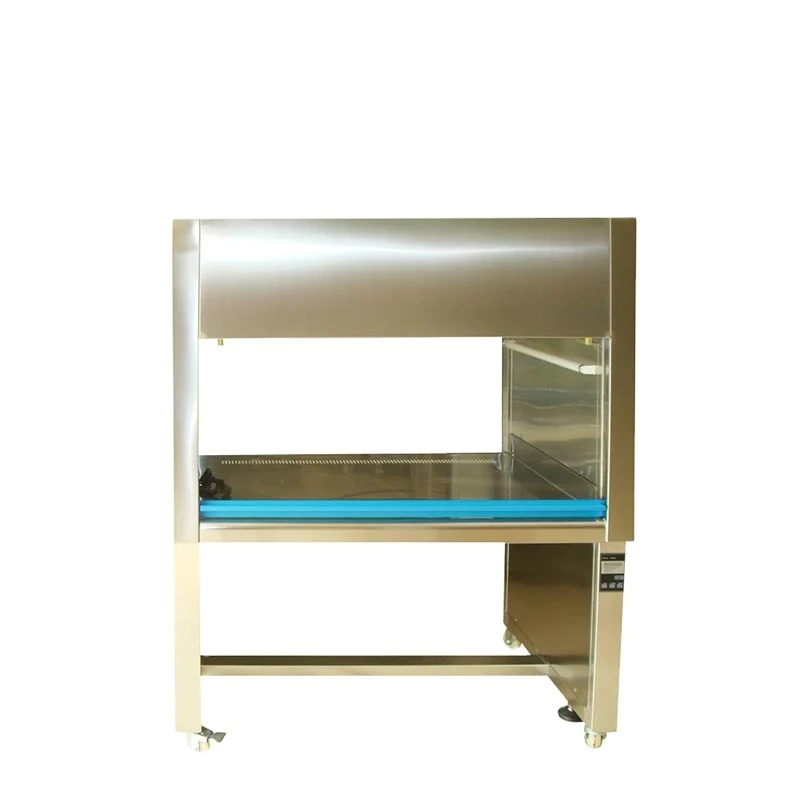
The medical device industry demands clean benches with specialized materials and construction techniques that prevent particle shedding and facilitate thorough cleaning and sterilization procedures. Stainless steel construction with smooth, crevice-free surfaces has become standard in high-performance applications where contamination control is paramount. These workstations must also accommodate various testing equipment and measurement devices required for quality assurance procedures mandated by medical device regulations.
Diagnostic Equipment Assembly
Manufacturers of diagnostic equipment, including blood analyzers, imaging systems, and laboratory instruments, utilize clean benches to assemble sensitive optical and electronic components that could malfunction if contaminated during production. The precision required in these manufacturing processes demands clean benches with exceptional stability, vibration control, and electrostatic discharge protection to prevent damage to sensitive electronic components.
These specialized clean benches often feature integrated grounding systems, ionization capabilities, and specialized lighting designed to support detailed assembly work while maintaining the required cleanliness levels. The ability to perform complex assembly tasks in a controlled environment significantly reduces warranty claims and field failures associated with contamination-related defects in sensitive diagnostic equipment.
Semiconductor and Electronics Manufacturing
Microprocessor Fabrication
The semiconductor industry operates some of the most demanding clean manufacturing environments in the world, where even single particles measured in nanometers can cause catastrophic failures in microprocessors and memory devices. Clean benches in semiconductor fabrication facilities must achieve extraordinary levels of cleanliness, often exceeding ISO Class 1 standards with particle counts measured in parts per million rather than parts per cubic foot.
Advanced semiconductor clean benches incorporate multiple stages of filtration, including molecular filtration systems that remove chemical contaminants in addition to particulate matter. These workstations must also provide precise control over temperature, humidity, and airflow patterns to support the photolithography and etching processes essential for creating modern integrated circuits. The economic impact of contamination in semiconductor manufacturing can reach millions of dollars per incident, making investment in high-performance clean benches a critical business decision.
Circuit Board Assembly Operations
Electronics manufacturers producing printed circuit boards and electronic assemblies require clean benches to protect sensitive components during soldering, testing, and packaging operations. Contamination during these processes can cause intermittent failures, reduced reliability, and field returns that damage brand reputation and increase warranty costs. Clean benches designed for electronics assembly typically feature specialized ventilation systems that remove flux vapors and other chemical contaminants while maintaining the required particulate cleanliness levels.
Modern electronics clean benches often incorporate features such as programmable airflow controls, integrated fume extraction systems, and specialized work surfaces designed to support various assembly processes. The ability to maintain consistent environmental conditions during critical assembly steps significantly improves first-pass yield rates and reduces the need for costly rework procedures that can impact production schedules and profitability.
Food and Beverage Processing
Nutritional Supplement Manufacturing
The nutritional supplement industry requires clean benches to ensure product purity and prevent cross-contamination between different formulations during encapsulation, tablet pressing, and packaging operations. Clean benches in these facilities must meet FDA Good Manufacturing Practice requirements while supporting high-volume production processes that demand reliability and efficiency.
Food-grade clean benches typically feature specialized materials and coatings that resist corrosion from cleaning chemicals and maintain their cleanliness properties over extended periods of use. These workstations must also accommodate various processing equipment and provide adequate workspace for manual operations while maintaining the required environmental controls to prevent contamination of sensitive nutritional ingredients.
Beverage Quality Control
Beverage manufacturers utilize clean benches in quality control laboratories where microbiological testing and chemical analysis are performed to ensure product safety and consistency. These applications require clean benches with specialized features such as integrated sample preparation areas, controlled lighting for accurate color assessment, and ventilation systems designed to handle various testing chemicals and reagents.
The beverage industry's clean benches must support rapid testing procedures that enable quick decision-making in high-volume production environments. Advanced models incorporate automated monitoring systems that track environmental conditions and provide documentation required for regulatory compliance and quality assurance procedures. The ability to perform reliable testing in a controlled environment helps manufacturers maintain product quality while minimizing production delays associated with contamination concerns.
Research and Academic Institutions
University Research Laboratories
Academic research institutions across multiple disciplines require clean benches to support various research activities including materials science, chemistry, biology, and environmental studies. These facilities often have diverse requirements that demand flexible clean bench solutions capable of supporting different research methodologies and experimental procedures while maintaining appropriate contamination control levels.
University clean benches must accommodate frequent reconfiguration to support changing research needs and provide reliable performance despite intensive use by students and researchers with varying levels of experience. Educational institutions often require clean benches with enhanced safety features and user-friendly controls that facilitate proper operation while providing the hands-on learning opportunities essential for training future scientists and engineers.
Government Research Facilities
Government research laboratories, including those operated by agencies such as NASA, NIH, and various defense organizations, utilize high-performance clean benches to support critical research programs ranging from space exploration to national security applications. These facilities often have unique requirements that demand custom solutions capable of meeting specialized security, safety, and performance criteria.
Government clean benches frequently incorporate advanced monitoring and documentation systems that provide detailed records of environmental conditions and usage patterns required for regulatory compliance and security protocols. The reliability and performance of these workstations can directly impact national interests, making the selection of appropriate clean bench technology a matter of significant importance for government agencies and their research contractors.
Aerospace and Defense Manufacturing
Satellite Component Assembly
Aerospace manufacturers producing satellites and spacecraft components require clean benches that meet stringent cleanliness requirements to prevent contamination that could cause mission failures costing hundreds of millions of dollars. These applications demand clean benches with exceptional reliability, precise environmental control, and specialized features designed to support the assembly of sensitive optical, electronic, and mechanical systems used in space applications.
Aerospace clean benches often incorporate features such as specialized vibration isolation systems, electrostatic discharge protection, and materials selection criteria that prevent outgassing in vacuum environments. The ability to perform critical assembly operations in a controlled environment significantly reduces the risk of contamination-related failures that could jeopardize entire space missions and damage organizational reputation in the competitive aerospace market.
Defense Electronics Production
Defense contractors manufacturing electronic systems for military applications require clean benches that support the production of reliable, high-performance equipment capable of operating in demanding environments. These applications often involve specialized materials and processes that demand exceptional contamination control to ensure the reliability and security of critical defense systems.
Military-grade clean benches typically feature enhanced security features, specialized materials that meet defense specifications, and documentation systems that support rigorous quality assurance procedures required for defense contracts. The performance and reliability of these workstations can directly impact national security interests, making the selection and maintenance of appropriate clean bench technology a critical consideration for defense manufacturers and their supply chain partners.
FAQ
What are the key differences between clean benches used in pharmaceutical versus electronics manufacturing
Pharmaceutical clean benches prioritize biological contamination control and typically feature materials and designs that facilitate thorough cleaning and sterilization procedures required by FDA regulations. Electronics manufacturing clean benches focus more on particle control, electrostatic discharge prevention, and may include molecular filtration systems to remove chemical contaminants that could affect sensitive electronic components. The cleanliness levels required in electronics manufacturing are often more stringent in terms of particle size and count.
How do I determine the appropriate clean bench classification for my specific industry requirements
The appropriate clean bench classification depends on your industry's regulatory requirements, the sensitivity of your processes to contamination, and the specific types of contaminants you need to control. Consult with clean bench manufacturers who specialize in your industry and review relevant standards such as ISO 14644 for cleanrooms and FDA guidelines for pharmaceutical applications. Consider factors such as required particle size removal, airflow patterns, materials of construction, and any specialized features needed for your specific processes.
What maintenance requirements should I expect for high-performance clean benches
High-performance clean benches require regular filter replacement, typically every 6-12 months depending on usage and environmental conditions. Weekly cleaning of work surfaces and monthly verification of airflow patterns and particle counts are standard maintenance procedures. Annual certification by qualified technicians is often required to maintain warranty coverage and regulatory compliance. Additional maintenance may include calibration of monitoring systems, replacement of UV lamps if equipped, and periodic inspection of seals and gaskets.
Can clean benches be customized for specific industry applications or unique process requirements
Yes, most manufacturers offer customization options including specialized work surfaces, integrated equipment mounting systems, custom dimensions, enhanced filtration systems, and industry-specific features such as explosion-proof construction or specialized materials. Customization options may include integrated fume extraction systems, specialized lighting, temperature and humidity control systems, and documentation systems for regulatory compliance. Work with manufacturers who have experience in your specific industry to ensure optimal performance and compliance with relevant standards.
Table of Contents
- Pharmaceutical and Biotechnology Manufacturing
- Medical Device Manufacturing Industry
- Semiconductor and Electronics Manufacturing
- Food and Beverage Processing
- Research and Academic Institutions
- Aerospace and Defense Manufacturing
-
FAQ
- What are the key differences between clean benches used in pharmaceutical versus electronics manufacturing
- How do I determine the appropriate clean bench classification for my specific industry requirements
- What maintenance requirements should I expect for high-performance clean benches
- Can clean benches be customized for specific industry applications or unique process requirements