Conditioned Air Systems: Complete Guide to Advanced Climate Control Solutions

All Categories

Get a Free Quote

Our representative will contact you soon.
Email
Name
Company Name
Attachment
Please upload at least an attachment
Up to 3 files,more 30mb,suppor jpg、jpeg、png、pdf、doc、docx、xls、xlsx、csv、txt
Message
0/1000

Get a Free Quote

Our representative will contact you soon.
Email
Name
Company Name
Attachment
Please upload at least an attachment
Up to 3 files,more 30mb,suppor jpg、jpeg、png、pdf、doc、docx、xls、xlsx、csv、txt
Message
0/1000

conditioned air systems

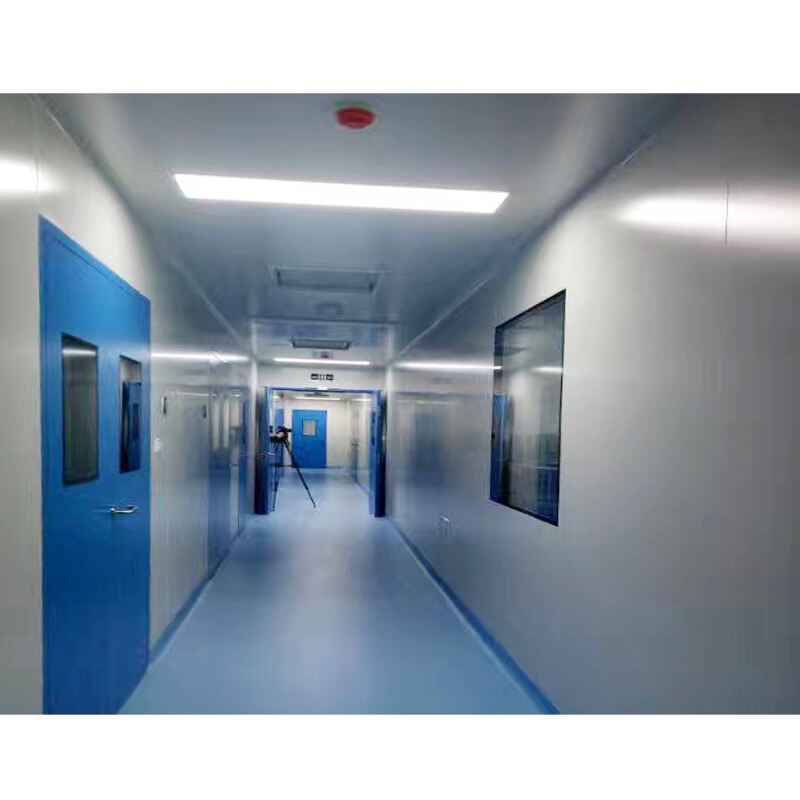
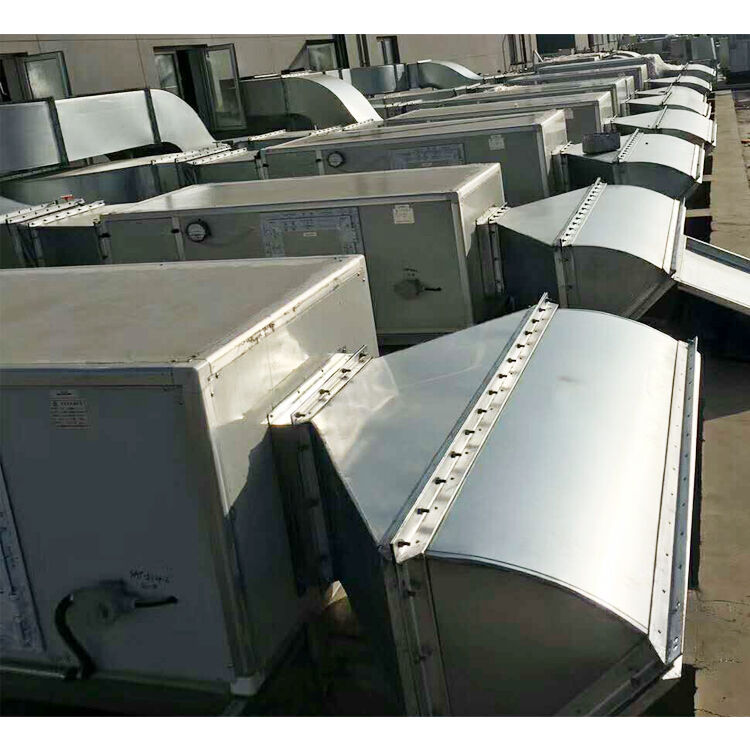
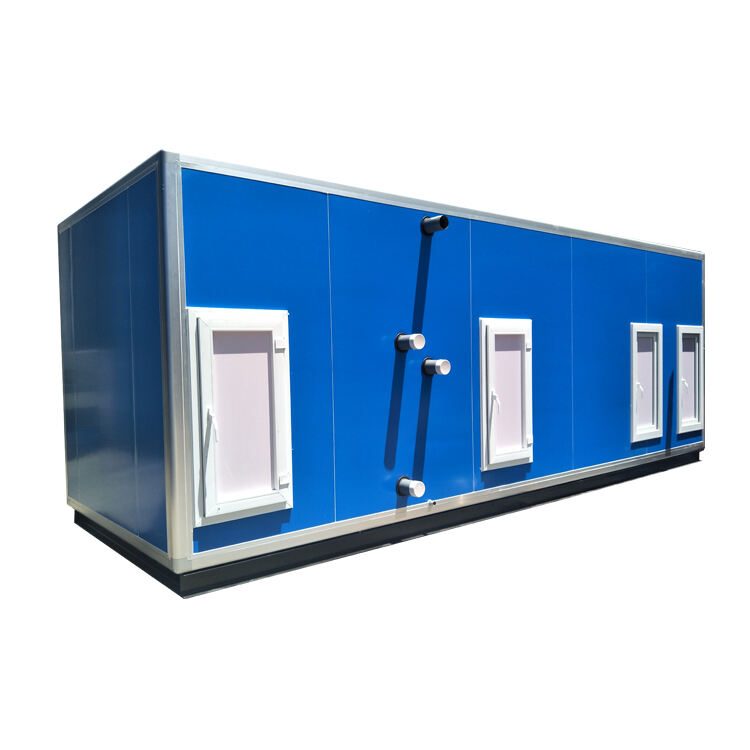
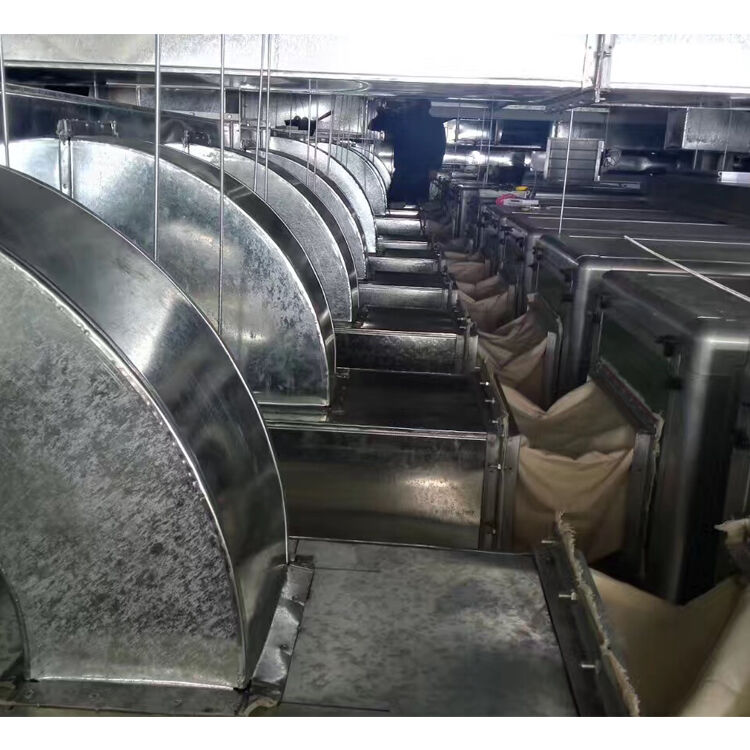
Conditioned air systems represent a sophisticated approach to managing indoor environmental quality through precise control of temperature, humidity, air purity, and circulation. These advanced climate control solutions go far beyond simple heating or cooling, offering comprehensive air management that creates optimal conditions for human comfort, equipment protection, and process efficiency. At their core, conditioned air systems integrate multiple technologies including filtration, dehumidification, humidification, heating, cooling, and ventilation into a unified platform that continuously monitors and adjusts indoor air parameters. The main functions encompass temperature regulation to maintain consistent thermal comfort regardless of external weather conditions, humidity control to prevent moisture-related issues such as mold growth or static electricity buildup, air purification through multi-stage filtration that removes particulates, allergens, and contaminants, and strategic air distribution that ensures uniform conditions throughout occupied spaces. Technological features include variable speed compressors that adjust capacity to match real-time demand, smart sensors that detect occupancy and air quality parameters, programmable controllers that learn usage patterns and optimize performance automatically, energy recovery ventilators that capture thermal energy from exhaust air, and integration capabilities with building management systems for centralized monitoring. Applications span diverse sectors including commercial office buildings where worker productivity depends on comfortable conditions, healthcare facilities requiring sterile environments and precise humidity levels, manufacturing plants where process consistency demands strict environmental controls, data centers needing reliable cooling to protect sensitive electronics, retail spaces seeking to enhance customer experience, educational institutions prioritizing student concentration and health, hospitality venues maintaining guest satisfaction, and residential properties where homeowners desire premium comfort and air quality. Modern conditioned air systems employ advanced refrigeration cycles, sophisticated control algorithms, and durable components engineered for longevity and reliability, making them indispensable infrastructure for contemporary buildings.

New Product Releases

Choosing conditioned air systems delivers substantial practical benefits that directly impact your daily experience, operational costs, and property value. First and foremost, these systems create remarkably comfortable environments by maintaining stable temperatures throughout all seasons, eliminating hot and cold spots that plague conventional systems, and ensuring every room feels just right whether summer heat beats down or winter cold arrives. Your energy bills decrease significantly because modern conditioned air systems operate with impressive efficiency, using only the power needed for current conditions rather than running at full capacity constantly, which translates to hundreds or even thousands of dollars saved annually depending on building size. Health improvements emerge as a major advantage since advanced filtration removes airborne particles including dust, pollen, pet dander, mold spores, and bacteria, creating cleaner breathing environments that reduce allergy symptoms, asthma triggers, and illness transmission, particularly valuable for families with young children, elderly members, or anyone with respiratory sensitivities. Equipment and furnishings last longer under controlled conditions because consistent humidity prevents wood warping, leather cracking, electronics corroding, and fabrics deteriorating, protecting your investments in furniture, computers, musical instruments, artwork, and other valuable items sensitive to environmental fluctuations. Productivity increases in workplaces equipped with conditioned air systems as studies consistently show employees perform better, think more clearly, and experience fewer sick days when working in properly conditioned spaces with fresh, clean air and comfortable temperatures. Property values rise because buyers and tenants recognize superior air conditioning as a premium feature worth paying more to secure, making buildings with advanced conditioned air systems more marketable and commanding higher sale prices or rental rates. Noise levels drop compared to older systems since newer conditioned air systems incorporate sound-dampening technologies and smoother operation that eliminates the rattling, buzzing, and cycling noises that disturb sleep, concentration, and conversations. Flexibility allows customization of different zones within your building, letting you set varied temperatures for different areas based on usage patterns, sun exposure, or personal preferences without wasting energy conditioning unused spaces. Environmental responsibility becomes easier as efficient conditioned air systems reduce carbon footprints by consuming less electricity, and many models use eco-friendly refrigerants with lower global warming potential, helping you meet sustainability goals while enjoying superior comfort. Smart features provide convenient control through mobile apps, voice commands, and automated schedules that adjust settings based on occupancy, time of day, and weather forecasts, putting total environmental management at your fingertips and ensuring optimal conditions without constant manual adjustments.

Tips And Tricks

What Are the Key Components of an Effective Clean Air System

21

Oct

What Are the Key Components of an Effective Clean Air System

Understanding Modern Clean Air Technologies and Their Impact A well-designed clean air system serves as the foundation for maintaining optimal indoor air quality in both residential and commercial spaces. As we spend approximately 90% of our time ind...
View More
What Certifications Are Required for Clean Air Systems

02

Dec

What Certifications Are Required for Clean Air Systems

Modern industrial facilities and critical environments rely heavily on properly certified clean air systems to maintain air quality standards and regulatory compliance. These sophisticated systems ensure contaminant-free environments essential for ma...
View More
Clean Room Applications Across Electronics, Medical, and Precision Manufacturing

30

Jan

Clean Room Applications Across Electronics, Medical, and Precision Manufacturing

Modern manufacturing and healthcare facilities rely heavily on controlled environments to ensure product quality, safety, and regulatory compliance. A clean room represents a specialized environment where airborne particles, contaminants, and environ...
View More
How Cleanroom Layout Planning Influences Workflow and Risk Management

30

Jan

How Cleanroom Layout Planning Influences Workflow and Risk Management

In the highly regulated world of pharmaceutical manufacturing, semiconductor production, and biotechnology research, cleanroom layout planning serves as the foundation for operational excellence and regulatory compliance. The strategic arrangement of...
View More

Get a Free Quote

Our representative will contact you soon.
Email
Name
Company Name
Attachment
Please upload at least an attachment
Up to 3 files,more 30mb,suppor jpg、jpeg、png、pdf、doc、docx、xls、xlsx、csv、txt
Message
0/1000

conditioned air systems

Intelligent Climate Control That Adapts to Your Needs

Intelligent Climate Control That Adapts to Your Needs

The intelligence built into modern conditioned air systems revolutionizes how buildings maintain comfortable environments by continuously learning, adapting, and optimizing performance without requiring constant human intervention. Unlike traditional systems that simply turn on and off based on basic thermostat readings, intelligent conditioned air systems employ sophisticated sensors distributed throughout your space that monitor not just temperature but also humidity levels, carbon dioxide concentrations, occupancy patterns, outdoor weather conditions, and even air quality indicators like volatile organic compounds and particulate matter. This comprehensive data collection feeds into advanced algorithms that predict heating and cooling needs before discomfort occurs, adjusting system operation proactively rather than reactively. The adaptive capabilities mean your conditioned air systems recognize daily patterns such as morning warm-up periods, mid-day occupancy peaks, and evening shutdowns, automatically shifting operation to match these rhythms and avoiding energy waste during unoccupied hours while ensuring spaces reach ideal conditions precisely when needed. Machine learning components analyze weeks and months of operational data to identify optimization opportunities, gradually refining performance to achieve perfect balance between comfort and efficiency specific to your building's unique characteristics, usage patterns, and local climate conditions. Zoning capabilities allow independent control of different building areas, recognizing that south-facing rooms require different treatment than north-facing spaces, conference rooms need different settings than private offices, and rarely used areas should receive minimal conditioning, all managed automatically by the intelligent system that directs conditioned air exactly where needed at appropriate levels. Integration with weather forecasting services enables predictive adjustments, ramping up cooling capacity ahead of approaching heat waves or reducing heating output when unseasonably warm days arrive, maintaining comfort while avoiding the energy spikes that occur when systems react to conditions only after they impact indoor temperatures. Remote access through smartphone applications puts complete control in your hands regardless of location, allowing you to check current conditions, adjust settings, receive maintenance alerts, and monitor energy consumption from anywhere, ensuring your conditioned air systems always operate according to your preferences even when you are away from the property. The intelligence extends to maintenance optimization as well, with built-in diagnostics that monitor component performance, predict potential failures before they occur, and alert you to schedule service at convenient times rather than experiencing unexpected breakdowns during extreme weather when you need conditioning most desperately and service providers face overwhelming demand.
Superior Air Quality That Protects Health and Wellness

Superior Air Quality That Protects Health and Wellness

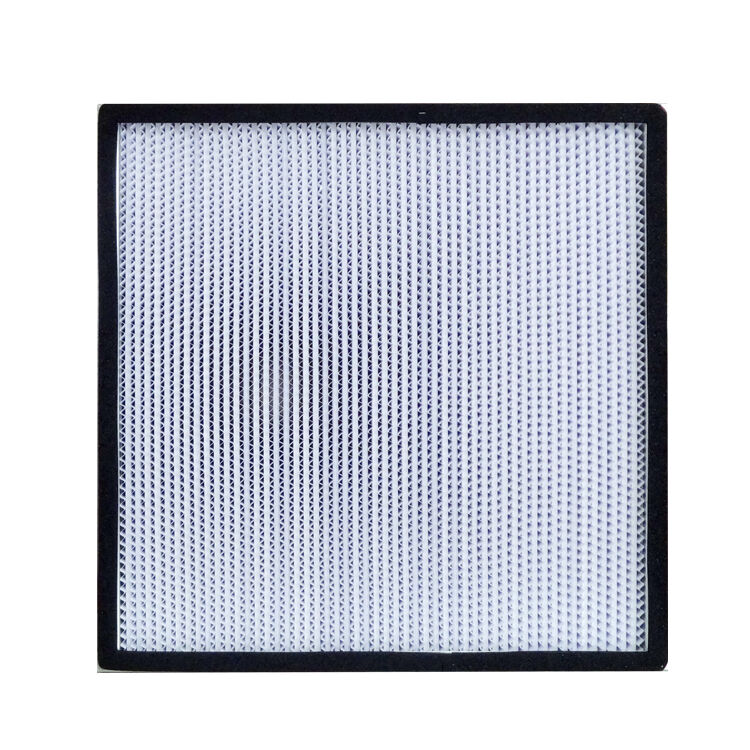
The air quality improvements delivered by advanced conditioned air systems extend far beyond simple temperature control, addressing the invisible but critical factors that determine whether indoor environments support or undermine human health and wellbeing. Multi-stage filtration systems form the foundation of superior air quality, beginning with pre-filters that capture large particles like dust and lint, progressing through increasingly fine filters rated to remove microscopic allergens including pollen grains, mold spores, pet dander, and dust mite debris, and culminating in optional HEPA filters capable of trapping bacteria and virus particles, creating hospital-grade air cleanliness in your home or workplace. Beyond mechanical filtration, many conditioned air systems incorporate additional purification technologies such as ultraviolet lights that neutralize biological contaminants, activated carbon filters that adsorb odors and chemical fumes, and ionization systems that electrically charge particles for more effective capture, working together to eliminate the widest possible range of air quality threats. Humidity management plays an equally crucial role in maintaining healthy air since excessive moisture encourages mold growth, dust mite proliferation, and feelings of stuffiness while insufficient humidity causes dry skin, irritated respiratory passages, static electricity shocks, and accelerated transmission of airborne viruses, but conditioned air systems maintain humidity in the optimal range between forty and sixty percent where these problems disappear and comfort peaks. Ventilation components ensure continuous introduction of fresh outdoor air to dilute accumulated carbon dioxide from breathing, volatile organic compounds off-gassing from furnishings and building materials, cooking odors, cleaning product residues, and other indoor pollutants that build up in tightly sealed modern buildings, with energy recovery features capturing thermal energy from exhaust air to precondition incoming fresh air without wasting heating or cooling energy. The health benefits manifest in reduced allergy and asthma symptoms as cleaner air contains fewer triggers, decreased respiratory infections as pathogens get filtered or neutralized before reaching occupants, improved sleep quality as comfortable temperature and humidity levels promote deeper rest, enhanced cognitive function as adequate fresh air prevents the drowsiness and concentration difficulties associated with elevated carbon dioxide, and overall wellness improvements that come from spending time in environments that support rather than challenge biological systems. For vulnerable populations including infants, elderly individuals, pregnant women, and those with compromised immune systems or chronic respiratory conditions, the superior air quality provided by conditioned air systems can dramatically improve daily comfort and reduce serious health risks, making these systems not merely conveniences but essential infrastructure for protecting those who need it most.
Long-Term Value Through Efficiency and Durability

Long-Term Value Through Efficiency and Durability

Investing in quality conditioned air systems delivers exceptional long-term value that extends decades beyond installation, combining operational efficiency that reduces ongoing costs with robust construction that minimizes maintenance requirements and replacement frequency. Energy efficiency stands as the most immediately apparent source of value, with modern conditioned air systems achieving seasonal energy efficiency ratios and heating seasonal performance factors double or triple those of systems installed just fifteen years ago, meaning you condition the same space to the same comfort level while consuming half or even one-third the electricity, savings that compound month after month and year after year to offset initial investment costs and eventually deliver net positive returns. Variable capacity operation contributes substantially to these efficiency gains by allowing systems to modulate output anywhere from twenty percent to one hundred percent capacity rather than simply cycling on at full power and off completely, matching output precisely to current demand and avoiding the energy waste inherent in overshooting target temperatures then waiting for conditions to drift back before starting another full-power cycle. Component quality ensures reliable operation across decades of service, with conditioned air systems built using corrosion-resistant materials, precision-manufactured compressors designed for hundreds of thousands of operating hours, electronic controls protected against voltage fluctuations and environmental stresses, and robust housings that withstand physical impacts and weather exposure without degradation. Preventive maintenance requirements remain minimal compared to older technology, with many modern conditioned air systems needing only annual professional service calls plus simple homeowner tasks like filter changes every few months, and diagnostic capabilities that identify developing issues early when repairs cost less and prevent cascade failures that destroy multiple components simultaneously. Warranty coverage typically extends five to ten years on major components with some manufacturers offering even longer protection, demonstrating confidence in system longevity and providing financial security against unexpected repair costs during crucial early ownership years. Compatibility with future technologies ensures your investment remains relevant as innovations emerge, with communication protocols that support integration of advanced sensors, controls, and building automation systems, and modular designs that allow component upgrades without complete system replacement when you want to add capabilities or improve performance. Resale value protection comes from the recognition among home buyers and commercial property investors that quality conditioned air systems represent desirable infrastructure worth paying premium prices to acquire, often returning significant portions of installation costs when properties change hands and sometimes appreciating in value if systems remain current and well-maintained. Environmental durability means properly installed conditioned air systems withstand harsh conditions including temperature extremes, humidity variations, salt air in coastal locations, and dust in arid climates without performance degradation, maintaining rated efficiency and capacity throughout service lives that easily span twenty to thirty years for residential applications and fifteen to twenty-five years in demanding commercial environments. The combination of low operating costs, minimal maintenance requirements, extended service life, and strong resale value makes conditioned air systems among the most financially sound investments property owners can make, delivering returns that exceed many other building improvements while providing daily comfort and health benefits that enhance quality of life throughout the ownership period.

Get a Free Quote

Our representative will contact you soon.
Email
Name
Company Name
Attachment
Please upload at least an attachment
Up to 3 files,more 30mb,suppor jpg、jpeg、png、pdf、doc、docx、xls、xlsx、csv、txt
Message
0/1000

Get a Free Quote

Our representative will contact you soon.
Email
Name
Company Name
Attachment
Please upload at least an attachment
Up to 3 files,more 30mb,suppor jpg、jpeg、png、pdf、doc、docx、xls、xlsx、csv、txt
Message
0/1000