Effective Barrier Against Contaminants and Pests
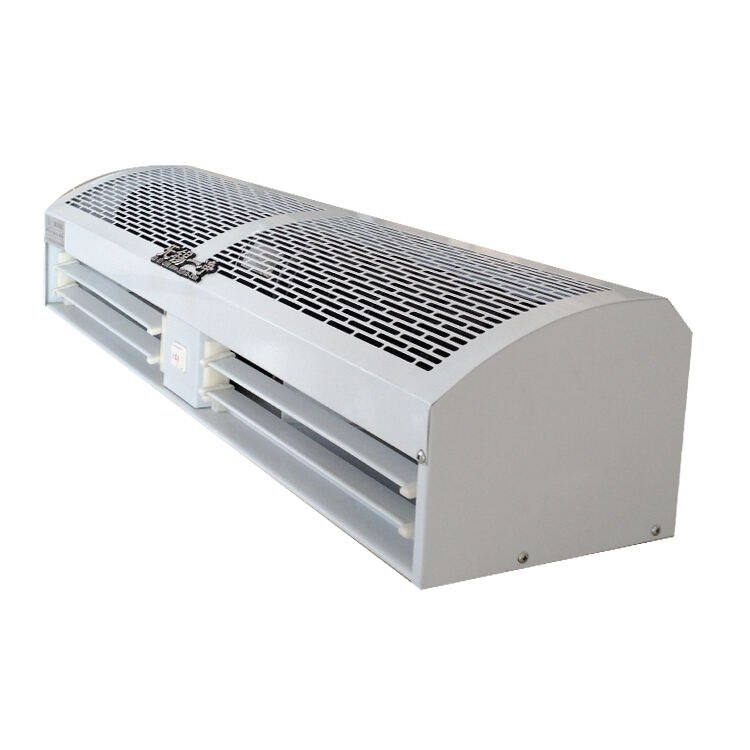
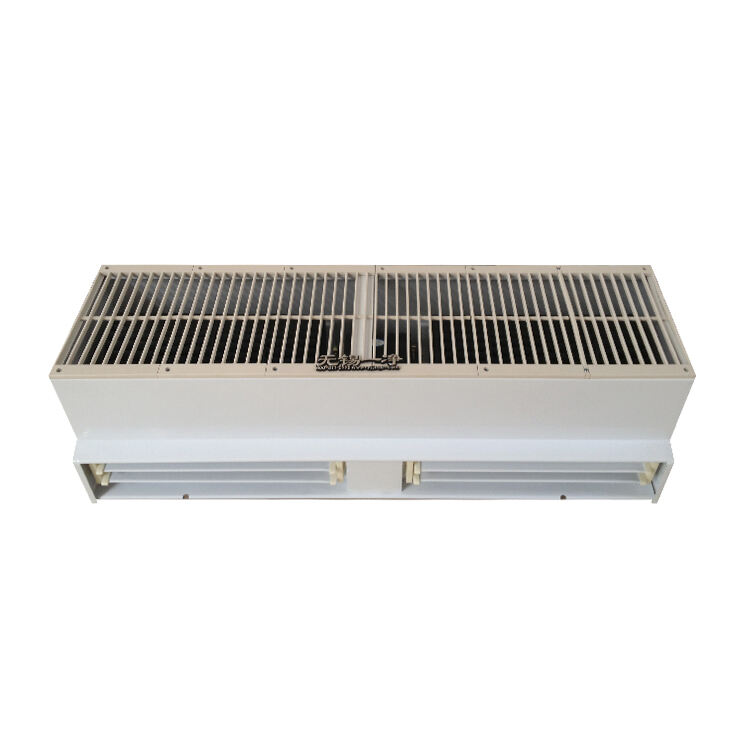
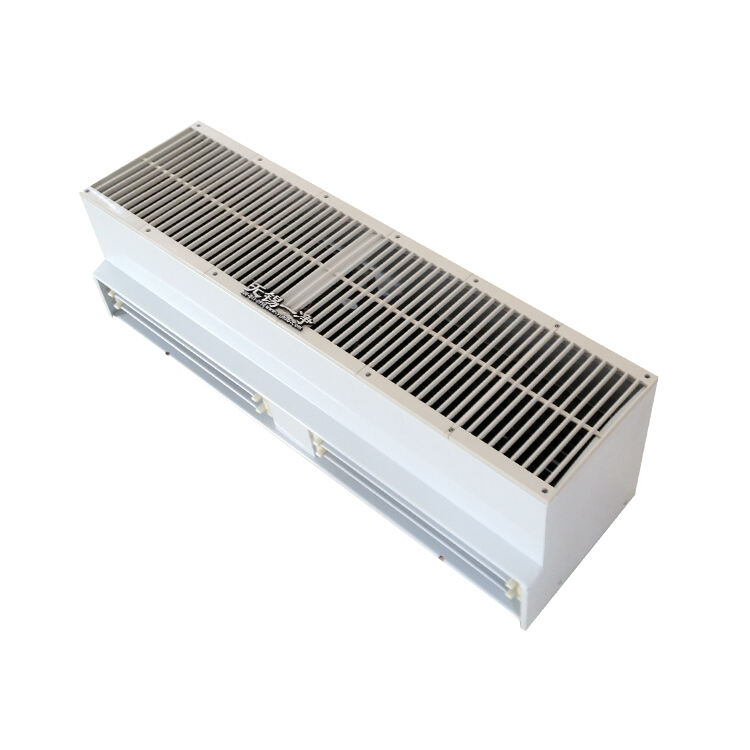
Protection from external contaminants represents a critical function that makes air curtains indispensable for facilities prioritizing cleanliness, hygiene, and product quality. The high-velocity air stream generated by an air curtain creates a formidable barrier that prevents the entry of flying insects, dust particles, vehicle exhaust fumes, pollen, and other airborne pollutants that would otherwise infiltrate indoor spaces through open doorways. This protective capability proves especially valuable for food service establishments, grocery stores, food processing facilities, pharmaceutical manufacturing plants, hospitals, and any environment where contamination control directly impacts health, safety, or regulatory compliance. Flying insects pose persistent challenges for businesses, particularly those in the food industry where a single pest sighting can damage reputation and trigger health code violations. Traditional solutions like chemical treatments, sticky traps, or screen doors provide incomplete protection or create operational obstacles. An air curtain offers a superior alternative by establishing a continuous air barrier that insects cannot penetrate, effectively keeping flies, mosquitoes, and other pests outside where they belong. The system operates silently and invisibly, requiring no chemicals, producing no odors, and allowing unrestricted passage for people and equipment. Dust and particulate matter present another contamination concern that air curtains address effectively. Facilities located near construction sites, unpaved areas, or high-traffic roads constantly battle dust infiltration that settles on merchandise, equipment, and surfaces, creating cleaning challenges and potentially damaging sensitive products or machinery. The air curtain blocks these particles at the threshold, maintaining cleaner indoor environments and reducing the labor and costs associated with constant cleaning. Manufacturing facilities benefit particularly from this dust protection, as airborne particles can compromise product quality, interfere with precision processes, or create safety hazards in certain industrial applications. Odor control emerges as another advantage of air curtain installation, especially for facilities where unpleasant external smells would otherwise drift indoors. Restaurants located near waste collection areas, facilities adjacent to industrial operations, or buildings in urban environments with vehicle exhaust concerns all benefit from the air curtain's ability to block odors while maintaining open access. This odor barrier works bidirectionally, also preventing internal smells from escaping and disturbing neighboring properties, which proves valuable for food processing plants, commercial kitchens, and manufacturing operations that generate distinctive odors during production processes.

 EN
EN