
 EN
EN

In the highly regulated world of pharmaceutical manufacturing, semiconductor production, and biotechnology research, cleanroom layout planning serves as the foundation for operational excellence and regulatory compliance. The strategic arrangement of equipment, personnel flow paths, and contamination control systems directly impacts productivity, safety outcomes, and the ability to maintain stringent environmental standards. Organizations that prioritize comprehensive cleanroom layout planning experience significantly reduced contamination incidents, improved workflow efficiency, and enhanced regulatory audit results compared to facilities with suboptimal spatial configurations.
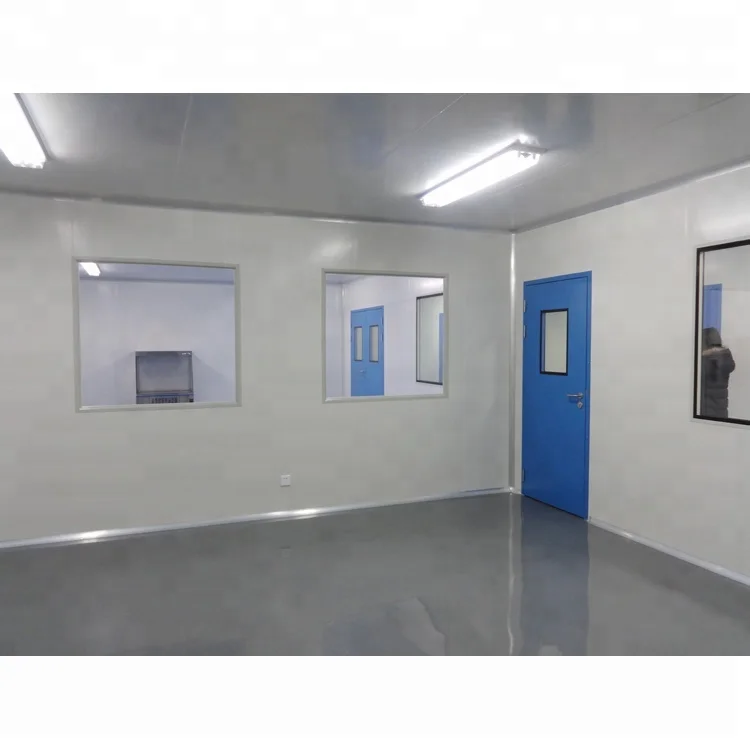
The complexity of modern cleanroom environments demands meticulous attention to spatial relationships, airflow patterns, and material handling processes. Effective cleanroom layout planning integrates multiple engineering disciplines including HVAC design, process engineering, and contamination control to create environments that support both operational objectives and risk mitigation strategies. This comprehensive approach ensures that every square foot of cleanroom space contributes to the overall performance and safety of critical manufacturing or research operations.
Fundamental Principles of Strategic Cleanroom Design
Contamination Control Through Spatial Organization
The primary objective of cleanroom layout planning centers on establishing clear contamination control zones that prevent cross-contamination between different processes or cleanliness classifications. This involves creating physical and procedural barriers that guide personnel and material movement along predetermined pathways. Strategic placement of airlocks, pass-through chambers, and decontamination stations ensures that potential contaminants are intercepted before reaching critical production areas.
Effective contamination control through spatial organization requires careful consideration of pressure differentials, airflow patterns, and the positioning of high-risk activities relative to sensitive processes. Cleanroom layout planning must account for the specific contamination risks associated with each operational area while maintaining efficient workflow patterns that support productivity objectives. This balance between contamination control and operational efficiency represents one of the most challenging aspects of cleanroom design.
Personnel Flow Optimization
Human movement within cleanroom environments represents one of the most significant sources of potential contamination, making personnel flow optimization a critical component of cleanroom layout planning. The design must establish clear pathways that minimize backtracking, reduce crossing patterns between different cleanliness zones, and provide adequate space for proper gowning and degowning procedures. Strategic placement of changing rooms, wash stations, and storage areas supports compliance with contamination control protocols while maintaining operational efficiency.
Personnel flow patterns must also consider emergency egress requirements, maintenance access needs, and the integration of automated systems that may influence human movement patterns. Cleanroom layout planning should incorporate behavioral psychology principles to design intuitive pathways that naturally guide personnel toward compliant behaviors while reducing the likelihood of procedural deviations that could compromise environmental integrity.
Equipment Placement and Process Integration
Critical Equipment Positioning Strategies
The strategic positioning of critical equipment within cleanroom environments requires careful analysis of process requirements, maintenance accessibility, and contamination risk factors. Cleanroom layout planning must balance the need for equipment proximity to support efficient workflows with the requirement for adequate clearances that facilitate cleaning, maintenance, and emergency access. Equipment placement decisions significantly impact both operational efficiency and the ability to maintain environmental control standards.
Large-scale equipment installations require special consideration of utility connections, vibration isolation, and heat generation impacts on HVAC system performance. The cleanroom layout planning process must coordinate with mechanical, electrical, and process engineers to ensure that equipment placement supports both immediate operational needs and long-term facility performance objectives. This includes consideration of future expansion possibilities and the potential for process modifications that may require equipment reconfiguration.
Material Handling and Storage Considerations
Efficient material handling systems represent a cornerstone of effective cleanroom layout planning, requiring careful integration of raw material receipt, work-in-process storage, and finished product handling areas. The design must minimize material travel distances while maintaining strict segregation between different material types and cleanliness classifications. Strategic placement of material storage areas, transfer mechanisms, and quality control stations supports both operational efficiency and contamination control objectives.
Modern cleanroom layout planning increasingly incorporates automated material handling systems that can reduce human intervention while maintaining precise environmental control. These systems require careful integration with facility infrastructure and must be positioned to support both current operational requirements and future scalability needs. The placement of automated systems also influences personnel flow patterns and emergency access requirements, making their integration a critical component of comprehensive facility design.
Airflow Management and Environmental Control
HVAC System Integration with Spatial Design
The integration of HVAC systems with cleanroom layout planning requires sophisticated understanding of airflow dynamics, pressure relationships, and the impact of spatial configurations on environmental control performance. Strategic placement of air supply and exhaust points must work in harmony with equipment placement and personnel flow patterns to maintain uniform air distribution and effective contamination control. This integration represents one of the most technically challenging aspects of cleanroom design.
Effective HVAC integration considers the heat generation characteristics of equipment, the impact of personnel activity on airflow patterns, and the need for specialized ventilation in specific process areas. Cleanroom layout planning must accommodate the physical requirements of air handling equipment while maintaining the spatial relationships necessary for effective environmental control. This includes consideration of ceiling height requirements, utility distribution pathways, and maintenance access for HVAC components.
Pressure Cascade Management
Maintaining appropriate pressure differentials between different cleanroom zones requires careful attention to spatial relationships and the positioning of pressure barriers within the overall layout design. Cleanroom layout planning must establish clear pressure cascade pathways that support the intended airflow patterns while accommodating the operational requirements of personnel and material movement. This involves strategic placement of airlocks, pressure relief systems, and monitoring equipment that supports environmental control objectives.
The design of pressure cascade systems must also consider the dynamic nature of cleanroom operations, including variations in personnel occupancy, equipment operation cycles, and external environmental conditions. Effective cleanroom layout planning incorporates flexible pressure management strategies that can accommodate these operational variations while maintaining consistent environmental control performance throughout all operational scenarios.
Risk Assessment and Mitigation Strategies
Contamination Risk Analysis
Comprehensive contamination risk analysis forms the foundation of effective cleanroom layout planning, requiring systematic evaluation of potential contamination sources, transmission pathways, and vulnerable process areas. This analysis must consider both routine operational risks and potential failure scenarios that could compromise environmental integrity. The spatial arrangement of processes, equipment, and support systems should minimize contamination risks while providing multiple layers of protection against environmental excursions.
Risk analysis in cleanroom layout planning extends beyond traditional contamination concerns to include considerations of process cross-contamination, personnel safety, and the potential for cascade failures that could impact multiple operational areas. The design must incorporate risk mitigation strategies that address both high-probability, low-impact events and low-probability, high-impact scenarios that could have catastrophic consequences for product quality or operational continuity.
Emergency Response and Safety Integration
Emergency response capabilities must be seamlessly integrated into cleanroom layout planning to ensure personnel safety while maintaining environmental control during crisis situations. This requires careful consideration of egress pathways, emergency equipment placement, and the positioning of safety systems that may be required during emergency scenarios. The design must balance the need for rapid emergency response with the requirement to maintain contamination control even under adverse conditions.
Safety integration in cleanroom layout planning includes consideration of fire suppression systems, chemical spill containment, and the potential for equipment failures that could create safety hazards. The spatial arrangement must provide adequate access for emergency responders while minimizing the potential for emergency situations to compromise adjacent operational areas or create secondary contamination events.
Technology Integration and Future Adaptability
Smart Systems and Automation Integration
Modern cleanroom layout planning increasingly incorporates smart building technologies and automation systems that require careful spatial integration to maximize their effectiveness. These systems include environmental monitoring networks, automated material handling equipment, and process control systems that must be positioned to support both current operational requirements and future technological advancement. The physical infrastructure must accommodate the communication networks, power requirements, and maintenance access needs of these sophisticated systems.
The integration of smart systems in cleanroom layout planning also considers the human-machine interface requirements that influence operational efficiency and safety outcomes. Strategic placement of control stations, monitoring displays, and manual override systems ensures that automated systems enhance rather than complicate operational procedures while maintaining the flexibility needed to respond to changing process requirements or emergency situations.
Flexibility and Scalability Considerations
Effective cleanroom layout planning incorporates flexibility and scalability features that allow facilities to adapt to changing operational requirements, regulatory updates, and technological advancements without requiring complete facility reconstruction. This forward-thinking approach involves designing modular systems, providing utility distribution capacity for future expansion, and creating spatial configurations that can accommodate equipment upgrades or process modifications.
Scalability in cleanroom layout planning extends beyond simple space expansion to include considerations of utility capacity, environmental control system capabilities, and the integration of new technologies that may emerge over the facility's operational lifetime. The design must balance the cost implications of over-designing initial capabilities with the potential for future operational limitations that could constrain business growth or technological advancement.
Regulatory Compliance and Validation
Standards Alignment and Documentation
Cleanroom layout planning must align with relevant industry standards and regulatory requirements while providing comprehensive documentation that supports validation and ongoing compliance activities. This includes adherence to ISO cleanliness classifications, FDA guidelines for pharmaceutical manufacturing, and industry-specific standards that govern facility design and operation. The planning process must generate detailed documentation that demonstrates compliance with all applicable requirements.
Documentation requirements for cleanroom layout planning include detailed drawings, specifications, and rationale documents that explain design decisions and their relationship to regulatory compliance objectives. This documentation serves as the foundation for facility qualification activities and provides the reference materials necessary for ongoing compliance monitoring and regulatory inspections throughout the facility's operational life.
Validation and Qualification Planning
The cleanroom layout planning process must consider the requirements for facility qualification and ongoing performance validation to ensure that design decisions support efficient validation activities. This includes providing adequate access for testing equipment, establishing sampling points for environmental monitoring, and creating spatial configurations that facilitate the measurement and documentation of system performance. The design must anticipate validation requirements to avoid costly modifications during commissioning activities.
Validation planning in cleanroom layout design also considers the ongoing monitoring and maintenance requirements that will be necessary throughout the facility's operational life. Strategic placement of monitoring equipment, maintenance access points, and calibration standards ensures that validation activities can be conducted efficiently while minimizing disruption to ongoing operations and maintaining environmental control integrity.
Cost Optimization and Economic Considerations
Construction and Installation Efficiency
Effective cleanroom layout planning considers construction sequencing, installation logistics, and the potential for phased implementation that can optimize construction costs and minimize project timeline risks. Strategic spatial arrangements can reduce construction complexity, minimize utility run lengths, and create opportunities for prefabricated system installation that reduces on-site construction time and costs. These considerations must be balanced against operational performance requirements to achieve optimal total project value.
Construction efficiency in cleanroom layout planning also involves consideration of material handling during construction, temporary environmental control requirements, and the potential for construction activities to impact adjacent operational areas. The design must facilitate efficient construction processes while maintaining the performance characteristics necessary for successful facility operation once construction is complete.
Operational Cost Management
Long-term operational cost management represents a critical consideration in cleanroom layout planning, influencing decisions related to energy efficiency, maintenance accessibility, and the optimization of operational workflows. Strategic design decisions can significantly impact ongoing utility costs, maintenance expenses, and operational labor requirements throughout the facility's service life. These operational considerations must be balanced against initial capital investment requirements to achieve optimal life-cycle cost performance.
Operational cost optimization in cleanroom layout planning includes consideration of energy-efficient equipment placement, maintenance scheduling optimization, and the creation of operational workflows that minimize labor requirements while maintaining compliance with all applicable requirements. The design must support efficient operations while providing the flexibility needed to adapt to changing operational requirements or cost optimization opportunities that may emerge over time.
FAQ
What are the key factors that influence cleanroom layout planning decisions
Key factors influencing cleanroom layout planning include contamination control requirements, personnel and material flow optimization, equipment placement strategies, HVAC system integration, regulatory compliance needs, and operational efficiency objectives. The planning process must balance these sometimes competing requirements to create designs that support both immediate operational needs and long-term performance objectives while maintaining compliance with applicable industry standards and regulations.
How does cleanroom layout planning impact operational costs
Cleanroom layout planning significantly impacts operational costs through its influence on energy consumption, maintenance requirements, labor efficiency, and the potential for operational disruptions. Well-designed layouts minimize utility costs through efficient HVAC system integration, reduce maintenance expenses through strategic equipment placement, and optimize labor productivity through efficient workflow patterns. Poor layout decisions can result in significantly higher ongoing operational costs that far exceed the initial design investment.
What role does technology play in modern cleanroom layout planning
Technology plays an increasingly important role in cleanroom layout planning through the integration of smart building systems, automated material handling, advanced environmental monitoring, and process control systems. These technologies require careful spatial integration to maximize their effectiveness while maintaining the flexibility needed for future technological advancement. Modern cleanroom layout planning must anticipate technology integration requirements while providing the infrastructure necessary to support both current and future system capabilities.
How can cleanroom layout planning support future facility expansion
Cleanroom layout planning supports future expansion through modular design approaches, utility distribution systems with excess capacity, flexible spatial configurations, and integration pathways for new technologies. Effective planning considers potential expansion scenarios during initial design phases, providing the infrastructure and spatial relationships necessary to accommodate growth without requiring complete facility reconstruction. This forward-thinking approach minimizes future expansion costs while maintaining operational continuity during expansion activities.
Table of Contents
- Fundamental Principles of Strategic Cleanroom Design
- Equipment Placement and Process Integration
- Airflow Management and Environmental Control
- Risk Assessment and Mitigation Strategies
- Technology Integration and Future Adaptability
- Regulatory Compliance and Validation
- Cost Optimization and Economic Considerations
- FAQ