
 EN
EN
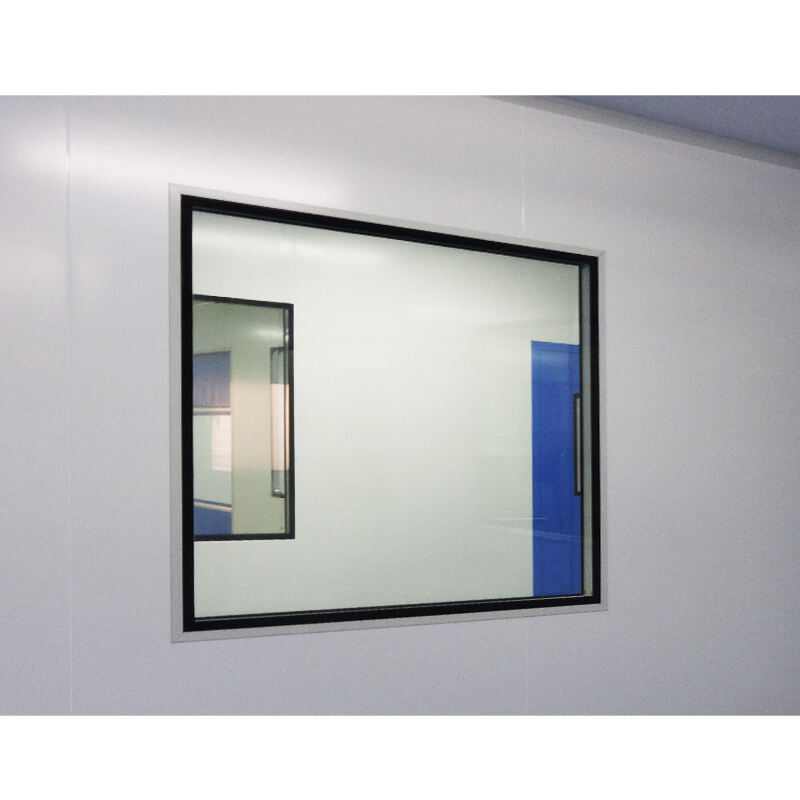
The pharmaceutical industry operates under stringent regulatory requirements where product quality, safety, and efficacy are paramount. Contamination control represents one of the most critical aspects of pharmaceutical manufacturing, making clean air systems an indispensable component of modern production facilities. These sophisticated environmental control systems ensure that manufacturing environments maintain the necessary air quality standards required for producing safe, effective medications that meet global regulatory compliance.
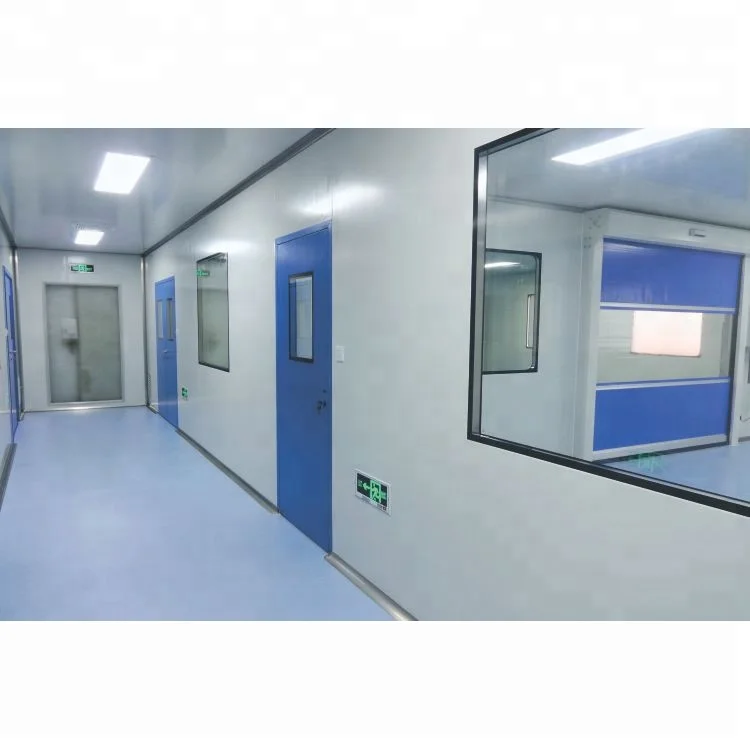
Pharmaceutical manufacturing involves complex processes where even microscopic contaminants can compromise product integrity, patient safety, and regulatory compliance. The implementation of advanced air filtration and environmental control technologies has revolutionized how pharmaceutical companies approach contamination prevention. Understanding the specific applications and benefits of these systems enables pharmaceutical manufacturers to make informed decisions about their facility design and operational protocols.
Primary Manufacturing Applications
Active Pharmaceutical Ingredient Production
Active pharmaceutical ingredient manufacturing requires exceptional environmental control to prevent cross-contamination between different compounds. Clean air systems in API production facilities maintain precise pressure differentials and air change rates that eliminate the risk of airborne contaminants affecting product purity. These systems typically incorporate high-efficiency particulate air filters and laminar airflow patterns to create sterile processing environments.
The production of APIs often involves chemical synthesis processes that generate particulates, vapors, and other airborne contaminants. Advanced air handling systems capture and remove these contaminants before they can settle on equipment surfaces or migrate to adjacent production areas. This containment capability is particularly crucial when manufacturing highly potent compounds where even trace amounts of cross-contamination could pose significant health risks.
Temperature and humidity control within API production areas also depends on sophisticated air management systems. Many chemical reactions and crystallization processes require precise environmental conditions to ensure consistent product quality and yield. Clean air systems integrate environmental monitoring and control capabilities that maintain optimal conditions throughout the manufacturing process.
Sterile Drug Product Manufacturing
Sterile pharmaceutical products, including injectables, ophthalmic preparations, and implantable devices, require aseptic manufacturing conditions that eliminate all viable microorganisms. Environmental control systems for sterile manufacturing incorporate multiple levels of filtration, including terminal HEPA filtration and unidirectional airflow patterns that continuously sweep contaminants away from critical processing areas.
These manufacturing environments typically operate under Grade A or ISO Class 5 conditions, requiring air quality standards that allow no more than 3,520 particles per cubic meter of 0.5 microns or larger. Achieving and maintaining these stringent requirements demands sophisticated air handling systems with redundant filtration stages, continuous monitoring capabilities, and automated alarm systems that alert operators to any deviations from specified parameters.
Aseptic processing areas also require specialized airflow patterns that create positive pressure cascades from the highest cleanliness areas toward adjacent spaces with lower classification requirements. This pressure hierarchy prevents the ingress of contaminants from less controlled environments while maintaining the sterile conditions necessary for product safety and regulatory compliance.
Quality Control and Testing Applications
Analytical Laboratory Environments
Pharmaceutical analytical laboratories require controlled environments to ensure accurate, reproducible test results that support product release decisions and regulatory submissions. Clean air systems in laboratory settings prevent airborne contaminants from interfering with sensitive analytical instruments and test procedures. These systems also protect laboratory personnel from exposure to hazardous substances during routine testing activities.
High-performance liquid chromatography, mass spectrometry, and other analytical techniques used in pharmaceutical testing are highly sensitive to environmental conditions. Airborne particulates can interfere with detector performance, while temperature and humidity fluctuations can affect instrument calibration and measurement accuracy. Environmental control systems maintain stable conditions that ensure consistent analytical performance and data reliability.
Many pharmaceutical laboratories also handle potent compounds that require containment to protect personnel and prevent cross-contamination between samples. Specialized air handling systems with negative pressure capabilities and high-efficiency filtration ensure that hazardous substances remain contained within designated work areas while maintaining the air quality necessary for accurate analytical work.
Microbiology Testing Facilities
Microbiological testing in pharmaceutical facilities requires specialized environmental controls that prevent contamination of test samples while protecting laboratory personnel from exposure to potentially pathogenic microorganisms. These facilities typically incorporate biological safety cabinets, laminar flow workstations, and room-level environmental controls that work together to maintain appropriate containment and cleanliness levels.
Environmental monitoring programs in pharmaceutical facilities rely on controlled air systems to ensure that microbial sampling accurately represents facility conditions rather than being influenced by external contamination sources. These systems maintain consistent airflow patterns and filtration efficiency that enable reliable detection of environmental contaminants that could compromise product quality.
Sterility testing procedures require particularly stringent environmental controls to prevent false positive results that could lead to unnecessary product rejections. Clean air systems supporting sterility testing maintain Grade A air quality conditions around test articles while providing appropriate containment for potentially contaminated materials.
Packaging and Final Processing Operations
Primary Packaging Systems
Primary packaging operations, where pharmaceutical products come into direct contact with packaging materials, require environmental controls that prevent contamination during filling, sealing, and labeling processes. Clean air systems supporting these operations maintain appropriate cleanliness levels while accommodating the mechanical requirements of high-speed packaging equipment.
Liquid filling operations for sterile products typically occur within isolator systems or restricted access barrier systems that provide Grade A air quality conditions around the fill-finish operation. These systems integrate environmental controls with packaging machinery to maintain aseptic conditions while achieving the production rates necessary for commercial manufacturing.
Solid dosage form packaging, while generally requiring less stringent environmental controls than sterile products, still benefits from clean air systems that prevent cross-contamination between different products and protect against environmental contaminants that could affect product appearance or stability.
Secondary Packaging and Labeling
Secondary packaging operations require environmental controls that prevent contamination of finished products while accommodating the materials handling and printing operations necessary for proper product identification and tracking. Clean air systems in these areas typically focus on particulate control and environmental stability rather than sterility maintenance.
Label printing and application processes generate paper dust and adhesive vapors that could contaminate products or interfere with packaging equipment operation. Environmental control systems capture these contaminants while maintaining the temperature and humidity conditions necessary for proper label adhesion and print quality.
Serialization and track-and-trace systems increasingly used in pharmaceutical packaging require stable environmental conditions to ensure reliable barcode printing and reading. Clean air systems support these operations by maintaining appropriate conditions for optical scanning equipment while preventing contamination that could obscure product identification markings.
Regulatory Compliance and Validation
Good Manufacturing Practice Requirements
Regulatory agencies worldwide have established comprehensive guidelines for pharmaceutical manufacturing environments that specify requirements for air quality, environmental monitoring, and contamination control. Clean air systems must demonstrate compliance with these regulations through extensive validation protocols that document system performance under all operating conditions.
Current Good Manufacturing Practice regulations require pharmaceutical manufacturers to establish and maintain appropriate environmental controls for each manufacturing area based on the products being produced and the level of microbial contamination risk. These requirements specify minimum air change rates, filtration efficiency standards, and environmental monitoring frequencies that must be maintained throughout the product lifecycle.
International harmonization efforts have aligned regulatory requirements across major pharmaceutical markets, enabling manufacturers to design clean air systems that meet global compliance standards. This harmonization has driven the development of standardized approaches to environmental control system design, installation, and operation that facilitate international product registration and manufacturing authorization.
Validation and Qualification Protocols
Environmental control system validation requires comprehensive testing protocols that demonstrate system performance meets specified requirements under all anticipated operating conditions. These protocols typically include installation qualification, operational qualification, and performance qualification phases that systematically verify system capabilities and establish operating parameters.
Installation qualification activities verify that clean air systems are installed according to approved specifications and design documents. This phase includes verification of equipment specifications, utility connections, calibration of monitoring instruments, and documentation of system configuration. Proper installation qualification provides the foundation for subsequent operational testing and ongoing performance monitoring.
Operational and performance qualification testing demonstrates that environmental control systems consistently meet specified air quality parameters under various operating scenarios. These tests typically include filter integrity testing, airflow pattern visualization, particle counting, and environmental recovery studies that verify system performance under normal and worst-case conditions.
Advanced Technologies and Future Applications
Smart Environmental Monitoring Systems
Modern clean air systems increasingly incorporate intelligent monitoring and control technologies that provide real-time assessment of environmental conditions and automatic adjustment of system parameters to maintain optimal performance. These smart systems utilize advanced sensors, data analytics, and machine learning algorithms to predict potential problems and optimize energy consumption while maintaining regulatory compliance.
Wireless sensor networks enable comprehensive environmental monitoring throughout pharmaceutical facilities without the infrastructure requirements of traditional wired systems. These networks provide continuous monitoring of critical parameters including particle counts, temperature, humidity, and pressure differentials while transmitting data to centralized control systems for analysis and trending.
Predictive maintenance capabilities integrated into modern environmental control systems analyze system performance data to identify potential equipment failures before they occur. This proactive approach reduces unplanned downtime, extends equipment life, and ensures consistent environmental performance that supports continuous manufacturing operations.
Energy Efficiency and Sustainability
Pharmaceutical manufacturers are increasingly focused on reducing the environmental impact of their operations while maintaining the strict environmental controls required for product quality and safety. Advanced clean air systems incorporate energy recovery technologies, variable speed drives, and optimized control algorithms that minimize energy consumption without compromising performance.
Heat recovery systems capture thermal energy from exhaust air streams and use this energy to precondition incoming fresh air, significantly reducing the heating and cooling loads on environmental control systems. These technologies can reduce energy consumption by 30-50% compared to conventional systems while maintaining the same level of environmental control.
Demand-controlled ventilation systems adjust air change rates and environmental parameters based on actual facility occupancy and production schedules rather than maintaining maximum conditions continuously. This approach reduces energy consumption during periods of reduced activity while ensuring full environmental protection when needed for production operations.
FAQ
What are the key differences between clean air requirements for sterile versus non-sterile pharmaceutical manufacturing?
Sterile pharmaceutical manufacturing requires much more stringent environmental controls than non-sterile operations. Sterile manufacturing typically requires Grade A or ISO Class 5 air quality with particle counts limited to 3,520 particles per cubic meter of 0.5 microns or larger, along with viable organism limits of less than 1 CFU per cubic meter. Non-sterile manufacturing may operate under Grade D or ISO Class 8 conditions with significantly higher allowable particle counts. Sterile operations also require specialized airflow patterns, redundant filtration systems, and more frequent environmental monitoring to ensure aseptic conditions are maintained throughout the manufacturing process.
How do regulatory requirements influence clean air system design in pharmaceutical facilities?
Regulatory requirements fundamentally shape every aspect of clean air system design in pharmaceutical facilities. Agencies like the FDA, EMA, and other international authorities specify minimum standards for air change rates, filtration efficiency, pressure differentials, and environmental monitoring frequencies based on the type of products being manufactured. These requirements drive system redundancy, monitoring capabilities, and validation protocols that must be implemented to demonstrate compliance. Additionally, regulatory guidelines influence facility layout, equipment selection, and operational procedures to ensure that environmental control systems can consistently meet specified performance criteria throughout their operational lifecycle.
What maintenance and validation activities are required to ensure ongoing compliance of pharmaceutical clean air systems?
Pharmaceutical clean air systems require comprehensive preventive maintenance programs that include regular filter changes, equipment calibration, performance testing, and system validation activities. Routine maintenance typically involves monthly filter integrity testing, quarterly airflow measurements, and annual comprehensive performance qualification testing. Environmental monitoring must be conducted continuously with defined alert and action levels that trigger investigation and corrective actions when exceeded. Additionally, any significant system modifications require revalidation to demonstrate continued compliance with regulatory requirements. Documentation of all maintenance and validation activities is essential for regulatory inspections and ongoing compliance demonstration.
How do modern clean air systems integrate with other pharmaceutical manufacturing technologies?
Modern clean air systems are designed to integrate seamlessly with other pharmaceutical manufacturing technologies including process equipment, building management systems, and quality management platforms. Integration typically occurs through standardized communication protocols that enable real-time data sharing between environmental control systems and manufacturing execution systems. This integration allows for coordinated control of environmental parameters with production activities, automated documentation of environmental conditions during manufacturing, and immediate alerts when environmental deviations could impact product quality. Advanced systems also integrate with energy management platforms to optimize operational efficiency while maintaining required environmental conditions.
Table of Contents
- Primary Manufacturing Applications
- Quality Control and Testing Applications
- Packaging and Final Processing Operations
- Regulatory Compliance and Validation
- Advanced Technologies and Future Applications
-
FAQ
- What are the key differences between clean air requirements for sterile versus non-sterile pharmaceutical manufacturing?
- How do regulatory requirements influence clean air system design in pharmaceutical facilities?
- What maintenance and validation activities are required to ensure ongoing compliance of pharmaceutical clean air systems?
- How do modern clean air systems integrate with other pharmaceutical manufacturing technologies?