Central Air Systems: Complete Guide to Whole-Home Climate Control and Energy Efficiency

All Categories

Get a Free Quote

Our representative will contact you soon.
Email
Name
Company Name
Attachment
Please upload at least an attachment
Up to 3 files,more 30mb,suppor jpg、jpeg、png、pdf、doc、docx、xls、xlsx、csv、txt
Message
0/1000

Get a Free Quote

Our representative will contact you soon.
Email
Name
Company Name
Attachment
Please upload at least an attachment
Up to 3 files,more 30mb,suppor jpg、jpeg、png、pdf、doc、docx、xls、xlsx、csv、txt
Message
0/1000

central air systems

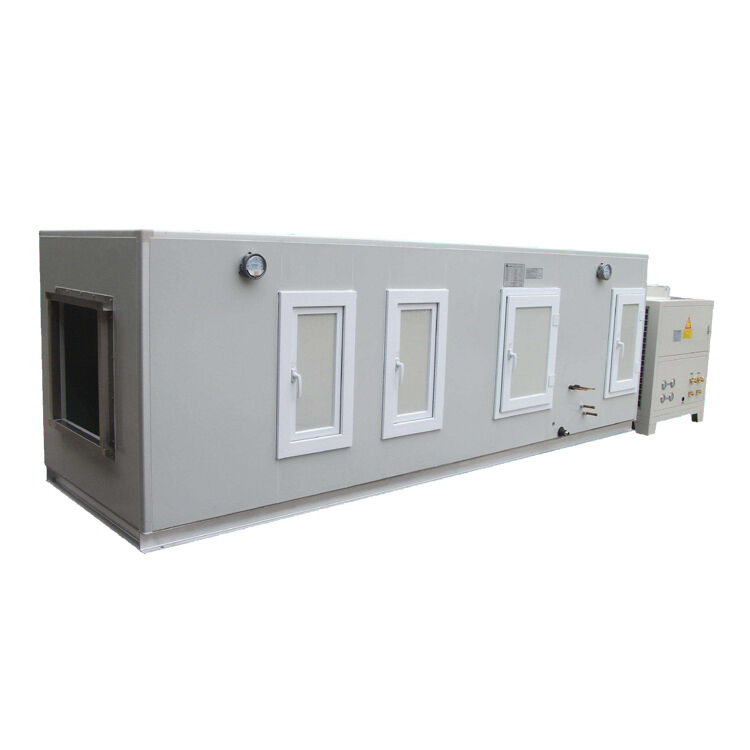
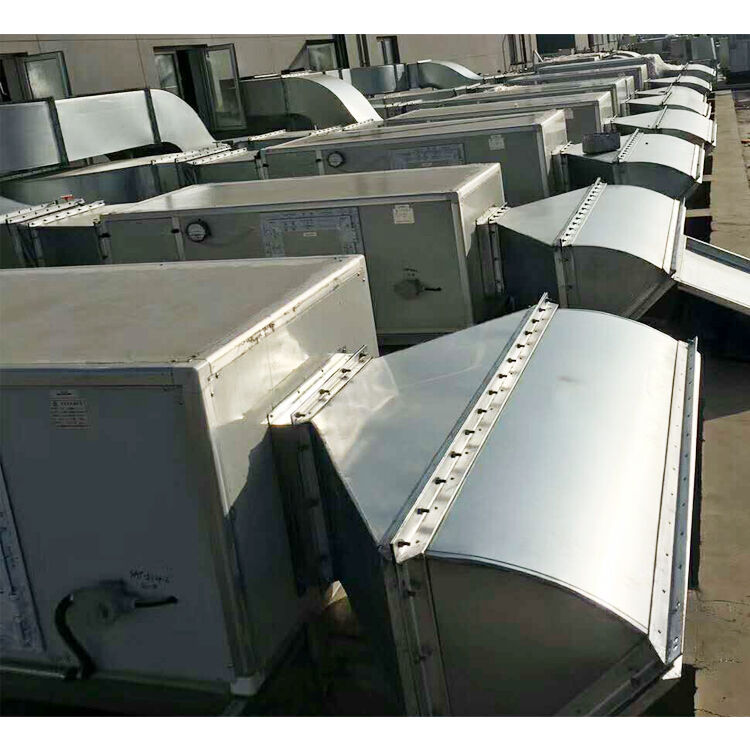
Central air systems represent a comprehensive climate control solution designed to regulate temperature, humidity, and air quality throughout entire buildings or homes from a single centralized unit. These sophisticated systems work by distributing conditioned air through an extensive network of ducts and vents, ensuring consistent comfort in every room. The primary functions of central air systems include cooling during warm months, heating during cold seasons when paired with compatible furnaces or heat pumps, air filtration to remove contaminants, and humidity control to maintain optimal indoor conditions. The technological features that distinguish modern central air systems include variable-speed compressors that adjust cooling output based on demand, smart thermostats with programmable scheduling and remote access capabilities, multi-stage filtration systems that capture microscopic particles, zoning capabilities that allow different temperature settings in various areas, and energy-efficient components that reduce electricity consumption. Central air systems find applications across residential properties ranging from single-family homes to apartment complexes, commercial buildings including offices and retail spaces, industrial facilities requiring precise climate control, educational institutions such as schools and universities, healthcare facilities where air quality is critical, and hospitality venues like hotels and restaurants. The versatility of central air systems makes them suitable for new construction projects where ductwork can be integrated during building phases, as well as retrofit installations in existing structures. These systems have evolved significantly with technological advancements, incorporating inverter technology for smoother operation, eco-friendly refrigerants that minimize environmental impact, and diagnostic features that alert users to maintenance needs before problems escalate. The integration of central air systems with building automation systems enables seamless coordination with other mechanical systems, optimizing overall building performance and occupant comfort while maximizing energy efficiency.

New Product Recommendations

Central air systems deliver remarkable convenience by eliminating the need for multiple window units or portable cooling devices in different rooms. You control the temperature of your entire property from one central location, saving time and simplifying daily operations. These systems operate quietly compared to individual room air conditioners, creating a peaceful indoor environment without the constant hum or rattle that disrupts conversations, sleep, or concentration. The energy efficiency of central air systems translates directly into lower utility bills, as modern units consume significantly less electricity than running several separate cooling units simultaneously. You benefit from consistent temperature distribution throughout your space, avoiding hot spots in some rooms while others remain too cold. Central air systems enhance indoor air quality by continuously filtering air as it circulates, removing dust, pollen, pet dander, and other airborne particles that trigger allergies or respiratory issues. This filtration capability proves especially valuable for families with young children, elderly members, or individuals with health sensitivities. The aesthetic appeal of central air systems cannot be overstated, as they eliminate bulky window units that obstruct views, reduce natural light, and compromise building security. Your property maintains its architectural integrity and curb appeal without visible external equipment cluttering windows or walls. Central air systems add measurable value to your property, making it more attractive to potential buyers or tenants who recognize the comfort and efficiency advantages. The longevity of properly maintained central air systems means you enjoy years of reliable service without frequent replacements, unlike portable units that wear out quickly. Modern central air systems offer smart features that learn your preferences and adjust automatically, creating optimal conditions while you focus on other priorities. You gain flexibility in scheduling temperature changes to match your daily routine, ensuring comfort when you need it and energy savings when you do not. The professional installation of central air systems ensures proper sizing and configuration for your specific space, maximizing performance and preventing the inefficiencies that occur with mismatched equipment. You avoid the seasonal hassle of installing and removing window units, storing them during off-seasons, and dealing with the gaps that allow insects and weather elements to enter your space. Central air systems provide whole-house humidity control, preventing the musty odors and mold growth that threaten health and damage belongings in overly humid environments.

Tips And Tricks

How to Maintain Clean Air Systems to Meet ISO Standards

21

Oct

How to Maintain Clean Air Systems to Meet ISO Standards

Essential Guidelines for Industrial Air Quality Management In today's industrial landscape, maintaining clean air systems has become a critical requirement for operational excellence and regulatory compliance. Modern facilities must adhere to stringe...
View More
What Are the Key Differences Between Single and Double Air Showers

05

Nov

What Are the Key Differences Between Single and Double Air Showers

Understanding Air Shower Technology in Clean Room Environments In the realm of contamination control and cleanroom technology, air showers play a vital role in maintaining pristine environments. These sophisticated systems serve as critical gateways ...
View More
What Materials Are Recommended for Pass Box Construction?

05

Nov

What Materials Are Recommended for Pass Box Construction?

Essential Materials for Modern Pass Box Manufacturing Pass boxes serve as critical components in cleanroom environments, pharmaceutical facilities, and laboratories, facilitating the secure transfer of materials between spaces while maintaining contr...
View More
What Industries Require High-Performance Clean Benches

02

Dec

What Industries Require High-Performance Clean Benches

Modern manufacturing and research facilities across numerous industries depend on contamination-free environments to ensure product quality, safety, and compliance with stringent regulations. Clean benches have become essential equipment in these con...
View More

Get a Free Quote

Our representative will contact you soon.
Email
Name
Company Name
Attachment
Please upload at least an attachment
Up to 3 files,more 30mb,suppor jpg、jpeg、png、pdf、doc、docx、xls、xlsx、csv、txt
Message
0/1000

central air systems

Advanced Climate Control Technology

Advanced Climate Control Technology

Central air systems incorporate cutting-edge technology that revolutionizes how you experience indoor comfort throughout every season. The heart of these systems features variable-speed compressors that dynamically adjust their output based on real-time cooling demands, eliminating the inefficient on-off cycling that characterizes older equipment. This intelligent modulation ensures your space reaches the desired temperature smoothly and maintains it with minimal energy consumption. The integration of smart thermostats transforms central air systems into learning devices that analyze your usage patterns, occupancy schedules, and temperature preferences to create customized comfort profiles. You interact with these systems through intuitive touchscreen interfaces or smartphone applications, adjusting settings from anywhere and receiving alerts about system performance or maintenance requirements. The zoning capabilities built into advanced central air systems allow you to divide your property into distinct temperature zones, each controlled independently to match the specific needs of different areas. This feature proves invaluable in multi-story buildings where upper floors naturally trap heat, or in homes where certain rooms receive more sunlight than others. The precision sensors distributed throughout central air systems continuously monitor temperature, humidity, and air quality parameters, feeding data to the central control unit that orchestrates optimal system operation. Modern central air systems employ inverter technology that enables compressors to operate at variable speeds rather than fixed capacities, delivering exactly the amount of cooling needed at any moment. This technological refinement reduces energy waste dramatically while extending equipment lifespan by minimizing mechanical stress from frequent startups and shutdowns. The diagnostic capabilities embedded in contemporary central air systems provide unprecedented visibility into system health, detecting developing issues before they cause failures and alerting you to schedule preventive maintenance. You benefit from integration with home automation platforms that coordinate your central air system with lighting, window treatments, and security systems to create comprehensive environmental management. The air quality monitoring features in premium central air systems track particulate levels and volatile organic compounds, automatically increasing filtration or ventilation when contaminants exceed healthy thresholds.
Energy Efficiency and Cost Savings

Energy Efficiency and Cost Savings

Central air systems deliver substantial economic benefits through their superior energy efficiency compared to alternative cooling methods. The engineering behind modern central air systems focuses intensely on maximizing cooling output while minimizing electricity consumption, achieving Seasonal Energy Efficiency Ratio ratings that far exceed older equipment or window units. You realize immediate cost reductions on monthly utility bills as these efficient systems cool your entire space using less power than multiple room air conditioners would require for the same coverage. The variable-speed operation of advanced central air systems means the equipment runs at lower capacities most of the time, consuming significantly less energy than systems that operate at full power whenever active. This nuanced approach to climate control eliminates the energy spikes associated with constant cycling, smoothing your electricity demand and reducing peak charges that utility companies impose. Central air systems with high-efficiency ratings qualify for utility rebates and tax incentives that offset initial investment costs, making them financially attractive beyond their operational savings. The sealed ductwork in properly installed central air systems prevents the conditioned air losses that occur with portable units or systems with leaky distribution networks, ensuring every bit of cooling you pay for actually reaches your living or working spaces. You avoid the hidden costs of running inefficient equipment that strains to maintain comfortable temperatures during extreme weather, as modern central air systems maintain consistent performance regardless of outdoor conditions. The longevity of quality central air systems means you spread the investment over many years of reliable service, achieving lower total cost of ownership compared to repeatedly replacing inferior equipment. Energy-efficient central air systems reduce your carbon footprint substantially, consuming less electricity generated from fossil fuels and supporting environmental sustainability goals. The programmable features in contemporary central air systems prevent energy waste by automatically adjusting temperatures when spaces are unoccupied, eliminating the common problem of cooling empty buildings. You gain financial predictability as efficient central air systems operate consistently without the unexpected repair costs that plague poorly designed or aging equipment. The reduced runtime required by efficient central air systems to maintain desired temperatures means less wear on components, fewer maintenance interventions, and extended intervals between major service requirements.
Comprehensive Air Quality Management

Comprehensive Air Quality Management

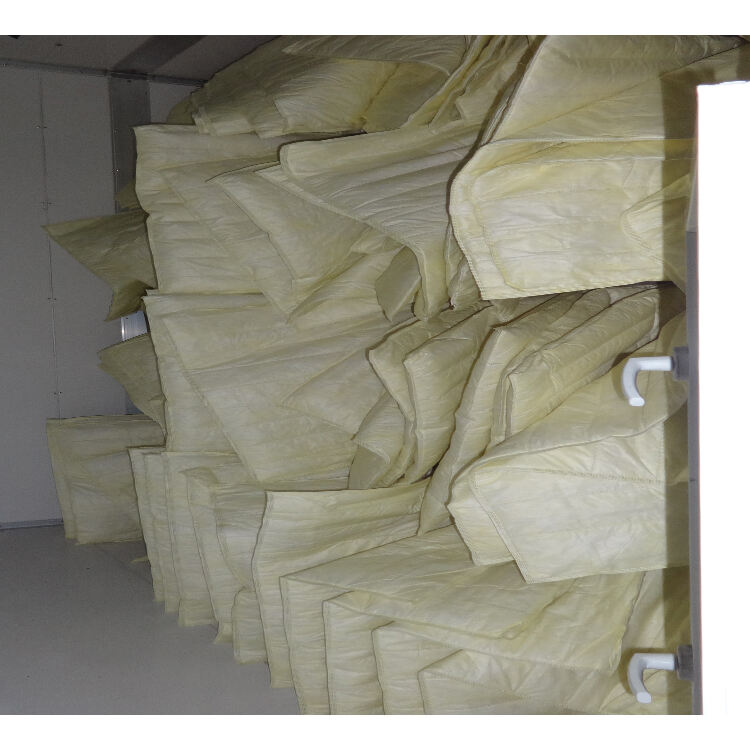
Central air systems function as powerful air quality management tools that continuously purify and condition the air circulating throughout your property. The multi-stage filtration systems integrated into central air systems capture particles ranging from large dust and pollen grains down to microscopic allergens and bacteria that escape basic filters. You breathe cleaner air as these systems process the entire volume of indoor air multiple times per hour, removing contaminants that accumulate from outdoor sources, building materials, furnishings, and daily activities. The HEPA filtration options available for central air systems provide hospital-grade air cleaning that proves essential for individuals with severe allergies, asthma, or compromised immune systems. Central air systems equipped with ultraviolet light purification technology neutralize viruses, bacteria, and mold spores as air passes through the system, adding a layer of protection against airborne pathogens. The humidity control capabilities inherent in central air systems maintain indoor moisture levels within the optimal range that prevents mold growth while keeping respiratory passages comfortable. You avoid the health risks and property damage associated with excessive humidity, including musty odors, wood warping, and the proliferation of dust mites that thrive in damp environments. Central air systems with ventilation integration bring controlled amounts of fresh outdoor air into your space, diluting indoor pollutants and preventing the stale atmosphere that develops in tightly sealed buildings. The activated carbon filters available for central air systems absorb odors and volatile organic compounds released by cleaning products, paints, and furnishings, maintaining a fresh-smelling indoor environment. You protect your family or employees from the cumulative health effects of poor indoor air quality, which include respiratory irritation, headaches, fatigue, and long-term conditions linked to prolonged exposure to airborne contaminants. Central air systems eliminate the drafts and hot spots that characterize inferior cooling methods, ensuring even air distribution that prevents stratification where pollutants concentrate in certain areas. The continuous operation of central air systems means air never remains stagnant, reducing the opportunity for contaminant buildup and maintaining consistent freshness. You benefit from the quiet operation of central air systems that allows windows to remain closed, blocking external noise pollution and preventing unfiltered outdoor air laden with pollen, smog, and particulates from entering your space.


Get a Free Quote

Our representative will contact you soon.
Email
Name
Company Name
Attachment
Please upload at least an attachment
Up to 3 files,more 30mb,suppor jpg、jpeg、png、pdf、doc、docx、xls、xlsx、csv、txt
Message
0/1000

Get a Free Quote

Our representative will contact you soon.
Email
Name
Company Name
Attachment
Please upload at least an attachment
Up to 3 files,more 30mb,suppor jpg、jpeg、png、pdf、doc、docx、xls、xlsx、csv、txt
Message
0/1000