Central Aircon System: Complete Guide to Efficient Whole-Building Climate Control

All Categories

Get a Free Quote

Our representative will contact you soon.
Email
Name
Company Name
Attachment
Please upload at least an attachment
Up to 3 files,more 30mb,suppor jpg、jpeg、png、pdf、doc、docx、xls、xlsx、csv、txt
Message
0/1000

Get a Free Quote

Our representative will contact you soon.
Email
Name
Company Name
Attachment
Please upload at least an attachment
Up to 3 files,more 30mb,suppor jpg、jpeg、png、pdf、doc、docx、xls、xlsx、csv、txt
Message
0/1000

central aircon system

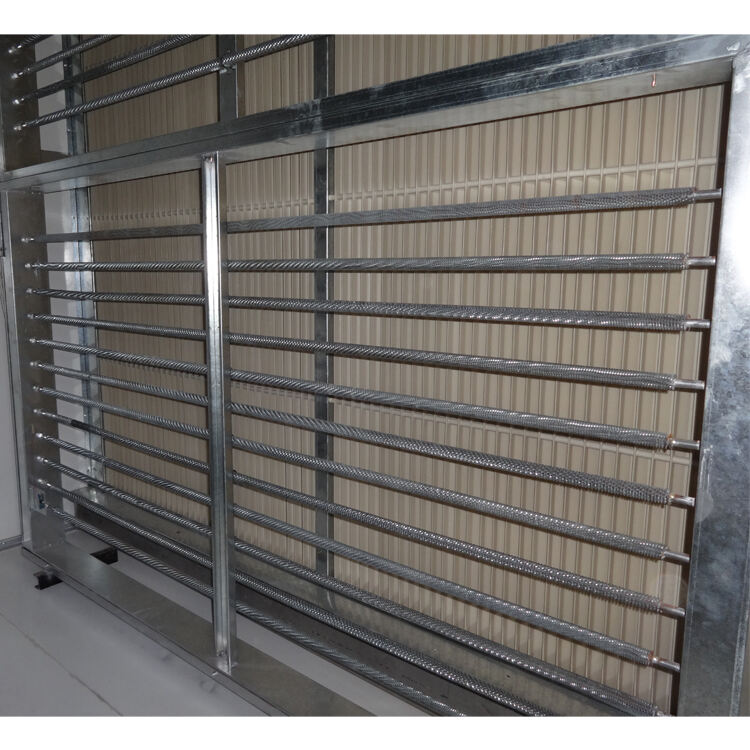
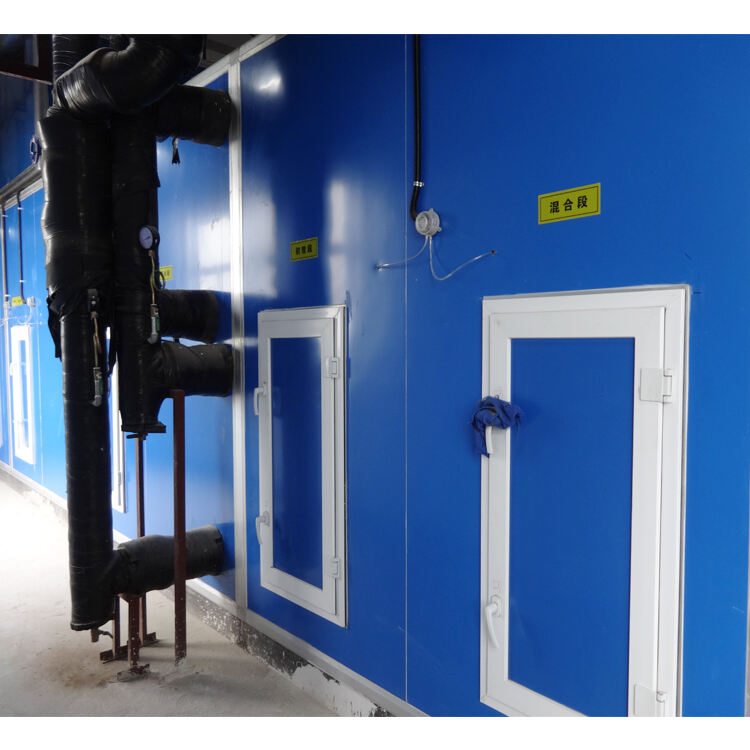
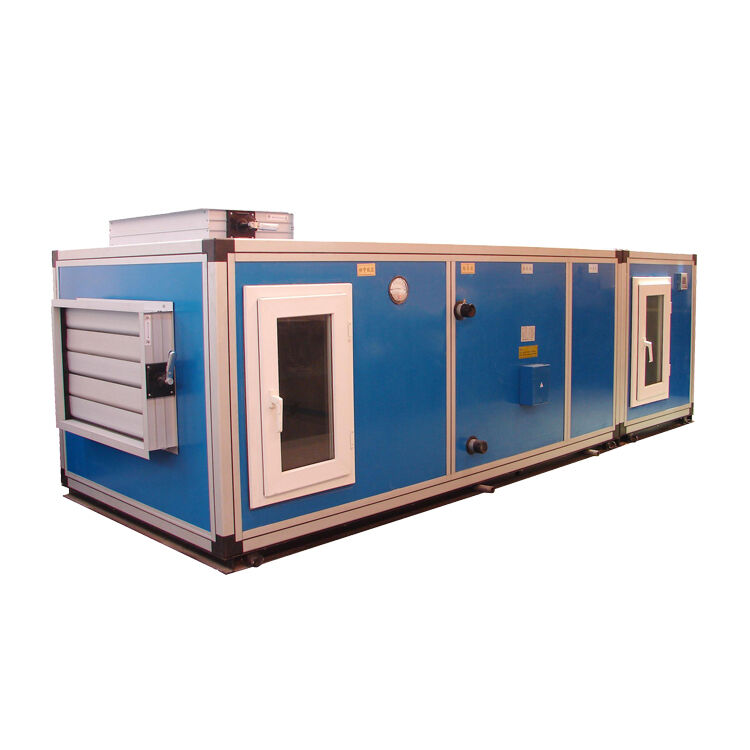
A central aircon system represents a comprehensive climate control solution designed to regulate temperature, humidity, and air quality throughout an entire building or facility from a single, centralized unit. Unlike individual room air conditioners, this integrated approach delivers conditioned air through an extensive network of ducts and vents, ensuring consistent comfort across multiple zones simultaneously. The central aircon system operates by drawing warm air from various rooms, cooling it through a refrigeration cycle, and redistributing the chilled air back into the living or working spaces. At its core, the system comprises several essential components: a powerful compressor that pressurizes refrigerant, an evaporator coil that absorbs heat from indoor air, a condenser unit that releases heat outdoors, and an air handler that circulates treated air throughout the ductwork. Modern central aircon systems incorporate advanced technological features such as programmable thermostats, variable-speed compressors, and smart sensors that optimize energy consumption based on occupancy patterns and external weather conditions. These systems excel in commercial buildings, large residential properties, office complexes, hospitals, educational institutions, and industrial facilities where maintaining uniform temperature control across expansive areas is paramount. The central aircon system also integrates air filtration mechanisms that remove dust, allergens, and pollutants, contributing to healthier indoor environments. Many contemporary models feature zoning capabilities, allowing different areas to maintain distinct temperature settings according to specific requirements. The system's centralized nature simplifies maintenance procedures, as technicians can access primary components from a single location rather than servicing multiple individual units. Energy efficiency has become a defining characteristic of modern central aircon systems, with many models achieving high SEER ratings that translate to reduced operational costs and environmental impact. The technology continues evolving, incorporating inverter-driven compressors, eco-friendly refrigerants, and integration with building management systems for enhanced automation and control.

Popular Products

Choosing a central aircon system delivers substantial practical benefits that directly impact your comfort, finances, and property value. First and foremost, these systems provide unmatched temperature consistency throughout your entire space. You will never experience the frustration of walking from a freezing room into a sweltering hallway, as the central aircon system maintains uniform cooling across all connected areas. This consistency creates a more pleasant living or working environment where everyone enjoys the same level of comfort regardless of their location within the building. Energy efficiency stands as another compelling advantage. While the initial investment may seem significant, a central aircon system typically consumes less electricity than running multiple individual units. Modern systems adjust their output based on actual cooling demands, running at partial capacity during mild conditions and ramping up only when necessary. This intelligent operation translates directly into lower monthly utility bills, with many property owners recovering their investment within several years through accumulated energy savings. The aesthetic appeal cannot be overlooked either. Central aircon systems eliminate the need for bulky window units or wall-mounted boxes in every room, preserving your interior design and maintaining clean, unobstructed views. The only visible components are discreet vents and registers that blend seamlessly into ceilings or walls. Your outdoor space also benefits, as a single condensing unit replaces what would otherwise be multiple outdoor components cluttering your property's exterior. Maintenance becomes remarkably simpler with a central aircon system. Instead of servicing numerous individual units scattered throughout your property, technicians work on one centralized system. This consolidation reduces service call frequencies, lowers maintenance costs, and makes scheduling more convenient. Air quality improvements represent another significant benefit. Central aircon systems incorporate sophisticated filtration that continuously cleans circulating air, removing allergens, dust, bacteria, and other contaminants. This feature proves especially valuable for individuals with respiratory sensitivities or allergies. The system also controls humidity levels, preventing mold growth and creating a healthier indoor environment. Property value increases substantially when you install a central aircon system. Prospective buyers or tenants view central cooling as a premium feature, making your property more attractive in competitive markets. This enhancement often justifies higher asking prices or rental rates, providing tangible returns on your investment. Noise reduction is another practical advantage. The loudest components operate outside or in isolated mechanical rooms, keeping living and working spaces quiet and peaceful. Finally, modern central aircon systems offer remarkable control flexibility through programmable thermostats and smart home integration, allowing you to adjust settings remotely, create custom schedules, and monitor energy usage in real-time.

Latest News

What Is the Difference Between Static and Dynamic Pass Boxes

05

Nov

What Is the Difference Between Static and Dynamic Pass Boxes

Understanding Clean Room Transfer Systems: Static vs Dynamic Solutions In the world of cleanroom technology and contamination control, pass boxes play a crucial role in maintaining environmental integrity while enabling material transfer. Static and ...
View More
What Are the Applications of Clean Air Systems in Pharmaceuticals

02

Dec

What Are the Applications of Clean Air Systems in Pharmaceuticals

The pharmaceutical industry operates under stringent regulatory requirements where product quality, safety, and efficacy are paramount. Contamination control represents one of the most critical aspects of pharmaceutical manufacturing, making clean ai...
View More
How Do Clean Room Classifications Affect Operational Efficiency and Quality?

30

Jan

How Do Clean Room Classifications Affect Operational Efficiency and Quality?

Clean room classifications serve as the foundation for maintaining controlled environments across pharmaceutical, semiconductor, and medical device manufacturing industries. These standardized systems define the maximum allowable concentration of air...
View More
What Happens to Production Stability Without a Proper Cleanroom System?

30

Jan

What Happens to Production Stability Without a Proper Cleanroom System?

Manufacturing environments face critical challenges when operating without adequate contamination control measures. A properly designed cleanroom system serves as the foundation for maintaining consistent product quality, regulatory compliance, and o...
View More

Get a Free Quote

Our representative will contact you soon.
Email
Name
Company Name
Attachment
Please upload at least an attachment
Up to 3 files,more 30mb,suppor jpg、jpeg、png、pdf、doc、docx、xls、xlsx、csv、txt
Message
0/1000

central aircon system

Comprehensive Climate Control with Advanced Zoning Technology

Comprehensive Climate Control with Advanced Zoning Technology

The central aircon system revolutionizes how you manage indoor environments through sophisticated zoning technology that delivers personalized comfort to different areas simultaneously. This capability addresses one of the most common frustrations in traditional cooling systems where a single thermostat setting must satisfy everyone, often leaving some rooms too cold while others remain uncomfortably warm. With advanced zoning, your central aircon system divides your property into distinct climate zones, each controlled independently through dedicated thermostats or smart sensors. Imagine running your bedroom cooler during sleeping hours while maintaining a moderate temperature in living areas, or keeping conference rooms comfortable during meetings while reducing cooling in vacant offices. This precision control eliminates energy waste by directing conditioned air only where needed, when needed. The technology operates through motorized dampers installed within the ductwork that open or close based on signals from zone controllers, regulating airflow to each area according to programmed preferences. Modern central aircon systems take this further by incorporating occupancy sensors that detect human presence and adjust cooling accordingly, ensuring you never waste energy conditioning empty spaces. The zoning capability proves particularly valuable in multi-story buildings where upper floors naturally accumulate more heat than lower levels, or in properties with varying sun exposure throughout the day. You can program different schedules for each zone, accommodating diverse usage patterns without compromise. For instance, a home office might require cooling during daytime working hours while bedrooms need conditioning primarily during evenings and nights. The central aircon system manages these varying demands seamlessly, optimizing energy distribution across all zones. This intelligent approach not only enhances comfort but also extends equipment lifespan by preventing the system from running at full capacity unnecessarily. The financial benefits accumulate quickly as reduced runtime translates directly into lower electricity consumption. Additionally, zoning technology allows you to prioritize cooling for frequently occupied areas while maintaining minimal conditioning in storage rooms, garages, or seasonal spaces. The system's flexibility adapts to your lifestyle changes, easily accommodating new room purposes or occupancy patterns through simple thermostat adjustments rather than requiring physical modifications. This adaptability ensures your central aircon system remains relevant and efficient throughout its operational life, delivering consistent value regardless of how your space utilization evolves over time.
Superior Air Quality Management and Filtration Systems

Superior Air Quality Management and Filtration Systems

A central aircon system functions as much more than a temperature control device; it serves as a comprehensive air quality management solution that continuously purifies and conditions the atmosphere within your property. This aspect becomes increasingly critical as awareness grows regarding indoor air pollution and its health implications. Unlike portable or window units with basic filtration, a central aircon system incorporates multi-stage filtration processes that capture particles ranging from large dust and debris to microscopic allergens, bacteria, and even some viruses. The system draws air from throughout your property, passes it through high-efficiency filters, conditions it to the desired temperature and humidity level, then redistributes this cleaned, comfortable air back into your spaces. This continuous circulation means your indoor air passes through filtration multiple times per hour, progressively removing contaminants and maintaining consistently high air quality. Modern central aircon systems often feature HEPA-grade filters or electrostatic precipitators that achieve remarkable purification levels, capturing up to 99.97 percent of airborne particles as small as 0.3 microns. This capability proves invaluable for individuals suffering from asthma, allergies, or other respiratory conditions, as the system actively removes triggers like pollen, pet dander, mold spores, and dust mites. Beyond particle filtration, many central aircon systems incorporate humidity control mechanisms that maintain optimal moisture levels between 30 and 50 percent relative humidity. This balance prevents the growth of mold and mildew while also inhibiting dust mite proliferation, both common allergen sources. Proper humidity control also protects your property, preventing wood warping, paint deterioration, and electronic equipment damage caused by excessive moisture. Some advanced central aircon systems include UV light purification modules that neutralize biological contaminants, adding another layer of protection against airborne pathogens. The centralized nature of these systems allows for easier filter maintenance compared to managing multiple individual units. You simply replace filters at the main air handler on a regular schedule, ensuring consistent filtration performance throughout your property. The system's air quality benefits extend to odor control as well, with activated carbon filters removing cooking smells, pet odors, and volatile organic compounds that individual room units might recirculate. This comprehensive approach to air management creates healthier indoor environments that support wellbeing, productivity, and comfort. For commercial applications, superior air quality can reduce employee sick days, improve concentration, and create more pleasant customer experiences. In residential settings, families enjoy cleaner air that supports better sleep, reduces allergy symptoms, and provides peace of mind regarding the environment where children play and grow.

Long-Term Cost Efficiency and Energy Optimization

Long-Term Cost Efficiency and Energy Optimization

Investing in a central aircon system represents a strategic financial decision that delivers substantial long-term cost savings through superior energy efficiency and reduced operational expenses. While the upfront installation cost exceeds that of individual room units, the total cost of ownership over the system's lifespan typically proves significantly lower when you account for energy consumption, maintenance expenses, and equipment longevity. Modern central aircon systems achieve remarkable efficiency through variable-speed compressor technology that adjusts cooling output to match actual demand rather than cycling on and off at full capacity. This modulation eliminates the energy spikes associated with startup cycles and maintains more consistent temperatures with less power consumption. Many contemporary systems achieve SEER ratings of 16 or higher, with premium models reaching 20 or above, translating to 20 to 40 percent lower energy usage compared to older or less efficient alternatives. These efficiency gains compound over years of operation, generating thousands in accumulated savings that offset the initial investment. The centralized design also contributes to cost efficiency by eliminating redundant components. Instead of maintaining compressors, condensers, and refrigerant circuits for multiple individual units, you service a single, optimized system designed for whole-building performance. This consolidation reduces the likelihood of component failures and extends overall equipment lifespan, as the system operates under more controlled conditions with better load distribution. Maintenance costs decrease proportionally, as technicians service one location rather than traveling to multiple units scattered throughout your property. The central aircon system's integration with smart thermostats and building management systems enables sophisticated energy optimization strategies. You can program detailed schedules that reduce cooling during unoccupied hours, implement setback temperatures during mild weather, and receive alerts about unusual energy consumption patterns that might indicate maintenance needs before they escalate into costly repairs. Some systems learn your preferences and occupancy patterns over time, automatically adjusting operation to maximize efficiency without sacrificing comfort. The financial benefits extend to property valuation as well. Real estate professionals consistently report that properties equipped with central aircon systems command premium prices and attract buyers more quickly than comparable properties with individual cooling units or no air conditioning. This value enhancement provides tangible returns when you sell or lease your property. Additionally, many utility companies and government programs offer rebates or incentives for installing high-efficiency central aircon systems, further reducing your net investment. The system's durability contributes to long-term cost efficiency, with properly maintained central aircon systems operating reliably for 15 to 20 years or more, compared to 8 to 12 years for typical window or portable units. This extended lifespan means fewer replacement cycles and reduced long-term capital expenditure. Energy optimization also carries environmental benefits that increasingly translate to financial advantages through carbon credit programs, green building certifications, and reduced exposure to rising energy costs. As electricity prices continue climbing, the efficiency advantages of a central aircon system become more pronounced, protecting you from escalating operational expenses while maintaining comfortable indoor environments.

Get a Free Quote

Our representative will contact you soon.
Email
Name
Company Name
Attachment
Please upload at least an attachment
Up to 3 files,more 30mb,suppor jpg、jpeg、png、pdf、doc、docx、xls、xlsx、csv、txt
Message
0/1000

Get a Free Quote

Our representative will contact you soon.
Email
Name
Company Name
Attachment
Please upload at least an attachment
Up to 3 files,more 30mb,suppor jpg、jpeg、png、pdf、doc、docx、xls、xlsx、csv、txt
Message
0/1000