Professional Ventilation and Air Conditioning Systems - Energy Efficient Climate Control Solutions

All Categories

Get a Free Quote

Our representative will contact you soon.
Email
Name
Company Name
Attachment
Please upload at least an attachment
Up to 3 files,more 30mb,suppor jpg、jpeg、png、pdf、doc、docx、xls、xlsx、csv、txt
Message
0/1000

Get a Free Quote

Our representative will contact you soon.
Email
Name
Company Name
Attachment
Please upload at least an attachment
Up to 3 files,more 30mb,suppor jpg、jpeg、png、pdf、doc、docx、xls、xlsx、csv、txt
Message
0/1000

ventilation and air conditioning

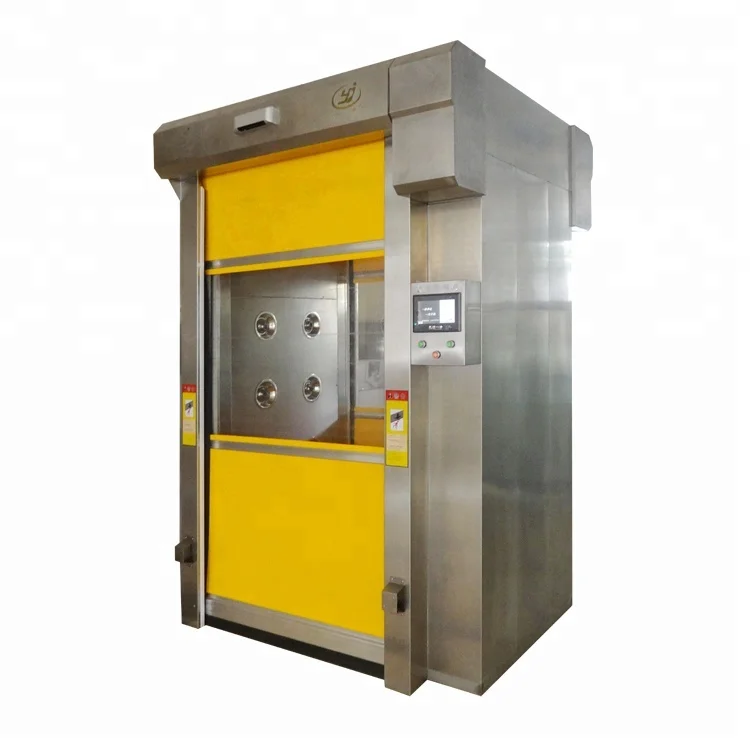
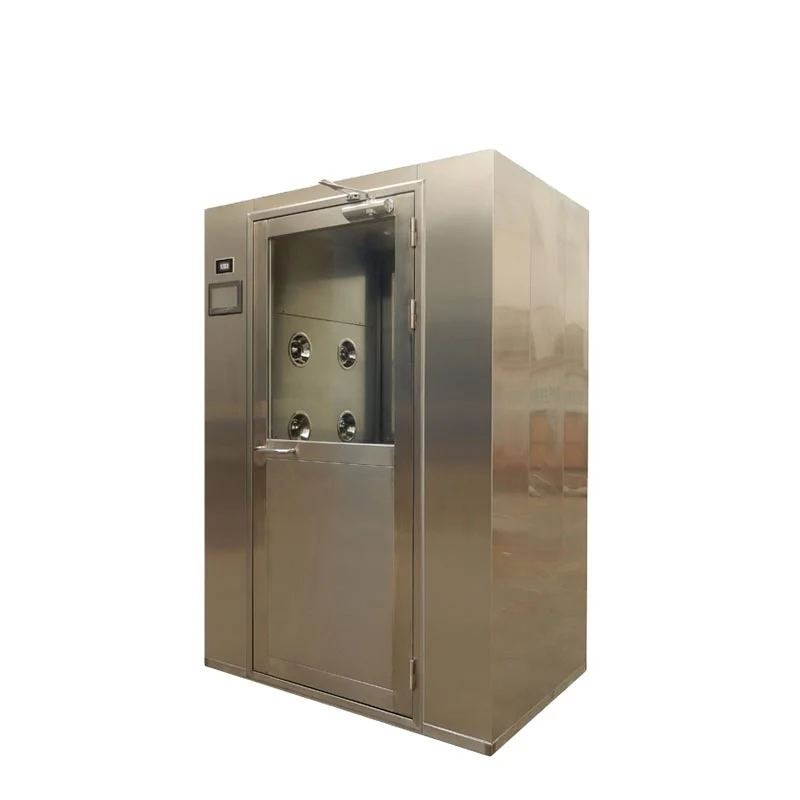
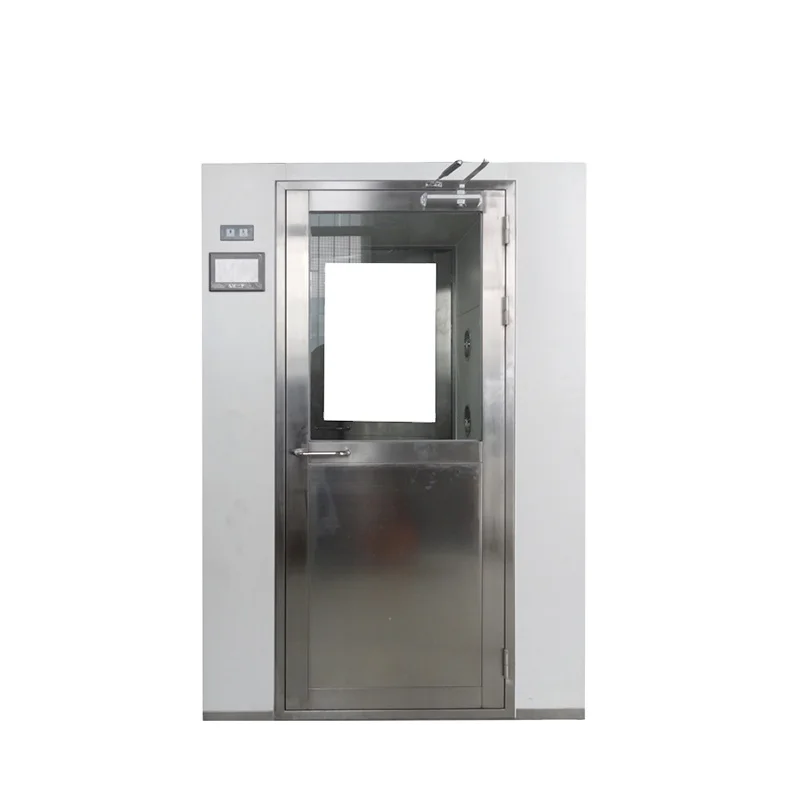
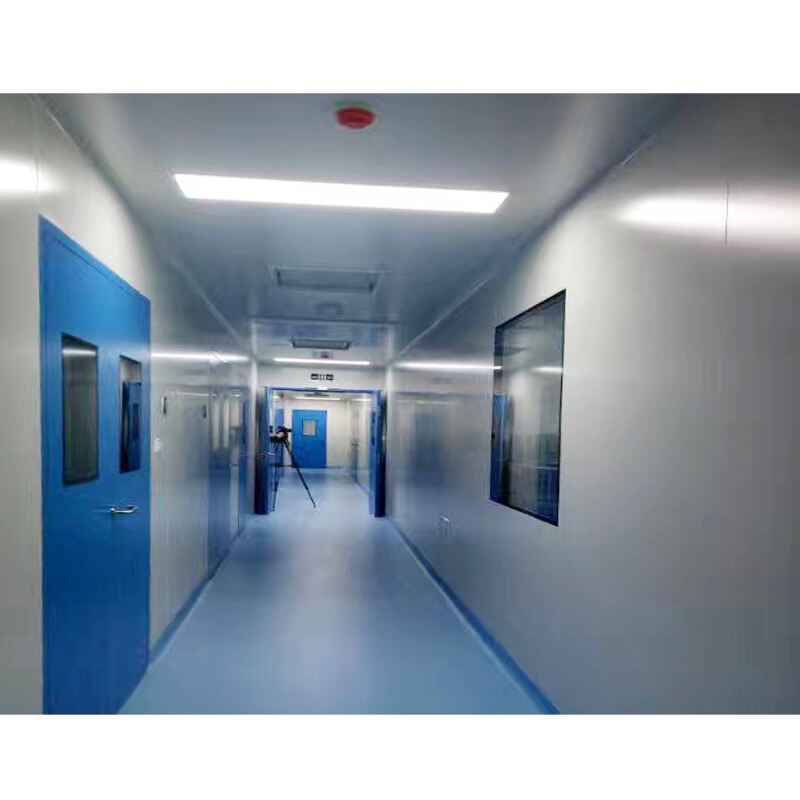
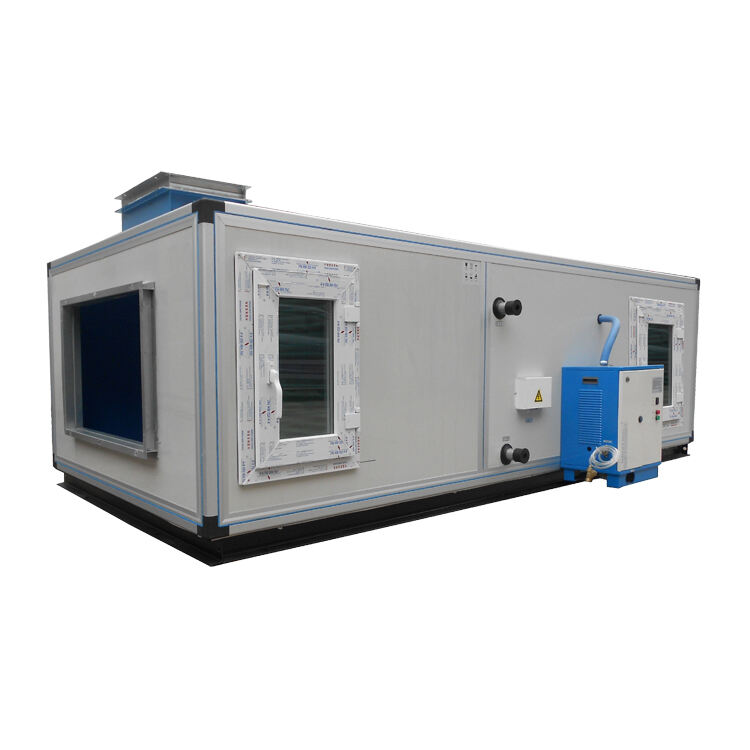
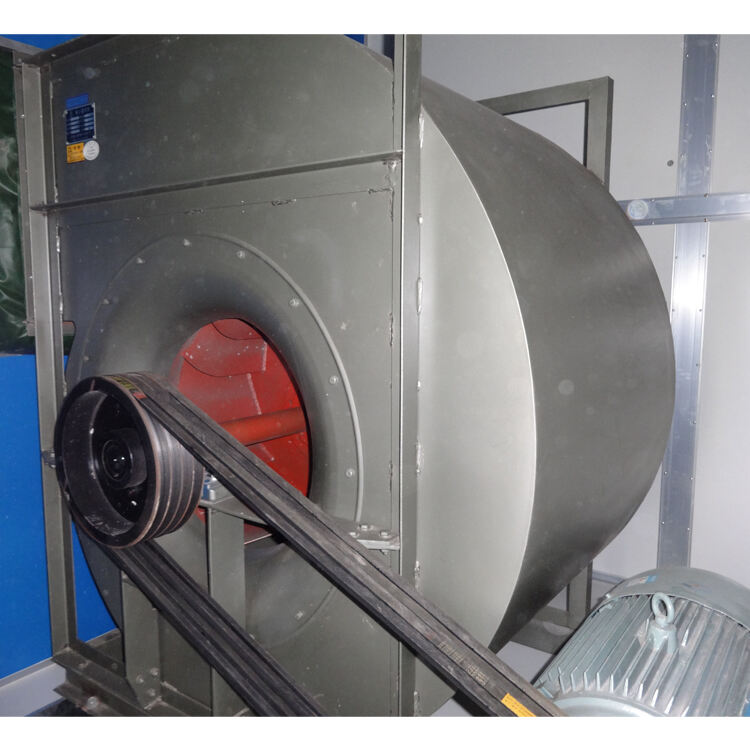
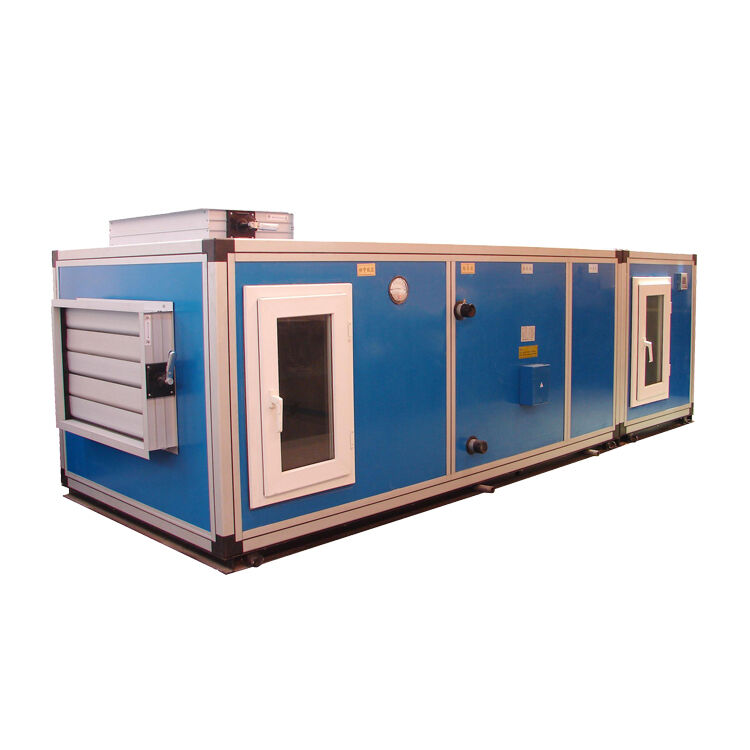
Ventilation and air conditioning systems represent essential infrastructure components that regulate indoor environmental quality through sophisticated climate control mechanisms. These integrated solutions manage temperature, humidity, air circulation, and filtration to create comfortable and healthy spaces for residential, commercial, and industrial applications. Modern ventilation and air conditioning technology combines mechanical engineering principles with smart automation to deliver precise environmental management that adapts to changing conditions and occupancy patterns. The primary functions encompass air exchange, thermal regulation, moisture control, and contaminant removal, working synergistically to maintain optimal indoor conditions year-round. Advanced ventilation and air conditioning installations utilize variable speed compressors, intelligent sensors, and zoned distribution networks to maximize efficiency while minimizing energy consumption. These systems draw fresh outdoor air into buildings, condition it to desired parameters, distribute it throughout occupied spaces, and exhaust stale air to maintain continuous circulation. The technological architecture includes refrigeration cycles for cooling, heat pump operations for warming, filtration arrays for purification, and ducting infrastructure for distribution. Contemporary ventilation and air conditioning designs incorporate energy recovery ventilators that capture thermal energy from exhaust streams, reducing the conditioning load on incoming fresh air. Smart thermostats and building management systems enable remote monitoring and adjustment, providing users with unprecedented control over their indoor environments. Applications span diverse sectors including office buildings, manufacturing facilities, healthcare institutions, educational campuses, retail establishments, hospitality venues, and residential properties. Each application demands customized ventilation and air conditioning specifications based on occupancy density, heat generation sources, air quality requirements, and operational schedules. The evolution of ventilation and air conditioning technology continues to emphasize sustainability, incorporating refrigerants with lower environmental impact, renewable energy integration capabilities, and predictive maintenance algorithms that optimize performance throughout system lifecycles.


Popular Products

Investing in quality ventilation and air conditioning delivers transformative benefits that extend far beyond basic comfort, creating healthier environments while reducing operational costs through intelligent resource management. These systems dramatically improve indoor air quality by continuously filtering airborne particles, allergens, pollutants, and pathogens, which proves especially valuable for individuals with respiratory sensitivities or compromised immune systems. Enhanced air circulation prevents the accumulation of carbon dioxide, volatile organic compounds, and other contaminants that accumulate in sealed buildings, ensuring occupants breathe fresh, clean air throughout their time indoors. Temperature regulation capabilities maintain consistent comfort levels regardless of external weather conditions, eliminating hot spots, cold drafts, and humidity extremes that cause discomfort and reduce productivity. Modern ventilation and air conditioning technology achieves remarkable energy efficiency through variable capacity operation, which adjusts cooling and heating output to match real-time demand rather than cycling on and off wastefully. This intelligent modulation reduces electricity consumption by up to forty percent compared to conventional systems, translating directly into lower utility bills and reduced environmental footprint. Humidity control functions prevent moisture-related problems including mold growth, structural damage, and material degradation, protecting building investments while safeguarding occupant health. Properly designed ventilation and air conditioning creates positive pressure differentials that prevent outdoor pollutants, insects, and odors from infiltrating indoor spaces through gaps and openings. Noise reduction features in premium systems ensure quiet operation that supports concentration in work environments and restful sleep in residential settings. Zoning capabilities allow different areas to maintain distinct temperature settings simultaneously, accommodating varying preferences and usage patterns without conditioning unused spaces unnecessarily. Smart integration features enable remote access through mobile applications, allowing users to adjust settings, monitor performance, and receive maintenance alerts from anywhere with internet connectivity. Automated scheduling functions optimize operation around occupancy patterns, reducing energy waste during vacant periods while ensuring spaces reach comfortable conditions before arrival. Air purification technologies including UV sterilization, ionization, and advanced filtration remove microscopic threats that standard filters miss, providing hospital-grade air quality in everyday environments. Consistent environmental conditions preserve sensitive materials, electronics, artwork, and furnishings from temperature and humidity damage. Enhanced comfort and air quality boost occupant satisfaction, productivity, and well-being, creating measurable value in both commercial and residential applications through improved performance and reduced absenteeism.

Latest News

What Are the Key Components of an Effective Clean Air System

21

Oct

What Are the Key Components of an Effective Clean Air System

Understanding Modern Clean Air Technologies and Their Impact A well-designed clean air system serves as the foundation for maintaining optimal indoor air quality in both residential and commercial spaces. As we spend approximately 90% of our time ind...
View More
How to Maintain an Air Handling Unit for Consistent Airflow

21

Oct

How to Maintain an Air Handling Unit for Consistent Airflow

Essential Guidelines for Air Handling Unit Performance Air handling units (AHUs) are the backbone of any building's HVAC system, responsible for maintaining comfortable indoor environments and ensuring proper ventilation. Effective air handling unit ...
View More
How to Install Clean Panels Without Contaminating Environments

21

Oct

How to Install Clean Panels Without Contaminating Environments

Essential Guidelines for Clean Panel Installation in Controlled Settings Clean panels represent a crucial component in controlled environments like cleanrooms, laboratories, and pharmaceutical facilities. Their proper installation is paramount for ma...
View More
What Are the Common Issues with Air Handling Units and Solutions

02

Dec

What Are the Common Issues with Air Handling Units and Solutions

Air handling units serve as the backbone of modern HVAC systems, managing air circulation, filtration, and conditioning in commercial and industrial facilities. These sophisticated systems ensure optimal indoor air quality while maintaining energy ef...
View More

Get a Free Quote

Our representative will contact you soon.
Email
Name
Company Name
Attachment
Please upload at least an attachment
Up to 3 files,more 30mb,suppor jpg、jpeg、png、pdf、doc、docx、xls、xlsx、csv、txt
Message
0/1000

ventilation and air conditioning

Advanced Filtration Technology for Superior Indoor Air Quality

Advanced Filtration Technology for Superior Indoor Air Quality

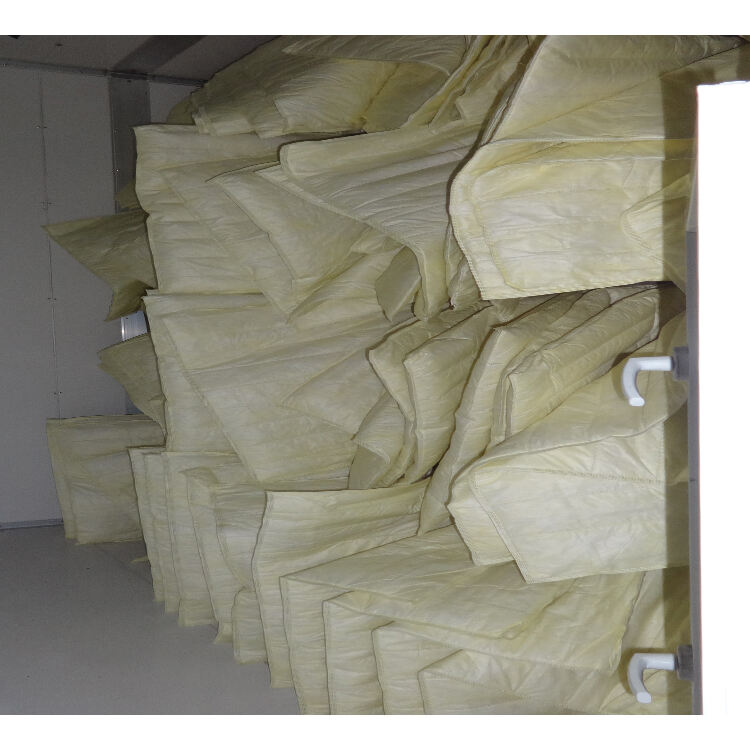
Modern ventilation and air conditioning systems incorporate multi-stage filtration technology that transforms indoor air quality by removing microscopic particles, biological contaminants, and chemical pollutants that compromise health and comfort. These sophisticated filtration arrays begin with pre-filters that capture large particles including dust, pet dander, and textile fibers, protecting downstream components while removing visible contaminants. Secondary filtration stages utilize high-efficiency particulate air filters rated to capture particles as small as 0.3 microns with efficiency exceeding ninety-nine percent, effectively removing pollen, mold spores, bacteria, and fine dust that trigger allergies and respiratory issues. Advanced ventilation and air conditioning installations often include activated carbon filters that adsorb volatile organic compounds, odors, and gaseous pollutants through chemical attraction, eliminating smells from cooking, cleaning products, and off-gassing materials. Some premium systems integrate ultraviolet germicidal irradiation that sterilizes air passing through the system, destroying viruses, bacteria, and mold spores at the DNA level to prevent reproduction and transmission. Photocatalytic oxidation technology represents another advancement, using UV light to activate titanium dioxide catalysts that break down organic compounds into harmless carbon dioxide and water vapor. The cumulative effect of these filtration technologies creates indoor environments with air quality that often exceeds outdoor conditions, even in urban areas with significant pollution. This proves particularly valuable for vulnerable populations including children, elderly individuals, and those with asthma, allergies, or compromised immune systems who experience measurable health improvements in properly filtered environments. Regular filter maintenance ensures sustained performance, with modern ventilation and air conditioning systems providing electronic reminders based on actual runtime and air quality measurements rather than arbitrary time intervals. The investment in advanced filtration pays dividends through reduced healthcare costs, fewer sick days, improved sleep quality, and enhanced cognitive performance that results from breathing clean air. Commercial applications benefit from improved employee productivity and reduced absenteeism, while residential users enjoy peace of mind knowing their families breathe purified air free from harmful contaminants. The filtration infrastructure within ventilation and air conditioning systems represents a critical defense against airborne threats, operating silently and continuously to maintain healthy indoor environments.
Intelligent Climate Control with Adaptive Learning Capabilities

Intelligent Climate Control with Adaptive Learning Capabilities

Contemporary ventilation and air conditioning systems feature intelligent climate control that learns occupant preferences, anticipates needs, and optimizes performance through machine learning algorithms and predictive analytics. These smart systems monitor multiple environmental parameters including temperature, humidity, air quality, and occupancy patterns, processing this data to create customized comfort profiles that adapt automatically to changing conditions. Advanced sensors detect when spaces become occupied and adjust ventilation and air conditioning output accordingly, ensuring comfort arrives precisely when needed while avoiding energy waste during vacant periods. Geofencing technology integrated with mobile applications enables systems to detect when occupants approach home or office, initiating conditioning cycles to achieve desired temperatures upon arrival without maintaining settings continuously. Machine learning algorithms analyze historical usage patterns, weather forecasts, and thermal characteristics to predict heating and cooling requirements hours in advance, pre-conditioning spaces efficiently rather than reacting to temperature deviations. This predictive approach reduces energy consumption while improving comfort by eliminating the lag time between demand and delivery that characterizes reactive systems. Zoned control capabilities allow ventilation and air conditioning systems to maintain different temperatures in separate areas simultaneously, accommodating individual preferences without compromise and avoiding the waste of conditioning unused spaces. Occupancy sensors detect presence in each zone, automatically adjusting airflow and temperature to match actual usage rather than assumptions. Integration with smart home ecosystems enables ventilation and air conditioning to coordinate with lighting, window treatments, and other systems for holistic environmental management. Voice control through digital assistants provides convenient adjustment without physical interaction, while detailed energy reporting helps users understand consumption patterns and identify optimization opportunities. Remote diagnostics capabilities allow service technicians to monitor system performance, identify developing issues before failures occur, and often resolve problems through software updates without site visits. Adaptive algorithms continuously refine operation based on feedback, becoming more efficient and responsive over time as they learn building characteristics and occupant behaviors. The intelligence embedded in modern ventilation and air conditioning transforms these systems from simple thermostatic devices into sophisticated environmental management platforms that deliver superior comfort with minimal energy consumption and user intervention.
Energy Efficiency Through Variable Capacity Operation

Energy Efficiency Through Variable Capacity Operation

Variable capacity technology represents a fundamental advancement in ventilation and air conditioning design, enabling systems to modulate output continuously rather than cycling between full operation and complete shutdown like traditional equipment. This sophisticated approach uses inverter-driven compressors that adjust speed dynamically to match precise cooling or heating requirements at any given moment, operating at partial capacity during mild conditions and ramping up only when demand increases. The efficiency gains prove substantial, with variable capacity ventilation and air conditioning consuming thirty to fifty percent less energy than conventional systems over typical operating seasons. Traditional fixed-capacity equipment operates inefficiently because it must size for peak load conditions but spends most runtime addressing partial loads through wasteful on-off cycling that never achieves steady-state efficiency. Each startup cycle consumes significant energy while subjecting components to mechanical stress that accelerates wear and reduces lifespan. Variable capacity ventilation and air conditioning eliminates this cycling, running continuously at precisely the output level required to maintain setpoint temperatures without overshoot or undershoot. This steady operation provides superior comfort by eliminating the temperature swings associated with cycling equipment, maintaining conditions within one degree of setpoint rather than the three to four degree variations typical of conventional systems. Humidity control improves dramatically because continuous operation allows adequate time for moisture removal, whereas short cycling prevents proper dehumidification even when cooling capacity proves adequate. The compressor technology enabling variable capacity operation utilizes permanent magnet motors and sophisticated inverter controls that adjust electrical frequency to modulate motor speed across a wide range, typically from twenty to one hundred percent of maximum capacity. Heat exchangers in variable capacity ventilation and air conditioning systems optimize for efficiency across the operating range rather than just at full load, ensuring strong performance whether running at minimum or maximum output. The reduced cycling frequency extends component lifespan significantly, with compressors, contactors, and capacitors experiencing less stress and fewer failure-inducing events. Noise levels decrease substantially because variable capacity ventilation and air conditioning rarely operates at maximum speed where fan and compressor noise peak, instead running quietly at partial capacity most of the time. The initial investment premium for variable capacity technology typically recovers within three to five years through energy savings, after which the reduced operating costs provide ongoing financial benefits throughout the extended equipment lifespan.

Get a Free Quote

Our representative will contact you soon.
Email
Name
Company Name
Attachment
Please upload at least an attachment
Up to 3 files,more 30mb,suppor jpg、jpeg、png、pdf、doc、docx、xls、xlsx、csv、txt
Message
0/1000

Get a Free Quote

Our representative will contact you soon.
Email
Name
Company Name
Attachment
Please upload at least an attachment
Up to 3 files,more 30mb,suppor jpg、jpeg、png、pdf、doc、docx、xls、xlsx、csv、txt
Message
0/1000