clean room categories
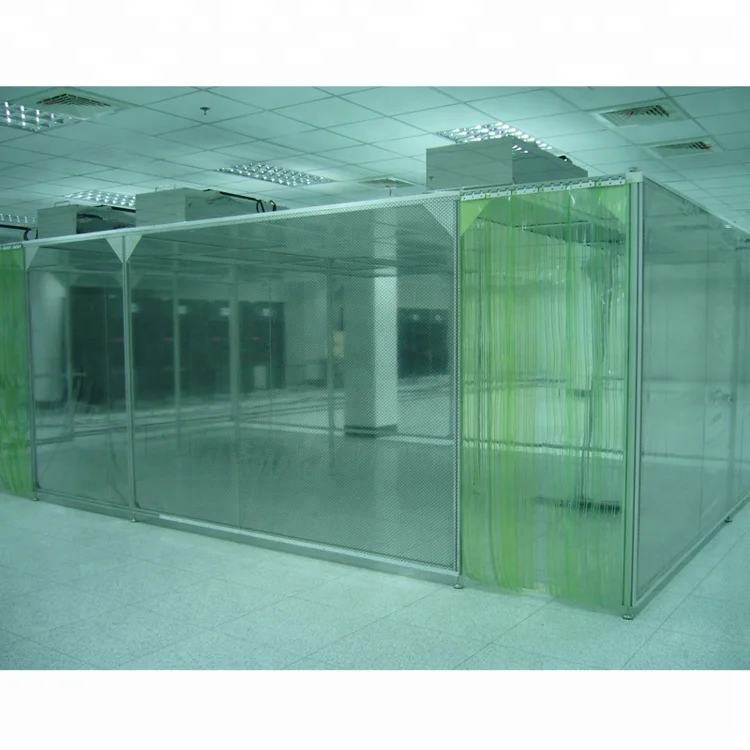
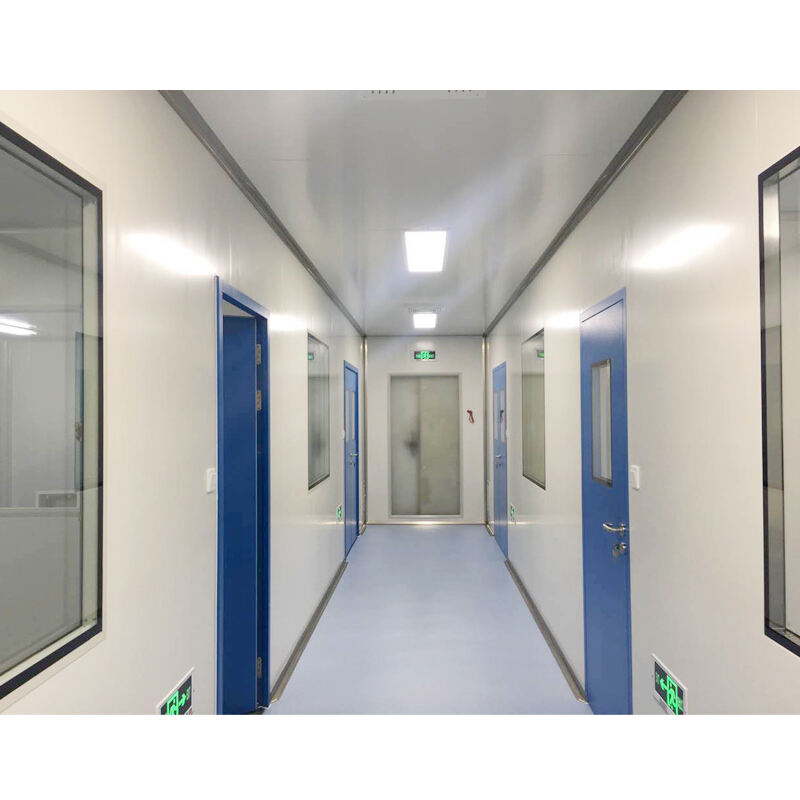
Clean room categories represent specialized controlled environments designed to maintain extremely low levels of particulates, contaminants, and environmental pollutants. These categories are classified according to international standards, primarily ISO 14644-1, which defines clean rooms based on the maximum allowable number of particles per cubic meter of air. The classification system ranges from ISO Class 1, the most stringent level with virtually zero particles, to ISO Class 9, which permits higher particle counts but still maintains controlled conditions. Understanding clean room categories is essential for industries requiring precision manufacturing, research, and production processes where even microscopic contamination can compromise product quality or experimental results. The main functions of clean room categories include establishing clear contamination control benchmarks, providing standardized specifications for facility design, enabling consistent quality assurance protocols, and facilitating regulatory compliance across different sectors. Technologically, clean room categories utilize advanced HEPA and ULPA filtration systems, sophisticated air handling units with precise pressure controls, continuous monitoring equipment for particle counting, temperature and humidity regulation systems, and specialized construction materials that minimize particle generation. These technologies work synergistically to create stable environments where air changes per hour, directional airflow patterns, and surface cleanliness are meticulously controlled. Applications for clean room categories span numerous critical industries including pharmaceutical manufacturing where sterile drug production demands ISO Class 5 or better environments, semiconductor fabrication requiring ISO Class 3 to Class 5 for microchip production, biotechnology research facilities, medical device manufacturing, aerospace component assembly, optical lens production, and food processing operations. Each clean room category serves specific operational requirements, with lower ISO class numbers indicating stricter cleanliness standards suitable for more sensitive applications, while higher class numbers accommodate less critical but still controlled production needs.

 EN
EN