Unmatched Flexibility and Scalability for Growing Operations
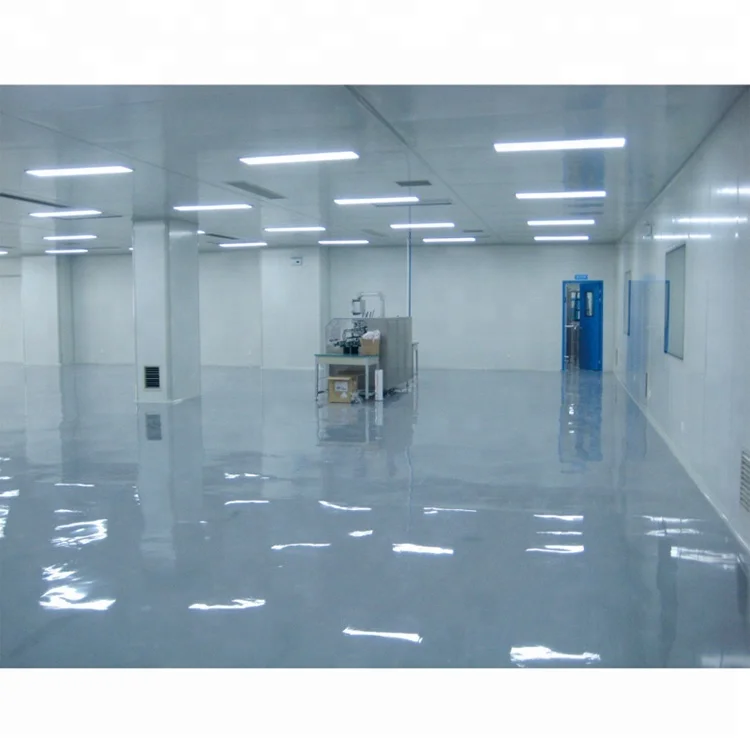
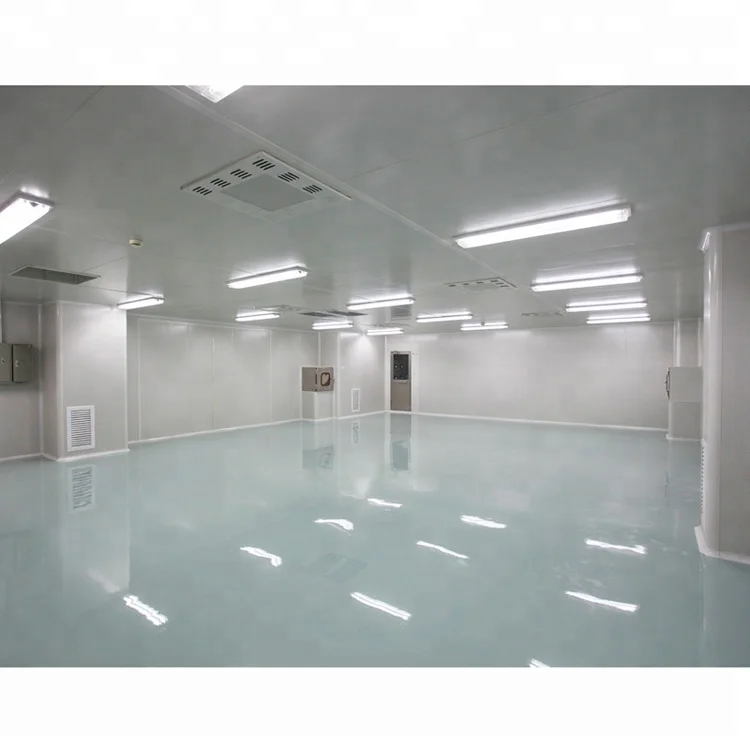
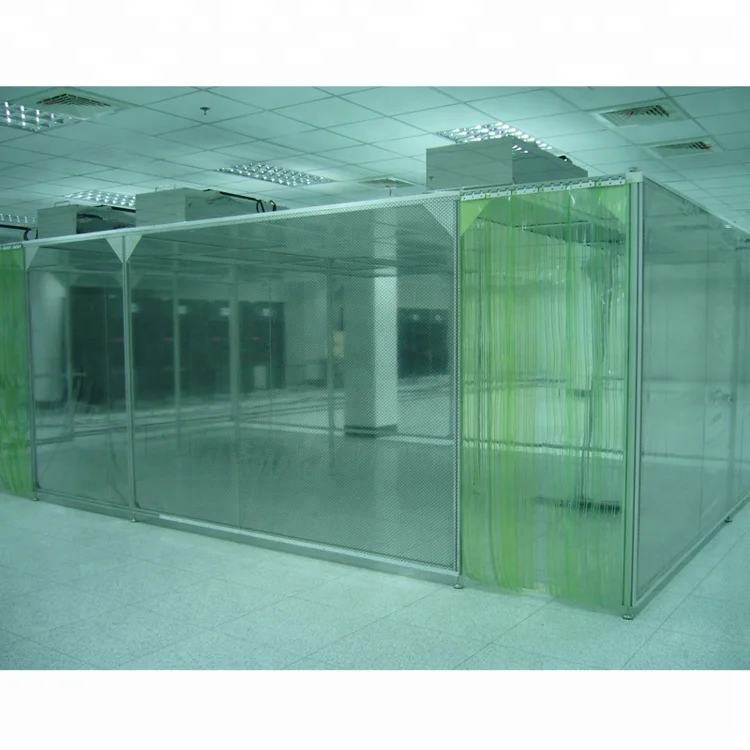
The inherent adaptability of a modular clean room system provides businesses with a future-proof solution that evolves alongside changing operational requirements, market conditions, and technological advancements. Unlike permanent structures that lock companies into fixed configurations, modular systems can be reconfigured, expanded, reduced, or completely relocated as needs dictate, protecting capital investment and ensuring that facilities remain optimized for current operations rather than constrained by past decisions. This flexibility manifests in multiple dimensions, starting with layout modifications that can accommodate new equipment, revised workflows, or different process requirements by simply rearranging wall panels and adjusting utility connections without demolishing existing structures or undertaking major renovation projects. Companies experiencing growth can expand their modular clean room capacity incrementally, adding sections as production volumes increase or new product lines emerge, rather than facing the difficult choice between building excess capacity upfront or undertaking disruptive expansion projects later. The modular approach supports both horizontal expansion, adding adjacent rooms or extending existing spaces, and vertical integration, stacking systems in facilities with adequate ceiling height to maximize use of available floor space. For organizations operating in leased facilities, the non-permanent nature of modular construction offers tremendous advantages, as the entire system can be disassembled and relocated when leases expire or business needs require moving to different locations, taking the clean room investment along rather than abandoning it as would be necessary with traditional construction. This portability extends to companies with temporary or seasonal needs, such as contract manufacturers serving multiple clients, research institutions conducting time-limited studies, or businesses responding to emergency production requirements, where the ability to deploy, use, and then redeploy clean room capacity provides operational flexibility impossible with permanent facilities. The standardized components and connections that characterize modular clean room systems simplify the process of upgrading individual elements as technology advances, allowing facilities to incorporate improved filtration systems, more efficient lighting, advanced monitoring equipment, or enhanced environmental controls without replacing entire rooms or undertaking comprehensive renovation projects. This component-level upgradeability ensures that modular clean room facilities can remain current with evolving industry standards, regulatory requirements, and best practices throughout their operational lifetime, avoiding the obsolescence that often plagues permanent installations designed around technologies and standards that become outdated as years pass.

 EN
EN