Superior Contamination Control and Environmental Stability
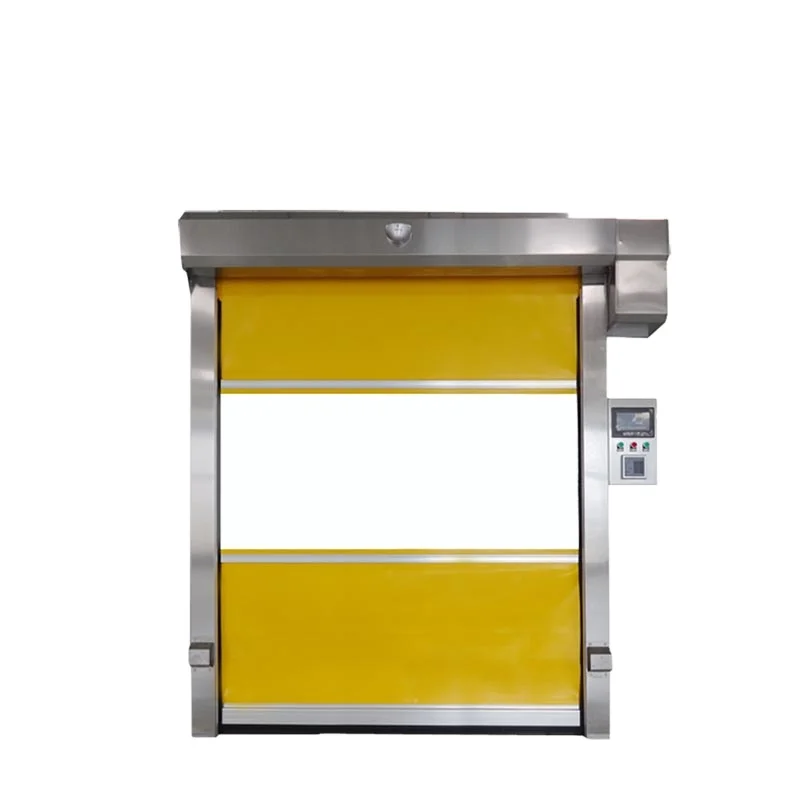
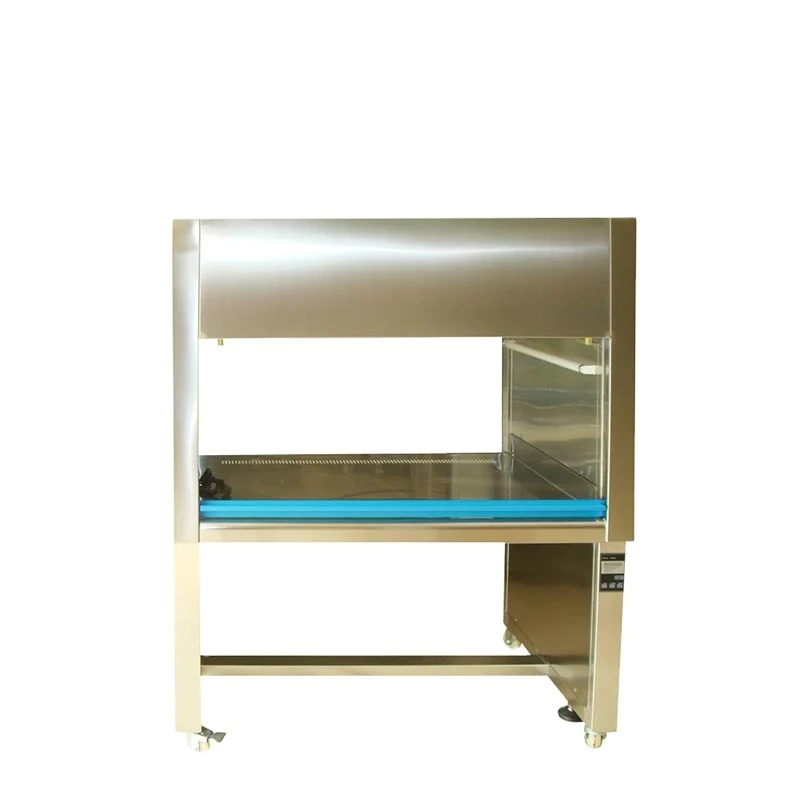
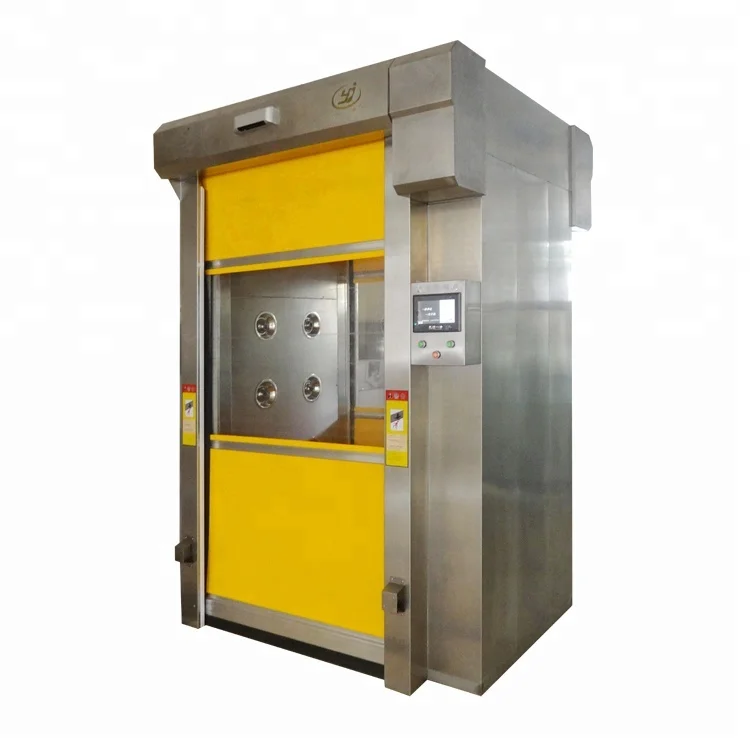
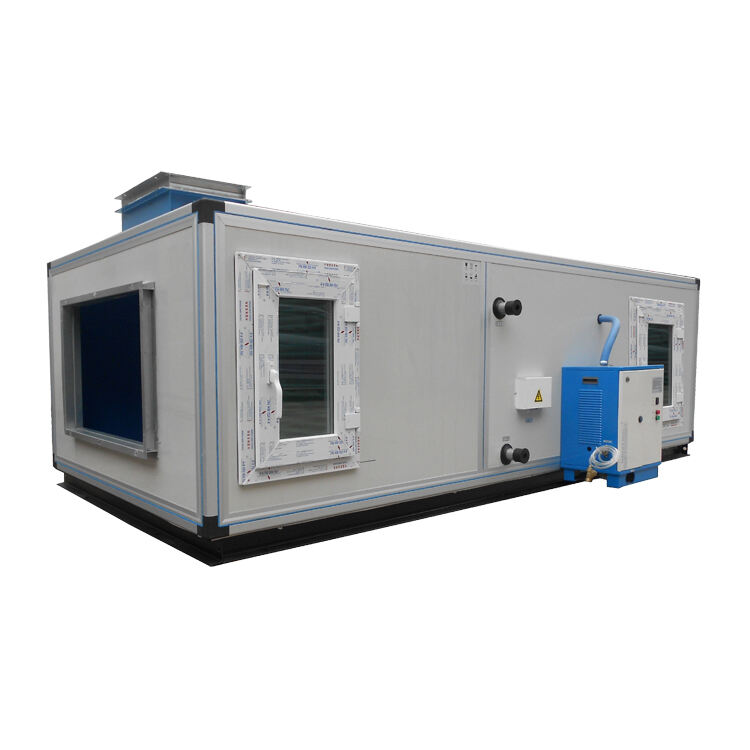
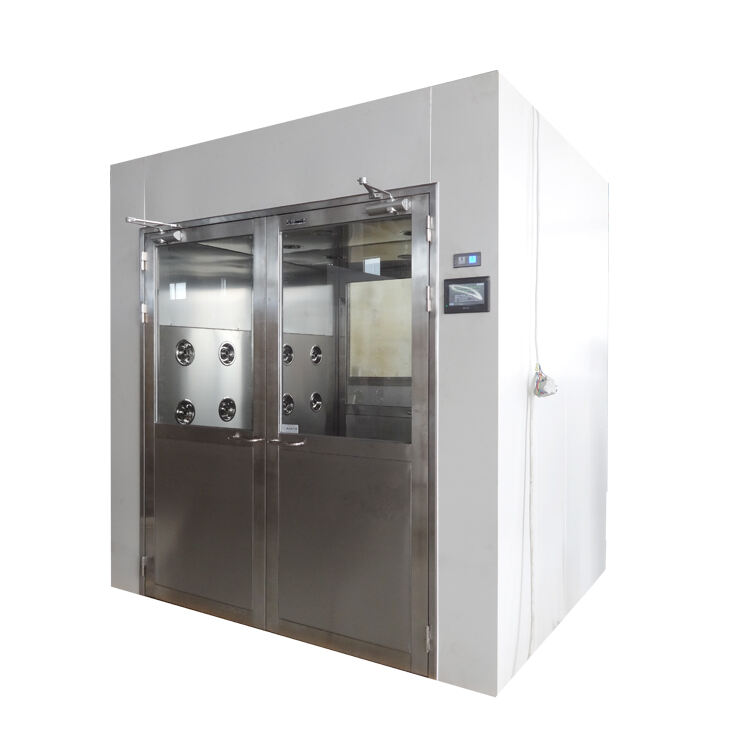
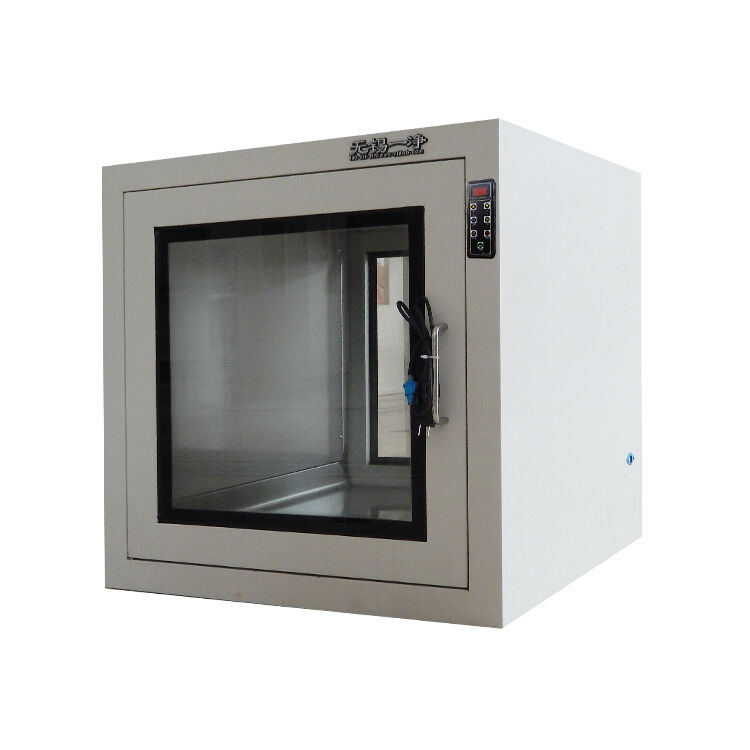
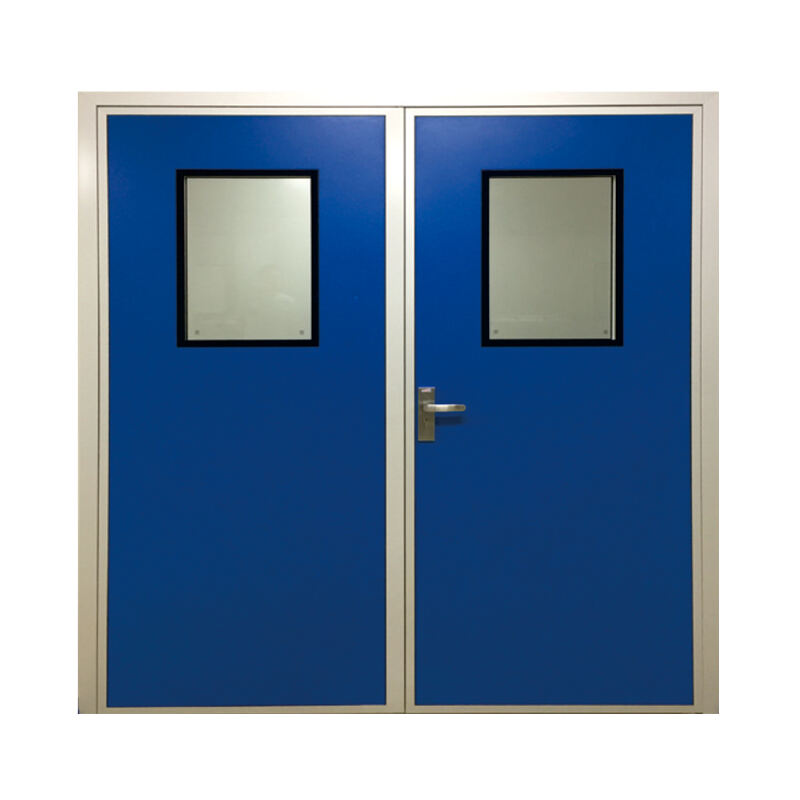
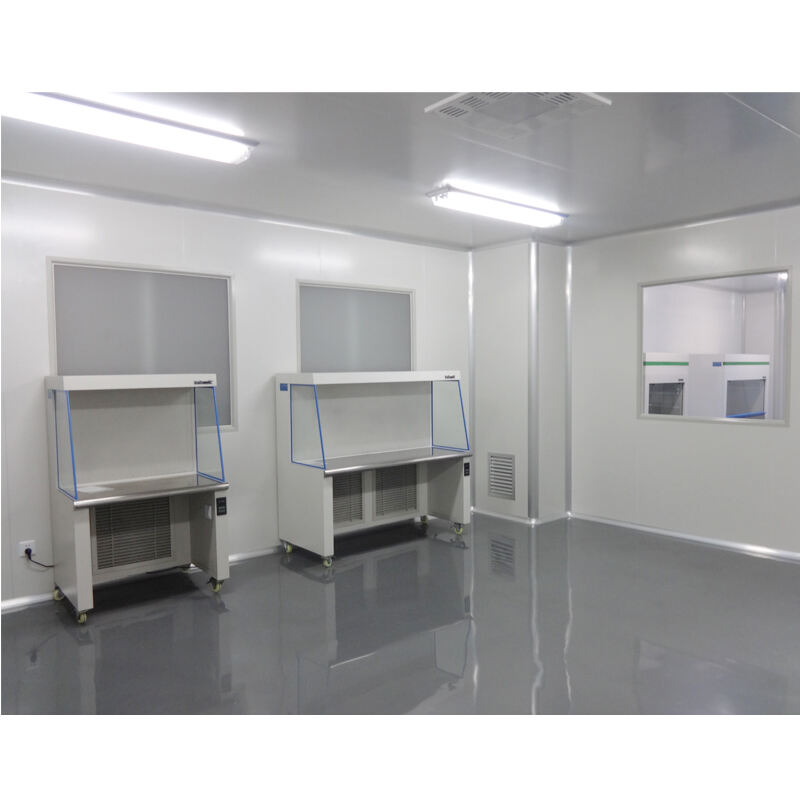
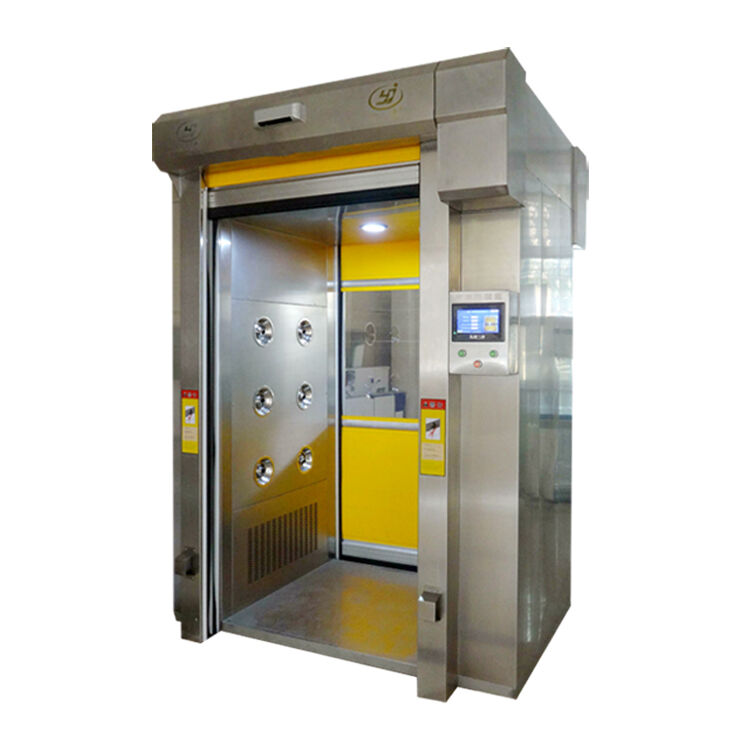
The modular cleaning room achieves exceptional contamination control through integrated design features that work synergistically to maintain pristine environmental conditions. At the heart of this capability lies the advanced filtration system, typically employing HEPA filters that capture ninety-nine point ninety-seven percent of particles measuring 0.3 microns or larger, with ULPA filters available for applications demanding even higher purity levels. These filters integrate into ceiling-mounted air handling units that create laminar or turbulent airflow patterns optimized for specific applications, ensuring that airborne contaminants are continuously removed from the controlled space. The modular cleaning room maintains positive pressure relative to surrounding areas, creating an invisible barrier that prevents unfiltered air from infiltrating through doorways, pass-throughs, or other openings. This pressure differential is carefully calibrated and monitored to balance contamination control with energy efficiency and personnel comfort. The wall and ceiling panels feature smooth, non-porous surfaces constructed from materials such as powder-coated steel, stainless steel, or specialized composites that resist particle generation and microbial growth. Unlike traditional drywall or painted surfaces that can shed particles or harbor bacteria in microscopic crevices, modular cleaning room panels provide cleanable surfaces that maintain their integrity through repeated sanitization cycles using aggressive disinfectants. Sealed joints between panels eliminate gaps where contaminants could accumulate, and rounded corners facilitate thorough cleaning by eliminating hard-to-reach areas where residues might persist. The flooring systems complement the wall and ceiling contamination control measures, utilizing materials such as epoxy coatings, vinyl sheet goods, or raised access floors with sealed surfaces that withstand heavy traffic, equipment loads, and chemical exposure while remaining easy to clean and maintain. Environmental stability extends beyond particle control to encompass temperature and humidity regulation, as the modular cleaning room incorporates precision climate control systems that maintain setpoints within narrow tolerances. This stability proves critical for processes sensitive to environmental fluctuations, such as pharmaceutical formulation, semiconductor manufacturing, or biological research where temperature variations of even a few degrees can compromise results. Humidity control prevents static electricity buildup that could damage sensitive electronics, inhibits microbial growth that could contaminate products, and ensures consistent material properties for hygroscopic substances. The integrated monitoring systems provide real-time visibility into environmental parameters, alerting operators to deviations before they impact product quality and creating documentation trails that support regulatory compliance and quality assurance programs.

 EN
EN