AHU Air Conditioning System: Complete Guide to Advanced Climate Control Solutions

All Categories

Get a Free Quote

Our representative will contact you soon.
Email
Name
Company Name
Attachment
Please upload at least an attachment
Up to 3 files,more 30mb,suppor jpg、jpeg、png、pdf、doc、docx、xls、xlsx、csv、txt
Message
0/1000

Get a Free Quote

Our representative will contact you soon.
Email
Name
Company Name
Attachment
Please upload at least an attachment
Up to 3 files,more 30mb,suppor jpg、jpeg、png、pdf、doc、docx、xls、xlsx、csv、txt
Message
0/1000

ahu air conditioning system

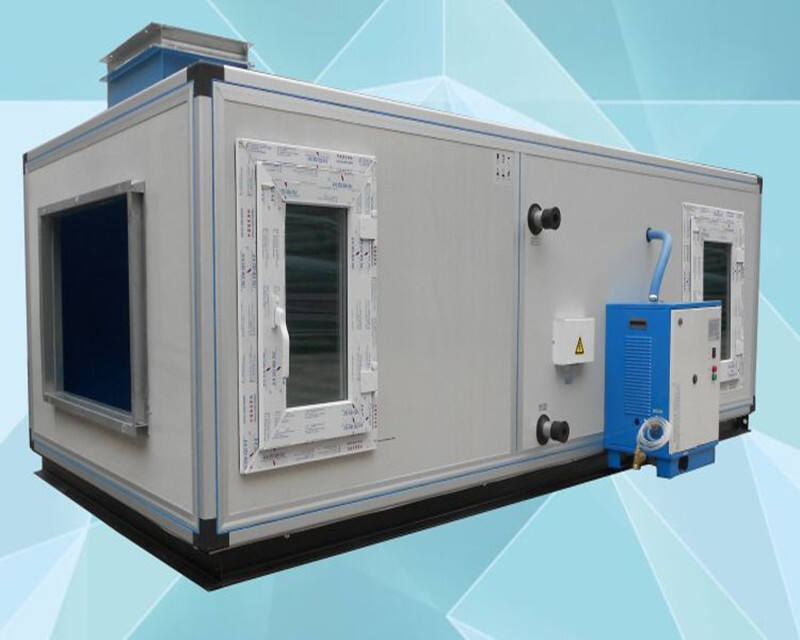
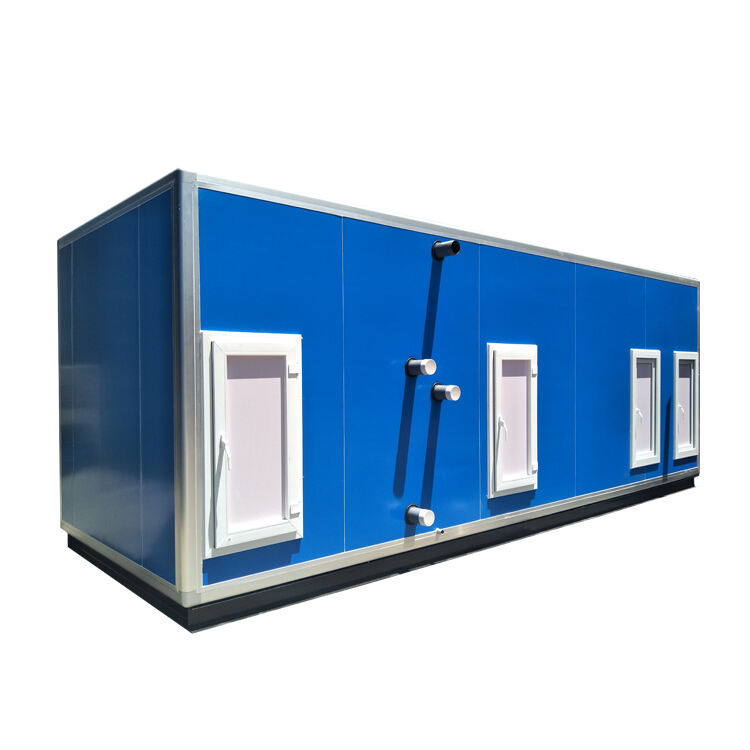
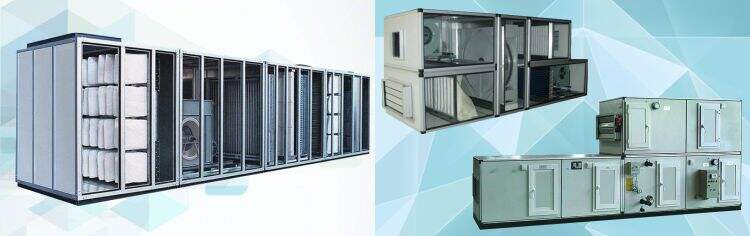
The ahu air conditioning system, commonly known as an Air Handling Unit system, represents a comprehensive climate control solution designed to regulate and circulate air throughout commercial and residential spaces. This sophisticated ventilation equipment serves as the central component in modern HVAC infrastructure, delivering conditioned air to maintain optimal indoor environments. An ahu air conditioning system comprises several integrated components including fans, heating and cooling elements, filters, dampers, and sound attenuators, all working harmoniously to process and distribute air efficiently. The primary functions of this system encompass ventilation, temperature regulation, humidity control, and air purification. By drawing in fresh outdoor air and mixing it with recirculated indoor air, the ahu air conditioning system ensures continuous air quality improvement while maintaining energy efficiency. The technological features embedded within these units include variable speed drives that adjust airflow based on demand, advanced filtration systems capable of removing particulates and contaminants, and smart sensors that monitor temperature, humidity, and air quality in real-time. Modern ahu air conditioning system designs incorporate modular construction, allowing for customization based on specific building requirements and spatial constraints. Applications for these systems span diverse sectors including hospitals, schools, office buildings, manufacturing facilities, hotels, and shopping centers. In healthcare environments, the ahu air conditioning system maintains sterile conditions and controls infection spread through precise air change rates and specialized filtration. Educational institutions benefit from improved concentration and learning outcomes through consistent temperature and air quality management. Commercial spaces utilize these systems to create comfortable shopping and working environments that enhance productivity and customer satisfaction. The versatility of the ahu air conditioning system makes it an indispensable solution for any facility requiring reliable climate control and superior indoor air quality management.

Popular Products

The ahu air conditioning system delivers numerous practical benefits that directly impact your daily comfort and operational costs. First and foremost, these systems provide exceptional energy savings compared to traditional cooling methods. By utilizing heat recovery technology, an ahu air conditioning system captures thermal energy from exhaust air and transfers it to incoming fresh air, reducing the workload on heating and cooling components. This intelligent energy management translates to lower electricity bills, often reducing energy consumption by twenty to forty percent annually. The system operates with remarkable precision, maintaining consistent temperatures throughout your entire facility without the hot and cold spots commonly experienced with conventional units. You gain complete control over indoor air quality, as the ahu air conditioning system continuously filters incoming air, removing dust, pollen, bacteria, and other harmful particles. This filtration capability proves especially valuable for individuals with allergies or respiratory conditions, creating healthier living and working environments. The system operates quietly, incorporating sound-dampening technology that minimizes operational noise, allowing for peaceful residential spaces and productive work environments. Installation flexibility represents another significant advantage, as the ahu air conditioning system adapts to various building layouts and architectural constraints. Whether you manage a compact office or an expansive warehouse, the modular design allows customization to meet your specific space and capacity requirements. Maintenance becomes straightforward with accessible component design, enabling quick filter changes and routine servicing without extensive downtime. The durable construction ensures long-term reliability, with quality ahu air conditioning system units providing fifteen to twenty years of dependable service when properly maintained. You also benefit from improved humidity control, as these systems actively manage moisture levels, preventing mold growth and protecting building materials from humidity damage. The smart integration capabilities allow connection to building management systems, enabling remote monitoring and automated adjustments based on occupancy patterns and environmental conditions. This automation reduces manual intervention while optimizing performance. The ahu air conditioning system supports sustainability goals by reducing carbon footprint through efficient operation and the ability to integrate with renewable energy sources. Businesses appreciate the positive impact on employee productivity, as comfortable working conditions with fresh, clean air reduce sick days and enhance focus. The scalability of these systems means you can start with a configuration matching current needs and expand capacity as your facility grows, protecting your investment while accommodating future requirements.

Practical Tips

What Materials Are Recommended for Pass Box Construction?

05

Nov

What Materials Are Recommended for Pass Box Construction?

Essential Materials for Modern Pass Box Manufacturing Pass boxes serve as critical components in cleanroom environments, pharmaceutical facilities, and laboratories, facilitating the secure transfer of materials between spaces while maintaining contr...
View More
What Are the Cost Benefits of Modular Clean Room Construction

05

Nov

What Are the Cost Benefits of Modular Clean Room Construction

The Economic Advantages of Modern Modular Cleanroom Solutions The landscape of pharmaceutical, semiconductor, and medical device manufacturing has been transformed by modular clean room construction. This innovative approach to building controlled en...
View More
How Do Clean Room Classifications Affect Operational Efficiency and Quality?

30

Jan

How Do Clean Room Classifications Affect Operational Efficiency and Quality?

Clean room classifications serve as the foundation for maintaining controlled environments across pharmaceutical, semiconductor, and medical device manufacturing industries. These standardized systems define the maximum allowable concentration of air...
View More
Clean Room Applications Across Electronics, Medical, and Precision Manufacturing

30

Jan

Clean Room Applications Across Electronics, Medical, and Precision Manufacturing

Modern manufacturing and healthcare facilities rely heavily on controlled environments to ensure product quality, safety, and regulatory compliance. A clean room represents a specialized environment where airborne particles, contaminants, and environ...
View More

Get a Free Quote

Our representative will contact you soon.
Email
Name
Company Name
Attachment
Please upload at least an attachment
Up to 3 files,more 30mb,suppor jpg、jpeg、png、pdf、doc、docx、xls、xlsx、csv、txt
Message
0/1000

ahu air conditioning system

Advanced Multi-Stage Filtration Technology

Advanced Multi-Stage Filtration Technology

The ahu air conditioning system incorporates cutting-edge multi-stage filtration technology that sets new standards for indoor air purity and occupant health protection. This sophisticated filtration approach employs multiple filter layers, each designed to capture specific particle sizes and contaminant types, creating a comprehensive air cleaning process that far exceeds basic filtration methods. The first stage typically features pre-filters that trap larger particles such as dust, lint, and debris, extending the lifespan of downstream filters while maintaining optimal airflow. The secondary filtration stage utilizes high-efficiency particulate air filters capable of capturing microscopic particles as small as point three microns, including pollen, mold spores, and fine dust that trigger allergic reactions and respiratory distress. Advanced ahu air conditioning system configurations include activated carbon filters in the third stage, specifically targeting odors, volatile organic compounds, and gaseous pollutants that other filters cannot address. This chemical filtration proves essential in environments exposed to industrial emissions, vehicle exhaust, or internal sources like cleaning products and office equipment. Some premium systems incorporate ultraviolet germicidal irradiation technology within the ahu air conditioning system, using UV-C light to neutralize bacteria, viruses, and other biological contaminants as air passes through the unit. This additional layer provides critical protection in healthcare facilities, food processing plants, and anywhere infection control remains paramount. The filtration system operates continuously, processing and reprocessing indoor air multiple times per hour, ensuring consistent purification throughout occupied hours. Property managers and facility operators benefit from filter monitoring systems that track pressure differentials across filters, providing automated alerts when replacement becomes necessary, preventing system strain and maintaining peak efficiency. The economic advantages of superior filtration extend beyond health benefits, as cleaner air reduces dust accumulation on surfaces, furniture, and equipment, decreasing cleaning costs and extending the service life of expensive assets. The ahu air conditioning system filtration technology adapts to seasonal variations, with filter configurations adjustable to address higher pollen counts during spring or increased particulate levels during construction activities. This adaptability ensures year-round protection regardless of external environmental conditions, giving building occupants confidence in their indoor air quality.
Intelligent Energy Recovery Ventilation

Intelligent Energy Recovery Ventilation

Energy recovery ventilation stands as one of the most valuable features within the modern ahu air conditioning system, delivering substantial cost savings while maintaining superior indoor air quality standards. This innovative technology captures thermal energy from exhaust air that would otherwise be wasted and transfers it to incoming fresh air, dramatically reducing the energy required for heating and cooling. The ahu air conditioning system achieves this through specialized heat exchangers positioned within the unit, creating a controlled interface where outgoing and incoming airstreams pass in close proximity without mixing. During winter months, warm exhaust air from your facility transfers its heat to cold incoming outdoor air, preheating it before it enters the main conditioning components. This preheating significantly reduces the burden on heating elements, cutting natural gas or electric heating costs substantially. Conversely, during summer operation, the ahu air conditioning system transfers coolness from conditioned exhaust air to hot incoming outdoor air, pre-cooling it and reducing the load on air conditioning compressors. The efficiency gains achieved through this heat recovery process typically range from sixty to eighty percent, representing enormous energy savings over the system's operational lifetime. Building owners recognize return on investment within three to five years through reduced utility bills alone, making the ahu air conditioning system an economically sound choice for both new construction and retrofit projects. Beyond direct cost savings, energy recovery ventilation supports environmental sustainability initiatives by reducing fossil fuel consumption and greenhouse gas emissions associated with building operations. The technology operates automatically, requiring no manual intervention, with sensors continuously monitoring temperature differentials and adjusting heat transfer rates to maximize efficiency under varying conditions. Modern ahu air conditioning system designs incorporate both sensible and latent heat recovery, meaning they transfer not only temperature but also moisture content between airstreams. This moisture transfer proves particularly valuable in humid climates where dehumidification represents a significant energy expense, as the system naturally removes moisture from incoming air using the drier exhaust air as a desiccant. The sealed construction of heat recovery cores prevents cross-contamination between airstreams, maintaining indoor air quality while achieving energy transfer. Regular maintenance of these components remains minimal, typically requiring only periodic inspection and cleaning, ensuring sustained performance throughout the system's service life. The integration of energy recovery technology within the ahu air conditioning system demonstrates how engineering innovation creates solutions that simultaneously address economic, environmental, and comfort objectives.
Smart Building Integration and Automated Control

Smart Building Integration and Automated Control

The contemporary ahu air conditioning system features sophisticated smart building integration capabilities that revolutionize facility management through automated control and real-time performance optimization. These intelligent systems connect seamlessly with building management platforms, creating a centralized command center where facility managers monitor and adjust all HVAC operations from a single interface. The ahu air conditioning system communicates continuously with an array of sensors distributed throughout the building, collecting data on temperature, humidity, air quality, occupancy, and equipment performance. This constant information flow enables the system to make automated adjustments that optimize comfort while minimizing energy consumption, adapting to changing conditions without human intervention. Occupancy sensors detect when rooms or zones are in use, allowing the ahu air conditioning system to reduce or redirect airflow to unoccupied areas, eliminating wasted energy on conditioning empty spaces. The predictive algorithms embedded within advanced systems analyze historical usage patterns and weather forecasts, pre-conditioning spaces before occupancy begins and adjusting operation schedules to match actual facility use rather than fixed timetables. This intelligent operation translates to energy savings of twenty to thirty percent compared to systems operating on simple time-based controls. The remote access capabilities of modern ahu air conditioning system platforms empower facility managers to monitor performance and make adjustments from anywhere with internet connectivity, responding promptly to comfort complaints or system alerts without being physically present. Automated maintenance reminders track runtime hours, filter condition, and component wear, scheduling preventive maintenance before failures occur and extending equipment lifespan while avoiding costly emergency repairs. The diagnostic capabilities within smart ahu air conditioning system controls identify developing issues through performance anomalies, alerting technicians to problems like declining airflow, temperature inconsistencies, or unusual energy consumption patterns that indicate maintenance needs. These early warnings prevent minor issues from escalating into major failures that disrupt operations and require expensive repairs. The data logging functions create comprehensive operational records, documenting energy usage, temperature trends, and system performance over time, providing valuable insights for optimizing settings and supporting sustainability reporting requirements. Integration with other building systems creates synergies that enhance overall facility efficiency, such as coordinating with lighting controls to reduce conditioning when natural daylight reduces heat gain, or interfacing with access control systems to adjust ventilation based on actual occupancy rather than estimates. The ahu air conditioning system smart controls support multiple user access levels, allowing facility managers full control while giving department supervisors limited adjustment capabilities for their specific zones, balancing centralized management with localized flexibility. The future-ready architecture of these control systems accommodates software updates and feature additions, ensuring your ahu air conditioning system remains current with evolving technology standards and emerging capabilities without requiring hardware replacement.

Get a Free Quote

Our representative will contact you soon.
Email
Name
Company Name
Attachment
Please upload at least an attachment
Up to 3 files,more 30mb,suppor jpg、jpeg、png、pdf、doc、docx、xls、xlsx、csv、txt
Message
0/1000

Get a Free Quote

Our representative will contact you soon.
Email
Name
Company Name
Attachment
Please upload at least an attachment
Up to 3 files,more 30mb,suppor jpg、jpeg、png、pdf、doc、docx、xls、xlsx、csv、txt
Message
0/1000