Aanpasbare Ontwerp en Toepassingsveelsydigheid
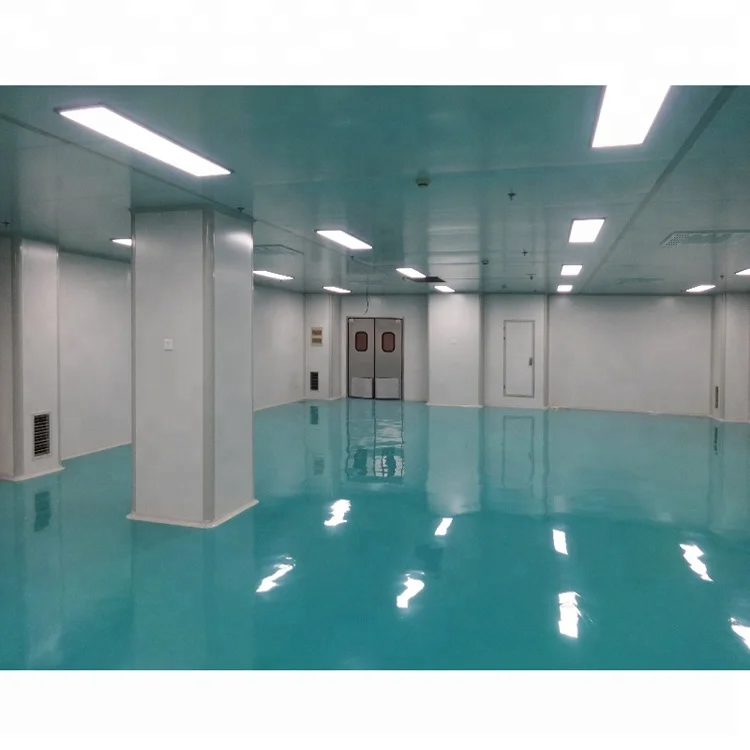
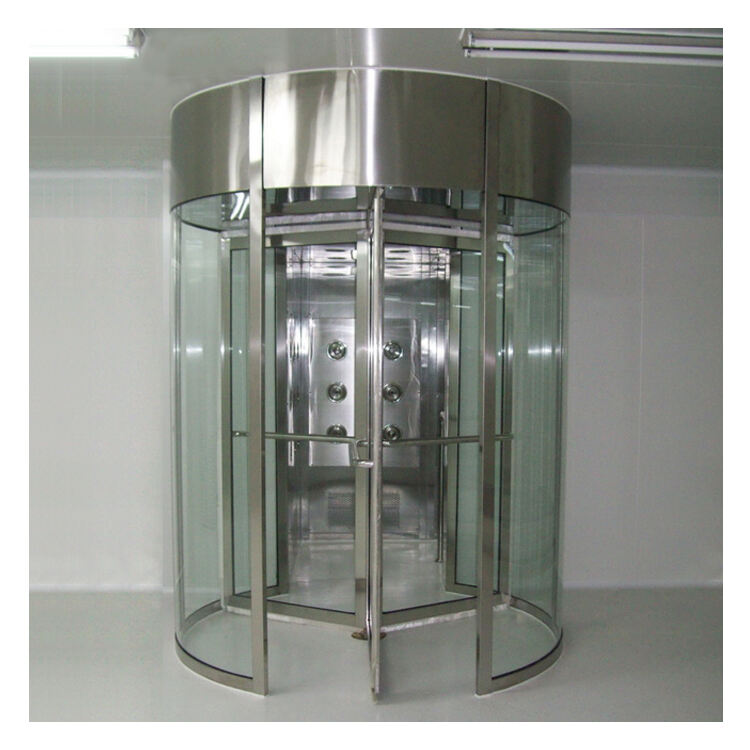
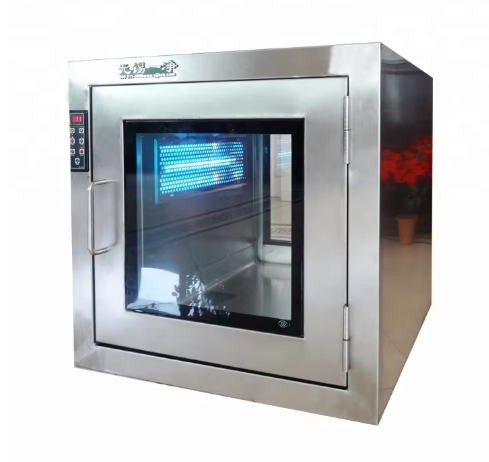
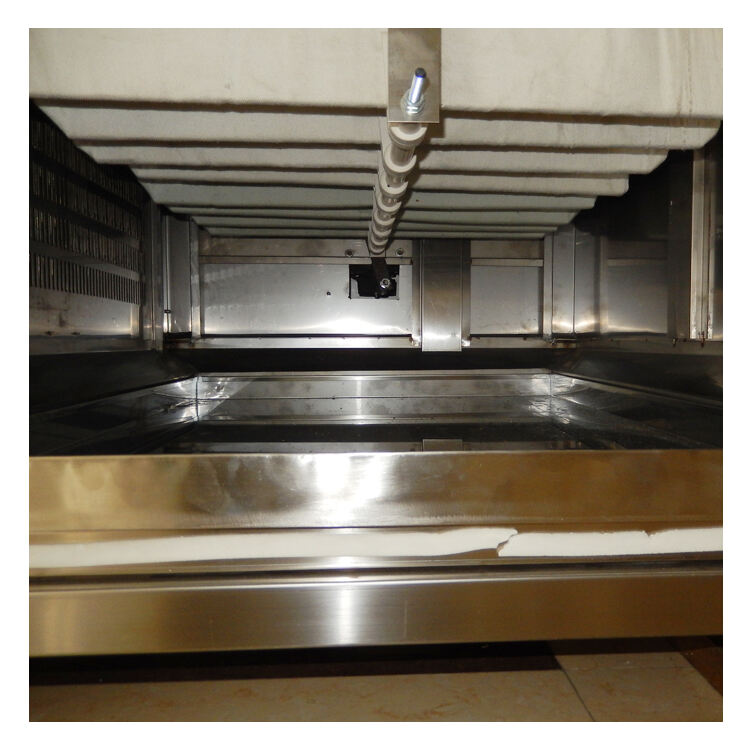
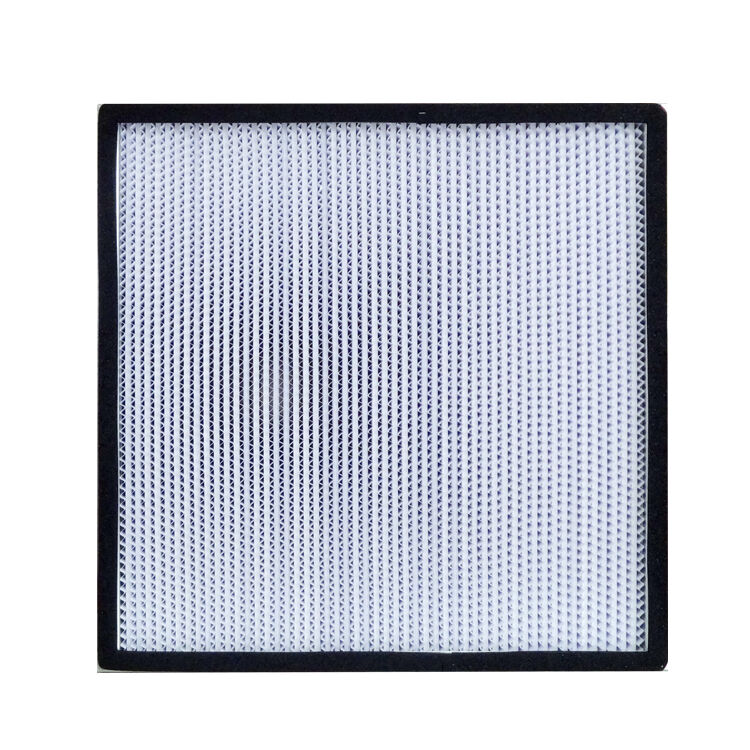
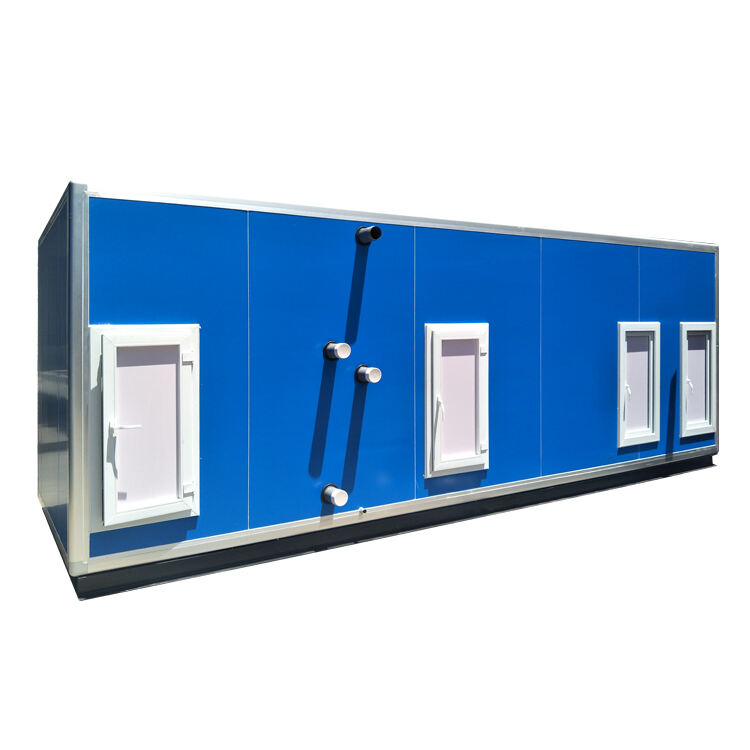
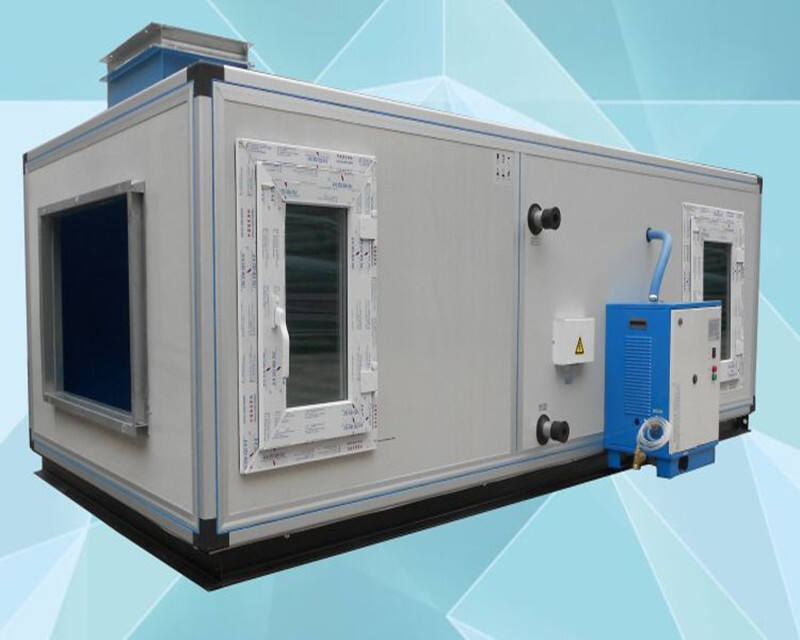
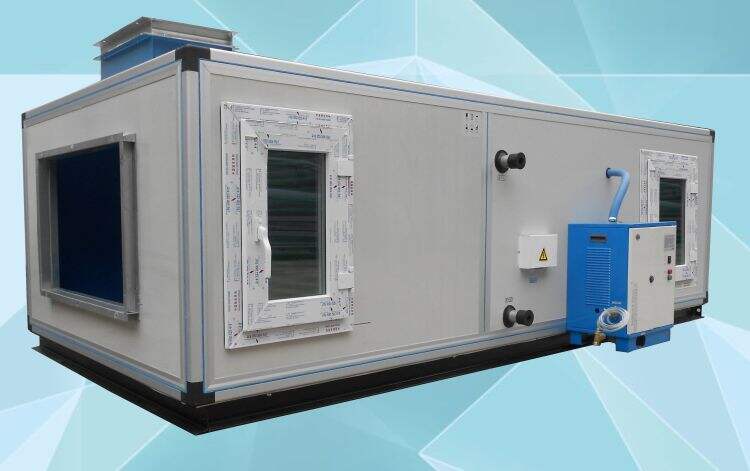
Die opmerklike veelvoudigheid van lugbehandelingseenheidstelsels maak suksesvolle implementering oor baie verskillende toepassings moontlik, met aanpasbare opsies wat unieke vereistes aanspreek wat wissel van basiese gemakverstellings tot hoogs gespesialiseerde omgewingsbeheer. Hierdie aanpasbaarheid begin met modulêre konstruksiebenaderings wat dit moontlik maak om lugbehandelingseenheidstelsels presies met die komponente en kapasiteite te konfigureer wat vir spesifieke projekte benodig word, wat die ondoeltreffendhede en kostes wat verband hou met oorgroot of ontoereikend gespesifiseerde toerusting vermy. Kasgroottes wissel van kompakte eenhede wat geskik is vir klein kommersiële ruimtes tot groot aangepaste samestellings wat hele geboukomplekse bedien, met lugvloei-kapasiteite wat wissel van honderde tot honderdduisende kubieke voet per minuut. Spoelkonfigurasies binne lugbehandelingseenheidstelsels kan aangepas word vir verskeie verhitting- en verkoelingsmedia, insluitend gekoelde water, warm water, stoom, direkte-uitbreidingkoelmiddel of elektriese weerstand, om die energiebronne en verspreidingsstelsels wat in u fasiliteit teenwoordig is, te akkommodeer. Veelvuldige spoelrye en gespesialiseerde stroombane optimaliseer die hitteoordragdoeltreffendheid vir u spesifieke klimaatomstandighede en prestasievereistes, wat verseker dat die lugbehandelingseenheidstelsel die gewenste temperature lewer sonder oormatige energieverbruik. Voegting- en ontvoegtingvermoëns kan geïntegreer word wanneer vogbeheer belangrik is vir prosesvereistes, bewaring van materiale of besoekersgemak in ekstreme klimaatgebiede, met opsies soos stoominspuiting, verdampingsmedia en desikantstelsels wat afhang van die toepassingsvereistes. Spesiale konstruksiematerials en -bekledings beskerm lugbehandelingseenheidstelsels in korrosiewe omgewings soos kusgebiede, chemiese verwerkingsfasiliteite en rioolwaterbehandelingsaanlegte, wat die toerusting se leeftyd verleng ten spyte van uitdagende omstandighede. Skoonkamer-toepassings vereis gespesialiseerde lugbehandelingseenheidstelsels met gladde binneskante, versegelde konstruksie en ultra-hoë-doeltreffende filters, terwyl industriële prosesse miskien ontploffingsbestande elektriese komponente en vonkbestande konstruksie vir gevaarlike plekke benodig. Akoustiese behandelings wat wissel van bekleding van kaswande tot uitlaatdemper kan lugbehandelingseenheidstelsels in staat stel om streng gelaagkriteriums in klankgevoelige toepassings soos opnamestudio's, teaters en pasiëntversorgingsareas te bevredig. Installasiebuigbaarheid akkommodeer verskeie ruimtelike beperkings, met horisontale en vertikale konfigurasies, binne- en buitegeklassifiseerde behuisinge, en verdeelde konstruksies wat lewerings deur beperkte toegangspunte vergemaklik. Die lugbehandelingseenheidstelsel wat u fasiliteit bedien, kan kenmerke insluit soos omseilkleppe vir ekonomiserbedryf, ultraviolet germisiede bestraling vir biologiese kontaminasiebeheer en hittepijp-tegnologie vir verbeterde ontvoegting, wat die wye reeks beskikbare aanpassings demonstreer. Toekomstige uitbreidingsbeskouings kan tydens die aanvanklike spesifikasie van die lugbehandelingseenheidstelsel aangespreek word, met die insluiting van oorgroot kasse of versterkte strukturele komponente wat later byvoegings akkommodeer sonder dat volledige vervanging nodig is. Hierdie vooruitskouende benadering beskerm u belegging terwyl dit buigbaarheid vir ontwikkelende behoeftes handhaaf, of dit nou weens fasiliteitsuitbreiding, prosesveranderings of nuwe regulasies wat verbeterde vermoëns van u lugbehandelingseenheidstelsel vereis, is.

 EN
EN