AHU Unit in HVAC: Complete Guide to Air Handling Systems, Benefits & Applications

All Categories

Get a Free Quote

Our representative will contact you soon.
Email
Name
Company Name
Attachment
Please upload at least an attachment
Up to 3 files,more 30mb,suppor jpg、jpeg、png、pdf、doc、docx、xls、xlsx、csv、txt
Message
0/1000

Get a Free Quote

Our representative will contact you soon.
Email
Name
Company Name
Attachment
Please upload at least an attachment
Up to 3 files,more 30mb,suppor jpg、jpeg、png、pdf、doc、docx、xls、xlsx、csv、txt
Message
0/1000

ahu unit in hvac

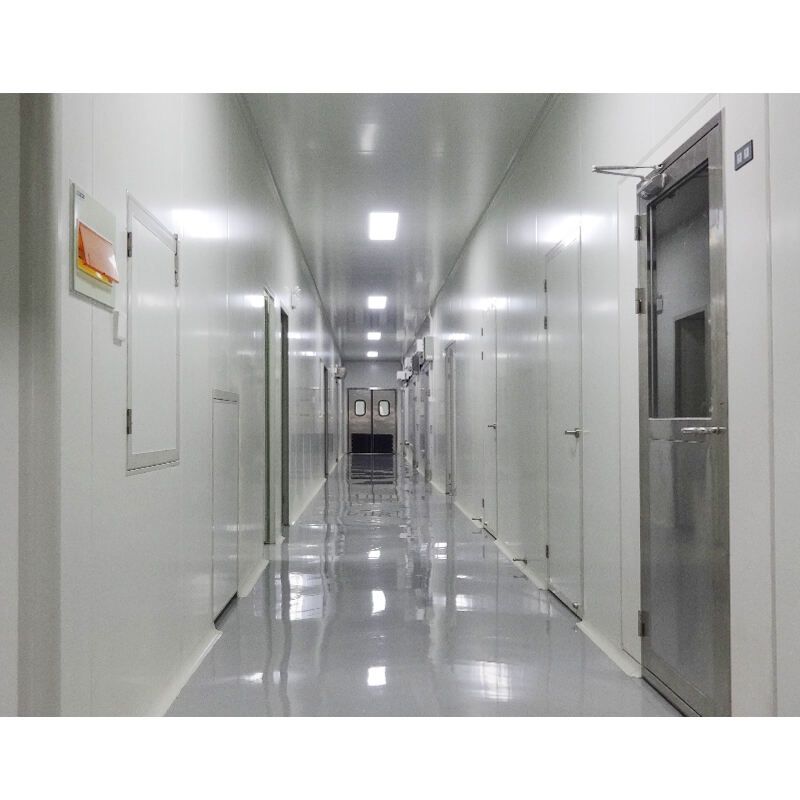
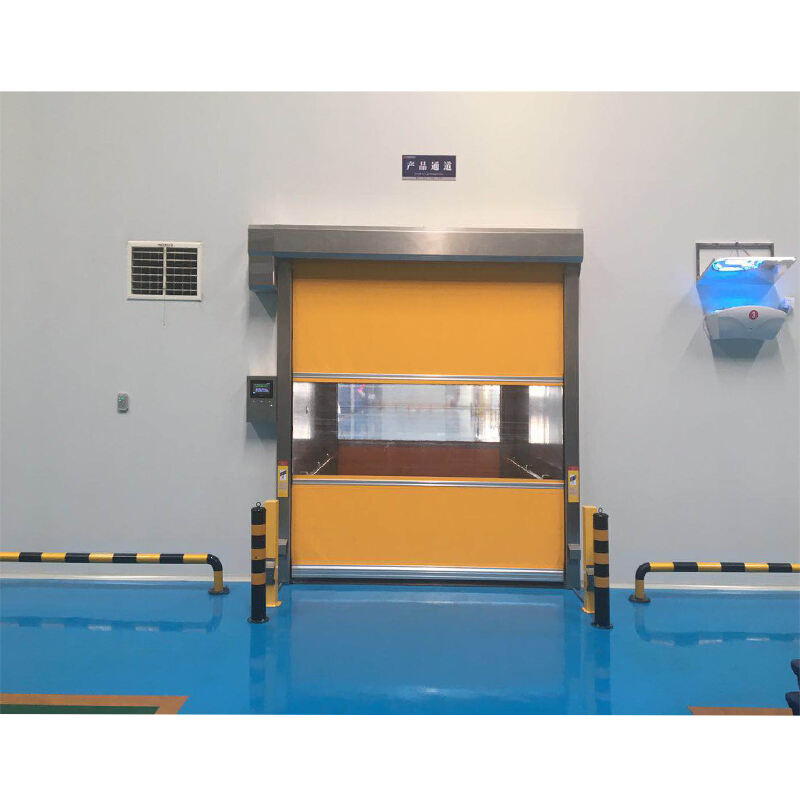
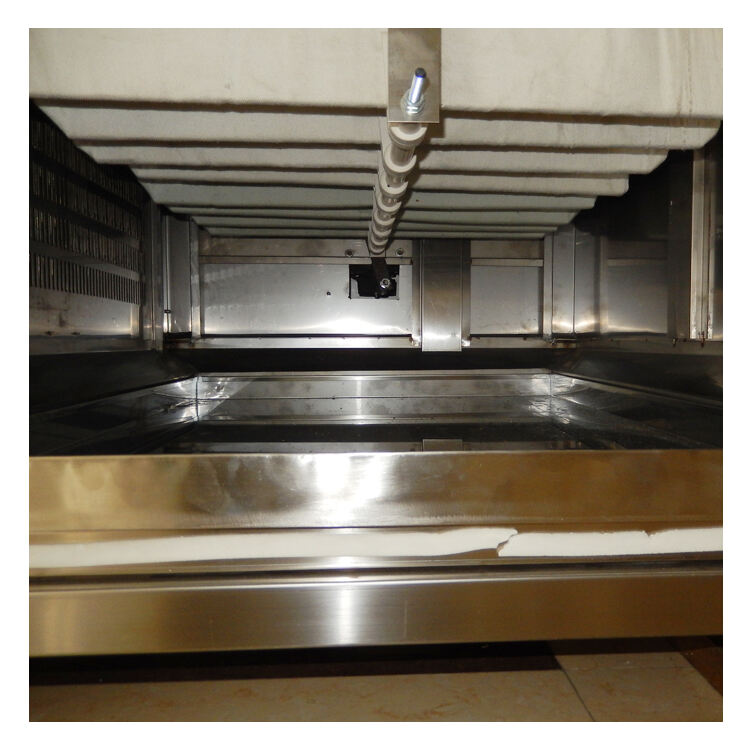
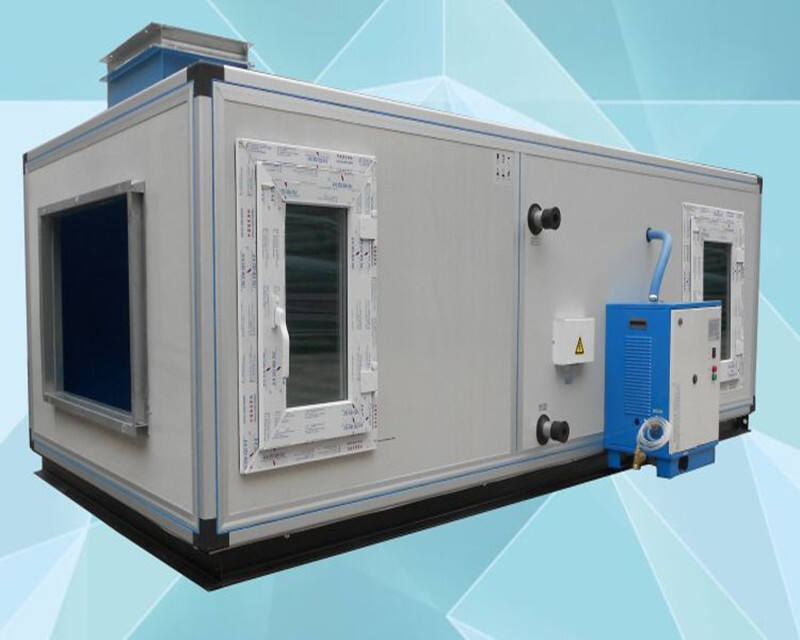
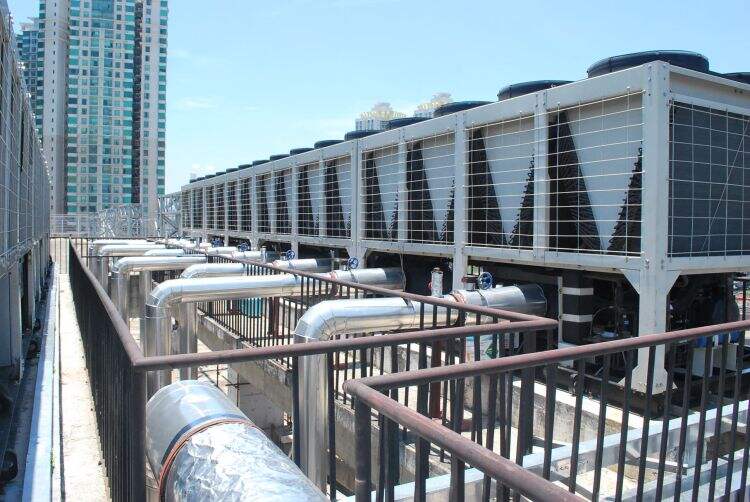
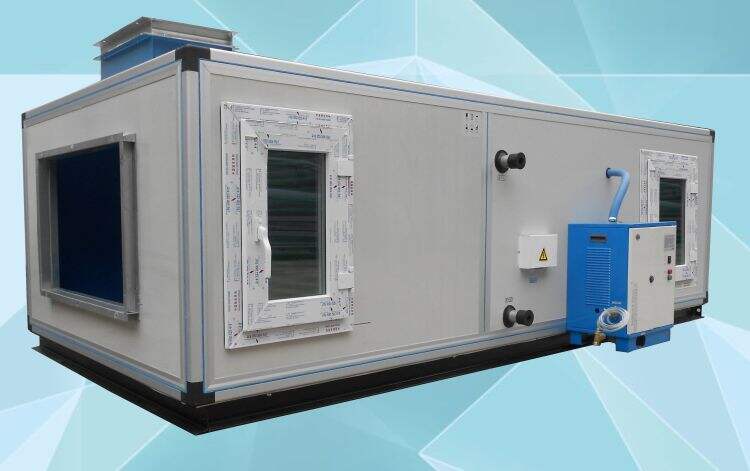
An AHU unit in HVAC, or Air Handling Unit, serves as the central component in heating, ventilation, and air conditioning systems. This essential equipment regulates and circulates air throughout commercial buildings, industrial facilities, hospitals, schools, and residential complexes. The AHU unit in HVAC works by drawing in outside air, conditioning it through various processes, and distributing it to occupied spaces. Modern AHU units incorporate sophisticated technology to filter, heat, cool, humidify, or dehumidify air based on specific requirements. The primary functions include air filtration to remove contaminants, temperature control through heating or cooling coils, humidity management, and controlled air distribution. These units typically consist of a metal casing housing multiple components such as fans, filters, heating elements, cooling coils, dampers, and control systems. The AHU unit in HVAC operates by pulling air through intake louvers, passing it through filtration stages that capture dust, pollen, and other airborne particles. The conditioned air then moves through heat exchangers where temperature adjustment occurs. Variable speed drives control fan operations, allowing precise airflow management and energy optimization. Advanced AHU units feature modular designs enabling customization for specific applications. They integrate seamlessly with building management systems, providing real-time monitoring and automated adjustments. The technological features of an AHU unit in HVAC include energy recovery systems that capture waste heat or cooling from exhaust air, reducing operational costs. Sound attenuation panels minimize noise levels, making them suitable for noise-sensitive environments. Applications span diverse sectors: healthcare facilities require AHU units with HEPA filtration for sterile environments, manufacturing plants need robust units handling process air, while office buildings benefit from energy-efficient models maintaining comfortable working conditions. The versatility of the AHU unit in HVAC makes it indispensable for maintaining indoor air quality, occupant comfort, and regulatory compliance across various building types and climates.

Popular Products

The AHU unit in HVAC delivers substantial benefits that directly impact building operations, occupant wellbeing, and financial performance. First, these systems dramatically improve indoor air quality by continuously filtering and refreshing air throughout your facility. Clean air means healthier occupants, fewer sick days, and increased productivity in workplaces. The filtration capabilities remove allergens, bacteria, viruses, and pollutants, creating safer breathing environments. Second, the AHU unit in HVAC provides precise temperature control across different zones, ensuring consistent comfort regardless of external weather conditions or internal heat loads. This precision eliminates hot spots and cold zones that frustrate occupants and waste energy. Third, energy efficiency stands as a major advantage. Modern AHU units incorporate variable speed technology that adjusts fan speeds based on actual demand rather than running at full capacity constantly. This intelligent operation cuts electricity consumption by up to forty percent compared to older fixed-speed systems. Energy recovery features capture thermal energy from exhaust air and transfer it to incoming fresh air, reducing the heating or cooling load on primary equipment. Fourth, the AHU unit in HVAC offers exceptional flexibility and scalability. Modular designs allow you to configure units precisely for your space requirements and expand capacity as needs grow. You can add components like additional filtration stages, humidification systems, or heat recovery modules without replacing the entire unit. Fifth, maintenance becomes simpler and more cost-effective. Accessible panels and standardized components mean technicians can quickly inspect, clean, or replace parts, minimizing downtime. Predictive maintenance features alert you to potential issues before failures occur, preventing expensive emergency repairs. Sixth, noise reduction technology built into the AHU unit in HVAC creates quieter indoor environments. This matters greatly in hospitals, schools, offices, and residential buildings where noise disrupts activities and reduces quality of life. Seventh, these units comply with increasingly strict environmental regulations and building codes. They help achieve green building certifications and meet ventilation standards that protect occupant health. Eighth, the AHU unit in HVAC integrates with smart building systems, enabling remote monitoring and control. Facility managers can adjust settings, track performance metrics, and optimize operations from anywhere, reducing labor costs while improving system performance. Finally, durability and longevity provide long-term value. Quality AHU units operate reliably for fifteen to twenty years with proper maintenance, delivering consistent performance and protecting your investment over decades of service.

Practical Tips

How to Maintain Clean Air Systems to Meet ISO Standards

21

Oct

How to Maintain Clean Air Systems to Meet ISO Standards

Essential Guidelines for Industrial Air Quality Management In today's industrial landscape, maintaining clean air systems has become a critical requirement for operational excellence and regulatory compliance. Modern facilities must adhere to stringe...
View More
What Are the Essential Equipment and Materials in a Clean Room?

05

Nov

What Are the Essential Equipment and Materials in a Clean Room?

Understanding Critical Components of Modern Clean Room Environments Clean rooms represent the pinnacle of controlled environments, where precision, cleanliness, and contamination control converge to create spaces essential for various industries. Fro...
View More
What Are the Benefits of Modular Air Handling Units

02

Dec

What Are the Benefits of Modular Air Handling Units

Modern industrial facilities and commercial buildings face increasingly complex air quality challenges that require sophisticated yet adaptable solutions. Traditional HVAC systems often fall short when facilities need to expand, modify operations, or...
View More
Clean Room Applications Across Electronics, Medical, and Precision Manufacturing

30

Jan

Clean Room Applications Across Electronics, Medical, and Precision Manufacturing

Modern manufacturing and healthcare facilities rely heavily on controlled environments to ensure product quality, safety, and regulatory compliance. A clean room represents a specialized environment where airborne particles, contaminants, and environ...
View More

Get a Free Quote

Our representative will contact you soon.
Email
Name
Company Name
Attachment
Please upload at least an attachment
Up to 3 files,more 30mb,suppor jpg、jpeg、png、pdf、doc、docx、xls、xlsx、csv、txt
Message
0/1000

ahu unit in hvac

Advanced Filtration Technology for Superior Air Quality

Advanced Filtration Technology for Superior Air Quality

The filtration capabilities of an AHU unit in HVAC represent one of its most critical features, directly impacting the health and comfort of building occupants. Modern AHU units employ multi-stage filtration systems that progressively remove contaminants of varying sizes from the air stream. The first stage typically uses pre-filters that capture larger particles like dust, lint, and debris, protecting downstream components from accumulation and extending their service life. These pre-filters are usually washable or easily replaceable, keeping maintenance costs manageable. The second stage incorporates medium-efficiency filters rated MERV 8 to MERV 13, which trap smaller particles including pollen, mold spores, and fine dust. For applications requiring exceptional air purity, such as hospitals, laboratories, or cleanrooms, the AHU unit in HVAC can include HEPA filters capturing 99.97 percent of particles as small as 0.3 microns. This level of filtration removes bacteria, viruses, and ultrafine particulates that pose health risks. Some advanced units also feature activated carbon filters that adsorb odors, volatile organic compounds, and gaseous pollutants, addressing air quality concerns beyond particulate matter. The importance of this filtration technology extends beyond comfort to genuine health protection. Poor indoor air quality contributes to respiratory problems, allergies, asthma, and sick building syndrome. By continuously removing contaminants, the AHU unit in HVAC creates healthier indoor environments that reduce illness, improve cognitive function, and enhance overall wellbeing. For businesses, this translates to fewer employee sick days, higher productivity, and reduced liability. For schools, better air quality supports student learning and attendance. For healthcare facilities, it prevents infection transmission and supports patient recovery. The value proposition becomes even stronger when considering regulatory compliance. Building codes and health standards increasingly mandate minimum ventilation rates and filtration levels. An AHU unit in HVAC with appropriate filtration ensures compliance, avoiding penalties and protecting building owners from legal exposure. Furthermore, quality filtration protects the HVAC system itself by preventing dirt accumulation on coils, fans, and ductwork, which would otherwise reduce efficiency and increase energy costs. Clean systems operate more efficiently, last longer, and require less maintenance, delivering ongoing cost savings that offset the initial investment in superior filtration technology.
Energy Recovery Systems Maximizing Operational Efficiency

Energy Recovery Systems Maximizing Operational Efficiency

Energy recovery represents a transformative feature in modern AHU units in HVAC, fundamentally changing the economics of building climate control. These systems capture thermal energy from exhaust air that would otherwise be wasted and transfer it to incoming fresh air, dramatically reducing the heating or cooling load on primary equipment. Two main types of energy recovery exist: sensible heat recovery, which transfers temperature only, and total energy recovery, which transfers both temperature and moisture. The AHU unit in HVAC equipped with energy recovery wheels or plate heat exchangers can recover sixty to eighty percent of the energy in exhaust air. During winter, warm exhaust air preheats cold incoming fresh air before it reaches heating coils, reducing the energy needed to bring outside air to comfortable temperatures. During summer, the process reverses: cool exhaust air precools hot incoming air, lessening the cooling load. In humid climates, total energy recovery also transfers moisture, reducing the dehumidification burden on cooling equipment. The financial impact of energy recovery in an AHU unit in HVAC proves substantial. Buildings typically spend forty to sixty percent of their total energy budget on heating, cooling, and ventilation. Energy recovery can cut this consumption by twenty to forty percent, translating to thousands or even millions of dollars in annual savings for large facilities. The payback period for energy recovery equipment often ranges from two to five years, after which the savings flow directly to the bottom line. Beyond direct cost savings, energy recovery reduces peak demand on heating and cooling equipment, allowing you to specify smaller, less expensive primary systems. This downsizing reduces capital costs while still meeting comfort requirements. Environmental benefits complement financial advantages. Lower energy consumption means reduced greenhouse gas emissions and smaller carbon footprints, supporting corporate sustainability goals and environmental responsibility commitments. Many organizations face increasing pressure from stakeholders, customers, and regulators to demonstrate environmental stewardship. An AHU unit in HVAC with energy recovery provides measurable, verifiable emissions reductions that strengthen sustainability reporting and enhance corporate reputation. The technology also improves system resilience. By reducing the load on primary heating and cooling equipment, energy recovery extends equipment life and reduces maintenance requirements. Components operating under less stress experience fewer failures and longer service intervals. Additionally, energy recovery maintains better humidity control, preventing moisture-related problems like mold growth, material degradation, and occupant discomfort that plague buildings with inadequate moisture management.
Smart Integration and Control for Optimized Performance

Smart Integration and Control for Optimized Performance

The integration capabilities of modern AHU units in HVAC with building management systems and smart controls represent a paradigm shift in facility management, enabling unprecedented levels of operational optimization and efficiency. Contemporary AHU units feature sophisticated control systems with multiple sensors monitoring temperature, humidity, pressure, air quality, and equipment status in real time. These sensors feed data to programmable controllers that automatically adjust fan speeds, damper positions, heating and cooling output, and other parameters to maintain optimal conditions while minimizing energy consumption. The AHU unit in HVAC communicates via standard protocols like BACnet, Modbus, or LonWorks, allowing seamless integration with enterprise building management systems. This connectivity enables centralized monitoring and control of multiple AHU units across entire facilities or even multiple buildings from a single interface. Facility managers can view real-time performance data, adjust setpoints, schedule operations, and receive alerts about maintenance needs or performance issues without visiting equipment rooms. The practical benefits of smart integration prove transformative. Demand-based ventilation adjusts fresh air intake based on actual occupancy rather than running at maximum capacity continuously, cutting energy waste during low-occupancy periods. Occupancy sensors and CO2 monitors signal the AHU unit in HVAC to increase or decrease ventilation rates dynamically, maintaining air quality while avoiding unnecessary energy consumption. Scheduling features automatically reduce system operation during unoccupied hours, then ramp up before occupants arrive, ensuring comfort without wasting energy overnight or on weekends. Predictive maintenance capabilities analyze performance trends to identify developing problems before failures occur. The system alerts maintenance staff when filters need replacement, bearings show wear, or efficiency degrades, enabling proactive intervention that prevents costly emergency repairs and unplanned downtime. Historical data logging supports energy audits, performance verification, and continuous improvement initiatives. You can track energy consumption patterns, identify optimization opportunities, and measure the impact of operational changes with precision. For organizations pursuing energy efficiency certifications or participating in demand response programs, the detailed monitoring and control capabilities of an AHU unit in HVAC provide the documentation and flexibility required. Remote access features allow facility managers and service technicians to diagnose issues, adjust settings, and even perform certain maintenance tasks remotely, reducing response times and travel costs. During emergencies or unusual conditions, operators can quickly implement system-wide changes to protect occupants and equipment. The value extends to tenant satisfaction in commercial buildings. Responsive systems that maintain consistent comfort and air quality reduce complaints, improve tenant retention, and support premium rental rates.

Get a Free Quote

Our representative will contact you soon.
Email
Name
Company Name
Attachment
Please upload at least an attachment
Up to 3 files,more 30mb,suppor jpg、jpeg、png、pdf、doc、docx、xls、xlsx、csv、txt
Message
0/1000

Get a Free Quote

Our representative will contact you soon.
Email
Name
Company Name
Attachment
Please upload at least an attachment
Up to 3 files,more 30mb,suppor jpg、jpeg、png、pdf、doc、docx、xls、xlsx、csv、txt
Message
0/1000