AHU System: Advanced Air Handling Solutions for Optimal Climate Control and Energy Efficiency

All Categories

Get a Free Quote

Our representative will contact you soon.
Email
Name
Company Name
Attachment
Please upload at least an attachment
Up to 3 files,more 30mb,suppor jpg、jpeg、png、pdf、doc、docx、xls、xlsx、csv、txt
Message
0/1000

Get a Free Quote

Our representative will contact you soon.
Email
Name
Company Name
Attachment
Please upload at least an attachment
Up to 3 files,more 30mb,suppor jpg、jpeg、png、pdf、doc、docx、xls、xlsx、csv、txt
Message
0/1000

ahu system

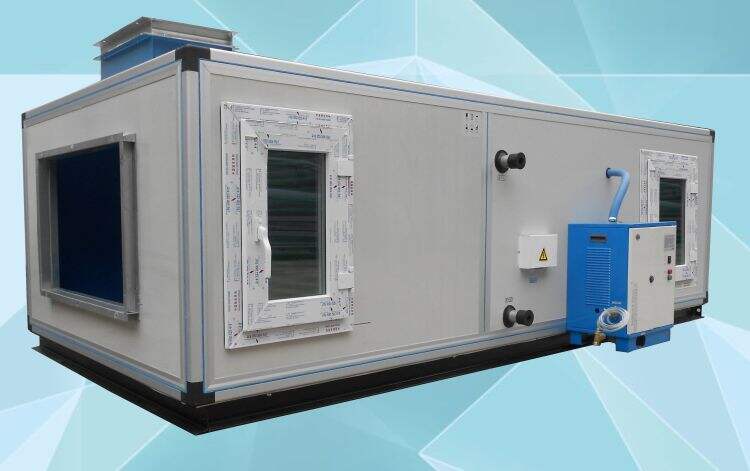
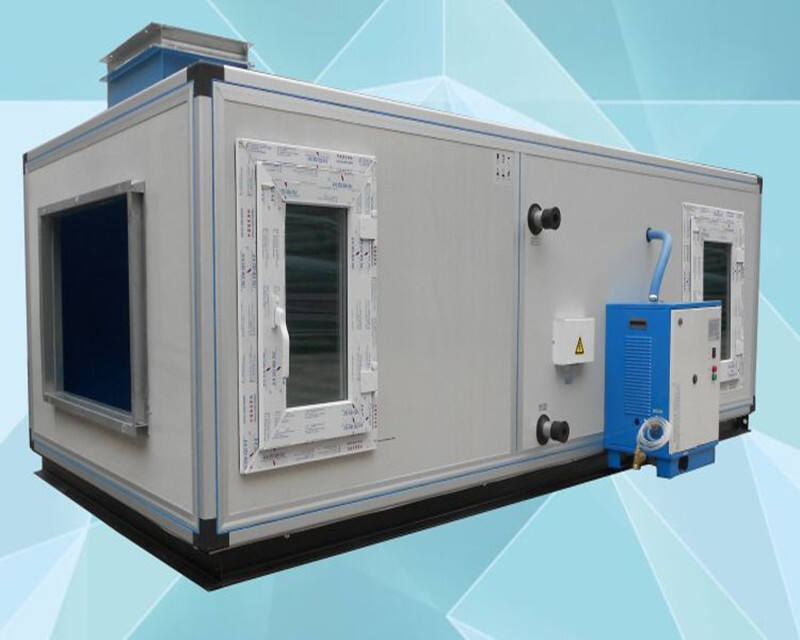
An AHU system, or Air Handling Unit system, serves as the central component in modern climate control infrastructure, designed to regulate and circulate air throughout commercial buildings, industrial facilities, and large residential complexes. This sophisticated equipment manages indoor air quality by conditioning, filtering, and distributing air to maintain optimal environmental conditions. The primary function of an AHU system involves drawing in outdoor air, treating it through various processes including filtration, heating, cooling, humidification, or dehumidification, and then distributing the conditioned air through ductwork to occupied spaces. The system operates as the lungs of a building, ensuring continuous fresh air supply while removing stale air and contaminants. Modern AHU systems incorporate advanced technological features such as variable speed drives that adjust fan speeds based on demand, energy recovery wheels that capture heat or coolness from exhaust air to precondition incoming fresh air, and intelligent control systems that monitor and optimize performance in real-time. These units typically consist of several key components including supply and return air fans, heating and cooling coils, air filters of various grades, dampers for airflow control, and mixing chambers where outdoor and return air blend. The technological sophistication extends to integration capabilities with building management systems, allowing facility managers to monitor performance metrics, adjust settings remotely, and receive alerts about maintenance needs. Applications for AHU systems span diverse sectors including hospitals where precise air quality control prevents infection spread, data centers requiring consistent temperature and humidity levels, manufacturing facilities needing contamination-free environments, office buildings prioritizing occupant comfort and productivity, educational institutions, hotels, shopping centers, and pharmaceutical production facilities. The versatility of AHU systems makes them indispensable in any environment where air quality, temperature control, and energy efficiency matter. These systems can be customized to meet specific requirements, from compact rooftop units serving small buildings to massive custom-engineered systems handling airflow for entire campuses or high-rise structures.

New Product Releases

The AHU system delivers substantial benefits that directly impact operational costs, occupant wellbeing, and environmental sustainability. Energy efficiency stands as a primary advantage, with modern AHU systems reducing power consumption by up to 40 percent compared to older climate control methods. This efficiency stems from intelligent controls that adjust operation based on actual demand rather than running at full capacity continuously. Variable speed drives modulate fan speeds precisely, consuming only the energy needed for current conditions. Heat recovery features capture thermal energy from exhaust air that would otherwise be wasted, using it to precondition incoming fresh air and dramatically reducing heating and cooling loads. These energy savings translate directly into lower utility bills, with many facilities recovering their AHU system investment within three to five years through reduced operating costs alone. Indoor air quality improvements represent another critical advantage, as AHU systems continuously filter incoming air, removing dust, pollen, pollutants, and airborne pathogens. Multi-stage filtration can eliminate particles as small as 0.3 microns, creating healthier indoor environments that reduce illness, improve concentration, and boost productivity. Studies show that better air quality decreases sick days by up to 35 percent in office environments and improves student performance in educational settings. Temperature and humidity control capabilities ensure consistent comfort throughout occupied spaces, eliminating hot spots, cold zones, and humidity problems that plague less sophisticated systems. Occupants experience stable conditions regardless of external weather, outdoor temperature swings, or internal heat loads from equipment and people. Maintenance simplicity provides practical benefits for facility management teams. Modular design allows technicians to access and service components easily, reducing downtime and repair costs. Predictive maintenance features alert managers to potential issues before failures occur, preventing expensive emergency repairs and system outages. The AHU system also offers operational flexibility, adapting to changing building uses, occupancy patterns, and seasonal requirements through programmable controls and adjustable settings. Noise reduction technology ensures quiet operation, important in hospitals, hotels, offices, and residential applications where sound levels affect comfort and functionality. Environmental benefits extend beyond energy savings to include reduced carbon emissions, lower refrigerant usage, and decreased environmental impact. Many AHU systems qualify for green building certifications and sustainability incentives. Scalability allows systems to grow with facility needs, accommodating expansions or modifications without complete replacement. Remote monitoring and control capabilities enable facility managers to optimize performance from anywhere, responding quickly to issues and adjusting settings without physical presence. The longevity of quality AHU systems, often exceeding 20 years with proper maintenance, provides long-term value and reliability that justifies initial investment costs.

Tips And Tricks

What Are the Benefits of Using Modular Clean Panels

21

Oct

What Are the Benefits of Using Modular Clean Panels

Understanding the Revolutionary Impact of Modular Clean Panels in Modern Facilities Modular clean panels have transformed the way industries approach controlled environments and cleanroom construction. These innovative building components represent a...
View More
What Are the Key Differences Between Single and Double Air Showers

05

Nov

What Are the Key Differences Between Single and Double Air Showers

Understanding Air Shower Technology in Clean Room Environments In the realm of contamination control and cleanroom technology, air showers play a vital role in maintaining pristine environments. These sophisticated systems serve as critical gateways ...
View More
What Are the Cost Benefits of Modular Clean Room Construction

05

Nov

What Are the Cost Benefits of Modular Clean Room Construction

The Economic Advantages of Modern Modular Cleanroom Solutions The landscape of pharmaceutical, semiconductor, and medical device manufacturing has been transformed by modular clean room construction. This innovative approach to building controlled en...
View More
What Are the Applications of Clean Air Systems in Pharmaceuticals

02

Dec

What Are the Applications of Clean Air Systems in Pharmaceuticals

The pharmaceutical industry operates under stringent regulatory requirements where product quality, safety, and efficacy are paramount. Contamination control represents one of the most critical aspects of pharmaceutical manufacturing, making clean ai...
View More

Get a Free Quote

Our representative will contact you soon.
Email
Name
Company Name
Attachment
Please upload at least an attachment
Up to 3 files,more 30mb,suppor jpg、jpeg、png、pdf、doc、docx、xls、xlsx、csv、txt
Message
0/1000

ahu system

Advanced Energy Recovery Technology Maximizes Efficiency

Advanced Energy Recovery Technology Maximizes Efficiency

Energy recovery technology integrated into modern AHU systems represents a breakthrough in climate control efficiency, capturing and reusing thermal energy that traditional systems waste. This feature operates through heat exchangers or energy recovery wheels positioned where exhaust air exits and fresh air enters the system. During winter months, the warm exhaust air from occupied spaces passes through the recovery device, transferring heat to the cold incoming outdoor air before that exhaust is expelled outside. This preheating reduces the energy required by heating coils to bring fresh air to comfortable temperatures. Conversely, during summer, the cool exhaust air removes heat from hot incoming outdoor air, reducing the cooling load on refrigeration equipment. The energy recovery process occurs continuously and automatically, requiring no operator intervention while delivering energy savings of 30 to 50 percent on heating and cooling costs. The technology proves especially valuable in climates with extreme temperatures where the difference between indoor and outdoor conditions is substantial. Beyond cost savings, energy recovery reduces the carbon footprint of building operations, supporting sustainability goals and environmental responsibility. The recovered energy would otherwise be lost, making this feature essentially free thermal energy that reduces reliance on fossil fuels or electricity. Modern energy recovery wheels achieve effectiveness ratings exceeding 80 percent, meaning they transfer 80 percent of the available thermal energy between airstreams. Some advanced AHU systems incorporate enthalpy wheels that recover both sensible heat and latent heat (moisture), providing even greater efficiency by managing humidity loads alongside temperature. This dual recovery proves particularly beneficial in humid climates where dehumidification represents a significant energy expense. The payback period for energy recovery equipment typically ranges from two to four years, after which the savings represent pure operational cost reduction. Maintenance requirements remain minimal, with periodic cleaning and inspection ensuring optimal performance. The environmental impact extends beyond energy savings to include reduced peak demand on electrical grids, helping utilities manage load and potentially avoiding the need for additional power generation capacity. Facilities with energy recovery AHU systems often qualify for utility rebates, tax incentives, and green building certification points, adding financial benefits beyond direct energy savings. The technology also improves system capacity, as preconditioning outdoor air reduces the load on heating and cooling equipment, allowing smaller, less expensive primary systems or enabling existing equipment to serve larger spaces. This capacity enhancement proves valuable during renovations or expansions where increasing HVAC capacity would otherwise require expensive equipment upgrades.
Intelligent Control Systems Optimize Performance and Comfort

Intelligent Control Systems Optimize Performance and Comfort

The intelligent control systems embedded in contemporary AHU systems transform basic climate control into sophisticated environmental management that adapts dynamically to changing conditions and requirements. These advanced controls utilize networks of sensors throughout the building that continuously monitor temperature, humidity, air quality, occupancy, and equipment performance. The control system processes this data in real-time, making instantaneous adjustments to fan speeds, damper positions, heating and cooling output, and ventilation rates to maintain optimal conditions while minimizing energy consumption. Occupancy sensors detect when spaces are vacant and automatically reduce ventilation and conditioning to those areas, eliminating wasted energy on empty rooms while maintaining full service to occupied zones. Carbon dioxide sensors measure air quality and adjust fresh air intake accordingly, ensuring adequate ventilation without over-ventilating and wasting energy. Temperature sensors in multiple zones allow the AHU system to balance heating and cooling across different areas with varying thermal loads, preventing some spaces from being too warm while others are too cold. The control intelligence extends to predictive algorithms that learn building patterns over time, anticipating heating and cooling needs based on historical data, weather forecasts, and scheduled occupancy. This predictive capability allows the system to precondition spaces before occupants arrive, ensuring immediate comfort while operating more efficiently than reactive systems that respond only after conditions have already changed. Integration with building management systems provides facility managers with comprehensive dashboards displaying system performance, energy consumption, maintenance alerts, and operational status across all connected equipment. Remote access capabilities enable adjustments and monitoring from smartphones, tablets, or computers anywhere with internet connectivity, allowing quick responses to issues or comfort complaints without requiring physical presence. Automated fault detection algorithms continuously analyze system performance, identifying anomalies that indicate developing problems such as dirty filters, failing components, or inefficient operation. Early detection prevents minor issues from becoming major failures, reducing repair costs and avoiding system downtime. The control systems also generate detailed reports on energy usage, operational efficiency, and maintenance history, supporting data-driven decisions about system optimization and capital planning. Customizable scheduling allows different operating modes for various times, days, or seasons, automatically adjusting system behavior to match building use patterns. Holiday schedules, special events, and temporary occupancy changes can be programmed in advance, ensuring appropriate climate control without manual intervention. User-friendly interfaces make these sophisticated controls accessible to facility staff without specialized training, while advanced features remain available for expert users who want granular control over system parameters. The intelligence built into modern AHU systems represents a fundamental shift from simple thermostatic control to comprehensive environmental management that balances comfort, efficiency, and operational requirements automatically and continuously.
Modular Design Ensures Reliability and Simplified Maintenance

Modular Design Ensures Reliability and Simplified Maintenance

The modular architecture of modern AHU systems provides significant advantages in reliability, serviceability, and long-term operational success compared to integrated designs where components are permanently interconnected. This design philosophy constructs the system from distinct, self-contained modules that can be individually accessed, serviced, replaced, or upgraded without affecting other system components or requiring complete unit shutdown. Filter sections, fan modules, heating coils, cooling coils, and control panels exist as separate assemblies connected through standardized interfaces, allowing maintenance technicians to isolate specific components for service while the remainder of the system continues operating in reduced capacity mode. This modularity dramatically reduces downtime during maintenance activities, as repairs or replacements that might require hours or days with integrated systems can often be completed in minutes with modular designs. The accessibility of components simplifies routine maintenance tasks such as filter changes, coil cleaning, belt replacements, and sensor calibration, reducing labor costs and encouraging adherence to maintenance schedules that extend equipment life. Standardized module sizes and connections enable upgrades or capacity expansions by adding or replacing modules rather than discarding entire systems, protecting capital investments and providing flexibility as building needs evolve. When technology advances or efficiency standards change, facility managers can upgrade specific modules to incorporate new features without replacing the entire AHU system, ensuring the installation remains current without prohibitive costs. The modular approach also simplifies initial installation, as smaller, lighter modules can be transported through standard doorways and elevators, eliminating the need for crane lifts, roof penetrations, or wall removals required for large integrated units. This installation flexibility reduces construction costs and allows AHU systems to be located in optimal positions for performance rather than being constrained by access limitations. Redundancy options become practical with modular designs, as critical facilities can install duplicate modules that automatically activate if primary components fail, ensuring continuous operation even during equipment failures. The separation of components also improves diagnostic efficiency, as technicians can quickly isolate problems to specific modules rather than troubleshooting complex integrated assemblies where multiple functions interact. Replacement parts inventory requirements decrease because standardized modules fit multiple system configurations, reducing the variety of spare components facilities must stock. The modular design philosophy extends to control systems, with plug-and-play sensors and controllers that can be added, relocated, or upgraded without rewiring or reprogramming entire systems. This adaptability proves especially valuable in dynamic environments where space usage changes frequently or where phased renovations occur over extended periods. Quality control during manufacturing improves with modular construction, as each module undergoes complete testing before assembly into the final system, ensuring all components meet performance specifications before installation. The result is higher reliability and fewer startup issues compared to field-assembled integrated systems. Long-term cost of ownership decreases substantially with modular AHU systems, as the combination of reduced maintenance labor, lower downtime costs, extended equipment life through better maintenance, and upgrade flexibility without replacement delivers financial benefits that accumulate over the system's operational lifetime, typically spanning two decades or more with proper care.


Get a Free Quote

Our representative will contact you soon.
Email
Name
Company Name
Attachment
Please upload at least an attachment
Up to 3 files,more 30mb,suppor jpg、jpeg、png、pdf、doc、docx、xls、xlsx、csv、txt
Message
0/1000

Get a Free Quote

Our representative will contact you soon.
Email
Name
Company Name
Attachment
Please upload at least an attachment
Up to 3 files,more 30mb,suppor jpg、jpeg、png、pdf、doc、docx、xls、xlsx、csv、txt
Message
0/1000