Air Handling Systems: Advanced Climate Control Solutions for Commercial and Industrial Applications

All Categories

Get a Free Quote

Our representative will contact you soon.
Email
Name
Company Name
Attachment
Please upload at least an attachment
Up to 3 files,more 30mb,suppor jpg、jpeg、png、pdf、doc、docx、xls、xlsx、csv、txt
Message
0/1000

Get a Free Quote

Our representative will contact you soon.
Email
Name
Company Name
Attachment
Please upload at least an attachment
Up to 3 files,more 30mb,suppor jpg、jpeg、png、pdf、doc、docx、xls、xlsx、csv、txt
Message
0/1000

air handling systems

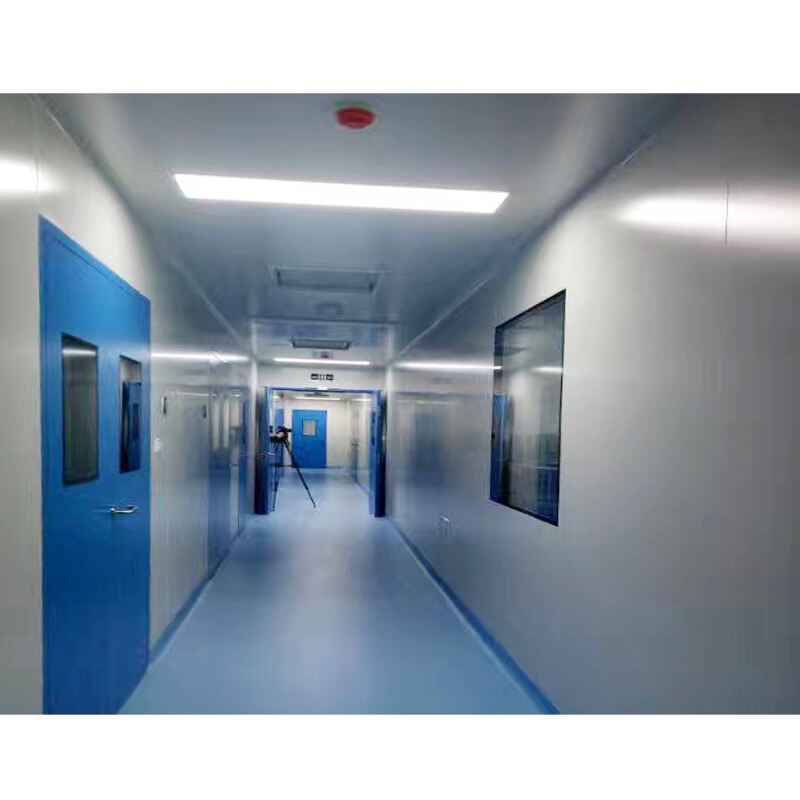
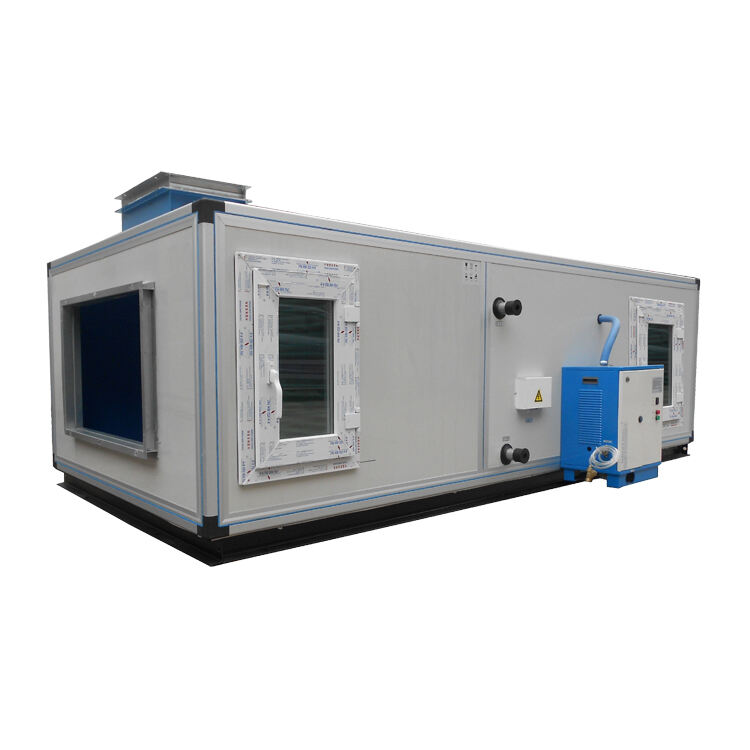
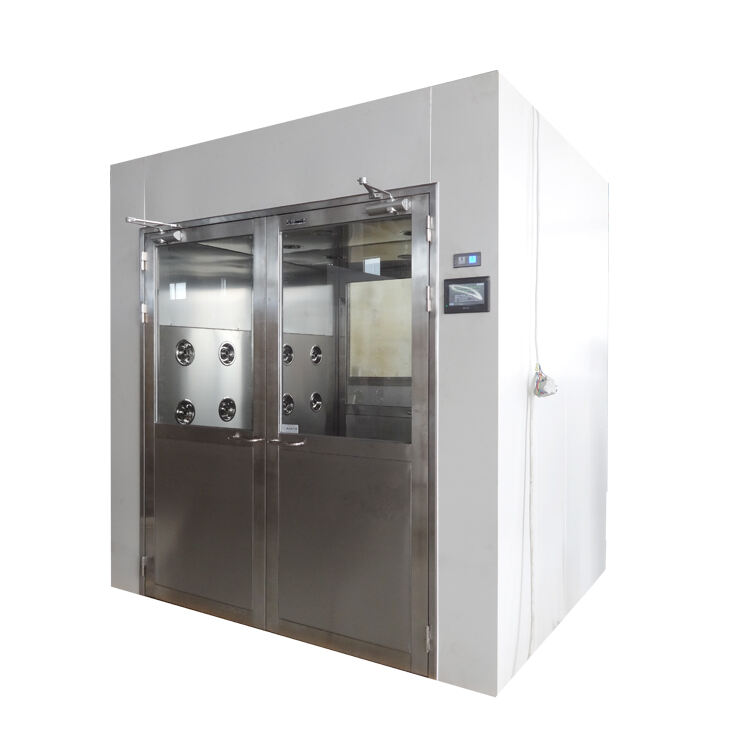
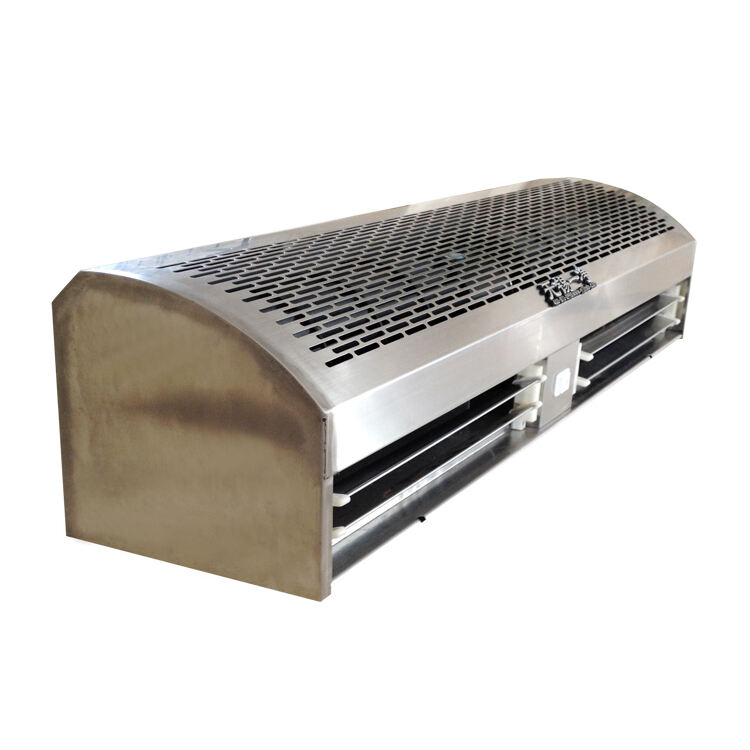
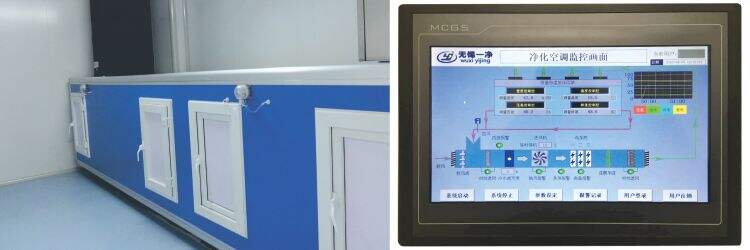
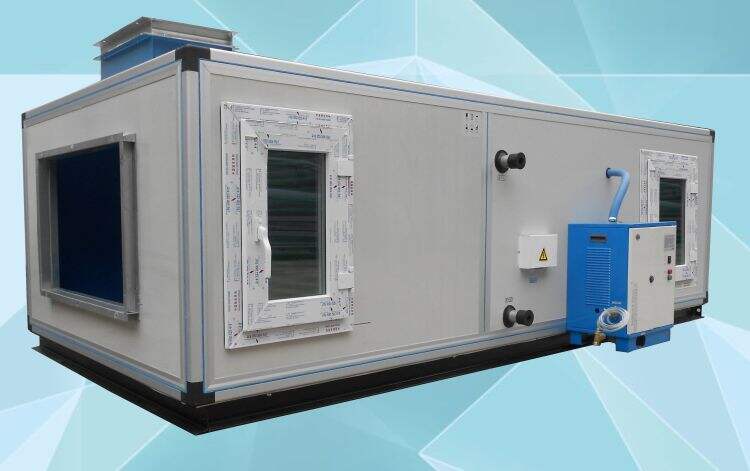
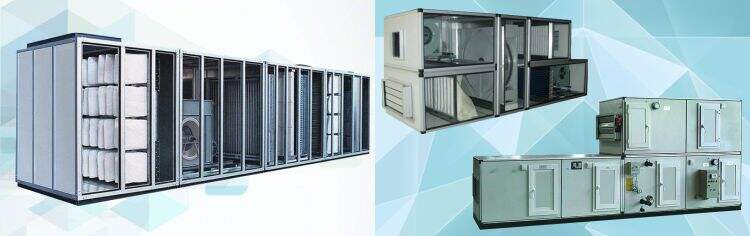
Air handling systems represent essential infrastructure components that regulate and distribute conditioned air throughout commercial, industrial, and residential buildings. These sophisticated mechanical systems perform multiple critical functions including ventilation, filtration, temperature control, humidity management, and air circulation. At their core, air handling systems draw in outdoor air or recirculate indoor air, process it through various treatment stages, and deliver it to occupied spaces at optimal conditions. The primary components include fans or blowers that move air, heating and cooling coils for temperature adjustment, filters that remove contaminants and particulates, dampers for airflow control, and mixing chambers where outdoor and return air combine. Modern air handling systems incorporate advanced sensors and control mechanisms that continuously monitor air quality parameters such as temperature, humidity, carbon dioxide levels, and particulate concentration. These systems automatically adjust operations to maintain preset environmental conditions while optimizing energy consumption. The technological sophistication of contemporary air handling systems extends to variable speed drives that modulate fan speeds based on demand, heat recovery wheels that capture thermal energy from exhaust air, and integrated building management systems that enable remote monitoring and control. Applications span diverse sectors including healthcare facilities where precise air quality control prevents infection transmission, manufacturing plants requiring specific environmental conditions for production processes, data centers demanding consistent cooling for equipment protection, educational institutions ensuring healthy learning environments, hospitality venues maintaining guest comfort, and office buildings promoting employee productivity and wellbeing. The versatility of air handling systems allows customization for specific requirements, whether handling corrosive fumes in laboratories, maintaining sterile conditions in pharmaceutical production, or providing fresh air in high-occupancy venues. As building codes increasingly emphasize indoor air quality and energy efficiency, air handling systems have evolved to meet stringent performance standards while reducing operational costs and environmental impact.

New Product Recommendations

Investing in quality air handling systems delivers substantial practical benefits that directly impact your bottom line and operational success. First and foremost, these systems dramatically improve indoor air quality by continuously filtering out dust, pollen, mold spores, bacteria, and other airborne contaminants that compromise health and comfort. Employees working in buildings with effective air handling systems experience fewer respiratory issues, reduced allergy symptoms, and lower sick day rates, translating to increased productivity and reduced healthcare costs. The temperature and humidity control capabilities ensure consistent comfort levels throughout your facility regardless of external weather conditions or internal heat loads from equipment and occupancy. This consistency eliminates hot spots and cold zones that create complaints and discomfort. Energy efficiency represents another compelling advantage, as modern air handling systems incorporate intelligent controls and variable speed technology that adjust operations based on actual demand rather than running at full capacity continuously. This demand-based operation can reduce energy consumption by thirty to fifty percent compared to older constant-volume systems, generating significant utility cost savings that accumulate month after month. The heat recovery features capture thermal energy that would otherwise be wasted, using it to precondition incoming fresh air and further reducing heating and cooling expenses. Maintenance costs decrease because well-designed air handling systems protect downstream equipment from dust and debris accumulation, extending the lifespan of expensive HVAC components and reducing repair frequency. The centralized nature of air handling systems simplifies maintenance procedures, as technicians can access all major components from a single location rather than servicing multiple scattered units. Noise reduction benefits emerge from housing fans and motors within insulated enclosures, creating quieter work environments that enhance concentration and reduce stress. Flexibility for future modifications allows you to adapt the system as your facility needs change, whether expanding capacity, adding specialized filtration, or integrating new control technologies. Compliance with building codes and industry regulations becomes straightforward, as properly specified air handling systems meet ventilation requirements and air quality standards mandated by authorities. The monitoring capabilities provide valuable data about system performance and indoor conditions, enabling proactive maintenance that prevents costly breakdowns and ensures continuous operation. Property values increase because buildings with modern, efficient air handling systems attract higher-quality tenants willing to pay premium rates for superior environmental conditions. The return on investment typically materializes within three to seven years through combined energy savings, reduced maintenance expenses, and productivity improvements, after which the benefits continue accumulating throughout the system's twenty to thirty year operational lifespan.

Practical Tips

What Are the Key Components of an Effective Clean Air System

21

Oct

What Are the Key Components of an Effective Clean Air System

Understanding Modern Clean Air Technologies and Their Impact A well-designed clean air system serves as the foundation for maintaining optimal indoor air quality in both residential and commercial spaces. As we spend approximately 90% of our time ind...
View More
How to Maintain an Air Handling Unit for Consistent Airflow

21

Oct

How to Maintain an Air Handling Unit for Consistent Airflow

Essential Guidelines for Air Handling Unit Performance Air handling units (AHUs) are the backbone of any building's HVAC system, responsible for maintaining comfortable indoor environments and ensuring proper ventilation. Effective air handling unit ...
View More
What Certifications Are Required for Clean Air Systems

02

Dec

What Certifications Are Required for Clean Air Systems

Modern industrial facilities and critical environments rely heavily on properly certified clean air systems to maintain air quality standards and regulatory compliance. These sophisticated systems ensure contaminant-free environments essential for ma...
View More
How Do Clean Room Classifications Affect Operational Efficiency and Quality?

30

Jan

How Do Clean Room Classifications Affect Operational Efficiency and Quality?

Clean room classifications serve as the foundation for maintaining controlled environments across pharmaceutical, semiconductor, and medical device manufacturing industries. These standardized systems define the maximum allowable concentration of air...
View More

Get a Free Quote

Our representative will contact you soon.
Email
Name
Company Name
Attachment
Please upload at least an attachment
Up to 3 files,more 30mb,suppor jpg、jpeg、png、pdf、doc、docx、xls、xlsx、csv、txt
Message
0/1000

air handling systems

Advanced Filtration Technology for Superior Air Quality

Advanced Filtration Technology for Superior Air Quality

The filtration capabilities of modern air handling systems represent a quantum leap forward in protecting occupant health and maintaining pristine indoor environments. These systems employ multi-stage filtration approaches that progressively remove contaminants of decreasing size, starting with pre-filters that capture large particles like dust and lint, followed by medium-efficiency filters targeting smaller particulates, and culminating in high-efficiency particulate air filters that trap microscopic particles as small as point three microns with ninety-nine point ninety-seven percent efficiency. This comprehensive filtration removes not only visible dust but also invisible threats including bacteria, viruses, mold spores, pollen, and fine particulate matter that penetrate deep into lungs and cause serious health problems. The importance of this feature cannot be overstated in today's environment where indoor air quality directly correlates with occupant health, cognitive performance, and overall wellbeing. Research consistently demonstrates that improved air quality reduces respiratory infections, decreases asthma and allergy symptoms, and enhances mental clarity and decision-making abilities. For businesses, this translates to measurable benefits including reduced absenteeism, higher employee satisfaction and retention, and increased productivity that directly impacts profitability. Healthcare facilities particularly benefit from advanced filtration as it creates the sterile environments necessary for patient safety and infection control, while educational institutions provide students with healthier learning conditions that support academic achievement. The value extends beyond health considerations to equipment protection, as filtered air prevents dust accumulation on sensitive electronics, machinery, and inventory, reducing maintenance requirements and extending asset lifespans. Modern air handling systems allow filter customization based on specific needs, whether incorporating activated carbon filters for odor and chemical vapor removal, antimicrobial treatments that prevent microbial growth on filter media, or specialized filters for unique contaminants in industrial settings. The monitoring systems track filter loading and alert maintenance personnel when replacement becomes necessary, ensuring consistent performance and preventing the efficiency losses that occur when filters become clogged. This proactive approach eliminates the guesswork from maintenance scheduling and ensures your facility always maintains optimal air quality. The economic value proposition remains compelling as the health benefits and equipment protection far outweigh the modest cost of regular filter replacement, making advanced filtration one of the highest-return investments available for facility improvement.
Intelligent Climate Control for Optimal Comfort and Efficiency

Intelligent Climate Control for Optimal Comfort and Efficiency

The sophisticated climate control capabilities integrated into contemporary air handling systems deliver unprecedented precision in maintaining ideal environmental conditions while simultaneously minimizing energy waste and operational costs. These systems utilize networks of sensors distributed throughout the building that continuously measure temperature, humidity, air pressure, and occupancy levels, feeding this real-time data to advanced controllers that make instantaneous adjustments to heating, cooling, and ventilation operations. The intelligence embedded in these controls goes far beyond simple thermostat functions, employing algorithms that predict heating and cooling loads based on weather forecasts, occupancy schedules, and historical patterns, then preemptively adjusting operations to meet anticipated demands efficiently. This predictive capability eliminates the energy waste associated with reactive systems that overshoot temperature targets or run unnecessarily during unoccupied periods. The zone control functionality allows different areas of your facility to maintain different conditions simultaneously, accommodating varying requirements such as cooler temperatures in server rooms, warmer conditions in reception areas, and precise humidity control in storage spaces, all managed by a single integrated air handling system. This granular control eliminates the compromise and discomfort inherent in single-zone systems where some areas are too hot while others are too cold. The variable air volume capabilities modulate airflow rates based on actual demand rather than delivering constant maximum flow, reducing fan energy consumption which typically represents forty to fifty percent of total HVAC energy use. During partial load conditions, which occur most of the time in real-world operations, this variable flow approach can cut fan energy by seventy percent compared to constant volume systems. The humidity control features maintain moisture levels within the optimal range that prevents mold growth, reduces static electricity, protects moisture-sensitive materials, and enhances occupant comfort, addressing a frequently overlooked aspect of indoor environmental quality that significantly impacts how people perceive comfort. Integration with building automation systems enables sophisticated control strategies such as demand-controlled ventilation that increases fresh air intake when occupancy rises and reduces it when spaces are empty, optimizing the balance between air quality and energy efficiency. The remote monitoring and control capabilities allow facility managers to oversee operations from anywhere, receive alerts about performance issues, and make adjustments without physically visiting mechanical rooms, saving time and enabling faster response to problems. The data logging functions create detailed records of system performance and energy consumption that support energy audits, identify optimization opportunities, and verify that systems operate as designed, providing the visibility necessary for continuous improvement and accountability.

Robust Construction and Reliability for Long-Term Performance

Robust Construction and Reliability for Long-Term Performance

The engineering excellence and quality construction that define professional-grade air handling systems ensure decades of reliable operation with minimal downtime, delivering exceptional long-term value that far exceeds the initial investment. These systems feature heavy-gauge steel or aluminum construction with corrosion-resistant coatings that withstand harsh environmental conditions, whether exposed to coastal salt air, industrial chemicals, or extreme temperature variations, maintaining structural integrity throughout their extended service lives. The cabinet designs incorporate thermal breaks and high-density insulation that prevent condensation formation, eliminate thermal bridging that wastes energy, and reduce noise transmission to occupied spaces, creating systems that perform efficiently and quietly year after year. Component selection emphasizes proven reliability, utilizing industrial-grade motors with sealed bearings that operate continuously without failure, belt drives or direct-drive configurations engineered for specific applications, and coils constructed from copper tubes and aluminum fins that maximize heat transfer while resisting corrosion and mechanical damage. The importance of this robust construction becomes apparent when considering the total cost of ownership over a twenty to thirty year operational period, where the reliability and durability of quality air handling systems eliminate the frequent repairs, premature replacements, and operational disruptions that plague inferior equipment. Downtime costs extend far beyond repair expenses to include lost productivity, compromised product quality in manufacturing environments, discomfort that drives away customers in retail and hospitality settings, and potential liability in healthcare facilities where environmental control directly impacts patient outcomes. The value of reliability multiplies in mission-critical applications such as data centers where equipment failures can cause catastrophic data loss, pharmaceutical production where environmental deviations ruin expensive batches, or research laboratories where precise conditions enable groundbreaking discoveries. Quality air handling systems incorporate redundancy features such as dual fans that allow continued operation if one unit fails, modular designs that enable component replacement without system shutdown, and accessible service panels that facilitate rapid maintenance and repairs. The standardized components and widespread parts availability ensure that maintenance teams can quickly source replacements when needed, avoiding the extended downtime associated with obsolete or proprietary equipment. Factory testing and quality assurance procedures verify that every system meets performance specifications before shipment, eliminating the defects and installation problems that create headaches and delays with untested equipment. The comprehensive warranties provided by reputable manufacturers demonstrate confidence in product quality and provide financial protection against unexpected failures, transferring risk from building owners to manufacturers who stand behind their products. Professional installation by trained technicians ensures proper setup, calibration, and commissioning that maximizes performance and longevity, establishing the foundation for decades of trouble-free operation that justifies the investment in quality air handling systems.

Get a Free Quote

Our representative will contact you soon.
Email
Name
Company Name
Attachment
Please upload at least an attachment
Up to 3 files,more 30mb,suppor jpg、jpeg、png、pdf、doc、docx、xls、xlsx、csv、txt
Message
0/1000

Get a Free Quote

Our representative will contact you soon.
Email
Name
Company Name
Attachment
Please upload at least an attachment
Up to 3 files,more 30mb,suppor jpg、jpeg、png、pdf、doc、docx、xls、xlsx、csv、txt
Message
0/1000