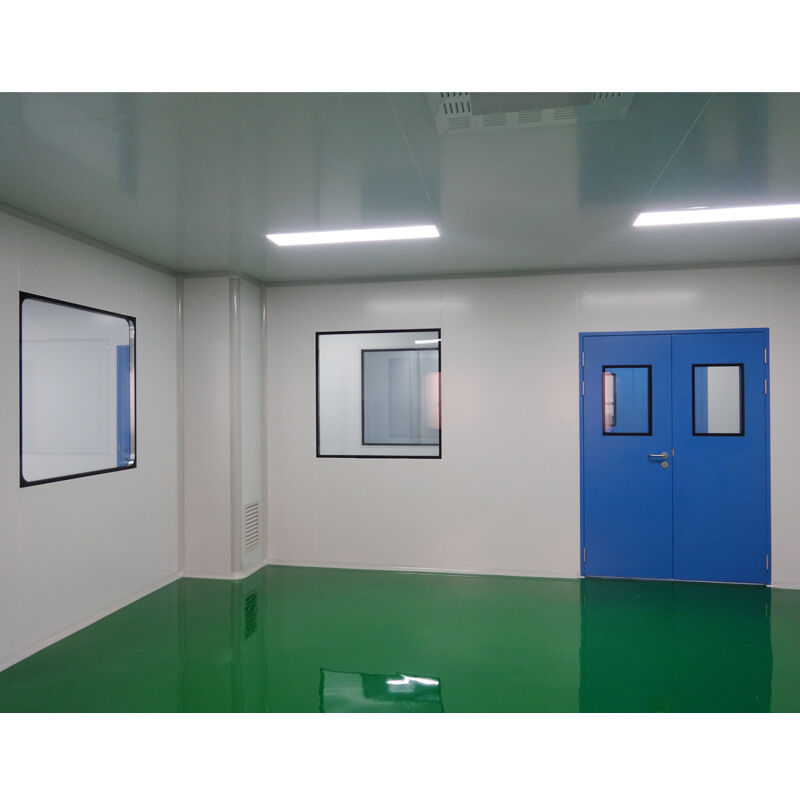
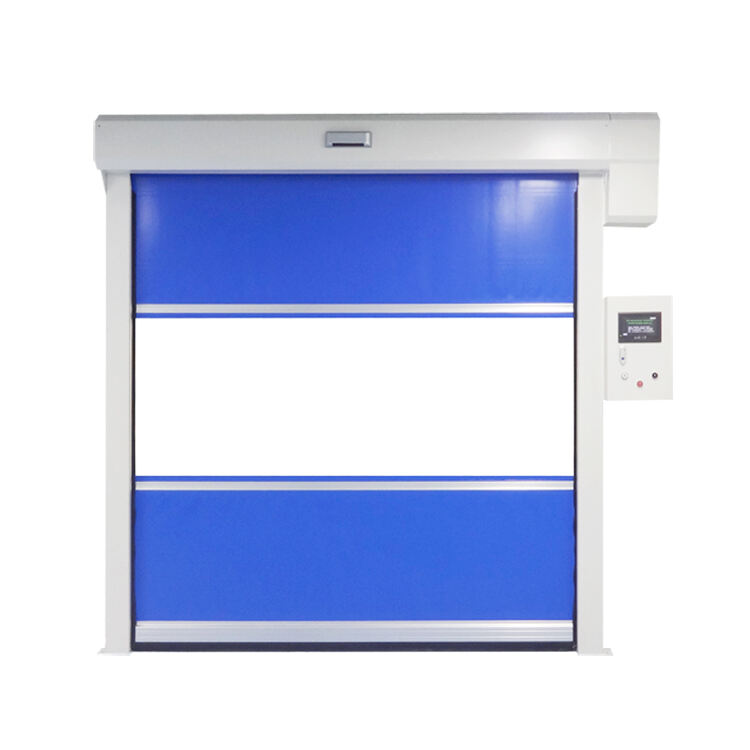
Clean Room Systems: Advanced Environmental Control Solutions for Contamination-Free Manufacturing

All Categories

Get a Free Quote

Our representative will contact you soon.
Email
Name
Company Name
Attachment
Please upload at least an attachment
Up to 3 files,more 30mb,suppor jpg、jpeg、png、pdf、doc、docx、xls、xlsx、csv、txt
Message
0/1000

Get a Free Quote

Our representative will contact you soon.
Email
Name
Company Name
Attachment
Please upload at least an attachment
Up to 3 files,more 30mb,suppor jpg、jpeg、png、pdf、doc、docx、xls、xlsx、csv、txt
Message
0/1000

clean room systems

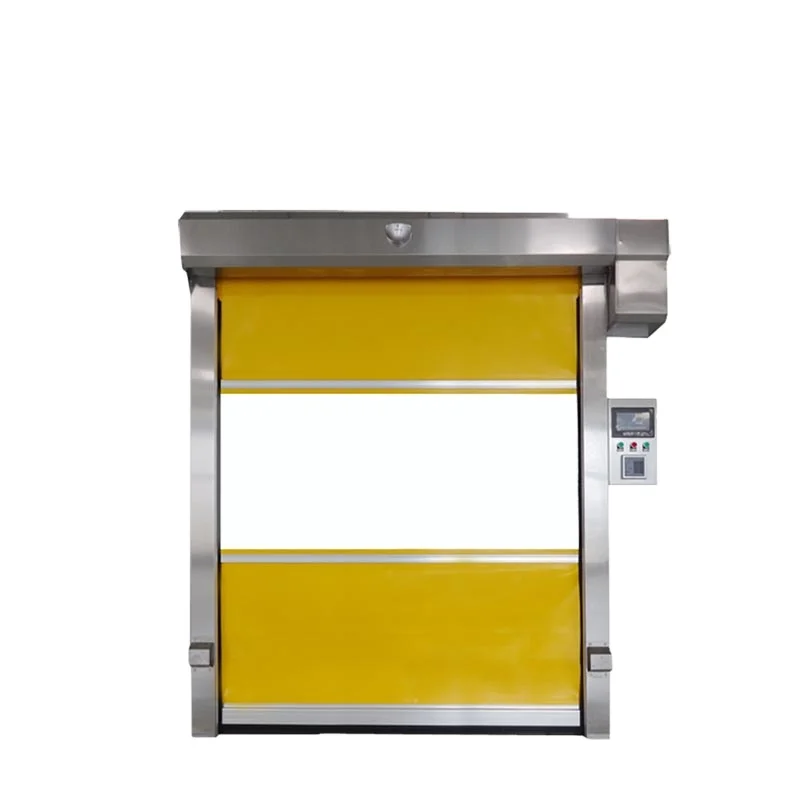
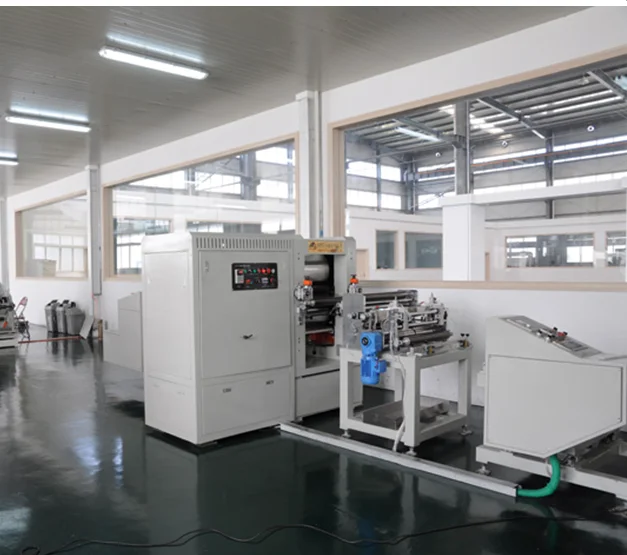
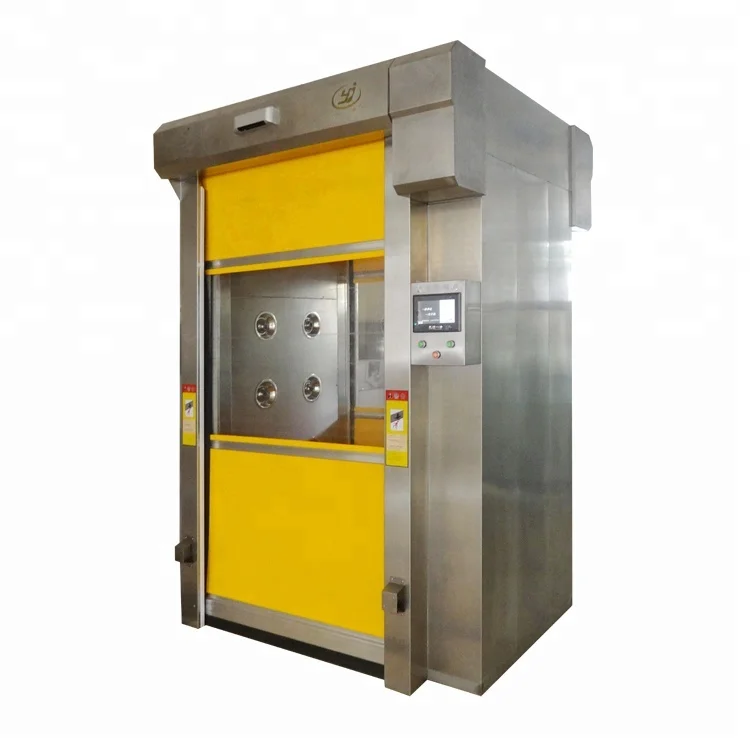
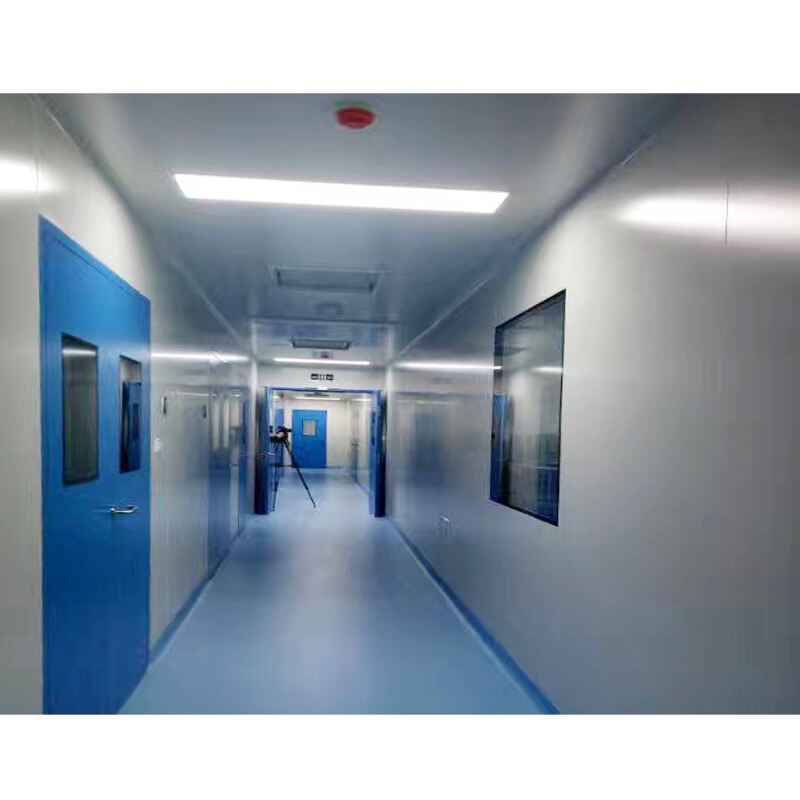
Clean room systems represent sophisticated environmental control solutions designed to maintain exceptionally low levels of airborne particles, contaminants, and pollutants within enclosed spaces. These specialized environments are engineered to create and sustain specific atmospheric conditions that meet stringent cleanliness standards required by various industries. At their core, clean room systems integrate advanced filtration technologies, precise air circulation mechanisms, and comprehensive monitoring equipment to regulate particle concentration, temperature, humidity, and pressure differentials. The primary function of clean room systems involves removing microscopic contaminants from the air through high-efficiency particulate air filters that capture particles as small as 0.3 microns with remarkable efficiency. These systems continuously circulate filtered air throughout the controlled environment, typically achieving between 10 to 600 air changes per hour depending on the cleanliness classification required. The technological features of modern clean room systems include laminar airflow patterns that minimize turbulence and prevent particle accumulation, positive pressure differentials that prevent external contaminants from entering the space, and integrated environmental monitoring systems that provide real-time data on air quality parameters. Clean room systems find extensive applications across pharmaceutical manufacturing facilities where sterile production environments are mandatory for drug compounding and packaging operations. The semiconductor industry relies heavily on these systems to protect sensitive electronic components from particle contamination during fabrication processes. Medical device manufacturers utilize clean room systems to ensure products meet regulatory standards for sterility and safety. Biotechnology laboratories depend on these controlled environments for cell culture work, genetic research, and vaccine development. Aerospace companies employ clean room systems during the assembly of satellites and precision instruments. Food processing facilities implement these systems to extend product shelf life and maintain hygiene standards. The versatility of clean room systems allows customization to meet specific industry requirements, with classifications ranging from ISO Class 1 for the most stringent applications to ISO Class 9 for less critical operations, ensuring that each installation delivers optimal performance for its intended purpose.

New Product Recommendations

Implementing clean room systems delivers substantial practical benefits that directly impact operational efficiency, product quality, and regulatory compliance across multiple dimensions of business performance. The most immediate advantage comes from dramatically reduced contamination rates, which translates to fewer defective products, lower rejection rates, and significant cost savings from minimized waste and rework. Companies that install clean room systems typically experience defect reduction rates exceeding 90 percent in contamination-sensitive manufacturing processes, directly improving their bottom line through enhanced yield rates. These systems provide consistent environmental conditions that eliminate variables affecting product quality, enabling manufacturers to achieve reproducible results batch after batch. This consistency proves invaluable when scaling production or transferring processes between facilities, as the controlled environment remains constant regardless of external weather conditions or seasonal variations. Clean room systems also extend equipment lifespan by protecting sensitive machinery from dust accumulation and corrosive particles that cause premature wear and failure. The controlled humidity levels prevent static electricity buildup that can damage electronic components and create safety hazards. Energy efficiency represents another significant advantage, as modern clean room systems incorporate intelligent controls that optimize airflow and filtration based on real-time occupancy and activity levels, reducing operational costs compared to older constant-volume systems. The positive pressure differential maintained by these systems creates a protective barrier that keeps external pollutants out while allowing personnel to move freely between zones without compromising cleanliness standards. This design feature simplifies workflow management and reduces the time workers spend in gowning procedures. Clean room systems enhance employee health and safety by removing harmful airborne particles, chemical vapors, and biological contaminants that could cause respiratory issues or allergic reactions. Workers in these environments report fewer sick days and higher job satisfaction due to the comfortable, controlled conditions. From a regulatory perspective, clean room systems provide documented evidence of environmental control that satisfies auditors and inspectors from agencies like the FDA, EMA, and ISO certification bodies. The integrated monitoring systems generate comprehensive data logs that demonstrate continuous compliance with industry standards, simplifying the validation process and reducing the risk of costly production shutdowns due to regulatory violations. These systems also future-proof facilities by providing the flexibility to adapt to evolving regulatory requirements or product line changes without major infrastructure overhauls. The return on investment for clean room systems typically materializes within two to four years through combined savings from reduced waste, improved productivity, lower energy consumption, and avoided regulatory penalties, making them a financially sound decision for organizations committed to quality and operational excellence.

Practical Tips

What Are the Key Components of an Effective Clean Air System

21

Oct

What Are the Key Components of an Effective Clean Air System

Understanding Modern Clean Air Technologies and Their Impact A well-designed clean air system serves as the foundation for maintaining optimal indoor air quality in both residential and commercial spaces. As we spend approximately 90% of our time ind...
View More
How to Install Clean Panels Without Contaminating Environments

21

Oct

How to Install Clean Panels Without Contaminating Environments

Essential Guidelines for Clean Panel Installation in Controlled Settings Clean panels represent a crucial component in controlled environments like cleanrooms, laboratories, and pharmaceutical facilities. Their proper installation is paramount for ma...
View More
How Do Clean Room Classifications Affect Operational Efficiency and Quality?

30

Jan

How Do Clean Room Classifications Affect Operational Efficiency and Quality?

Clean room classifications serve as the foundation for maintaining controlled environments across pharmaceutical, semiconductor, and medical device manufacturing industries. These standardized systems define the maximum allowable concentration of air...
View More
What Happens to Production Stability Without a Proper Cleanroom System?

30

Jan

What Happens to Production Stability Without a Proper Cleanroom System?

Manufacturing environments face critical challenges when operating without adequate contamination control measures. A properly designed cleanroom system serves as the foundation for maintaining consistent product quality, regulatory compliance, and o...
View More

Get a Free Quote

Our representative will contact you soon.
Email
Name
Company Name
Attachment
Please upload at least an attachment
Up to 3 files,more 30mb,suppor jpg、jpeg、png、pdf、doc、docx、xls、xlsx、csv、txt
Message
0/1000

clean room systems

Advanced Filtration Technology Ensures Maximum Particle Removal

Advanced Filtration Technology Ensures Maximum Particle Removal

The cornerstone of effective clean room systems lies in their sophisticated filtration technology, which employs multiple stages of air purification to achieve unprecedented levels of cleanliness. High-efficiency particulate air filters serve as the primary defense mechanism, capturing 99.97 percent of particles measuring 0.3 microns or larger through a combination of interception, impaction, and diffusion mechanisms. These filters utilize densely packed fiber matrices that create tortuous pathways for air molecules, forcing particles to collide with filter media where van der Waals forces hold them permanently. Ultra-low penetration air filters take purification even further, removing 99.9995 percent of particles down to 0.12 microns, making them essential for the most demanding applications in semiconductor fabrication and pharmaceutical sterile filling operations. The filtration system operates continuously, processing the entire room volume multiple times per hour to maintain consistent cleanliness levels even during active production periods when particle generation rates increase. Pre-filters protect the expensive final filters by removing larger particles before they reach the critical filtration stage, extending filter lifespan and reducing maintenance costs. The strategic placement of filters in the ceiling or walls creates uniform airflow patterns that sweep particles toward return air grilles, preventing dead zones where contaminants might accumulate. Modern clean room systems incorporate filter monitoring technology that measures pressure differential across each filter bank, alerting maintenance personnel when filters approach saturation and require replacement before performance degrades. This predictive maintenance approach prevents unexpected system failures and ensures uninterrupted production schedules. The filtration technology also addresses gaseous contaminants through activated carbon filters and chemical scrubbers that remove volatile organic compounds, odors, and corrosive fumes that could compromise product quality or worker safety. Some advanced systems integrate photocatalytic oxidation technology that breaks down organic molecules at the molecular level, providing an additional layer of protection against chemical contamination. The modular design of modern filtration systems allows facilities to upgrade or modify their purification capabilities as requirements change, protecting the initial investment while accommodating future needs. This adaptability proves particularly valuable for contract manufacturers who serve clients across different industries with varying cleanliness standards, enabling them to reconfigure spaces quickly between projects without extensive downtime or capital expenditure.
Precise Environmental Control Maintains Optimal Operating Conditions

Precise Environmental Control Maintains Optimal Operating Conditions

Clean room systems excel at maintaining precise environmental parameters that extend far beyond simple air filtration, encompassing comprehensive control over temperature, humidity, pressure, and airflow patterns that collectively create ideal conditions for sensitive processes. Temperature regulation within tight tolerances, typically plus or minus 0.5 degrees Celsius, prevents thermal expansion of materials, ensures consistent chemical reaction rates, and maintains worker comfort during extended shifts in full protective garments. The system achieves this precision through sophisticated HVAC integration that continuously monitors ambient conditions and adjusts heating or cooling output in real-time to counteract heat generated by equipment, lighting, and personnel. Humidity control proves equally critical, as excessive moisture promotes microbial growth, causes corrosion on metal surfaces, and affects the dimensional stability of hygroscopic materials, while insufficient humidity generates static electricity that attracts particles and damages electronic components. Clean room systems maintain relative humidity within narrow bands, often between 40 and 60 percent, using dehumidification equipment that removes excess moisture and humidification systems that add precisely controlled amounts of water vapor when needed. Pressure cascade management represents another sophisticated aspect of environmental control, where the system maintains progressively higher pressure levels from less critical areas toward the most sensitive zones, creating invisible barriers that prevent contaminant migration. This pressure differential, typically maintained at 5 to 20 pascals between adjacent rooms, ensures that air always flows from cleaner to less clean areas, even when doors open briefly for material transfer or personnel movement. The system accomplishes this through careful balancing of supply and exhaust airflow rates, with continuous monitoring to detect and correct any deviations that could compromise the protective pressure regime. Airflow velocity control ensures that laminar flow patterns remain stable and uniform, sweeping particles downward or toward exhaust points without creating turbulent eddies that could suspend contaminants or deposit them on critical surfaces. Vertical laminar flow systems deliver filtered air from ceiling-mounted filters at velocities between 0.3 and 0.5 meters per second, creating a unidirectional air curtain that bathes work surfaces in ultra-clean air. Horizontal laminar flow configurations direct air across workstations toward exhaust grilles, protecting products from operator-generated contamination. The environmental control system integrates with building management systems to optimize energy consumption during periods of reduced activity, automatically adjusting airflow rates and conditioning loads while maintaining minimum cleanliness standards, resulting in energy savings that can reach 30 to 40 percent compared to constant-volume operation without compromising the controlled environment integrity.
Comprehensive Monitoring and Documentation Support Regulatory Compliance

Comprehensive Monitoring and Documentation Support Regulatory Compliance

Modern clean room systems incorporate extensive monitoring capabilities that provide continuous visibility into environmental conditions, generating the documentation trail essential for regulatory compliance and quality assurance programs. Particle counters strategically positioned throughout the controlled environment sample air at regular intervals, measuring particle concentrations across multiple size ranges to verify that cleanliness levels remain within specified limits. These instruments employ laser-based optical sensing technology that detects individual particles as they pass through a focused light beam, counting and sizing them with remarkable accuracy. The data flows automatically to centralized monitoring systems that display real-time conditions, trigger alarms when parameters drift outside acceptable ranges, and archive historical records for trend analysis and regulatory audits. Temperature and humidity sensors distributed across the clean room provide granular data on environmental conditions, revealing hot spots, cold zones, or areas with inadequate air mixing that require attention. Differential pressure monitors track the pressure cascade between rooms, immediately alerting operators to door seal failures, filter blockages, or fan malfunctions that could compromise contamination control. Airflow velocity meters verify that laminar flow patterns remain within specification, detecting degradation that might indicate filter loading or supply fan problems. The monitoring system generates comprehensive reports that document environmental conditions during each production batch, creating the validated records that regulatory agencies require to demonstrate process control. This automated documentation eliminates the manual recording errors and data gaps that plague paper-based systems, while providing auditors with easily accessible electronic records that demonstrate continuous compliance. Advanced monitoring platforms incorporate predictive analytics that identify subtle trends indicating impending equipment failures, enabling proactive maintenance that prevents unplanned downtime and costly production interruptions. The system can correlate environmental data with production outcomes, helping quality teams identify root causes when defect rates increase or product characteristics drift outside specifications. Integration with manufacturing execution systems creates a complete digital thread connecting environmental conditions to specific product lots, supporting traceability requirements and facilitating rapid response when quality issues arise. The monitoring infrastructure also supports validation activities by providing the data needed to demonstrate that the clean room system consistently maintains specified conditions under various operating scenarios. This documentation proves invaluable during regulatory inspections, facility qualifications, and process validations, reducing the time and cost associated with compliance activities. Remote monitoring capabilities allow facility managers and quality personnel to oversee multiple clean rooms from centralized control centers, improving response times to alarm conditions and enabling more efficient use of specialized technical staff. The comprehensive monitoring and documentation capabilities of modern clean room systems transform environmental control from a passive infrastructure element into an active quality assurance tool that provides measurable value through improved compliance, reduced risk, and enhanced operational visibility.

Get a Free Quote

Our representative will contact you soon.
Email
Name
Company Name
Attachment
Please upload at least an attachment
Up to 3 files,more 30mb,suppor jpg、jpeg、png、pdf、doc、docx、xls、xlsx、csv、txt
Message
0/1000

Get a Free Quote

Our representative will contact you soon.
Email
Name
Company Name
Attachment
Please upload at least an attachment
Up to 3 files,more 30mb,suppor jpg、jpeg、png、pdf、doc、docx、xls、xlsx、csv、txt
Message
0/1000