Clean Room for Medical Devices: Advanced Contamination Control Solutions for Compliant Manufacturing

All Categories

Get a Free Quote

Our representative will contact you soon.
Email
Name
Company Name
Attachment
Please upload at least an attachment
Up to 3 files,more 30mb,suppor jpg、jpeg、png、pdf、doc、docx、xls、xlsx、csv、txt
Message
0/1000

Get a Free Quote

Our representative will contact you soon.
Email
Name
Company Name
Attachment
Please upload at least an attachment
Up to 3 files,more 30mb,suppor jpg、jpeg、png、pdf、doc、docx、xls、xlsx、csv、txt
Message
0/1000

clean room for medical devices

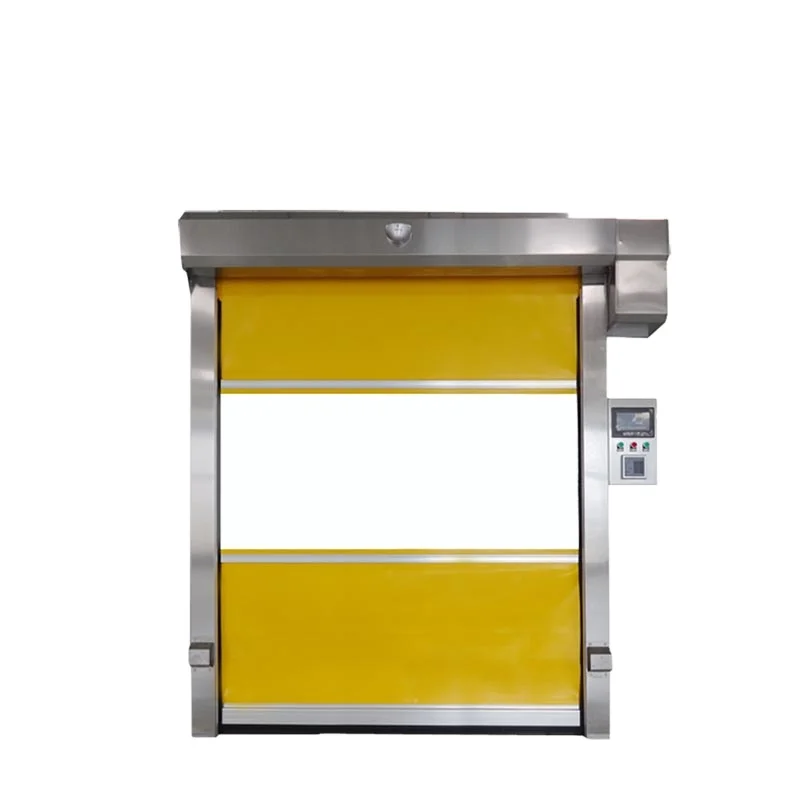
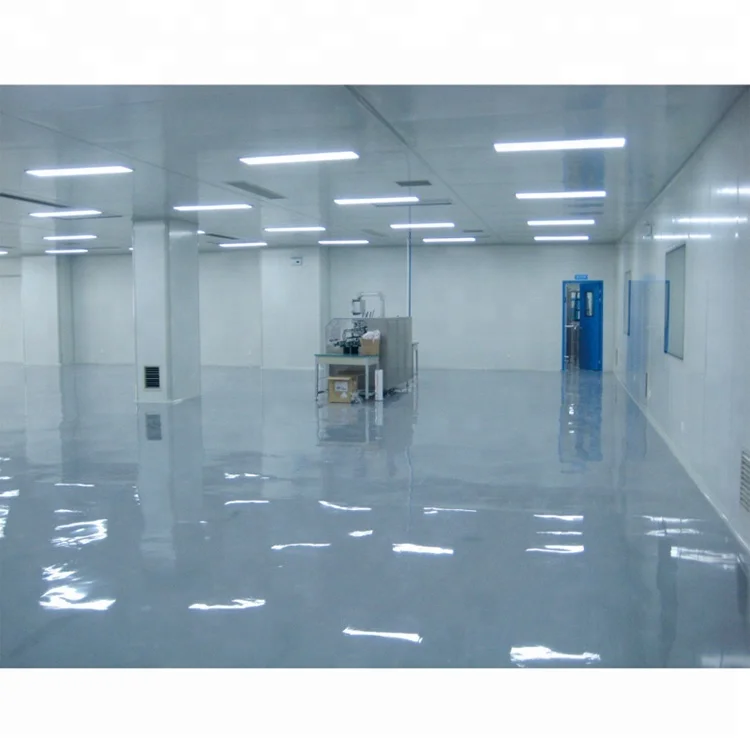
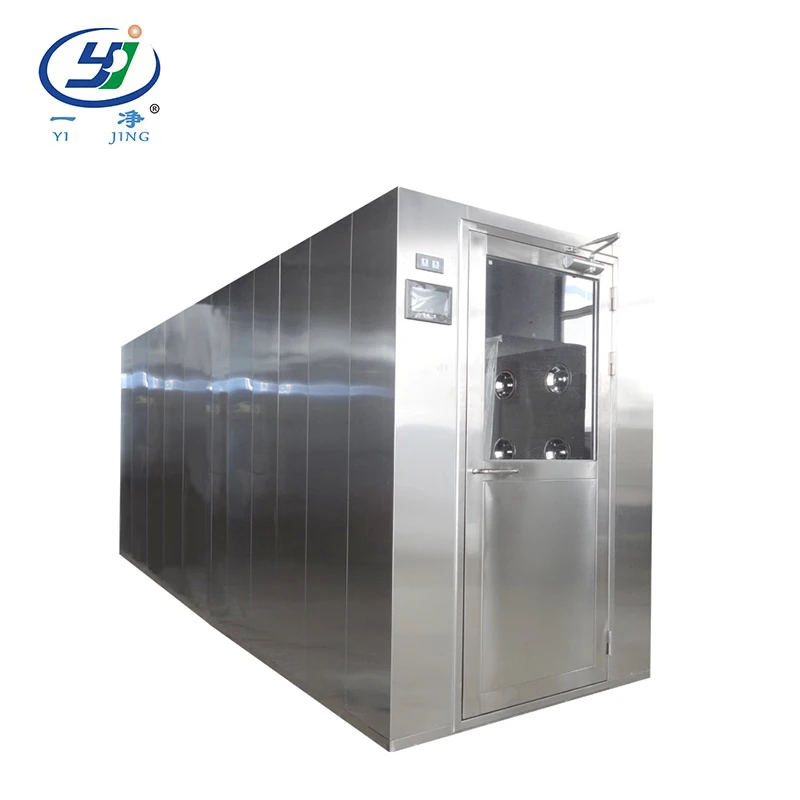
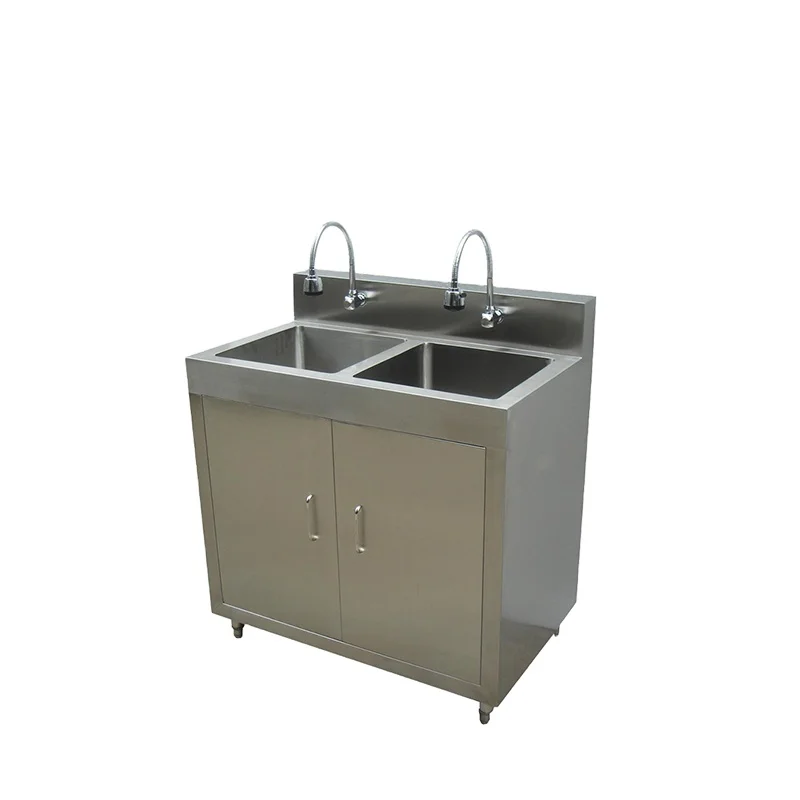
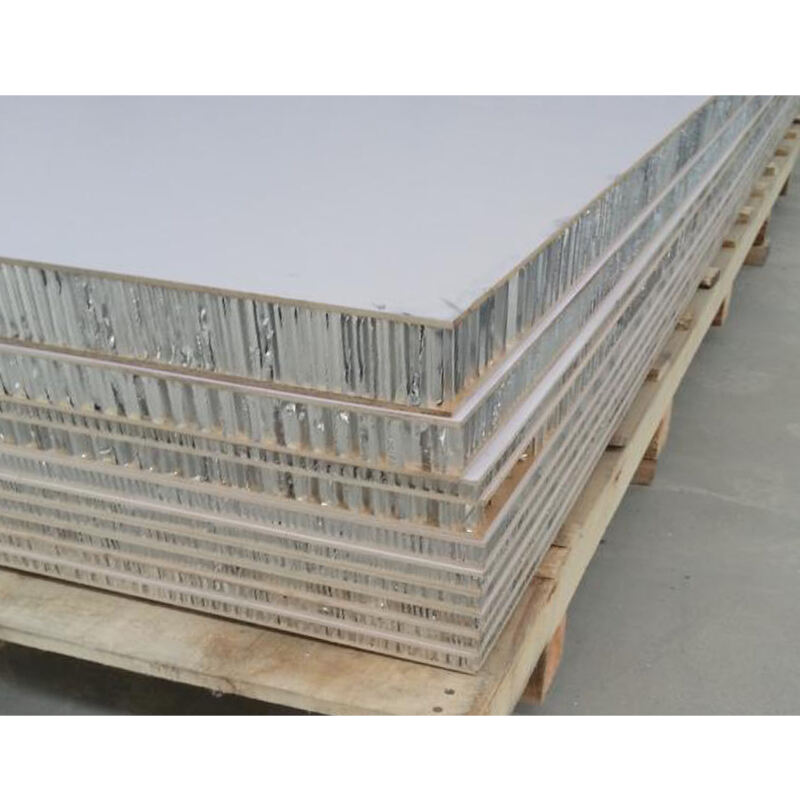
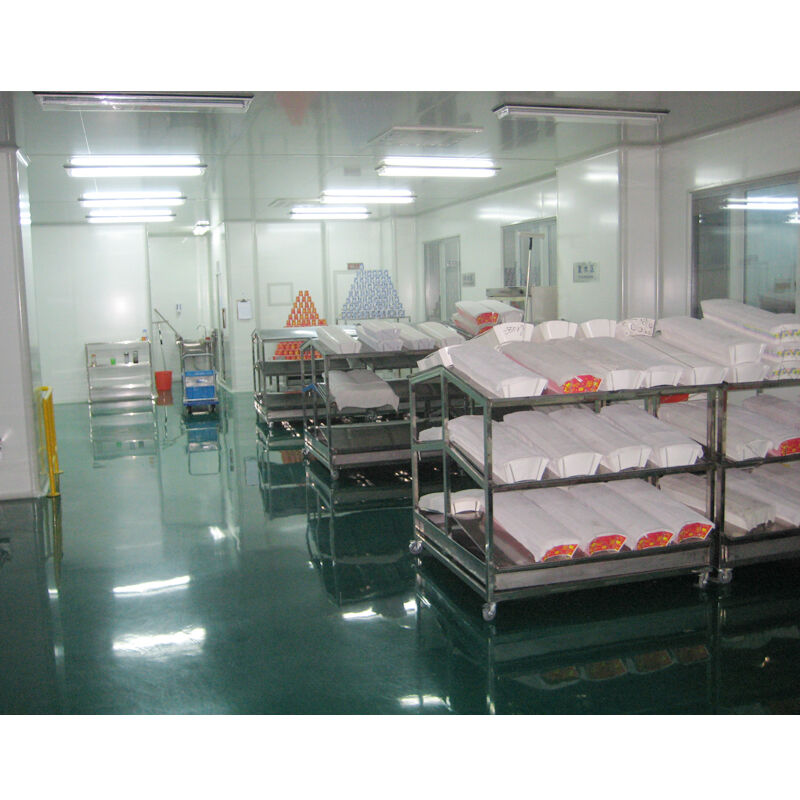
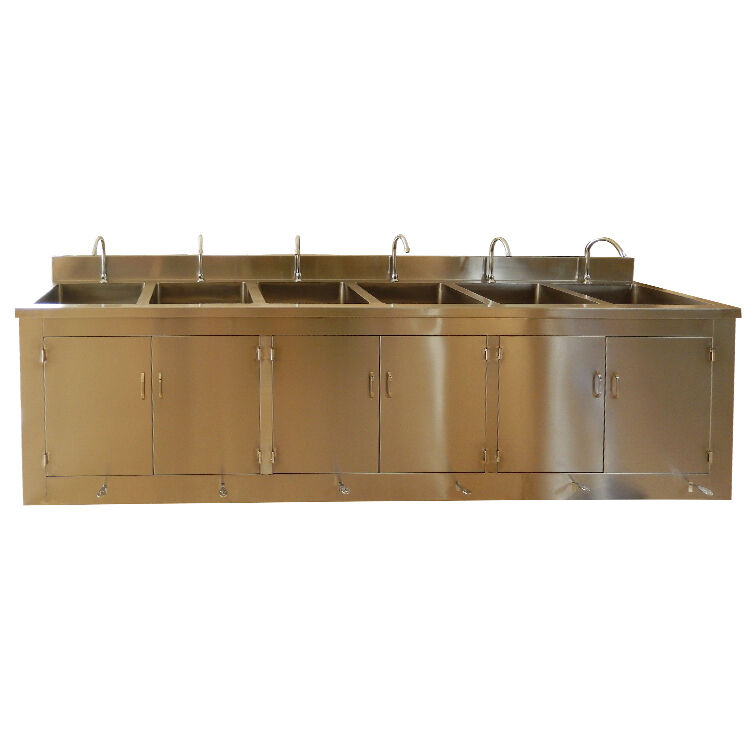
A clean room for medical devices represents a controlled environment specifically engineered to manufacture, assemble, test, and package medical equipment while maintaining stringent contamination control standards. These specialized facilities regulate airborne particulates, temperature, humidity, and pressure to ensure medical devices meet regulatory requirements and patient safety standards. The primary function involves creating an atmosphere where microorganisms, dust particles, and other contaminants are minimized to levels that prevent product compromise. Modern clean room for medical devices incorporates advanced filtration systems using HEPA or ULPA filters that capture particles as small as 0.3 microns with 99.97 percent efficiency. The technological features include sophisticated air handling units that provide continuous air circulation, maintaining positive pressure differentials between rooms to prevent contaminated air infiltration. Environmental monitoring systems track particle counts, microbial levels, temperature ranges between 68-72 degrees Fahrenheit, and relative humidity typically maintained at 30-50 percent. Classification standards such as ISO 14644 define cleanliness levels, with medical device manufacturing often requiring ISO Class 5 through Class 8 environments depending on product type and infection risk. Applications span across surgical instrument production, implantable device manufacturing including pacemakers and artificial joints, diagnostic equipment assembly, sterile pharmaceutical packaging, and research and development activities. The infrastructure features specialized flooring, wall systems, and ceiling grids constructed from non-shedding materials that resist microbial growth. Personnel enter through airlocks and gowning rooms where they don specialized garments including coveralls, gloves, face masks, and shoe covers to minimize human-generated contamination. The clean room for medical devices ensures compliance with FDA regulations, ISO 13485 quality management standards, and Good Manufacturing Practice guidelines, providing manufacturers with the foundation necessary to produce safe, effective medical products that protect patient health and meet international market requirements.


New Product Releases

Investing in a clean room for medical devices delivers substantial practical benefits that directly impact your bottom line and operational success. First, these controlled environments dramatically reduce product defect rates by eliminating contaminants that cause device malfunction or compromise sterility. When you minimize defects, you decrease costly product recalls, reduce waste, and improve your manufacturing yield, translating to significant cost savings over time. Your production efficiency increases because workers operate in optimized conditions with consistent environmental parameters, leading to predictable manufacturing processes and reduced variability. Regulatory compliance becomes straightforward when your facility meets or exceeds standards set by health authorities worldwide. This compliance opens doors to global markets, allowing you to sell products internationally without facing regulatory barriers that restrict market access. Customer confidence grows when they know your medical devices come from facilities that prioritize contamination control and quality assurance. This reputation advantage helps you win contracts, build long-term partnerships, and command premium pricing for products manufactured under the most stringent conditions. Employee satisfaction improves within these well-designed spaces featuring proper ventilation, controlled temperatures, and organized workflows that make daily tasks easier and more comfortable. The clean room for medical devices protects your workforce from exposure to potentially harmful materials while creating professional environments that attract top talent to your organization. Risk mitigation represents another crucial advantage, as controlled manufacturing environments minimize the likelihood of contamination events that could trigger costly investigations, production shutdowns, or legal liabilities. Your insurance costs may decrease when underwriters recognize your commitment to quality control through proper facility design. The structured environment facilitates easier staff training, as standardized procedures and clear protocols become simpler to teach and maintain across shifts and personnel changes. Documentation and traceability improve within these organized spaces, making audits smoother and helping you maintain detailed records that satisfy regulatory requirements. Long-term value comes from the durability of properly constructed clean room for medical devices, with materials and systems designed for decades of reliable operation. Energy-efficient designs now available reduce operational costs through optimized HVAC systems that maintain required conditions while minimizing power consumption. Scalability allows you to expand production capacity by adding modules or upgrading classifications as your business grows, protecting your initial investment while accommodating future needs. Finally, the competitive advantage gained through superior manufacturing capabilities positions your company as an industry leader capable of producing the most sensitive and critical medical devices that save lives and improve patient outcomes worldwide.

Practical Tips

What Are the Benefits of Using Modular Clean Panels

21

Oct

What Are the Benefits of Using Modular Clean Panels

Understanding the Revolutionary Impact of Modular Clean Panels in Modern Facilities Modular clean panels have transformed the way industries approach controlled environments and cleanroom construction. These innovative building components represent a...
View More
What Materials Are Recommended for Pass Box Construction?

05

Nov

What Materials Are Recommended for Pass Box Construction?

Essential Materials for Modern Pass Box Manufacturing Pass boxes serve as critical components in cleanroom environments, pharmaceutical facilities, and laboratories, facilitating the secure transfer of materials between spaces while maintaining contr...
View More
How Do Clean Room Classifications Affect Operational Efficiency and Quality?

30

Jan

How Do Clean Room Classifications Affect Operational Efficiency and Quality?

Clean room classifications serve as the foundation for maintaining controlled environments across pharmaceutical, semiconductor, and medical device manufacturing industries. These standardized systems define the maximum allowable concentration of air...
View More
What Happens to Production Stability Without a Proper Cleanroom System?

30

Jan

What Happens to Production Stability Without a Proper Cleanroom System?

Manufacturing environments face critical challenges when operating without adequate contamination control measures. A properly designed cleanroom system serves as the foundation for maintaining consistent product quality, regulatory compliance, and o...
View More

Get a Free Quote

Our representative will contact you soon.
Email
Name
Company Name
Attachment
Please upload at least an attachment
Up to 3 files,more 30mb,suppor jpg、jpeg、png、pdf、doc、docx、xls、xlsx、csv、txt
Message
0/1000

clean room for medical devices

Advanced Contamination Control Technology Ensures Product Integrity

Advanced Contamination Control Technology Ensures Product Integrity

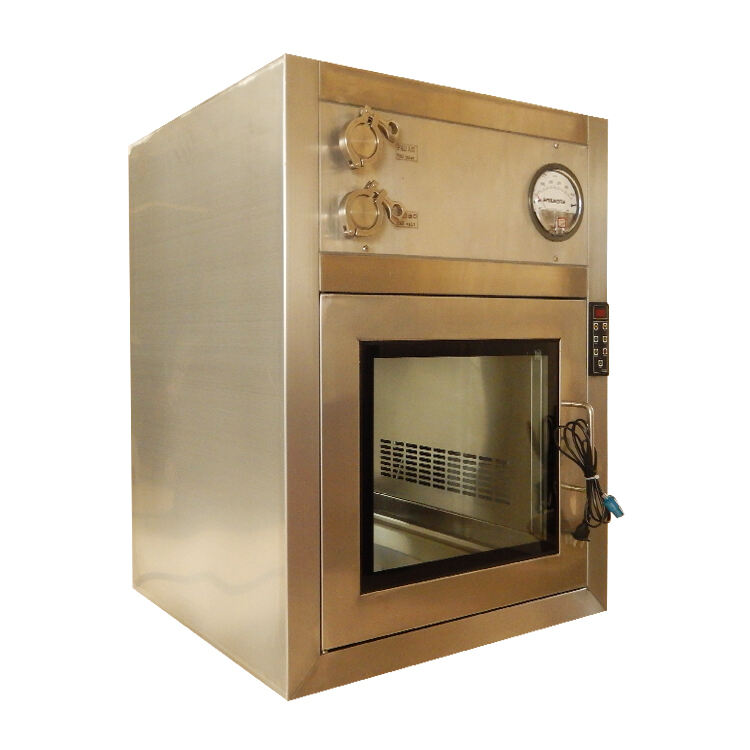
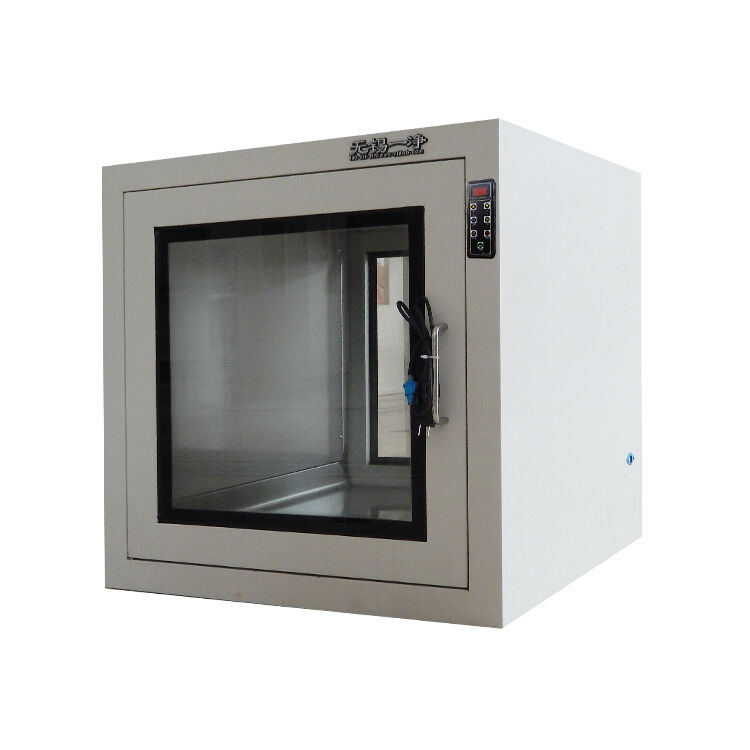
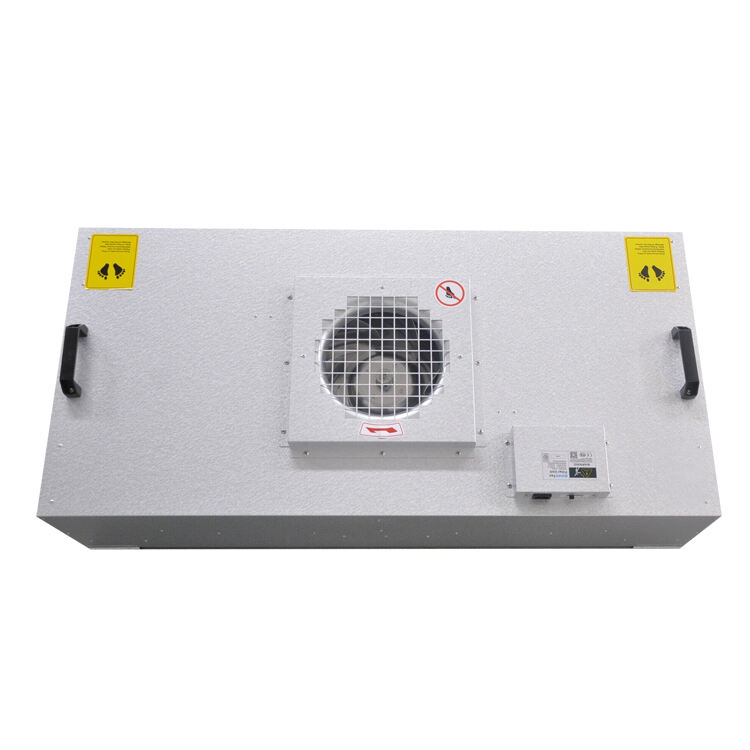
The cornerstone of any effective clean room for medical devices lies in its sophisticated contamination control technology that creates and maintains an environment virtually free from particles and microorganisms that could compromise product quality. At the heart of this system, high-efficiency particulate air filters work continuously to remove contaminants from incoming air, processing room air through multiple filtration stages that capture progressively smaller particles. These filters integrate with precisely engineered airflow patterns that create laminar or unidirectional air movement, sweeping particles away from critical work surfaces and preventing them from settling on medical devices during manufacturing. The technology extends beyond simple filtration to include comprehensive pressure cascade systems that maintain higher air pressure in cleaner areas, ensuring that any air leakage flows from clean to less clean spaces rather than allowing contaminated air to enter sensitive zones. Real-time monitoring equipment tracks particle concentrations continuously, providing instant alerts when counts approach action levels, enabling immediate corrective measures before contamination affects products. The clean room for medical devices incorporates specialized surface materials throughout the facility, with walls, floors, and ceilings constructed from non-porous, easy-to-clean materials that resist microbial colonization and particle generation. Sealed construction techniques eliminate cracks and crevices where contaminants might accumulate, while rounded corners and coved edges facilitate thorough cleaning and prevent dust accumulation in hard-to-reach areas. Temperature and humidity control systems maintain narrow ranges that prevent condensation, static electricity buildup, and conditions that might promote microbial growth or affect material properties during manufacturing. Advanced gowning protocols supported by dedicated changing rooms ensure personnel become the last line of defense rather than the primary contamination source, with multiple garment layers creating barriers between human skin and hair particles and the controlled environment. Pass-through chambers and material airlocks allow supplies and equipment to enter the clean room for medical devices without compromising environmental conditions, often incorporating cleaning or decontamination steps within the transfer process. The integration of these technologies creates a holistic contamination control strategy that addresses every potential source of product compromise, from incoming raw materials to environmental conditions to human activities, providing manufacturers with confidence that their products will consistently meet the highest purity and safety standards required for medical applications that directly impact patient health and treatment outcomes.
Regulatory Compliance Framework Built Into Design and Operations

Regulatory Compliance Framework Built Into Design and Operations

Navigating the complex landscape of medical device regulations becomes significantly easier when your clean room for medical devices incorporates compliance requirements directly into its design and operational procedures from the ground up. Rather than treating regulatory standards as external constraints to work around, modern facilities integrate these requirements as fundamental design parameters that shape every aspect of construction and operation. The facility design process begins with thorough analysis of applicable regulations including FDA 21 CFR Part 820 Quality System Regulations, ISO 13485 medical device quality management standards, and relevant Good Manufacturing Practice guidelines that govern medical device production. By embedding these requirements into architectural plans, HVAC specifications, and operational procedures, manufacturers create facilities that naturally achieve compliance rather than requiring constant adaptation and modification. Documentation systems built into the clean room for medical devices establish clear chains of custody for materials, detailed batch records for production runs, and comprehensive environmental monitoring data that auditors and inspectors need to verify compliance. These systems often incorporate electronic recording and automated data capture that eliminates transcription errors while creating tamper-proof records that satisfy regulatory scrutiny. Validation protocols demonstrate that the facility consistently performs as intended, with installation qualification confirming proper equipment installation, operational qualification verifying performance under normal conditions, and performance qualification proving the system produces acceptable results consistently over time. The clean room for medical devices maintains validation status through ongoing monitoring, periodic requalification, and change control procedures that assess the impact of any modifications before implementation. Personnel training programs ensure workers understand both the technical requirements of their tasks and the regulatory rationale behind procedures, creating a workforce that serves as active participants in maintaining compliance rather than passive followers of rules. Environmental monitoring programs track critical parameters continuously, generating trending data that reveals potential issues before they affect product quality or regulatory status, allowing proactive intervention rather than reactive problem-solving. Calibration programs for measurement instruments ensure accuracy of environmental monitoring, with documented schedules and procedures that maintain equipment in validated states. Standard operating procedures cover every aspect of facility operation from cleaning and disinfection to gowning and material transfer, providing workers with clear instructions that ensure consistency across shifts and personnel changes. Internal audit programs identify potential compliance gaps before external inspectors arrive, allowing time for corrective actions that prevent findings during official inspections. The clean room for medical devices becomes not just a manufacturing space but a comprehensive quality system that embodies regulatory requirements, making compliance a natural outcome of daily operations rather than an additional burden requiring separate attention and resources.
Flexible Infrastructure Supports Multiple Product Types and Future Growth

Flexible Infrastructure Supports Multiple Product Types and Future Growth

The most valuable clean room for medical devices offers flexible infrastructure that accommodates diverse product portfolios while providing scalability for future expansion as your business evolves and market demands change. Traditional cleanroom designs often locked manufacturers into rigid configurations that limited product types or required expensive renovations when introducing new device lines, but modern approaches emphasize adaptability through modular construction, reconfigurable spaces, and utility systems designed with excess capacity. Modular wall systems allow room layouts to change without major construction projects, enabling manufacturers to resize work areas, create new production zones, or modify traffic patterns as processes evolve or product mix shifts toward different device types requiring different space allocations. This flexibility proves particularly valuable when introducing new medical device categories that might require different cleanliness classifications, with the ability to upgrade or downgrade room classifications by modifying air handling parameters and filtration levels rather than rebuilding entire sections. The clean room for medical devices incorporates utility distribution systems with capacity beyond immediate needs, providing electrical power, process gases, water, and compressed air through infrastructure that supports additional equipment and expanded operations without requiring system upgrades. Strategic placement of utility drops throughout the space allows equipment to locate wherever processes demand rather than constraining layouts to areas where utilities happen to exist, optimizing workflow efficiency and equipment utilization. Ceiling grid systems support various configurations of lighting, HVAC diffusers, and service drops, with standardized mounting points that simplify modifications when rearranging production areas or installing new equipment. This infrastructure approach reduces downtime during changes, as modifications can often occur without stopping adjacent production areas or requiring facility-wide shutdowns. The clean room for medical devices designed with growth in mind includes expansion space or adjacent areas reserved for future buildout, with structural provisions and utility stubs that minimize construction costs when adding capacity becomes necessary. Cleanroom classifications can span multiple ISO classes within a single facility, with careful planning creating logical progression from lower cleanliness areas for component preparation and packaging through higher cleanliness zones for assembly and sterile operations, allowing diverse product types to share common support infrastructure while maintaining appropriate environmental conditions. Equipment selection emphasizes versatility, with processing and testing systems capable of handling multiple product types or easily adapted through fixture changes and programming modifications rather than requiring dedicated machines for each device variant. The flexibility extends to operational approaches, as the infrastructure supports both batch production modes for custom or low-volume devices and continuous production for high-volume standard products without requiring separate dedicated facilities. Technology integration capabilities ensure the clean room for medical devices can incorporate emerging manufacturing technologies such as automation, robotics, and digital monitoring systems as they become cost-effective for your applications, protecting your investment against technological obsolescence while maintaining competitive manufacturing capabilities throughout the facility lifecycle that may span multiple decades of productive operation.

Get a Free Quote

Our representative will contact you soon.
Email
Name
Company Name
Attachment
Please upload at least an attachment
Up to 3 files,more 30mb,suppor jpg、jpeg、png、pdf、doc、docx、xls、xlsx、csv、txt
Message
0/1000

Get a Free Quote

Our representative will contact you soon.
Email
Name
Company Name
Attachment
Please upload at least an attachment
Up to 3 files,more 30mb,suppor jpg、jpeg、png、pdf、doc、docx、xls、xlsx、csv、txt
Message
0/1000