
 EN
EN
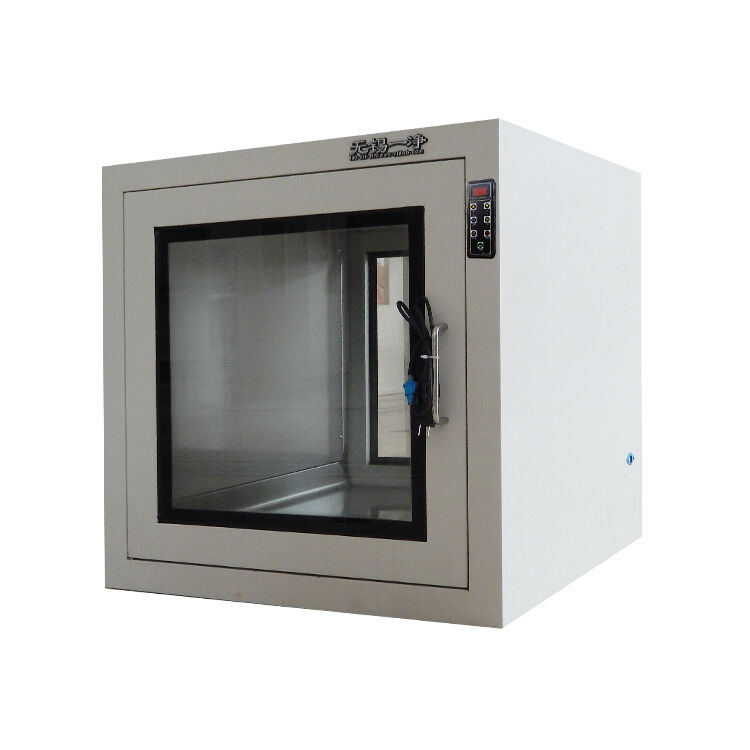
Manufacturing environments face critical challenges when operating without adequate contamination control measures. A properly designed cleanroom system serves as the foundation for maintaining consistent product quality, regulatory compliance, and operational efficiency across various industries. Without this essential infrastructure, production facilities encounter cascading problems that can severely impact their bottom line and market reputation.
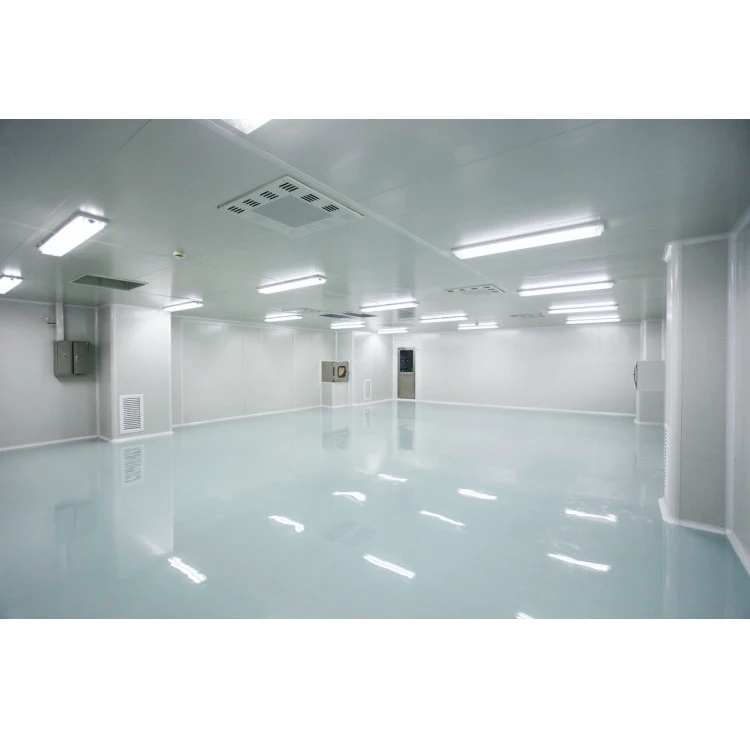
The absence of a controlled environment leads to contamination incidents that compromise product integrity and force costly recalls. Manufacturing operations depend on precise environmental controls to maintain stability, and when these systems fail or remain absent, the consequences ripple through every aspect of production. Understanding these implications helps organizations recognize the critical importance of investing in proper contamination control infrastructure.
Contamination Control Failures and Their Impact
Product Quality Degradation
Without a proper cleanroom system, airborne particles, microorganisms, and chemical contaminants infiltrate production areas, directly affecting product quality. These contaminants can cause defects, reduce shelf life, and compromise the functional properties of manufactured goods. In pharmaceutical manufacturing, even minute contamination levels can render entire batches unusable, leading to significant financial losses and potential health risks.
Electronic component manufacturing faces similar challenges when operating without adequate environmental controls. Dust particles and static electricity can damage sensitive circuits, reduce yield rates, and cause premature product failures. The precision required in modern electronics manufacturing demands stringent contamination control measures that only a well-designed cleanroom system can provide.
Regulatory Compliance Violations
Industries such as pharmaceuticals, medical devices, and food processing operate under strict regulatory frameworks that mandate specific environmental controls. Operating without a proper cleanroom system inevitably leads to compliance violations, regulatory sanctions, and potential facility shutdowns. These violations can result in substantial fines, legal proceedings, and loss of manufacturing licenses.
Regulatory bodies require documented evidence of contamination control measures, including air filtration efficiency, particle counts, and environmental monitoring data. Facilities lacking proper cleanroom systems cannot generate the required documentation, making them vulnerable to regulatory action and limiting their ability to serve regulated markets.
Production Efficiency and Operational Challenges
Increased Rejection Rates
Manufacturing facilities without adequate contamination control experience significantly higher rejection rates due to quality failures. These rejections waste raw materials, consume production time, and require additional resources for disposal or rework. The cumulative effect of increased rejection rates severely impacts production efficiency and profitability.
Quality control testing becomes more frequent and intensive when operating without proper environmental controls, as manufacturers attempt to identify and isolate contaminated products. This additional testing burden increases operational costs and extends production cycles, reducing overall throughput and competitiveness.
Equipment Maintenance and Downtime
Production equipment operating in uncontrolled environments accumulates contaminants more rapidly, requiring frequent cleaning and maintenance. This increased maintenance burden leads to more frequent production interruptions and higher operational costs. Critical manufacturing equipment may suffer premature wear or failure when exposed to excessive contamination levels.
The lack of environmental controls also affects sensitive measurement and testing equipment, reducing accuracy and reliability. Calibration requirements become more stringent, and equipment replacement cycles shorten, adding to the overall cost of manufacturing operations. These factors combine to create a cycle of inefficiency that undermines production stability.
Financial and Business Consequences
Revenue Loss and Market Impact
Companies operating without proper cleanroom systems face substantial revenue losses from product recalls, customer complaints, and market share erosion. The cost of addressing contamination-related issues often exceeds the initial investment required for proper environmental controls. Customer confidence suffers when quality problems become apparent, leading to long-term business relationships damage.
Market access becomes restricted when facilities cannot meet industry standards or regulatory requirements. International markets, in particular, often require certification of environmental controls before accepting products, limiting export opportunities for companies lacking proper cleanroom system infrastructure.
Insurance and Liability Concerns
Insurance companies recognize the increased risk associated with manufacturing operations lacking proper contamination controls. Premium rates typically increase for facilities without adequate cleanroom systems, and coverage limitations may apply to contamination-related claims. Some insurers may refuse coverage entirely for high-risk manufacturing operations.
Product liability exposure increases significantly when contamination control measures are inadequate. Legal costs associated with defending contamination-related claims can be substantial, and settlement amounts often reflect the perceived negligence in failing to implement proper environmental controls.
Employee Health and Safety Implications
Workplace Exposure Risks
Manufacturing environments without proper cleanroom system protection expose workers to potentially harmful contaminants. Chemical vapors, particulate matter, and biological agents can cause acute and chronic health problems, leading to increased workers compensation claims and potential regulatory violations under occupational safety standards.
Employee productivity suffers when working conditions lack proper environmental controls. Respiratory irritation, allergic reactions, and other health issues reduce work efficiency and increase absenteeism rates. The long-term health effects of exposure to manufacturing contaminants can create ongoing liability for employers.
Training and Qualification Challenges
Skilled workers increasingly prefer employment opportunities in properly controlled manufacturing environments. Companies lacking adequate cleanroom systems may struggle to attract and retain qualified personnel, particularly in technical roles requiring specialized expertise. This talent drain affects production capability and innovation potential.
Training requirements become more complex when operating without proper environmental controls, as workers must learn to identify and mitigate contamination risks manually. This additional training burden increases onboarding costs and extends the time required to achieve full productivity.
Technology Integration and Future Readiness
Advanced Manufacturing Limitations
Modern manufacturing technologies, including precision automation and advanced materials processing, require controlled environments to function effectively. Facilities lacking proper cleanroom systems cannot fully leverage these technologies, limiting their competitive advantage and growth potential. The integration of Industry 4.0 technologies becomes problematic when environmental conditions cannot be precisely controlled.
Research and development activities suffer when conducted in uncontrolled environments. Product innovation requires stable conditions for testing and validation, and the absence of proper environmental controls limits the reliability of experimental results and prototype development.
Scalability and Expansion Challenges
Companies operating without adequate cleanroom systems face significant obstacles when attempting to scale production or expand into new markets. The eventual need for proper environmental controls becomes more expensive to implement retroactively, often requiring complete facility reconstruction rather than incremental improvements.
Investment opportunities may be limited for companies lacking proper contamination control infrastructure. Investors and partners increasingly evaluate environmental control capabilities as part of due diligence processes, and facilities without adequate cleanroom systems may be viewed as higher-risk investments.
Recovery and Remediation Strategies
Assessment and Planning
Organizations recognizing the need for improved contamination control must conduct comprehensive facility assessments to identify current deficiencies and develop implementation strategies. This assessment process includes air quality monitoring, contamination source identification, and workflow analysis to determine optimal cleanroom system configurations.
Strategic planning for cleanroom system implementation requires careful consideration of production schedules, budget constraints, and regulatory requirements. Phased implementation approaches can minimize production disruptions while gradually improving environmental controls across facility areas.
Implementation and Integration
Successful cleanroom system installation requires coordination between multiple stakeholders, including engineering consultants, equipment suppliers, and regulatory specialists. The integration process must account for existing facility constraints while ensuring optimal performance and compliance with applicable standards.
Ongoing monitoring and maintenance programs ensure continued effectiveness of newly installed cleanroom systems. Regular validation testing, filter replacement schedules, and environmental monitoring protocols maintain the controlled conditions necessary for stable production operations.
FAQ
How quickly do contamination problems develop without proper cleanroom systems
Contamination issues can manifest within hours or days of operating without adequate environmental controls, depending on the manufacturing process and environmental conditions. Sensitive processes may experience immediate quality problems, while others might see gradual degradation over weeks or months.
What industries are most affected by the absence of cleanroom systems
Pharmaceutical manufacturing, medical device production, semiconductor fabrication, and precision electronics assembly are among the industries most severely impacted. Food processing, cosmetics manufacturing, and aerospace component production also require controlled environments for optimal results.
Can temporary solutions address cleanroom system deficiencies
While temporary measures such as portable air filtration units or containment structures can provide short-term improvements, they cannot replace the comprehensive contamination control provided by properly designed permanent cleanroom systems. These solutions should be viewed as interim steps toward full implementation.
What are the typical costs associated with contamination-related production problems
Contamination-related costs vary by industry and severity but commonly include product rejection rates of 10-30%, increased testing and quality control expenses, regulatory compliance costs, and potential recall expenses. These costs often exceed the investment required for proper cleanroom system installation within the first year of operation.