Superior Air Quality That Protects Health and Wellness
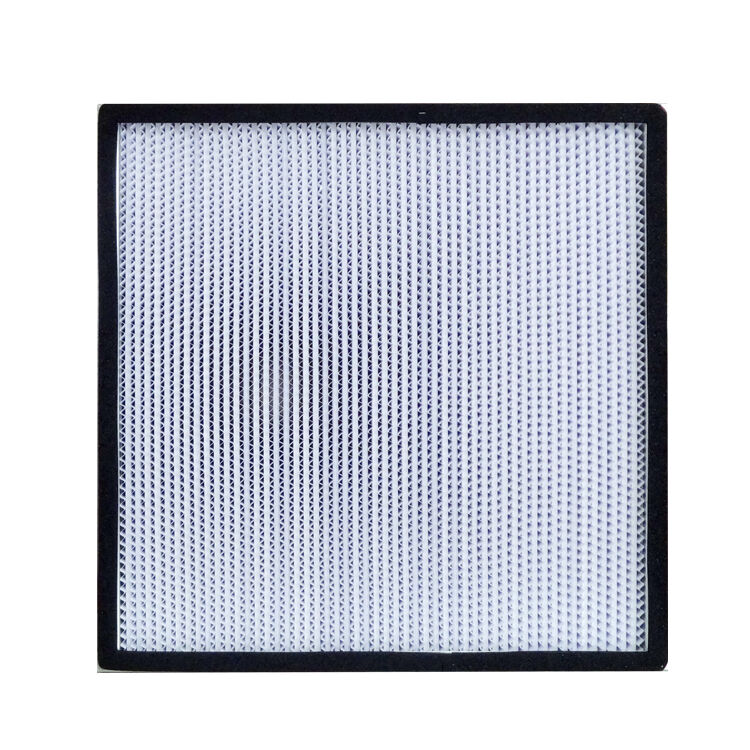
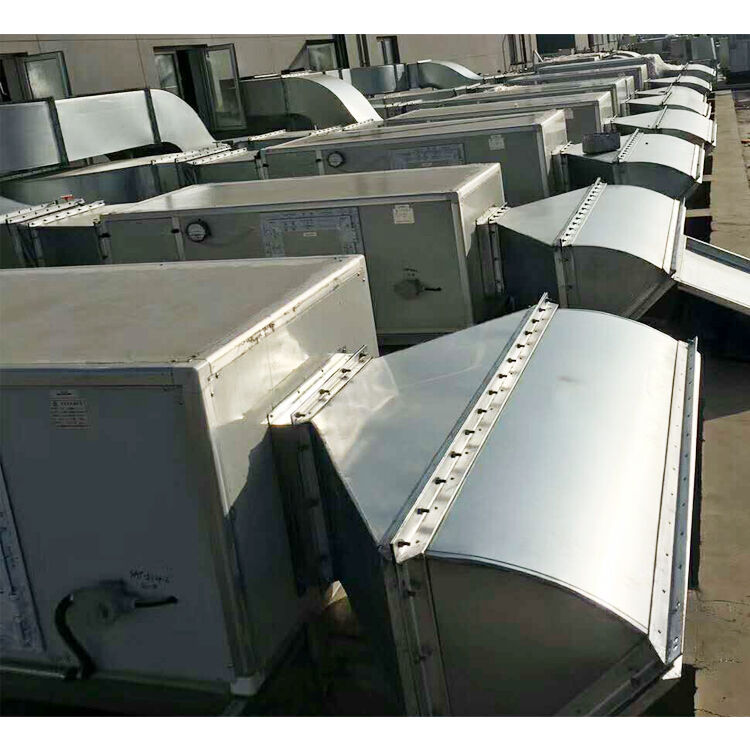
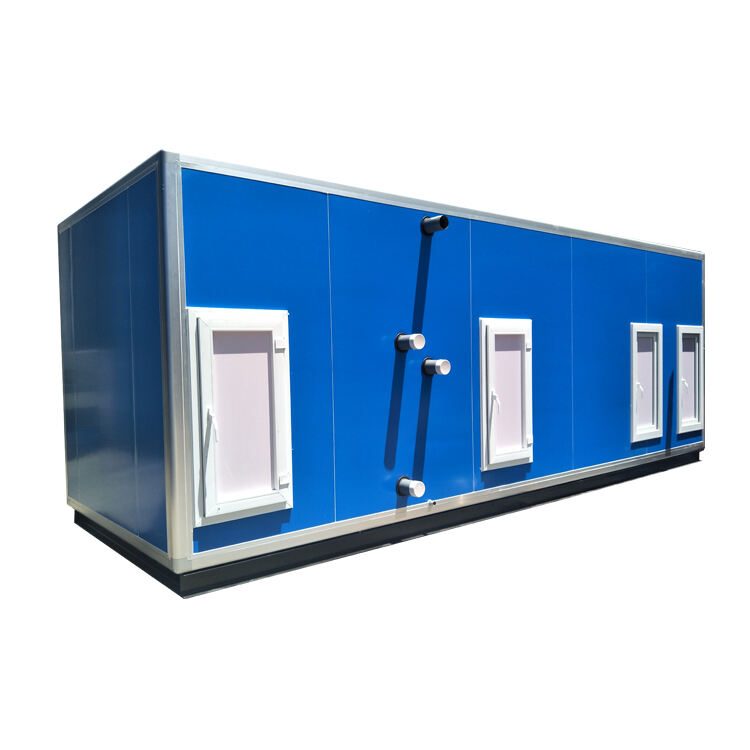
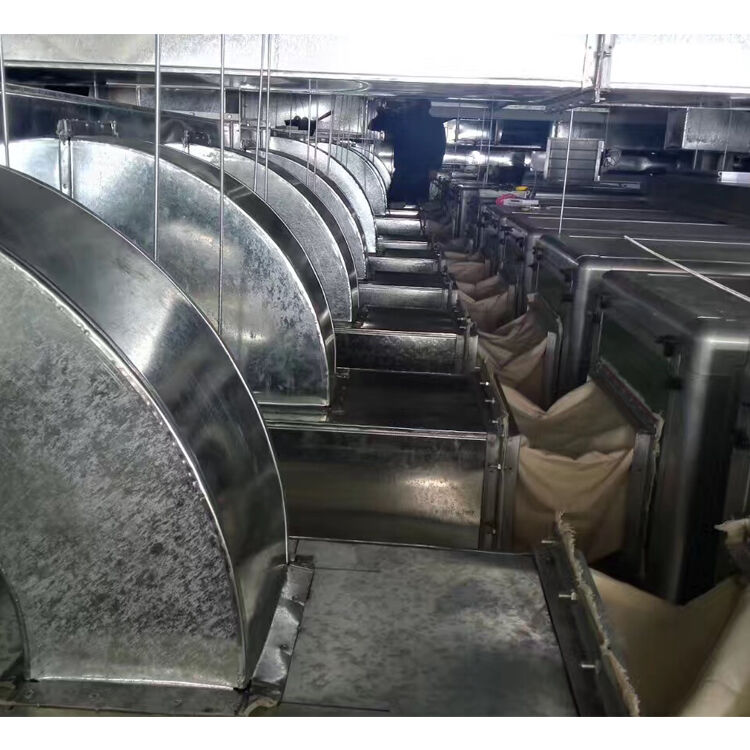
The air quality improvements delivered by advanced conditioned air systems extend far beyond simple temperature control, addressing the invisible but critical factors that determine whether indoor environments support or undermine human health and wellbeing. Multi-stage filtration systems form the foundation of superior air quality, beginning with pre-filters that capture large particles like dust and lint, progressing through increasingly fine filters rated to remove microscopic allergens including pollen grains, mold spores, pet dander, and dust mite debris, and culminating in optional HEPA filters capable of trapping bacteria and virus particles, creating hospital-grade air cleanliness in your home or workplace. Beyond mechanical filtration, many conditioned air systems incorporate additional purification technologies such as ultraviolet lights that neutralize biological contaminants, activated carbon filters that adsorb odors and chemical fumes, and ionization systems that electrically charge particles for more effective capture, working together to eliminate the widest possible range of air quality threats. Humidity management plays an equally crucial role in maintaining healthy air since excessive moisture encourages mold growth, dust mite proliferation, and feelings of stuffiness while insufficient humidity causes dry skin, irritated respiratory passages, static electricity shocks, and accelerated transmission of airborne viruses, but conditioned air systems maintain humidity in the optimal range between forty and sixty percent where these problems disappear and comfort peaks. Ventilation components ensure continuous introduction of fresh outdoor air to dilute accumulated carbon dioxide from breathing, volatile organic compounds off-gassing from furnishings and building materials, cooking odors, cleaning product residues, and other indoor pollutants that build up in tightly sealed modern buildings, with energy recovery features capturing thermal energy from exhaust air to precondition incoming fresh air without wasting heating or cooling energy. The health benefits manifest in reduced allergy and asthma symptoms as cleaner air contains fewer triggers, decreased respiratory infections as pathogens get filtered or neutralized before reaching occupants, improved sleep quality as comfortable temperature and humidity levels promote deeper rest, enhanced cognitive function as adequate fresh air prevents the drowsiness and concentration difficulties associated with elevated carbon dioxide, and overall wellness improvements that come from spending time in environments that support rather than challenge biological systems. For vulnerable populations including infants, elderly individuals, pregnant women, and those with compromised immune systems or chronic respiratory conditions, the superior air quality provided by conditioned air systems can dramatically improve daily comfort and reduce serious health risks, making these systems not merely conveniences but essential infrastructure for protecting those who need it most.

 EN
EN