Professional Clean Room Design Solutions: Advanced Contamination Control for Critical Manufacturing

All Categories

Get a Free Quote

Our representative will contact you soon.
Email
Name
Company Name
Attachment
Please upload at least an attachment
Up to 3 files,more 30mb,suppor jpg、jpeg、png、pdf、doc、docx、xls、xlsx、csv、txt
Message
0/1000

Get a Free Quote

Our representative will contact you soon.
Email
Name
Company Name
Attachment
Please upload at least an attachment
Up to 3 files,more 30mb,suppor jpg、jpeg、png、pdf、doc、docx、xls、xlsx、csv、txt
Message
0/1000

clean room design

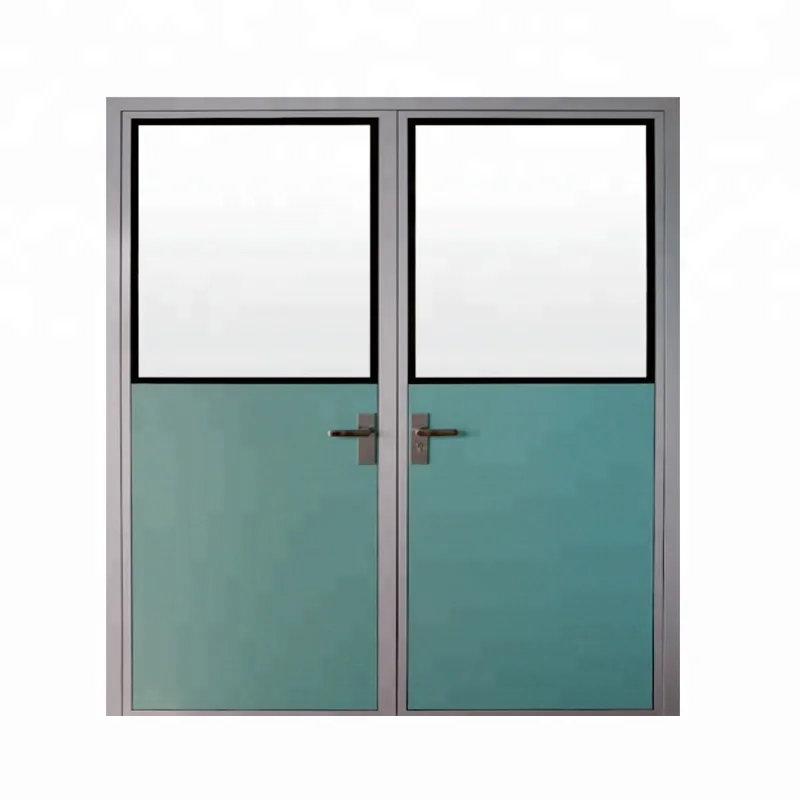
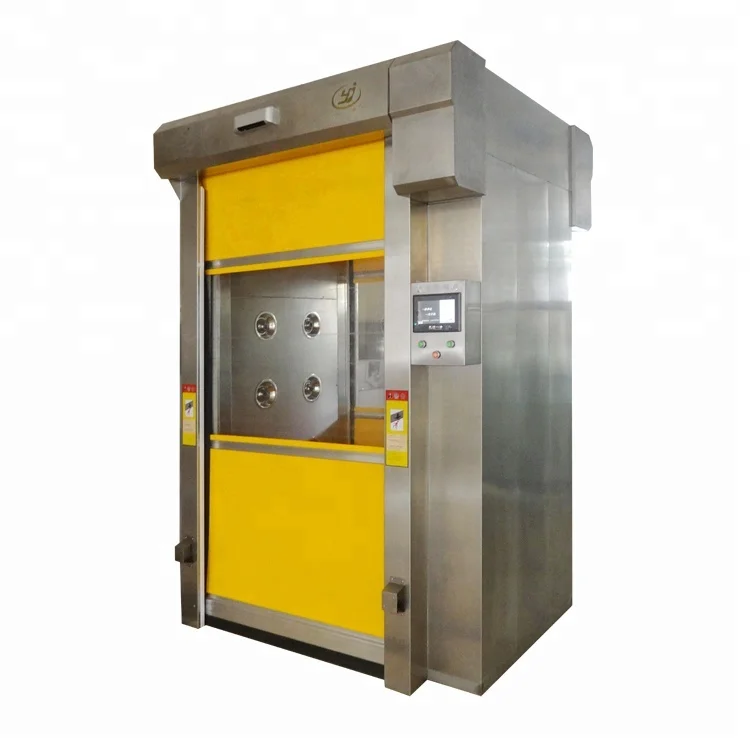
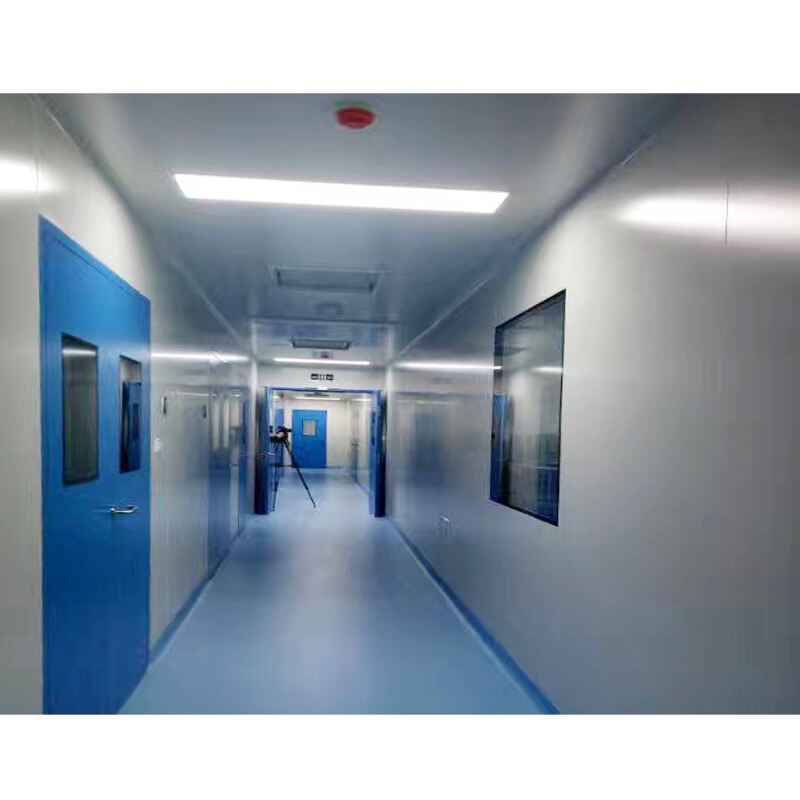
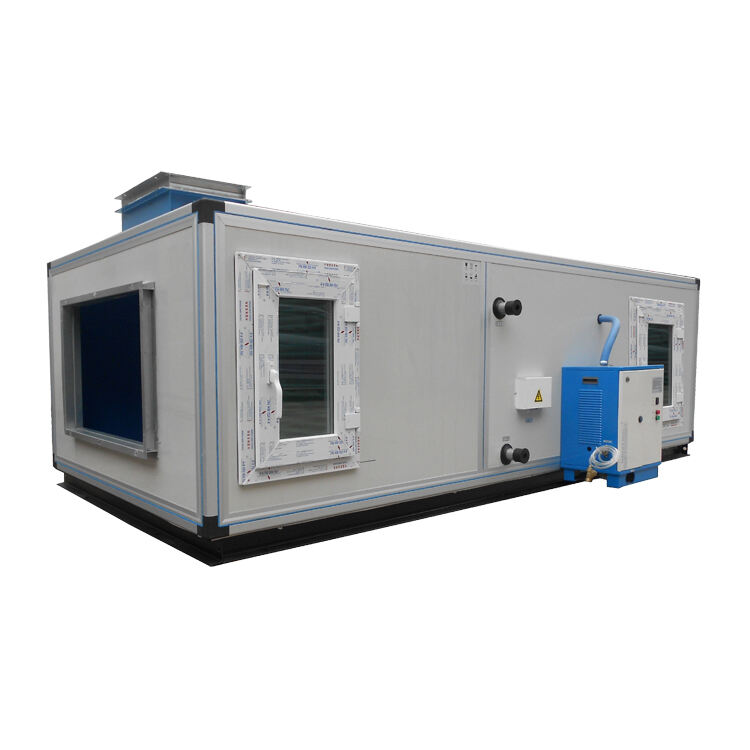
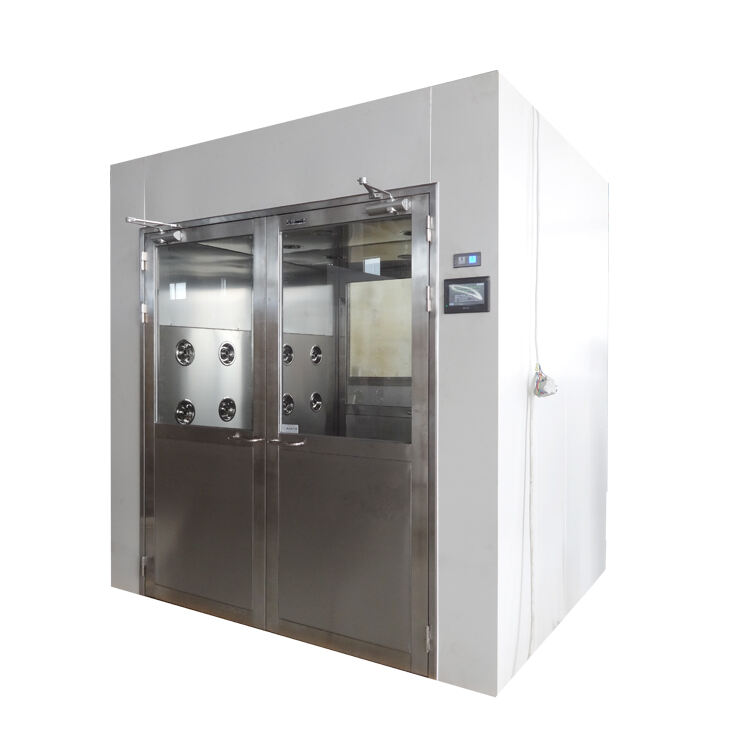
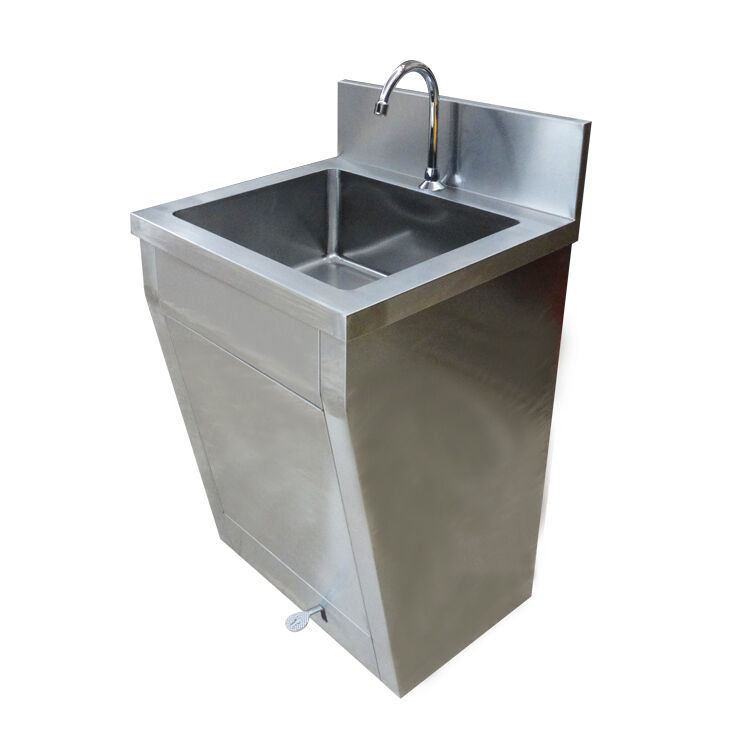
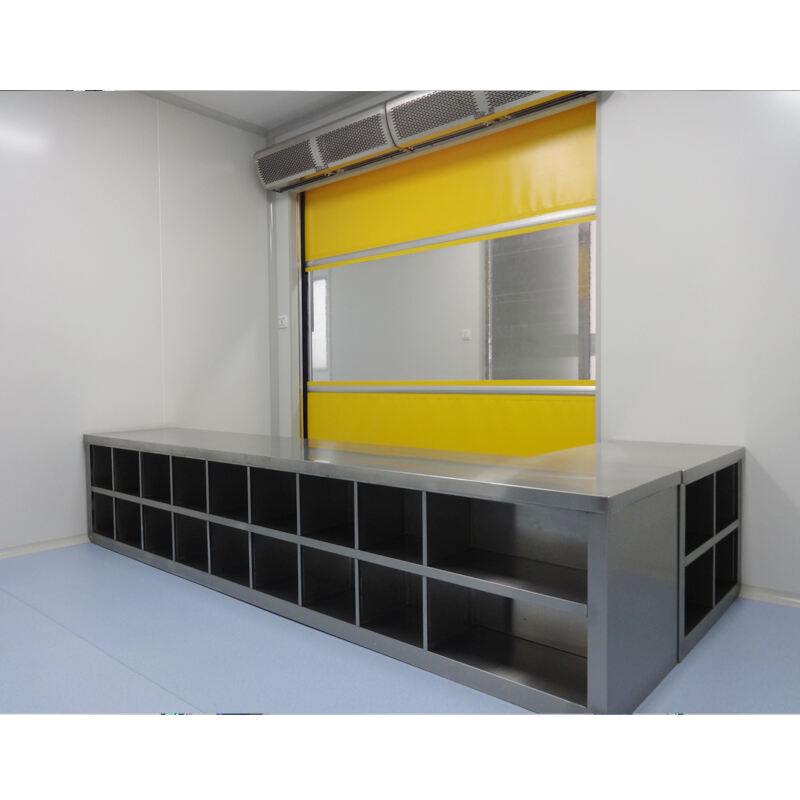
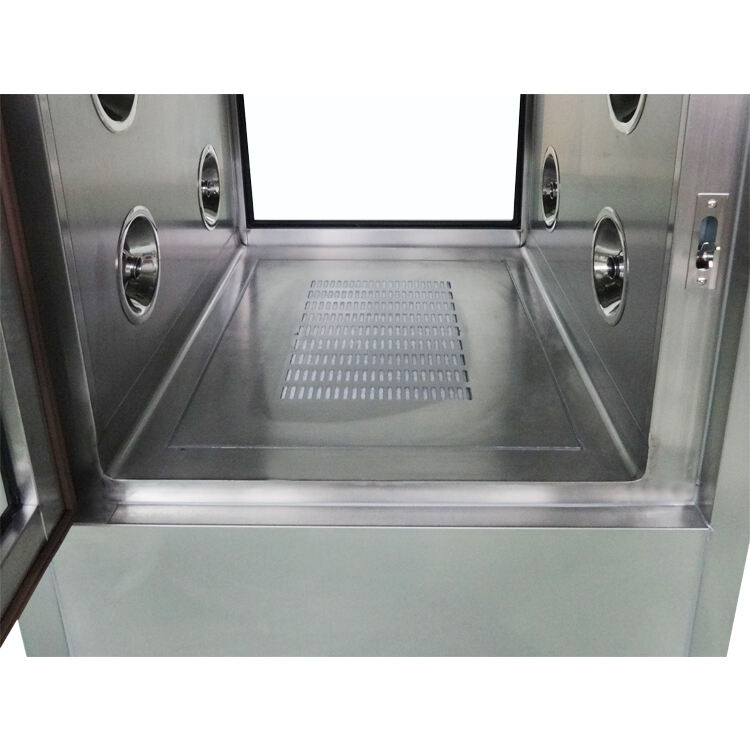
Clean room design represents a specialized approach to creating controlled environments where contamination levels are strictly regulated and monitored. These sophisticated spaces are engineered to maintain specific air quality standards by controlling particulate matter, temperature, humidity, and pressure. The primary function of clean room design is to establish an environment where manufacturing, research, or assembly processes can occur without interference from airborne particles, microorganisms, or other contaminants that could compromise product quality or experimental results. Modern clean room design incorporates advanced filtration systems, typically using HEPA or ULPA filters that remove 99.97% to 99.999% of particles from the air. The design also includes strategic airflow patterns, often employing laminar or turbulent flow systems depending on the specific requirements of the space. Clean rooms are classified according to international standards such as ISO 14644-1, which categorizes them based on the maximum allowable particle count per cubic meter of air. These classifications range from ISO Class 1, the cleanest, to ISO Class 9, with each level serving different industrial needs. The technological features embedded in clean room design extend beyond air filtration to include specialized flooring, wall panels, and ceiling systems constructed from non-particle-shedding materials. Entry and exit protocols are carefully designed with airlocks, gowning rooms, and air showers to prevent contamination from personnel. Applications for clean room design span numerous industries including pharmaceutical manufacturing, semiconductor production, biotechnology research, medical device assembly, aerospace component fabrication, and food processing. Each application demands specific environmental parameters, and clean room design must be customized to meet these unique requirements while maintaining regulatory compliance and operational efficiency.


New Product Recommendations

The advantages of clean room design extend far beyond simple air filtration, offering tangible benefits that directly impact your bottom line and product quality. First and foremost, implementing a properly designed clean room dramatically reduces product defects and contamination-related failures. When your manufacturing or research environment maintains consistent particle control, you eliminate one of the most common causes of product rejection, saving substantial costs associated with rework, waste, and customer returns. This translates to higher yields and more predictable production outcomes. Another significant advantage is regulatory compliance. Industries such as pharmaceuticals, medical devices, and food production face strict government oversight. A well-executed clean room design ensures you meet or exceed these requirements, avoiding costly fines, production shutdowns, or product recalls that can damage your reputation and financial stability. The design also provides precise environmental control, allowing you to maintain exact temperature and humidity levels critical for sensitive processes. This consistency ensures that your products meet specifications every time, building customer trust and brand reliability. Energy efficiency represents another practical benefit of modern clean room design. While these environments require significant power for filtration and climate control, contemporary designs incorporate smart systems that optimize energy use without compromising performance. Variable speed fans, heat recovery systems, and intelligent monitoring reduce operational costs over the facility's lifetime. Clean room design also enhances worker safety and comfort. By controlling airborne hazards and maintaining optimal working conditions, you create a healthier environment that can reduce sick days and improve employee productivity. The structured protocols and clear workflows inherent in clean room operations also minimize confusion and errors. Flexibility is built into quality clean room design, allowing you to adapt spaces as your needs evolve. Modular construction techniques enable expansion or reconfiguration without complete facility overhauls. This adaptability protects your investment and supports business growth. Finally, having a certified clean room facility can open new market opportunities. Many contracts and partnerships require demonstrated contamination control capabilities. Your clean room design becomes a competitive advantage, positioning you to pursue higher-value projects and premium clients who demand proven quality assurance.

Practical Tips

What Are the Key Components of an Effective Clean Air System

21

Oct

What Are the Key Components of an Effective Clean Air System

Understanding Modern Clean Air Technologies and Their Impact A well-designed clean air system serves as the foundation for maintaining optimal indoor air quality in both residential and commercial spaces. As we spend approximately 90% of our time ind...
View More
How to Maintain an Air Handling Unit for Consistent Airflow

21

Oct

How to Maintain an Air Handling Unit for Consistent Airflow

Essential Guidelines for Air Handling Unit Performance Air handling units (AHUs) are the backbone of any building's HVAC system, responsible for maintaining comfortable indoor environments and ensuring proper ventilation. Effective air handling unit ...
View More
What Certifications Are Required for Clean Air Systems

02

Dec

What Certifications Are Required for Clean Air Systems

Modern industrial facilities and critical environments rely heavily on properly certified clean air systems to maintain air quality standards and regulatory compliance. These sophisticated systems ensure contaminant-free environments essential for ma...
View More
Clean Room Applications Across Electronics, Medical, and Precision Manufacturing

30

Jan

Clean Room Applications Across Electronics, Medical, and Precision Manufacturing

Modern manufacturing and healthcare facilities rely heavily on controlled environments to ensure product quality, safety, and regulatory compliance. A clean room represents a specialized environment where airborne particles, contaminants, and environ...
View More

Get a Free Quote

Our representative will contact you soon.
Email
Name
Company Name
Attachment
Please upload at least an attachment
Up to 3 files,more 30mb,suppor jpg、jpeg、png、pdf、doc、docx、xls、xlsx、csv、txt
Message
0/1000

clean room design

Advanced Contamination Control Through Multi-Layer Filtration Systems

Advanced Contamination Control Through Multi-Layer Filtration Systems

The cornerstone of effective clean room design lies in its sophisticated multi-layer filtration approach that creates an environment virtually free from harmful particles and contaminants. This system begins with pre-filtration stages that capture larger particles before air enters the main processing units, extending the life of more expensive final filters and improving overall system efficiency. The heart of the system utilizes High Efficiency Particulate Air filters or Ultra Low Penetration Air filters, depending on the cleanliness classification required. These filters work continuously to scrub incoming air, removing particles as small as 0.3 microns with extraordinary efficiency. What makes this feature particularly valuable is its ability to maintain consistent air quality regardless of external conditions or production activities within the space. The filtration system integrates with carefully designed airflow patterns that create positive pressure differentials, ensuring that air always flows from cleaner areas to less clean areas, never the reverse. This prevents contamination migration and maintains the integrity of critical zones. The design also incorporates strategic placement of supply and return air vents to eliminate dead spots where particles might accumulate. Regular monitoring through particle counters provides real-time data on air quality, allowing immediate response to any deviations from established parameters. For businesses, this translates to predictable, reliable production conditions that eliminate the guesswork from quality control. You gain the confidence that every product manufactured in your clean room meets the same exacting standards, batch after batch. The filtration system's reliability also means fewer production interruptions due to environmental issues, maximizing your facility's uptime and productivity. Additionally, modern filtration designs incorporate energy recovery systems that capture and reuse conditioned air, significantly reducing the operational costs associated with heating, cooling, and dehumidifying fresh air intake. This makes clean room operation more sustainable and economically viable over the long term. The multi-layer approach also provides redundancy, so if one component requires maintenance, the system continues operating at reduced capacity rather than shutting down completely, protecting your production schedule and commitments to customers.
Customizable Modular Construction for Scalable Operations

Customizable Modular Construction for Scalable Operations

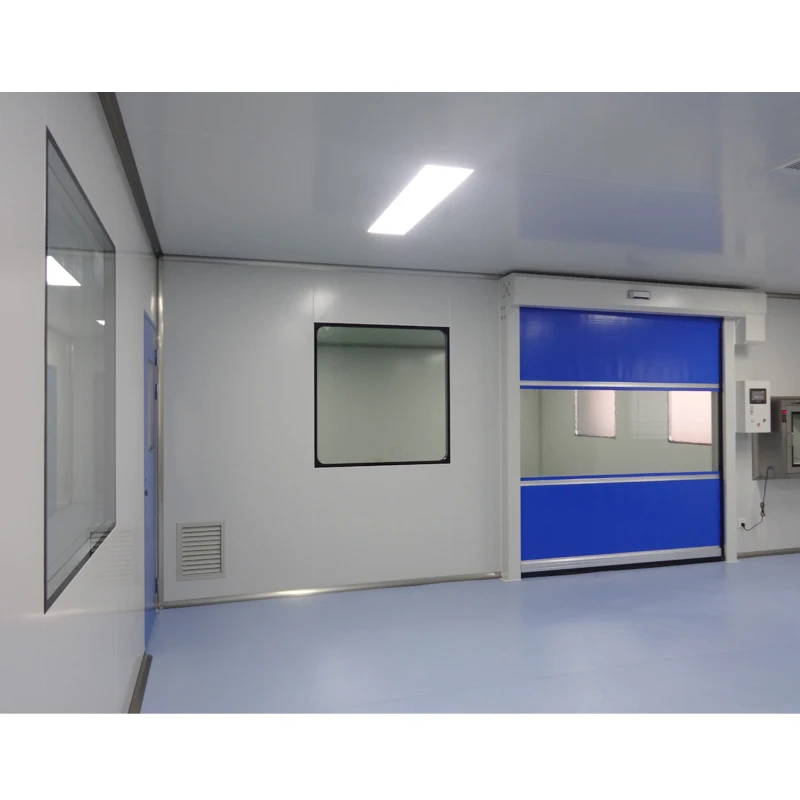
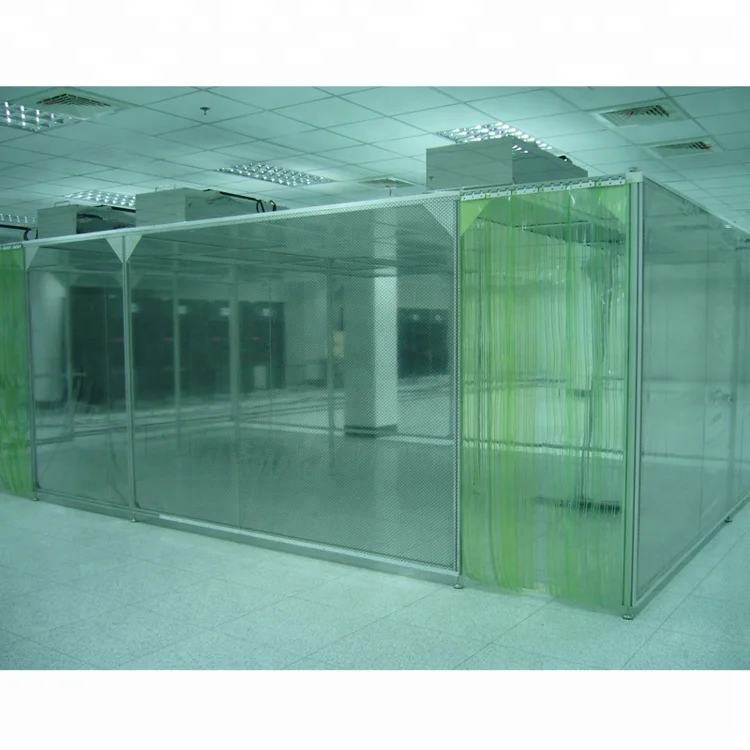
Modern clean room design embraces modular construction principles that provide unprecedented flexibility and scalability for growing businesses and evolving production needs. Unlike traditional fixed construction, modular clean room design utilizes prefabricated panels, ceiling systems, and structural components that can be assembled, reconfigured, or expanded with minimal disruption to ongoing operations. This approach offers substantial advantages for companies that need to adapt quickly to market demands or technological changes. The modular nature means you can start with a smaller clean room footprint and expand systematically as your business grows, avoiding the need for massive upfront capital investment in space you may not immediately need. Each module is engineered to maintain the same rigorous contamination control standards as permanent construction, so you never compromise on quality for the sake of flexibility. The panels used in modular clean room design are constructed from materials specifically chosen for their non-particle-shedding properties, smooth surfaces that resist microbial growth, and durability under repeated cleaning with harsh disinfectants. These panels interlock with precision-engineered seals that prevent air leakage and maintain pressure differentials critical to contamination control. The ceiling grid systems accommodate HEPA filter modules, lighting fixtures, and utility distribution in a coordinated layout that maximizes efficiency while maintaining accessibility for maintenance. What makes this particularly valuable for businesses is the speed of implementation. Modular clean room design can be installed in a fraction of the time required for traditional construction, getting your facility operational faster and generating revenue sooner. The construction process is also cleaner and less disruptive, allowing you to maintain operations in adjacent areas without contamination concerns. When reconfiguration becomes necessary, whether to accommodate new equipment, change production flows, or repurpose space for different products, the modular design allows these changes to happen quickly and cost-effectively. Panels can be relocated, doorways added or moved, and entire sections reconfigured without demolition or extensive downtime. This adaptability protects your investment by ensuring your facility remains relevant and functional as your business evolves, rather than becoming obsolete and requiring complete replacement. The modular approach also simplifies compliance with changing regulations, as updates to meet new standards can be implemented incrementally rather than requiring facility-wide renovations.
Integrated Environmental Monitoring and Control Systems

Integrated Environmental Monitoring and Control Systems

The third critical element of superior clean room design is the integration of advanced environmental monitoring and control systems that provide real-time oversight and automated adjustments to maintain optimal conditions continuously. These systems represent the intelligence layer of your clean room, constantly gathering data from numerous sensors positioned throughout the facility to track particle counts, temperature, humidity, pressure differentials, and airflow rates. This comprehensive monitoring creates a complete picture of environmental conditions at any moment, allowing immediate detection of deviations from established parameters. The value of this feature extends beyond simple measurement. Modern control systems use this data to make automatic adjustments, modulating fan speeds, adjusting damper positions, and fine-tuning climate control equipment to maintain target conditions without human intervention. This automation ensures consistency that manual control simply cannot match, eliminating the variability introduced by human judgment or delayed responses to changing conditions. For your business, this means production processes occur in an environment that remains stable within extremely tight tolerances, reducing variability in product characteristics and improving overall quality. The monitoring systems also create detailed records of environmental conditions throughout production runs, providing the documentation required for regulatory compliance and quality audits. This data trail proves that products were manufactured under appropriate conditions, protecting you in case of customer complaints or regulatory inquiries. The systems can be configured to send alerts when parameters approach limit thresholds, allowing preventive action before conditions actually violate specifications. This proactive approach prevents production of non-conforming products and avoids the costs associated with scrapping batches or reworking items. Integration with building management systems allows the clean room to coordinate with other facility operations, optimizing energy use across the entire building rather than operating in isolation. The monitoring data also provides valuable insights for continuous improvement, revealing patterns and trends that might indicate opportunities for process optimization or equipment maintenance needs before failures occur. Advanced analytics can predict when filters need replacement based on actual performance degradation rather than arbitrary time schedules, reducing waste while ensuring filtration effectiveness never falls below required levels. The user interfaces for these systems have evolved to provide intuitive dashboards that present complex data in easily understood formats, allowing operators and managers to quickly assess facility status and make informed decisions without specialized training in environmental engineering.

Get a Free Quote

Our representative will contact you soon.
Email
Name
Company Name
Attachment
Please upload at least an attachment
Up to 3 files,more 30mb,suppor jpg、jpeg、png、pdf、doc、docx、xls、xlsx、csv、txt
Message
0/1000

Get a Free Quote

Our representative will contact you soon.
Email
Name
Company Name
Attachment
Please upload at least an attachment
Up to 3 files,more 30mb,suppor jpg、jpeg、png、pdf、doc、docx、xls、xlsx、csv、txt
Message
0/1000