
 EN
EN
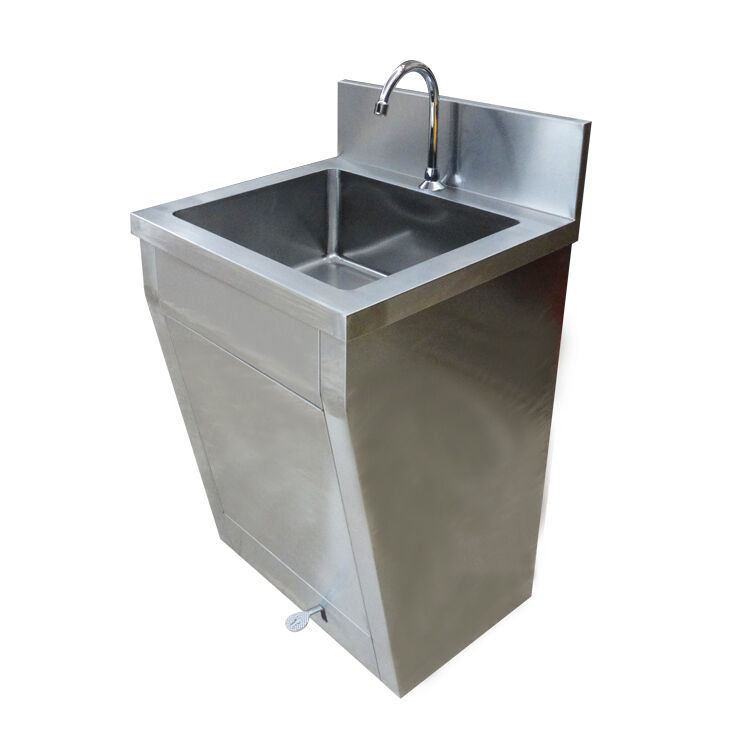
Modern manufacturing and healthcare facilities rely heavily on controlled environments to ensure product quality, safety, and regulatory compliance. A clean room represents a specialized environment where airborne particles, contaminants, and environmental factors are meticulously controlled through advanced filtration systems, air pressure management, and strict protocols. These controlled environments have become indispensable across multiple industries, from semiconductor manufacturing to pharmaceutical production, where even microscopic contamination can result in significant product failures or safety concerns.
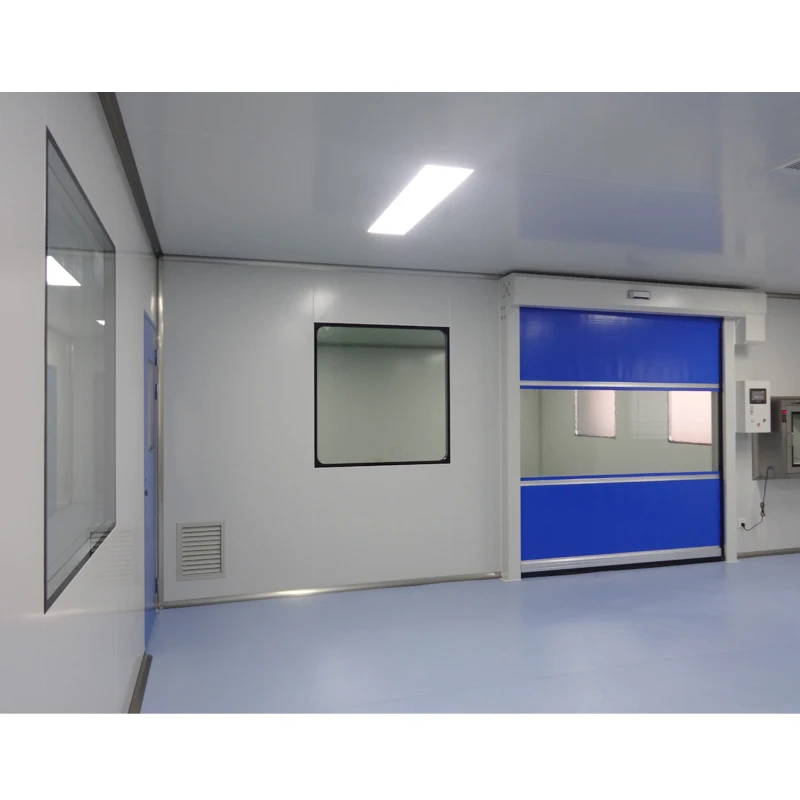
The evolution of clean room technology has paralleled advancements in manufacturing precision and quality standards. What began as relatively simple controlled environments has transformed into sophisticated systems capable of maintaining particle counts as low as one particle per cubic foot of air. This remarkable level of control enables manufacturers to produce increasingly complex products while meeting stringent quality requirements and regulatory standards.
Electronics Manufacturing and Semiconductor Production
Microchip Fabrication Requirements
The semiconductor industry represents one of the most demanding applications for clean room technology. Modern microprocessors contain transistors measuring just a few nanometers, making them incredibly susceptible to contamination from airborne particles. A single dust particle can destroy an entire wafer containing hundreds of microchips, resulting in losses worth millions of dollars. Clean room environments in semiconductor facilities typically operate at Class 1 or Class 10 standards, maintaining extremely low particle counts through sophisticated filtration and air management systems.
These facilities employ high-efficiency particulate air filters, laminar air flow systems, and positive pressure differentials to prevent contamination. Workers must follow strict gowning procedures, wearing specialized suits that cover their entire bodies to prevent skin cells, hair, and other biological contaminants from entering the production environment. The manufacturing process itself generates particles through chemical reactions and mechanical processes, requiring continuous monitoring and filtration to maintain the required cleanliness standards.
Circuit Board Assembly and Testing
Electronic circuit board manufacturing also benefits significantly from clean room environments, particularly during surface mount technology assembly and testing phases. While these applications may not require the extreme cleanliness levels needed for semiconductor fabrication, maintaining controlled environments prevents defects caused by dust, moisture, and other contaminants. Clean room facilities for circuit board assembly typically operate at Class 100 to Class 10,000 standards, depending on the specific application and quality requirements.
The assembly process involves placing extremely small components onto circuit boards using automated equipment that requires precise positioning. Contamination can interfere with this placement process, causing component misalignment or poor solder joint formation. Additionally, testing procedures often involve sensitive measurements that can be affected by environmental factors, making controlled conditions essential for accurate results and quality assurance.
Medical Device Manufacturing and Pharmaceutical Applications
Sterile Medical Device Production
Medical device manufacturing represents another critical application area where clean room technology ensures product safety and regulatory compliance. Devices intended for implantation or direct contact with patients must be manufactured in environments that meet strict sterility requirements. A clean room designed for medical device production typically incorporates both particle control and bioburden reduction measures to prevent microbial contamination.
These facilities often combine traditional clean room technology with additional sterilization procedures, including ultraviolet light exposure, chemical disinfection, and gamma radiation sterilization. The manufacturing process must be carefully designed to minimize bioburden introduction while maintaining the sterility of finished products. Quality control procedures include extensive testing for both particle contamination and microbial presence, ensuring that products meet FDA and other regulatory requirements before distribution.
Pharmaceutical Manufacturing and Compounding
Pharmaceutical manufacturing facilities utilize clean room technology throughout various production stages, from active ingredient synthesis to final product packaging. Different pharmaceutical products require different cleanliness levels, with sterile injectable medications requiring the most stringent environmental controls. Clean room classification for pharmaceutical manufacturing ranges from Class 100,000 for general manufacturing areas to Class 100 or better for sterile product filling operations.
The pharmaceutical industry has developed comprehensive guidelines for clean room design, operation, and validation through organizations like the International Council for Harmonisation and the United States Pharmacopeia. These guidelines address not only particle control but also microbial contamination, cross-contamination prevention, and personnel training requirements. Validation procedures ensure that clean room systems consistently maintain required environmental conditions throughout their operational life.
Precision Manufacturing and Research Applications
Optical Component Production
The manufacture of precision optical components, including lenses, mirrors, and fiber optic cables, requires clean room environments to prevent surface contamination that could affect optical performance. Even microscopic particles can scatter light, reduce transmission efficiency, or create unwanted reflections in finished optical products. Clean room facilities for optical manufacturing typically maintain Class 100 to Class 1,000 standards, with specific attention to particle size distributions that could impact optical surfaces.
Optical component manufacturing involves multiple precision steps, including grinding, polishing, and coating application, each of which must be performed in controlled environments. Surface preparation is particularly critical, as any contamination present during coating application becomes permanently embedded in the finished product. Quality control procedures include extensive optical testing to verify that products meet performance specifications and contamination standards.
Research and Development Facilities
Research institutions and development laboratories utilize clean room technology to support various scientific investigations and prototype development activities. These applications often require flexible environmental controls that can be adjusted for different research projects and experimental requirements. Clean room facilities in research settings may need to accommodate a wide range of materials, equipment, and procedures while maintaining appropriate contamination control.
Research applications frequently involve developing new manufacturing processes or testing prototype products under controlled conditions. The ability to eliminate environmental variables allows researchers to focus on specific parameters and obtain more reliable experimental results. Many research clean room facilities are designed with modular components that can be reconfigured as research needs change, providing flexibility while maintaining environmental control capabilities.
Design Considerations and Environmental Control Systems
Air Filtration and Flow Management
Effective clean room design begins with comprehensive air filtration and flow management systems that remove contaminants while maintaining appropriate environmental conditions. High-efficiency particulate air filters form the foundation of most clean room systems, capable of removing particles as small as 0.3 micrometers with efficiency ratings exceeding 99.97 percent. These filters must be properly installed, tested, and maintained to ensure continued performance throughout their operational life.
Air flow patterns within clean room spaces are carefully designed to minimize contamination accumulation and ensure uniform environmental conditions. Laminar flow systems provide unidirectional air movement that sweeps contaminants away from critical work areas, while turbulent mixing systems provide more cost-effective contamination dilution for less critical applications. The selection of appropriate air flow patterns depends on the specific application requirements and contamination control objectives.
Environmental Monitoring and Control
Continuous environmental monitoring is essential for maintaining clean room performance and documenting compliance with established standards. Modern monitoring systems track multiple parameters simultaneously, including particle counts, air pressure differentials, temperature, humidity, and air flow rates. Automated alarm systems alert operators to any deviations from established parameters, enabling rapid corrective action to prevent contamination events.
Data logging capabilities provide comprehensive documentation of environmental conditions for quality assurance and regulatory compliance purposes. Trend analysis helps identify potential problems before they result in contamination events, enabling predictive maintenance and system optimization. Integration with facility management systems allows coordinated control of clean room environments with other building systems, improving overall efficiency and reliability.
Personnel Training and Contamination Control Procedures
Gowning and Personal Hygiene Protocols
Proper personnel training is crucial for maintaining clean room effectiveness, as human activities represent the primary source of contamination in most controlled environments. Comprehensive training programs cover gowning procedures, movement protocols, and personal hygiene requirements that minimize contamination introduction. Personnel must understand how their actions can affect environmental conditions and product quality, developing habits that support contamination control objectives.
Gowning procedures vary depending on clean room classification and application requirements, but all involve systematic steps to minimize contamination transfer from outside environments. Training programs include hands-on practice sessions where personnel demonstrate proper gowning techniques and receive feedback on their performance. Regular retraining ensures that procedures remain current with changing requirements and that personnel maintain proficiency over time.
Material and Equipment Decontamination
All materials and equipment entering clean room environments must undergo appropriate decontamination procedures to prevent contamination introduction. These procedures may include physical cleaning, chemical disinfection, or sterilization depending on the application requirements and contamination risks. Material transfer procedures are designed to minimize exposure to outside environments while ensuring that necessary supplies reach work areas safely.
Equipment decontamination procedures must balance contamination control requirements with equipment functionality and maintenance needs. Some equipment may require special cleaning agents or procedures that are compatible with clean room environments while effectively removing potential contaminants. Documentation procedures ensure that all decontamination activities are properly recorded for quality assurance and regulatory compliance purposes.
FAQ
What are the different clean room classifications and their applications
Clean room classifications are defined by the maximum allowable particle count per cubic foot of air, with lower numbers indicating cleaner environments. Class 1 clean rooms allow only one particle of 0.5 micrometers or larger per cubic foot and are used for the most critical semiconductor manufacturing processes. Class 100 environments allow up to 100 particles per cubic foot and are commonly used for pharmaceutical sterile manufacturing and precision optical component production. Class 1,000 and Class 10,000 clean rooms are suitable for medical device manufacturing and electronic assembly operations, while Class 100,000 environments are used for general manufacturing applications where moderate contamination control is required.
How often should clean room filters be replaced and tested
High-efficiency particulate air filter replacement schedules depend on several factors including usage intensity, contamination levels, and manufacturer recommendations, but typically range from six months to two years for most applications. Filter integrity testing should be performed at least annually using aerosol challenge tests that verify filtration efficiency across the entire filter surface. Pressure differential monitoring provides continuous indication of filter loading and helps determine optimal replacement timing. Some facilities perform quarterly or monthly filter testing for critical applications, while others may extend testing intervals for less critical areas based on historical performance data and risk assessment.
What are the key differences between clean rooms for electronics versus medical applications
Electronics manufacturing clean rooms primarily focus on particle contamination control to prevent defects in sensitive semiconductor devices and circuit boards, typically requiring Class 1 to Class 1,000 environments depending on the specific application. Medical device and pharmaceutical clean rooms must address both particle contamination and bioburden control to ensure product sterility and patient safety, often incorporating additional sterilization procedures and microbial monitoring. Regulatory requirements also differ significantly, with electronics clean rooms following industry standards while medical clean rooms must comply with FDA regulations and good manufacturing practices that include extensive documentation and validation requirements.
How do you validate and maintain clean room performance over time
Clean room validation involves comprehensive testing of all environmental control systems to verify that they consistently maintain required conditions under normal operating circumstances. Initial validation includes particle count testing, air flow measurements, filter integrity verification, and recovery testing to demonstrate how quickly the system returns to specification after disturbance. Ongoing maintenance includes regular filter replacement, system calibration, environmental monitoring, and periodic revalidation to ensure continued compliance with established standards. Documentation of all testing and maintenance activities is essential for regulatory compliance and quality assurance purposes, with many facilities maintaining electronic records systems that track performance trends and alert operators to potential issues.