Clean Room HEPA Filtration Systems - Advanced Air Purification Solutions for Contamination Control

All Categories

Get a Free Quote

Our representative will contact you soon.
Email
Name
Company Name
Attachment
Please upload at least an attachment
Up to 3 files,more 30mb,suppor jpg、jpeg、png、pdf、doc、docx、xls、xlsx、csv、txt
Message
0/1000

Get a Free Quote

Our representative will contact you soon.
Email
Name
Company Name
Attachment
Please upload at least an attachment
Up to 3 files,more 30mb,suppor jpg、jpeg、png、pdf、doc、docx、xls、xlsx、csv、txt
Message
0/1000

clean room hepa

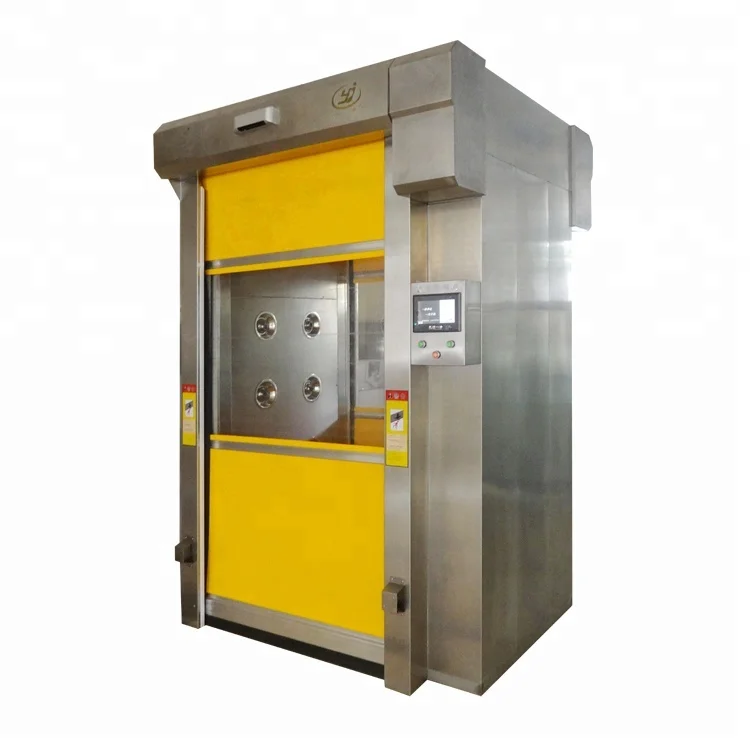
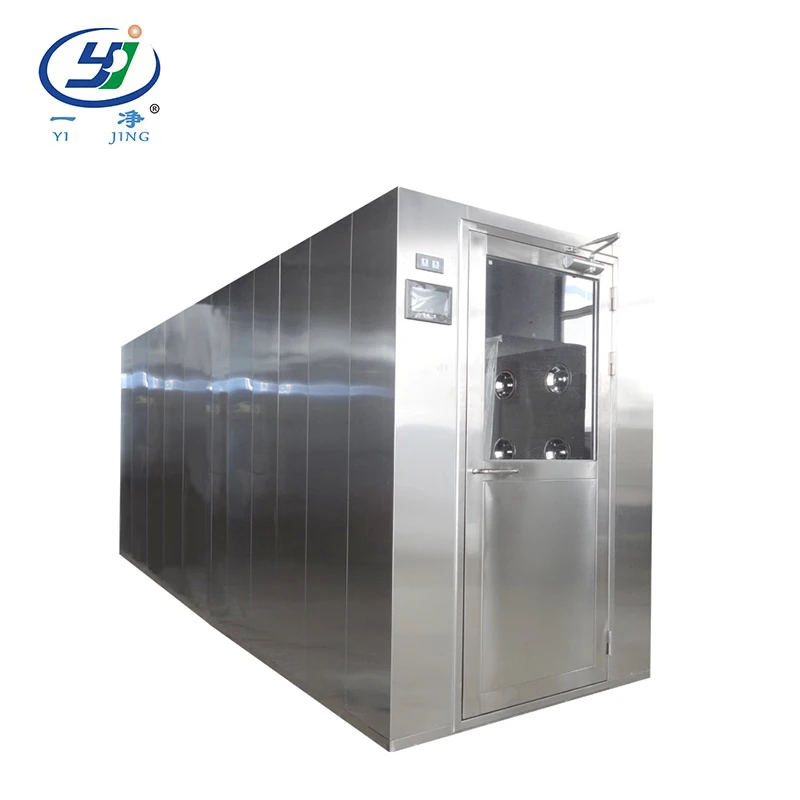
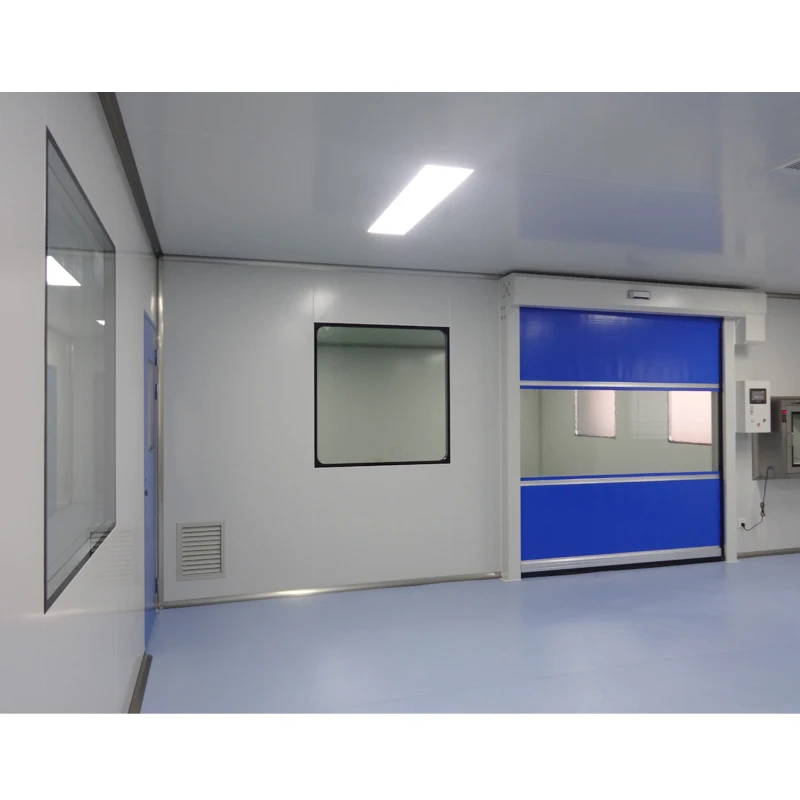
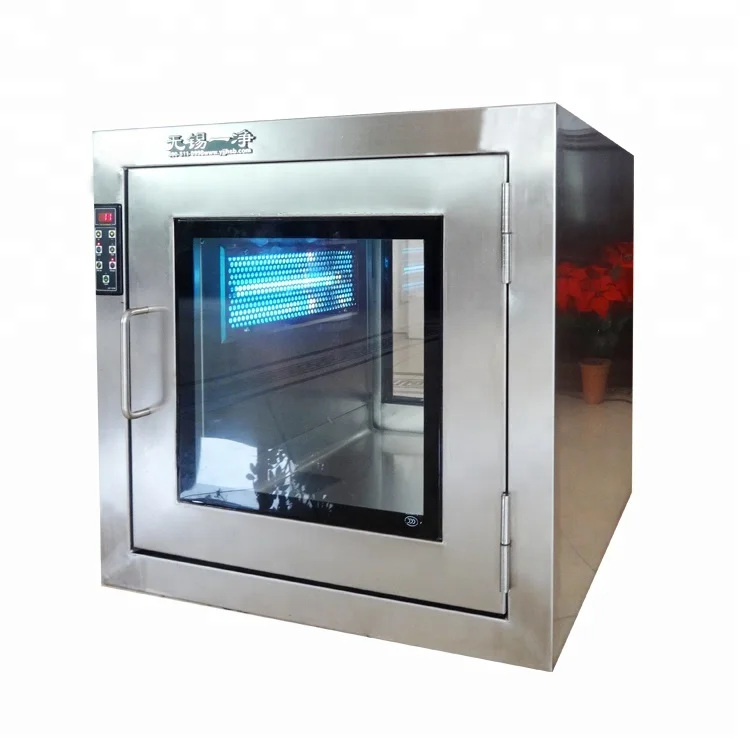
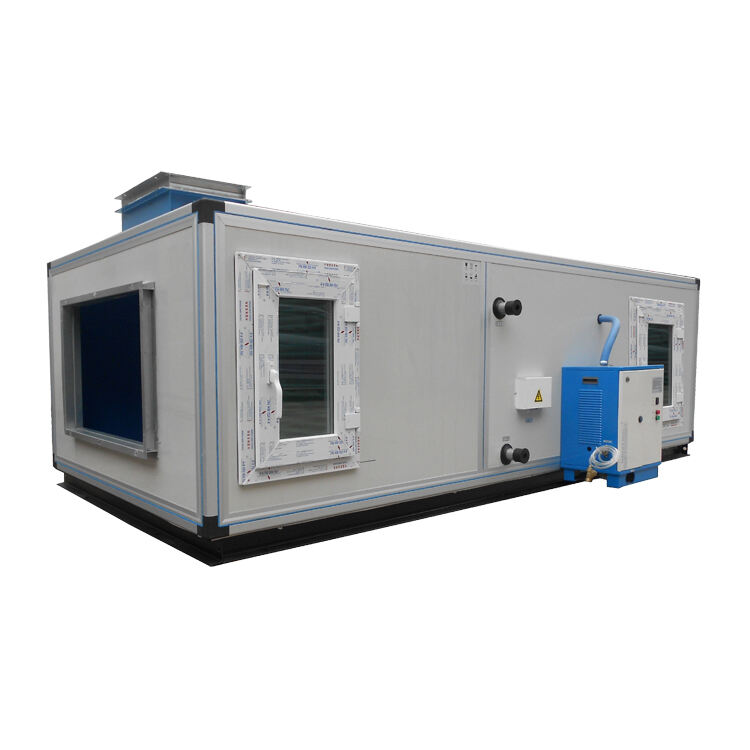
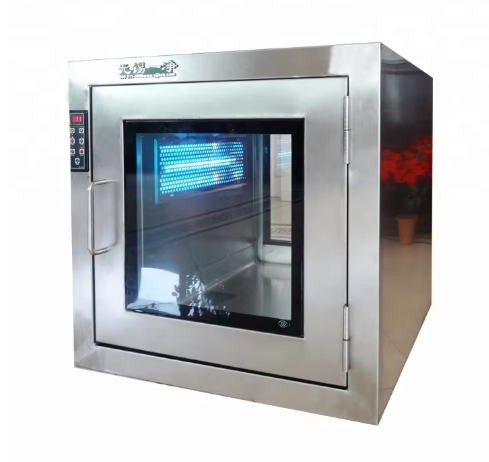
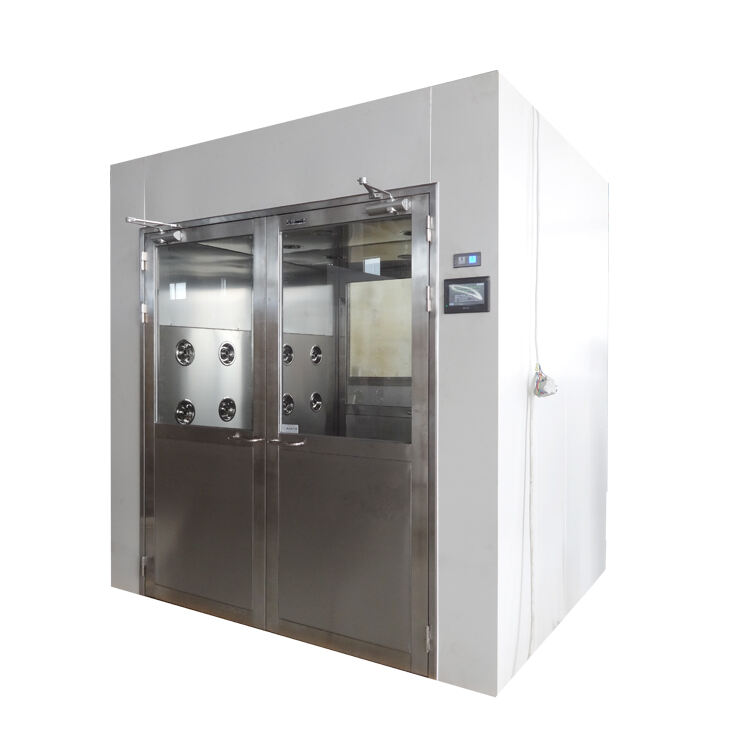
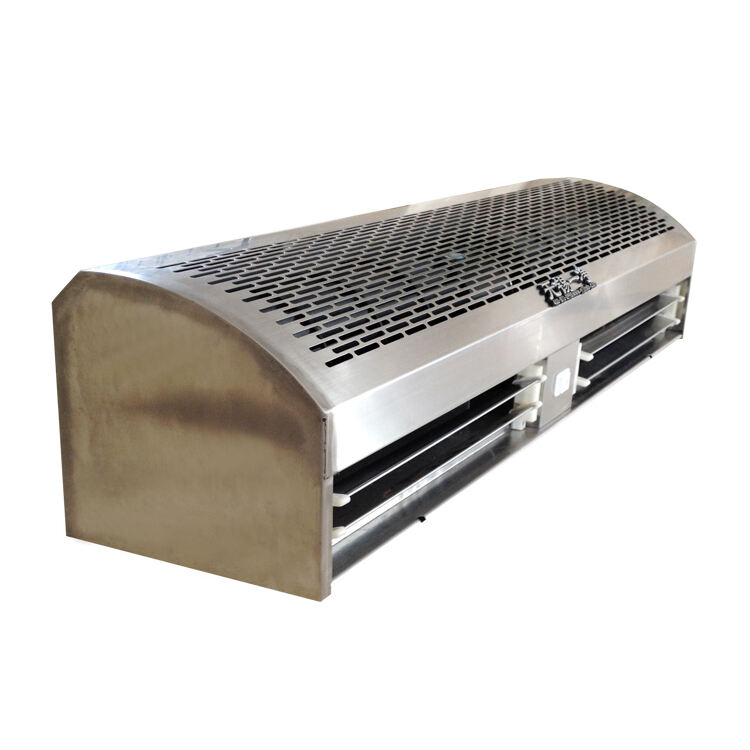
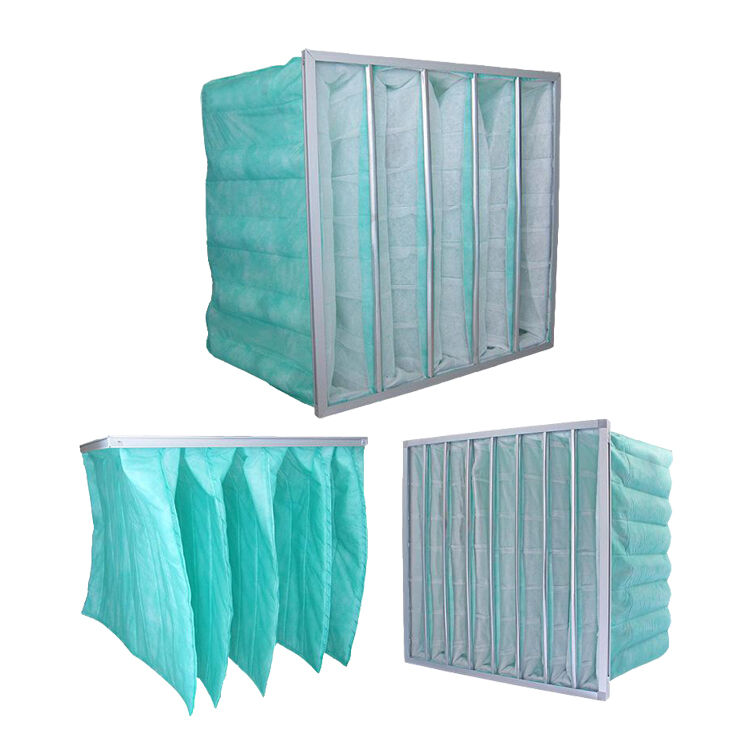
Clean room hepa filtration systems represent a cornerstone technology in modern contamination control, delivering exceptional air purification across diverse industrial and commercial environments. These sophisticated filtration units employ High Efficiency Particulate Air filters designed to capture microscopic particles with remarkable precision, ensuring environments maintain stringent cleanliness standards. A clean room hepa system operates by forcing air through densely packed filter media composed of randomly arranged fibers, typically made from fiberglass materials that create a complex maze for particles to navigate. The fundamental operation relies on multiple capture mechanisms including interception, impaction, and diffusion, which collectively trap contaminants ranging from bacteria and viruses to dust particles and chemical compounds. Modern clean room hepa installations feature multi-stage filtration processes, beginning with pre-filters that remove larger particles before air reaches the primary HEPA filter, extending filter longevity and optimizing performance efficiency. These systems achieve filtration efficiency ratings of 99.97 percent for particles as small as 0.3 microns, making them indispensable for environments where air quality directly impacts product integrity, worker safety, and operational compliance. Applications span pharmaceutical manufacturing facilities where sterile conditions prevent contamination of medications, semiconductor fabrication plants requiring particle-free environments for microchip production, biotechnology laboratories conducting sensitive research, healthcare facilities including operating rooms and isolation wards, and food processing plants maintaining hygiene standards. The technological features of clean room hepa systems include variable speed fans for adjustable airflow rates, pressure monitoring sensors ensuring proper room pressurization, energy-efficient motor designs reducing operational costs, sealed housing construction preventing bypass leakage, and integrated control systems enabling remote monitoring and automated adjustments. Installation configurations range from ceiling-mounted units providing laminar airflow to portable systems offering flexible deployment options for temporary cleanroom spaces or supplementary filtration needs in existing facilities.

Popular Products

Implementing a clean room hepa filtration system delivers transformative benefits that directly enhance operational efficiency, product quality, and regulatory compliance across multiple dimensions. The most immediate advantage manifests in dramatically improved air quality, as these systems continuously remove harmful particles that compromise sensitive processes or threaten human health. Manufacturing facilities experience significant reductions in product defect rates because airborne contaminants no longer settle on production surfaces or integrate into materials during critical fabrication stages. This improvement translates to substantial cost savings through decreased waste, fewer rejected batches, and reduced rework requirements. Healthcare facilities benefit from enhanced patient safety, as clean room hepa technology minimizes infection risks during surgical procedures and protects immunocompromised individuals from airborne pathogens that could trigger serious medical complications. Research laboratories gain confidence in experimental results, knowing that airborne interference cannot skew data or contaminate samples that require pristine conditions for accurate analysis. Energy efficiency represents another compelling advantage, as modern clean room hepa systems incorporate advanced motor technologies and intelligent controls that optimize power consumption without sacrificing filtration performance. Compared to older ventilation approaches, contemporary systems reduce electricity costs substantially while maintaining superior air quality standards. Maintenance requirements remain manageable through accessible filter replacement designs and predictive monitoring systems that alert operators before performance degradation occurs, preventing unexpected shutdowns and extending equipment lifespan. Regulatory compliance becomes achievable and sustainable, as clean room hepa installations help organizations meet stringent standards established by agencies governing pharmaceutical manufacturing, medical device production, and food safety. Documentation capabilities built into advanced systems provide audit trails demonstrating continuous compliance, simplifying inspection processes and reducing regulatory risks. Workplace satisfaction improves noticeably as employees recognize their employer's commitment to providing safe, comfortable environments free from irritating particles, allergens, and potentially hazardous contaminants. This investment in air quality often correlates with reduced absenteeism and enhanced productivity as workers experience fewer respiratory issues and maintain better concentration levels. Flexibility stands out as a practical advantage, with clean room hepa systems available in configurations suitable for spaces ranging from small laboratory workstations to expansive manufacturing floors, allowing organizations to scale solutions according to specific needs and budget constraints.

Tips And Tricks

How to Maintain an Air Handling Unit for Consistent Airflow

21

Oct

How to Maintain an Air Handling Unit for Consistent Airflow

Essential Guidelines for Air Handling Unit Performance Air handling units (AHUs) are the backbone of any building's HVAC system, responsible for maintaining comfortable indoor environments and ensuring proper ventilation. Effective air handling unit ...
View More
What Is the Difference Between Static and Dynamic Pass Boxes

05

Nov

What Is the Difference Between Static and Dynamic Pass Boxes

Understanding Clean Room Transfer Systems: Static vs Dynamic Solutions In the world of cleanroom technology and contamination control, pass boxes play a crucial role in maintaining environmental integrity while enabling material transfer. Static and ...
View More
What Certifications Are Required for Clean Air Systems

02

Dec

What Certifications Are Required for Clean Air Systems

Modern industrial facilities and critical environments rely heavily on properly certified clean air systems to maintain air quality standards and regulatory compliance. These sophisticated systems ensure contaminant-free environments essential for ma...
View More
How Do Clean Room Classifications Affect Operational Efficiency and Quality?

30

Jan

How Do Clean Room Classifications Affect Operational Efficiency and Quality?

Clean room classifications serve as the foundation for maintaining controlled environments across pharmaceutical, semiconductor, and medical device manufacturing industries. These standardized systems define the maximum allowable concentration of air...
View More

Get a Free Quote

Our representative will contact you soon.
Email
Name
Company Name
Attachment
Please upload at least an attachment
Up to 3 files,more 30mb,suppor jpg、jpeg、png、pdf、doc、docx、xls、xlsx、csv、txt
Message
0/1000

clean room hepa

Advanced Filtration Technology Ensuring Maximum Particle Capture

Advanced Filtration Technology Ensuring Maximum Particle Capture

The heart of every clean room hepa system lies in its sophisticated filtration technology, engineered to achieve unprecedented levels of particle removal that protect sensitive processes and human health. These filters employ a complex three-dimensional matrix of ultrafine fibers, typically measuring between 0.5 and 2.0 microns in diameter, arranged in random patterns that create millions of pathways for air to navigate. As contaminated air flows through this intricate structure, particles encounter fiber surfaces through multiple capture mechanisms working simultaneously to ensure comprehensive filtration. The interception mechanism captures particles that follow airflow streamlines closely enough to contact filter fibers directly, while the impaction mechanism traps larger particles whose inertia prevents them from following air around fiber obstacles, causing collision and adhesion. Smaller particles exhibit random Brownian motion due to molecular bombardment, increasing their probability of contacting and adhering to fibers through the diffusion mechanism. This multi-mechanism approach ensures clean room hepa filters maintain exceptional efficiency across the entire particle size spectrum, with peak performance precisely at the most penetrating particle size of 0.3 microns. Modern filter construction incorporates separator materials between pleated media, maintaining uniform spacing that prevents filtration media collapse under airflow pressure while maximizing surface area within compact dimensions. The pleated design increases effective filtration area up to fifty times compared to flat configurations of equivalent face dimensions, enabling higher airflow capacities without compromising capture efficiency. Seal integrity represents a critical technological feature, as even microscopic gaps between filter frames and housing could allow unfiltered air bypass, completely undermining system effectiveness. Manufacturers employ specialized gasket materials and compression mechanisms ensuring complete seals that withstand years of operational vibration and temperature fluctuations. Testing protocols verify each clean room hepa filter meets rigorous standards before installation, with aerosol penetration scans confirming uniform efficiency across the entire filter surface. This attention to technological detail ensures that facilities investing in clean room hepa systems receive reliable, predictable performance that sustains contamination control objectives throughout extended operational periods.
Customizable Airflow Management for Optimal Environmental Control

Customizable Airflow Management for Optimal Environmental Control

Effective contamination control extends beyond filtration efficiency to encompass comprehensive airflow management that maintains desired environmental conditions throughout cleanroom spaces. Clean room hepa systems incorporate sophisticated airflow control capabilities allowing precise adjustment of air change rates, pressure differentials, and flow patterns tailored to specific application requirements. Variable frequency drive technology enables fan speed modulation across wide ranges, providing the flexibility to increase airflow during critical production periods while reducing energy consumption during maintenance shifts or low-activity intervals. This dynamic control capability ensures facilities optimize operational costs without compromising cleanliness standards during essential processes. Pressure cascade management represents a fundamental principle in cleanroom design, where increasingly positive pressurization prevents contaminated air from lower-grade spaces infiltrating more critical areas. Clean room hepa systems maintain these pressure differentials through precise airflow balancing, continuously monitoring pressure sensors and adjusting supply or exhaust volumes to counteract environmental changes like door openings or HVAC system fluctuations. Unidirectional airflow configurations, often called laminar flow, provide the highest level of contamination control by establishing uniform air velocity across entire work surfaces, continuously sweeping particles away from critical zones before they settle on products or equipment. These systems deliver filtered air through full-ceiling HEPA filter arrays, creating a downward flow pattern that exits through floor-level returns, ensuring particles never traverse critical work areas. Turbulent or non-unidirectional airflow patterns suit less critical cleanroom classifications, mixing filtered supply air with room air to achieve specified cleanliness levels at reduced infrastructure costs. Clean room hepa systems designed for these applications employ ceiling-mounted diffusers or wall-mounted supply units that create mixing patterns diluting contamination concentrations below acceptable thresholds. Temperature and humidity control integration ensures comprehensive environmental management, as clean room hepa systems often incorporate conditioning capabilities maintaining tight tolerances essential for moisture-sensitive processes or occupant comfort. Advanced control systems enable remote monitoring and adjustment through network-connected interfaces, allowing facility managers to respond immediately to environmental deviations, review historical trends identifying performance drift, and implement predictive maintenance strategies preventing equipment failures.
Long-Term Reliability with Minimal Operational Disruption

Long-Term Reliability with Minimal Operational Disruption

Organizations investing in contamination control infrastructure require solutions delivering consistent performance over extended operational lifespans without introducing disruptive maintenance burdens or unexpected failures. Clean room hepa systems excel in providing reliable, sustained air purification through robust construction, intelligent monitoring, and maintenance-friendly designs that minimize downtime and operational interference. Industrial-grade components form the foundation of system reliability, with fan assemblies featuring precision-balanced impellers, sealed bearings requiring minimal lubrication, and corrosion-resistant housings withstanding harsh environmental conditions encountered in chemical processing or high-humidity applications. Motor technologies incorporate thermal protection preventing damage from overload conditions, while vibration isolation mounting reduces mechanical stress on structural connections and adjacent equipment. Filter longevity significantly impacts operational continuity, as premature filter replacement necessitates system shutdown, temporary production suspension, and labor costs associated with changeout procedures. Clean room hepa systems maximize filter service life through multi-stage pre-filtration strategies that capture larger particles before they reach expensive HEPA filters, dramatically extending primary filter lifespan from months to years depending on environmental conditions. Differential pressure monitoring provides objective filter condition assessment, measuring resistance across filter media and alerting operators when accumulation reaches levels requiring replacement. This predictive approach eliminates guesswork, preventing premature filter changes that waste resources while avoiding delayed replacement that compromises air quality. Quick-change filter designs minimize replacement downtime through tool-free access panels, bag-in bag-out containment systems protecting maintenance personnel from captured contaminants, and standardized filter dimensions enabling inventory efficiency. System redundancy options provide ultimate reliability assurance for mission-critical applications, with parallel clean room hepa units enabling continued operation during maintenance activities or unexpected component failures. Automated switchover controls detect primary system malfunctions and seamlessly activate backup units, maintaining uninterrupted environmental protection. Comprehensive warranty coverage and manufacturer support networks ensure technical assistance remains available throughout system lifecycles, providing troubleshooting guidance, replacement parts availability, and performance verification services. Documentation packages accompanying clean room hepa installations include detailed maintenance schedules, component specifications, and operational procedures enabling facility staff to implement effective preventive maintenance programs that maximize equipment longevity while maintaining optimal performance standards.


Get a Free Quote

Our representative will contact you soon.
Email
Name
Company Name
Attachment
Please upload at least an attachment
Up to 3 files,more 30mb,suppor jpg、jpeg、png、pdf、doc、docx、xls、xlsx、csv、txt
Message
0/1000

Get a Free Quote

Our representative will contact you soon.
Email
Name
Company Name
Attachment
Please upload at least an attachment
Up to 3 files,more 30mb,suppor jpg、jpeg、png、pdf、doc、docx、xls、xlsx、csv、txt
Message
0/1000