Air Clean Room Solutions: Advanced Contamination Control for Precision Manufacturing

All Categories

Get a Free Quote

Our representative will contact you soon.
Email
Name
Company Name
Attachment
Please upload at least an attachment
Up to 3 files,more 30mb,suppor jpg、jpeg、png、pdf、doc、docx、xls、xlsx、csv、txt
Message
0/1000

Get a Free Quote

Our representative will contact you soon.
Email
Name
Company Name
Attachment
Please upload at least an attachment
Up to 3 files,more 30mb,suppor jpg、jpeg、png、pdf、doc、docx、xls、xlsx、csv、txt
Message
0/1000

air clean room

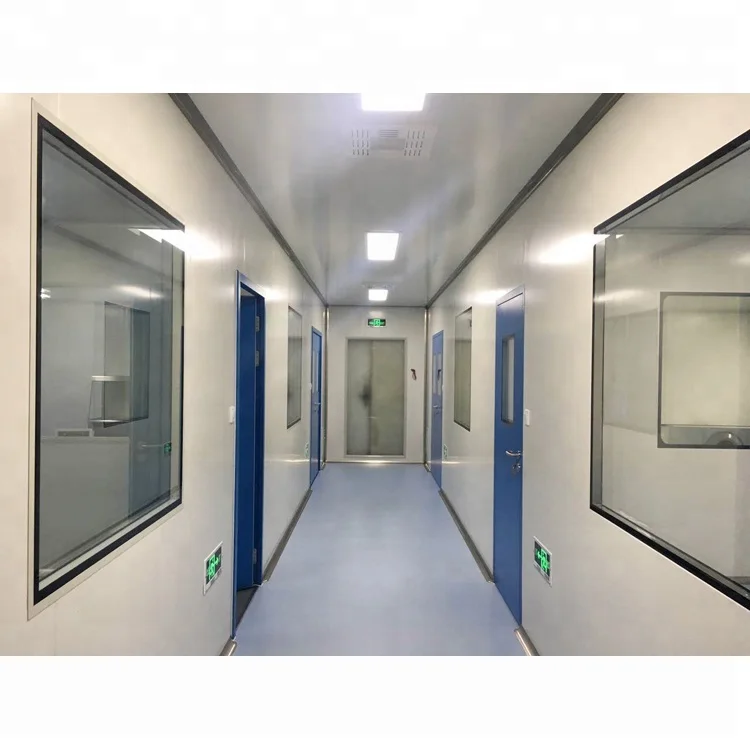
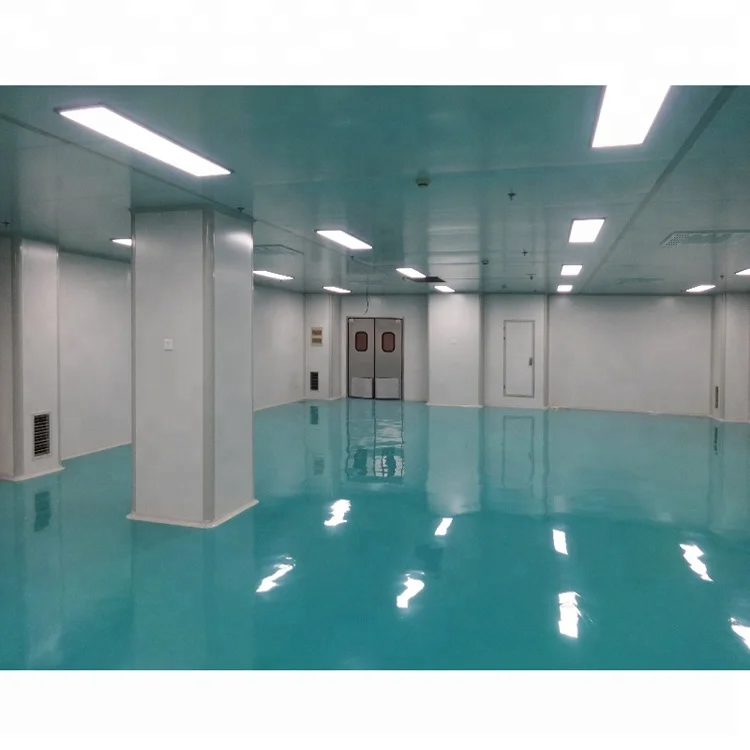
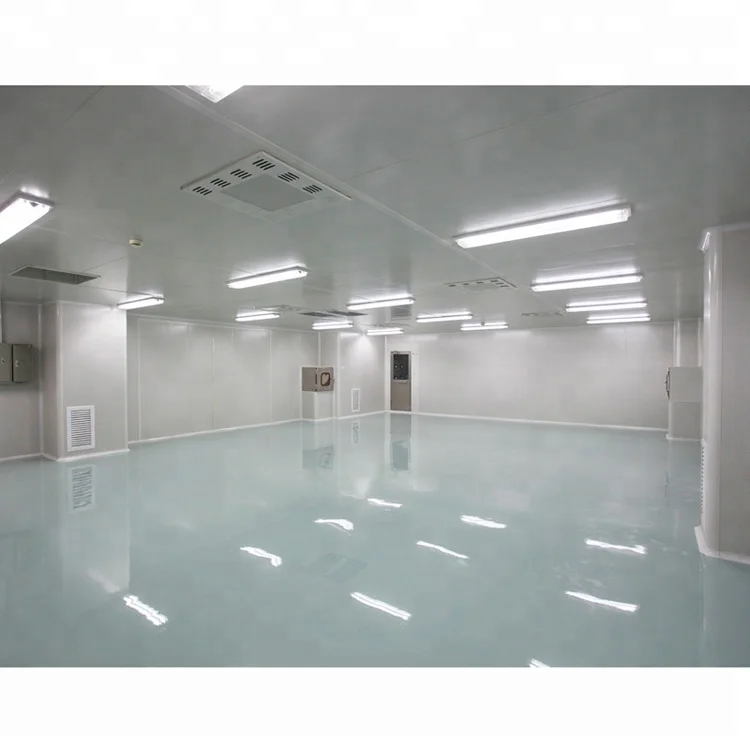
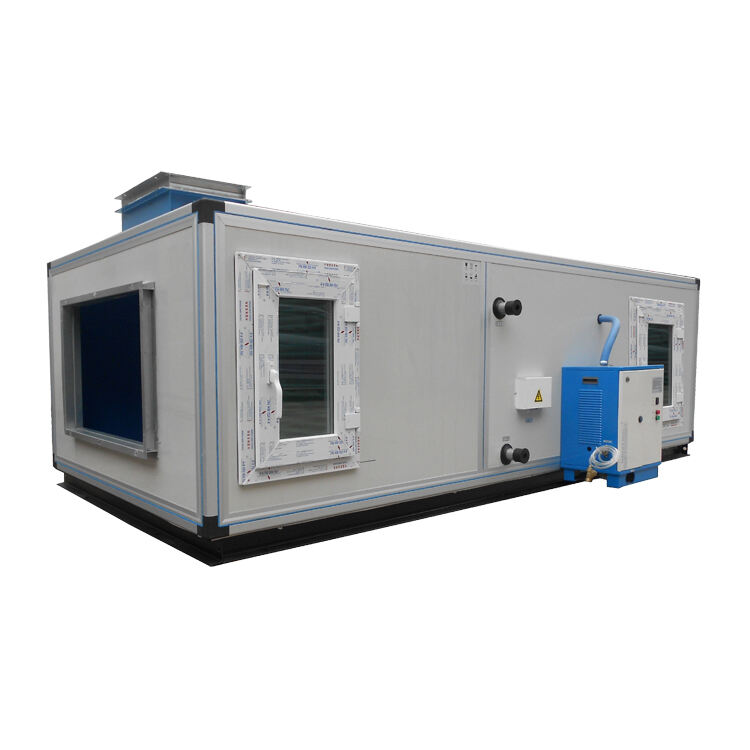
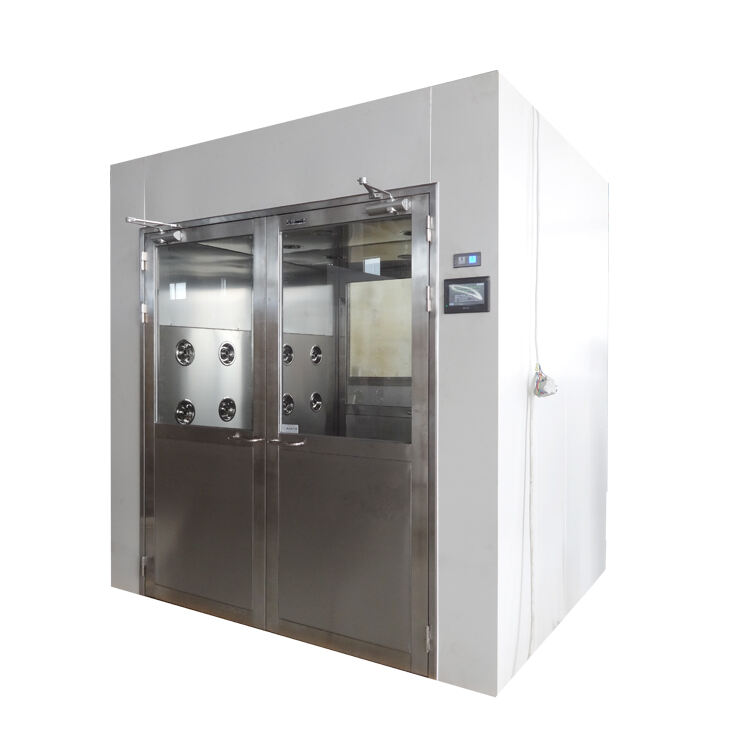
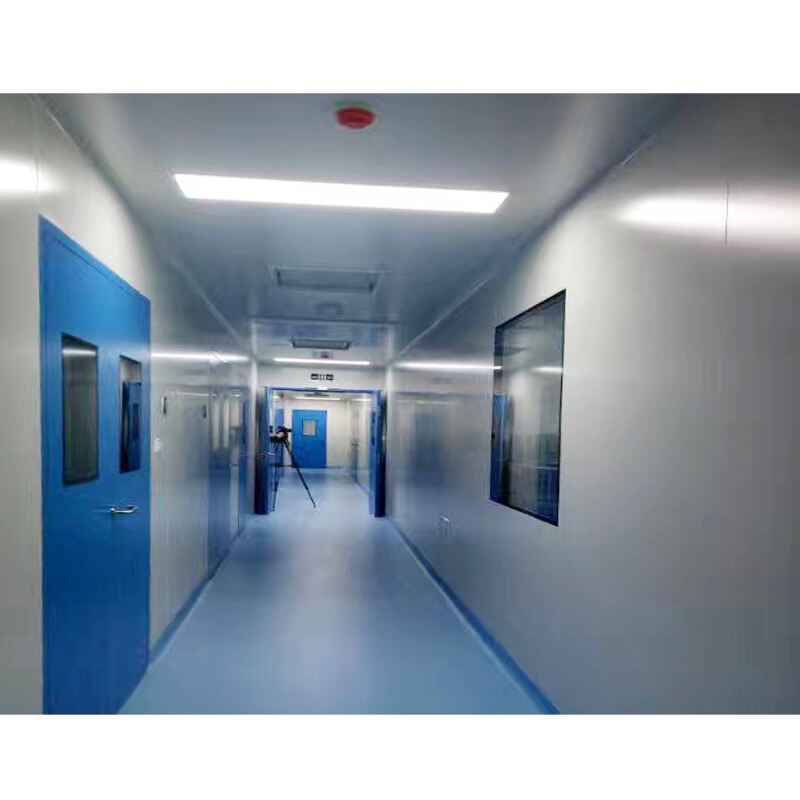
An air clean room represents a controlled environment engineered to maintain exceptionally low levels of airborne particles, contaminants, and pollutants. These specialized facilities regulate environmental parameters including temperature, humidity, pressure, and air quality to create optimal conditions for sensitive operations. The primary function of an air clean room involves filtering and circulating air through high-efficiency particulate air filters, commonly known as HEPA filters, which capture particles as small as 0.3 microns with remarkable efficiency. Advanced systems may incorporate ultra-low particulate air filters for even greater purification capabilities. The technological framework of an air clean room encompasses multiple integrated systems working in harmony. Air handling units continuously draw in ambient air, process it through multiple filtration stages, and distribute purified air throughout the space. Positive pressure differentials prevent external contaminants from entering the controlled zone, while strategic airflow patterns sweep particles away from critical work areas. Modern air clean room designs utilize laminar flow technology, directing filtered air in uniform parallel streams to minimize turbulence and particle suspension. Temperature control systems maintain precise thermal conditions, typically ranging from 18 to 26 degrees Celsius, while humidity regulation prevents static electricity buildup and moisture-related contamination. Applications for air clean room technology span numerous industries requiring contamination-free environments. Pharmaceutical manufacturing relies on these facilities to produce sterile medications and vaccines without microbial contamination. Electronics fabrication demands particle-free conditions for semiconductor production, where even microscopic contaminants can ruin delicate circuits. Medical device manufacturing, biotechnology research, aerospace component assembly, and precision optics production all depend on air clean room environments. Food processing facilities increasingly adopt this technology to extend product shelf life and ensure safety. Research laboratories utilize air clean room spaces for experiments requiring controlled conditions, while hospitals implement them in surgical suites to reduce infection risks during procedures.

New Product Recommendations

Investing in an air clean room delivers substantial benefits that directly impact your operational success and product quality. The most immediate advantage comes from dramatically reduced contamination rates, which translates to fewer defective products, lower rejection rates, and significant cost savings on wasted materials and rework. When your production environment maintains consistent purity levels, you gain predictable outcomes and reliable quality metrics that strengthen customer confidence and brand reputation. Enhanced product quality stands as a cornerstone benefit, particularly for industries where microscopic impurities compromise functionality or safety. Your manufacturing processes achieve higher yields when contaminants no longer interfere with sensitive materials or delicate assembly procedures. This improvement directly affects your bottom line by maximizing the value extracted from raw materials and reducing expensive production failures. Regulatory compliance becomes straightforward when your facility meets or exceeds industry standards for cleanliness and environmental control. Many sectors face strict requirements from governing bodies, and an air clean room provides documented proof of your commitment to quality standards. This compliance protects your business from costly penalties, product recalls, and reputational damage while opening doors to contracts that demand certified clean manufacturing capabilities. Employee health and safety improve measurably within controlled environments that filter out harmful particles, allergens, and chemical vapors. Your workforce operates in comfortable conditions with regulated temperature and humidity, leading to increased productivity and reduced absenteeism. Workers appreciate the professional environment, which can aid in attracting and retaining skilled talent in competitive labor markets. Extended equipment lifespan represents another financial advantage, as sensitive machinery and precision instruments suffer less wear when protected from dust and corrosive particles. Maintenance intervals lengthen, unexpected breakdowns decrease, and capital equipment delivers better return on investment over its operational lifetime. The controlled environment also protects your inventory and work-in-progress materials from degradation, preserving value throughout the production cycle. Flexibility in meeting diverse customer requirements becomes possible when you can adjust cleanliness classifications to match specific project needs. This adaptability positions your business to pursue opportunities across multiple market segments without investing in entirely separate facilities. The competitive edge gained through superior quality control and contamination prevention often justifies the initial investment, as customers increasingly prioritize suppliers who demonstrate advanced manufacturing capabilities and consistent output quality.

Tips And Tricks

How to Maintain an Air Handling Unit for Consistent Airflow

21

Oct

How to Maintain an Air Handling Unit for Consistent Airflow

Essential Guidelines for Air Handling Unit Performance Air handling units (AHUs) are the backbone of any building's HVAC system, responsible for maintaining comfortable indoor environments and ensuring proper ventilation. Effective air handling unit ...
View More
What Are the Common Issues with Air Handling Units and Solutions

02

Dec

What Are the Common Issues with Air Handling Units and Solutions

Air handling units serve as the backbone of modern HVAC systems, managing air circulation, filtration, and conditioning in commercial and industrial facilities. These sophisticated systems ensure optimal indoor air quality while maintaining energy ef...
View More
What Certifications Are Required for Clean Air Systems

02

Dec

What Certifications Are Required for Clean Air Systems

Modern industrial facilities and critical environments rely heavily on properly certified clean air systems to maintain air quality standards and regulatory compliance. These sophisticated systems ensure contaminant-free environments essential for ma...
View More
How Cleanroom Layout Planning Influences Workflow and Risk Management

30

Jan

How Cleanroom Layout Planning Influences Workflow and Risk Management

In the highly regulated world of pharmaceutical manufacturing, semiconductor production, and biotechnology research, cleanroom layout planning serves as the foundation for operational excellence and regulatory compliance. The strategic arrangement of...
View More

Get a Free Quote

Our representative will contact you soon.
Email
Name
Company Name
Attachment
Please upload at least an attachment
Up to 3 files,more 30mb,suppor jpg、jpeg、png、pdf、doc、docx、xls、xlsx、csv、txt
Message
0/1000

air clean room

Advanced Filtration Technology Ensures Unmatched Air Purity

Advanced Filtration Technology Ensures Unmatched Air Purity

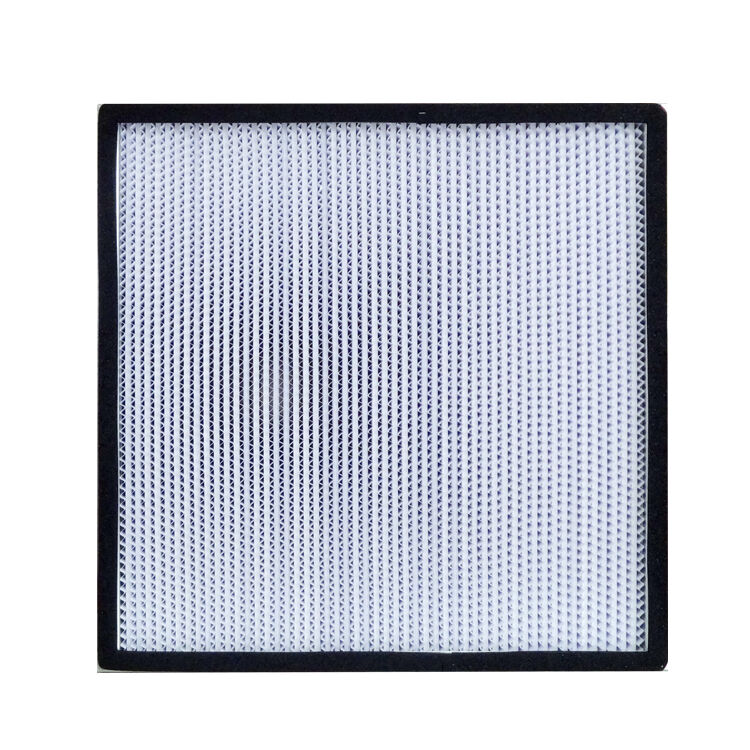
The filtration system forms the technological heart of every air clean room, employing sophisticated multi-stage purification processes that remove contaminants with exceptional precision. High-efficiency particulate air filters serve as the primary defense mechanism, capturing particles down to 0.3 microns with efficiency ratings exceeding 99.97 percent. These filters utilize dense networks of randomly arranged fibers that trap particles through multiple mechanisms including interception, impaction, and diffusion. Larger particles collide directly with fibers and stick due to van der Waals forces, while smaller particles follow erratic paths that eventually lead to fiber contact. The filtration process operates continuously, with air handling units cycling the entire room volume multiple times per hour depending on cleanliness classification requirements. Class 100 air clean room environments may achieve 400 to 600 air changes hourly, ensuring rapid removal of any generated particles. Pre-filtration stages protect the expensive HEPA filters by capturing larger particles before they reach the final filtration layer, extending filter lifespan and maintaining system efficiency. Advanced monitoring systems track pressure differentials across filter banks, alerting maintenance teams when filters approach saturation and require replacement. This proactive approach prevents system degradation and maintains consistent performance. The strategic placement of filters within the air handling system maximizes purification effectiveness, with some designs incorporating terminal HEPA filters at ceiling diffusers for final polishing of supply air directly before it enters the workspace. Modern air clean room installations increasingly incorporate activated carbon filters to address gaseous contaminants and volatile organic compounds that HEPA filters cannot capture. This comprehensive approach to air purification addresses both particulate and molecular contamination, creating environments suitable for the most demanding applications. The filtration technology adapts to specific industry requirements, with pharmaceutical facilities often adding antimicrobial treatments to filter media, while electronics manufacturing may emphasize electrostatic discharge control. Investment in advanced filtration technology pays dividends through reduced contamination incidents, improved product yields, and the ability to meet stringent regulatory standards that govern sensitive manufacturing processes across multiple industries.
Precise Environmental Control Optimizes Production Conditions

Precise Environmental Control Optimizes Production Conditions

Environmental control systems within an air clean room extend far beyond simple air filtration, encompassing comprehensive management of temperature, humidity, pressure, and airflow patterns to create ideal conditions for sensitive operations. Temperature regulation maintains narrow ranges that prevent thermal expansion of materials, ensure consistent chemical reaction rates, and provide comfortable working conditions for personnel. Sophisticated climate control systems respond dynamically to heat loads generated by equipment and occupants, making continuous adjustments to maintain setpoints within fractions of a degree. Humidity control proves equally critical, as excessive moisture promotes microbial growth and causes condensation on sensitive surfaces, while insufficient humidity generates static electricity that can damage electronic components or attract particles to products. Precision humidification and dehumidification systems maintain relative humidity levels typically between 30 and 50 percent, adjusting output based on real-time sensor feedback. Pressure differentials create invisible barriers that prevent contaminated air from entering the controlled space, with positive pressure ensuring that any air leakage flows outward rather than allowing unfiltered air to infiltrate. Cascading pressure zones establish hierarchies of cleanliness, with the most critical areas maintaining the highest pressure relative to surrounding spaces. Airflow management represents perhaps the most sophisticated aspect of environmental control, with laminar flow designs creating uniform, parallel air streams that sweep particles downward and away from work surfaces. Turbulent mixing is minimized through careful design of supply and return air locations, equipment placement, and room geometry. Computational fluid dynamics modeling during the design phase predicts airflow patterns and identifies potential dead zones where particles might accumulate. Variable air volume systems adjust flow rates based on occupancy and activity levels, optimizing energy consumption without compromising cleanliness standards. The integration of these environmental control systems creates stable, predictable conditions that eliminate variables affecting product quality, enabling manufacturers to achieve consistent results batch after batch while meeting the exacting standards required by regulated industries and quality-conscious customers.

Modular Design Provides Scalability and Cost-Effective Implementation

Modular Design Provides Scalability and Cost-Effective Implementation

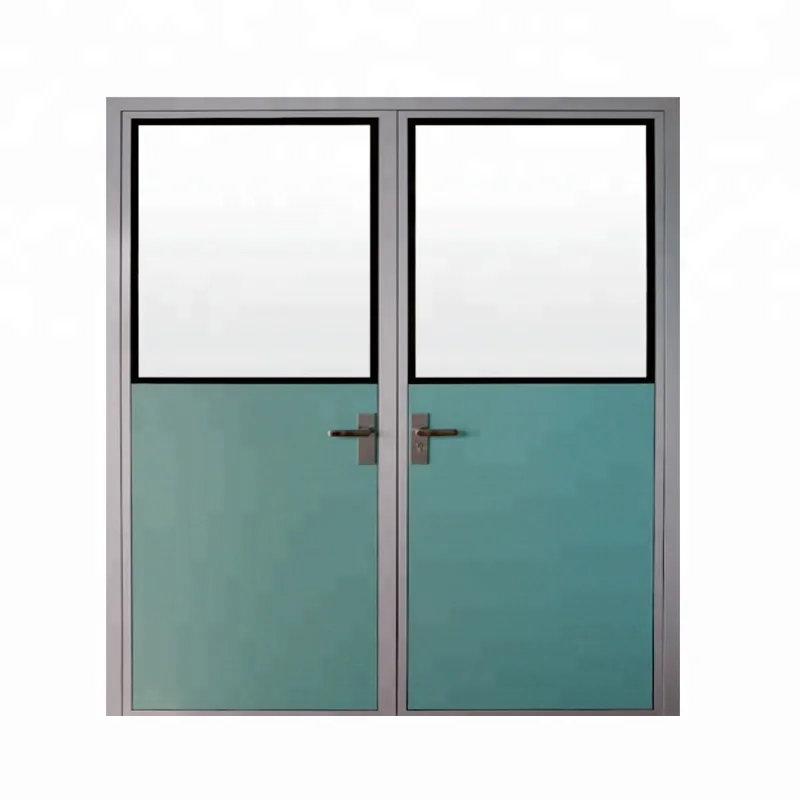
Modern air clean room construction embraces modular design principles that deliver flexibility, scalability, and economic advantages compared to traditional built-in-place approaches. Prefabricated wall panels, ceiling grids, and integrated systems arrive at installation sites ready for rapid assembly, dramatically reducing construction timelines and minimizing disruption to ongoing operations. This modular approach allows businesses to implement air clean room technology without lengthy facility shutdowns or extensive structural modifications to existing buildings. The panels typically feature smooth, non-porous surfaces that resist particle accumulation and facilitate cleaning, with materials selected for chemical resistance and durability. Interlocking systems ensure airtight seals between panels while allowing for future reconfiguration as production needs evolve. Companies can start with a smaller air clean room footprint and expand incrementally as business grows, adding modules without redesigning the entire system. This scalability proves particularly valuable for emerging businesses or those entering new markets, as capital investment aligns with revenue growth rather than requiring massive upfront expenditure. The modular design also accommodates different cleanliness classifications within a single facility, with higher-grade clean rooms nested within lower-grade spaces to optimize costs. Critical processes requiring ISO Class 5 conditions might occupy a small core area, surrounded by ISO Class 7 zones for less sensitive operations, with appropriate pressure cascades maintaining separation. Reconfiguration capabilities address changing production requirements, allowing companies to modify room layouts, adjust sizes, or relocate entire clean room systems to different facilities if business strategies shift. This flexibility protects capital investments by ensuring that clean room infrastructure remains useful even as products, processes, or locations change. Installation speed represents another significant advantage, with typical modular air clean room projects completing in weeks rather than the months required for conventional construction. Faster implementation means quicker time-to-market for new products and earlier return on investment. The controlled factory environment where modules are manufactured ensures consistent quality and precise tolerances that might be difficult to achieve with field construction. Cost predictability improves as well, with fixed pricing for standardized components reducing the budget uncertainties common in custom construction projects.

Get a Free Quote

Our representative will contact you soon.
Email
Name
Company Name
Attachment
Please upload at least an attachment
Up to 3 files,more 30mb,suppor jpg、jpeg、png、pdf、doc、docx、xls、xlsx、csv、txt
Message
0/1000

Get a Free Quote

Our representative will contact you soon.
Email
Name
Company Name
Attachment
Please upload at least an attachment
Up to 3 files,more 30mb,suppor jpg、jpeg、png、pdf、doc、docx、xls、xlsx、csv、txt
Message
0/1000