Clean Room Air Systems: Advanced Filtration Solutions for Contamination Control

All Categories

Get a Free Quote

Our representative will contact you soon.
Email
Name
Company Name
Attachment
Please upload at least an attachment
Up to 3 files,more 30mb,suppor jpg、jpeg、png、pdf、doc、docx、xls、xlsx、csv、txt
Message
0/1000

Get a Free Quote

Our representative will contact you soon.
Email
Name
Company Name
Attachment
Please upload at least an attachment
Up to 3 files,more 30mb,suppor jpg、jpeg、png、pdf、doc、docx、xls、xlsx、csv、txt
Message
0/1000

clean room air

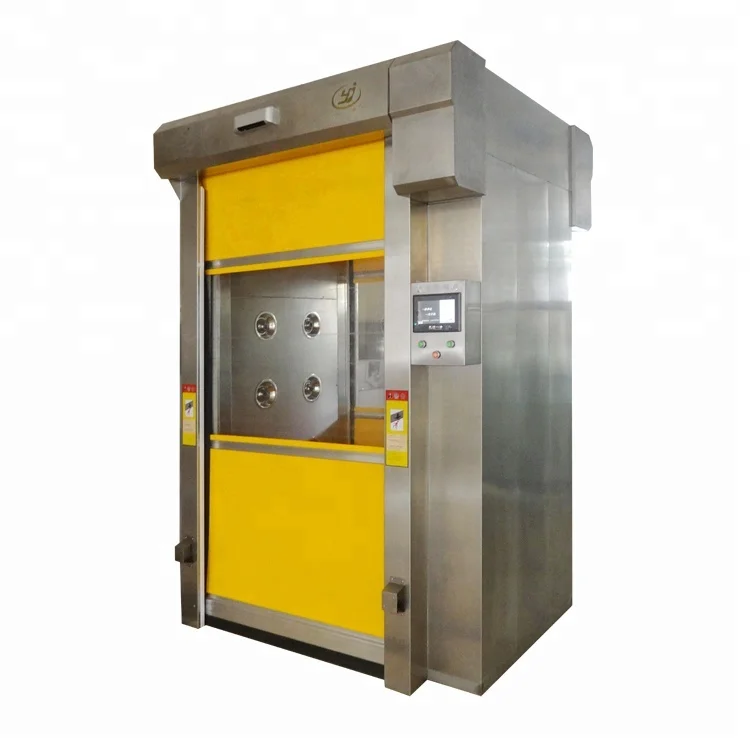
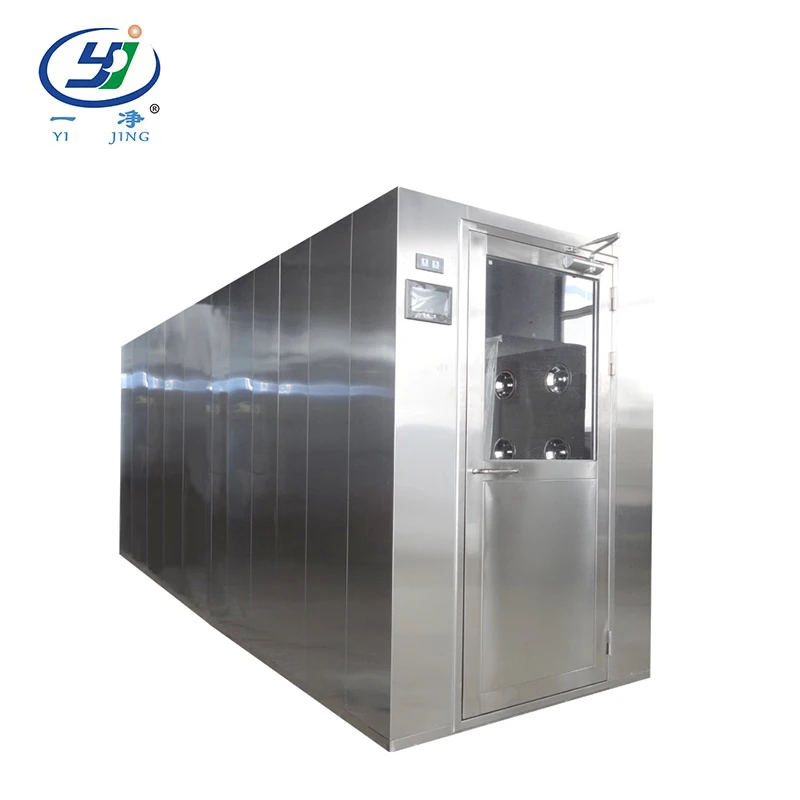
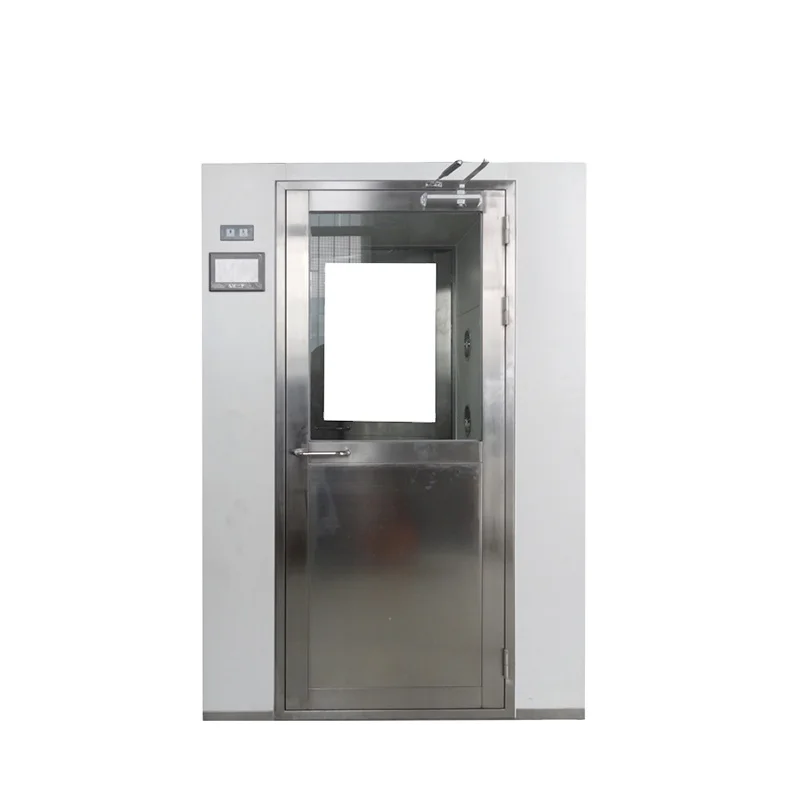
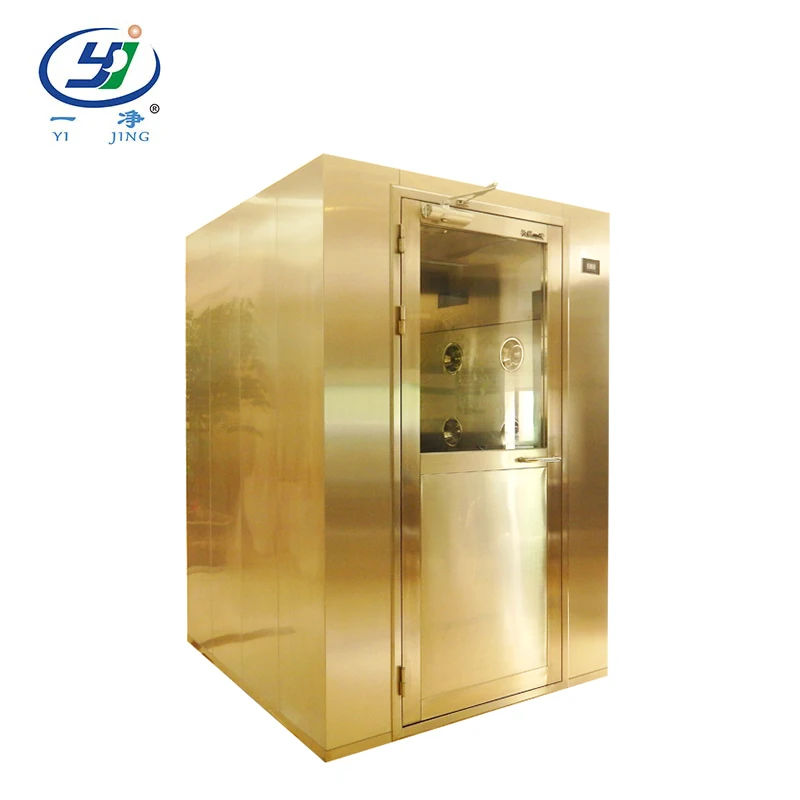
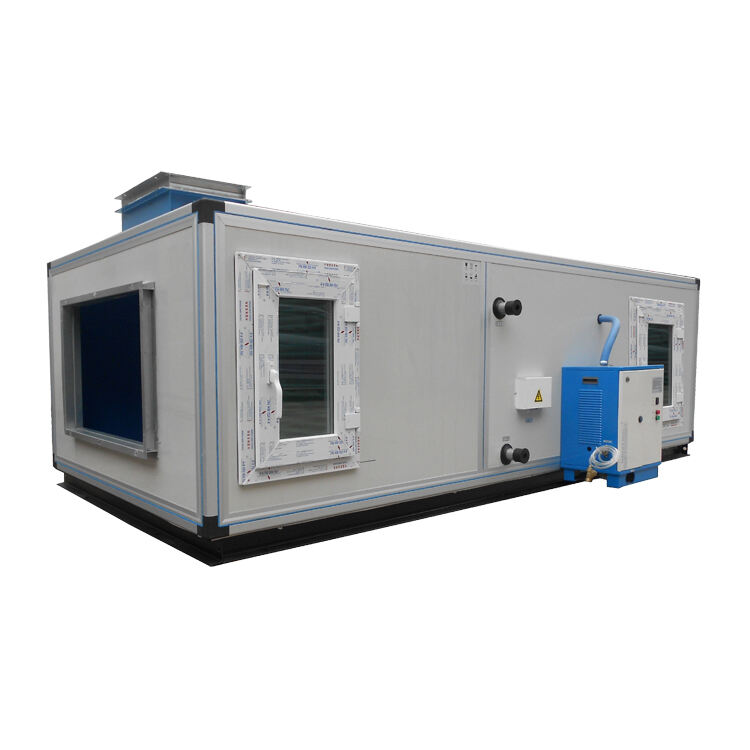
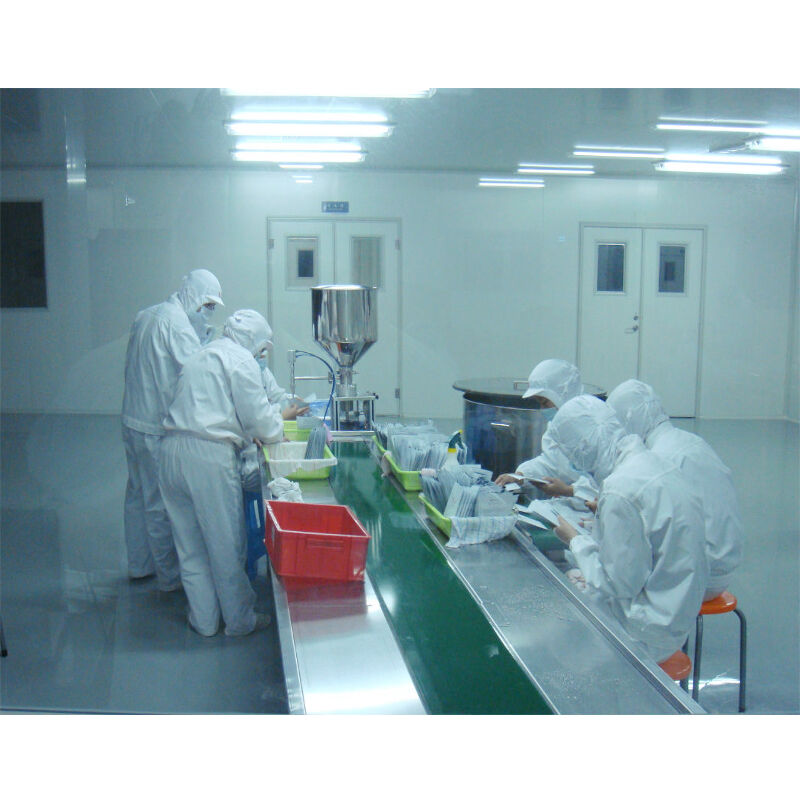
Clean room air represents a critical component in maintaining controlled environments where contamination must be minimized or eliminated entirely. This specialized air treatment system ensures that airborne particles, microorganisms, and chemical vapors are continuously filtered and removed to maintain specific air quality standards. Clean room air systems utilize advanced filtration technology, typically incorporating HEPA or ULPA filters, combined with precise airflow management to create environments suitable for sensitive manufacturing processes, research activities, and healthcare applications. The primary function of clean room air involves maintaining consistent air pressure, temperature, and humidity levels while continuously circulating filtered air throughout the controlled space. These systems work by drawing ambient air through multiple filtration stages, removing particles as small as 0.3 microns or smaller, depending on the classification requirements. The technological framework behind clean room air includes sophisticated monitoring equipment that tracks particle counts, air velocity, and environmental conditions in real-time. This continuous monitoring ensures that the space maintains its designated cleanliness classification, whether ISO Class 1 through ISO Class 9, with each classification representing different particle concentration limits. Modern clean room air systems incorporate energy-efficient designs that balance the need for continuous air circulation with operational cost considerations. The applications for clean room air span numerous industries, including pharmaceutical manufacturing, semiconductor production, biotechnology research, medical device assembly, aerospace component fabrication, and food processing facilities. In pharmaceutical environments, clean room air prevents contamination of sterile products and active ingredients. Electronics manufacturers rely on clean room air to protect sensitive components from particle damage during assembly. Healthcare facilities use these systems in operating theaters and isolation rooms to protect patients and staff. The versatility of clean room air technology allows customization for specific industry requirements, with modular designs that can scale from small laboratory spaces to extensive manufacturing facilities covering thousands of square meters.


New Products

Investing in quality clean room air systems delivers substantial benefits that directly impact your operational success and product quality. The most immediate advantage comes from enhanced product protection, as these systems dramatically reduce the risk of contamination that could compromise your manufacturing processes or research outcomes. When you implement clean room air technology, you create an environment where defect rates drop significantly, leading to higher yields and reduced waste. This translates directly into cost savings and improved profitability for your operation. Your team will experience better working conditions as clean room air systems maintain consistent temperature and humidity levels, creating comfortable environments that boost productivity and reduce fatigue during long shifts. The controlled environment also minimizes exposure to harmful airborne substances, protecting employee health and reducing workplace illness. Clean room air technology helps you meet stringent regulatory requirements across various industries, ensuring compliance with standards set by organizations like the FDA, ISO, and other governing bodies. This compliance capability protects your business from costly violations and maintains your reputation in competitive markets. The systems provide consistent performance that you can rely on day after day, with automated controls that maintain optimal conditions without constant manual intervention. This reliability means fewer production interruptions and more predictable output schedules. Energy efficiency represents another significant advantage, as modern clean room air systems incorporate smart technologies that optimize airflow and filtration based on actual needs rather than running at maximum capacity continuously. This intelligent operation reduces your utility costs while maintaining the cleanliness standards your processes require. The scalability of these systems means you can start with a configuration that matches your current needs and expand as your business grows, protecting your initial investment while allowing future development. Real-time monitoring capabilities give you complete visibility into your environment, allowing quick response to any variations before they impact your products or processes. This proactive approach prevents problems rather than reacting to them after damage occurs. The systems also contribute to longer equipment lifespan throughout your facility, as reduced airborne contaminants mean less wear on sensitive machinery and instruments. Maintenance costs decrease when your equipment operates in cleaner conditions, and calibration intervals can often be extended. Customer confidence increases when you can demonstrate that your products are manufactured or processed in certified clean room environments, giving you a competitive advantage in markets where quality assurance is paramount. The documentation and validation capabilities built into modern clean room air systems simplify audit processes and provide the traceability that customers and regulators demand.

Latest News

How to Maintain an Air Handling Unit for Consistent Airflow

21

Oct

How to Maintain an Air Handling Unit for Consistent Airflow

Essential Guidelines for Air Handling Unit Performance Air handling units (AHUs) are the backbone of any building's HVAC system, responsible for maintaining comfortable indoor environments and ensuring proper ventilation. Effective air handling unit ...
View More
What Are the Essential Equipment and Materials in a Clean Room?

05

Nov

What Are the Essential Equipment and Materials in a Clean Room?

Understanding Critical Components of Modern Clean Room Environments Clean rooms represent the pinnacle of controlled environments, where precision, cleanliness, and contamination control converge to create spaces essential for various industries. Fro...
View More
What Materials Are Recommended for Pass Box Construction?

05

Nov

What Materials Are Recommended for Pass Box Construction?

Essential Materials for Modern Pass Box Manufacturing Pass boxes serve as critical components in cleanroom environments, pharmaceutical facilities, and laboratories, facilitating the secure transfer of materials between spaces while maintaining contr...
View More
What Are the Common Issues with Air Handling Units and Solutions

02

Dec

What Are the Common Issues with Air Handling Units and Solutions

Air handling units serve as the backbone of modern HVAC systems, managing air circulation, filtration, and conditioning in commercial and industrial facilities. These sophisticated systems ensure optimal indoor air quality while maintaining energy ef...
View More

Get a Free Quote

Our representative will contact you soon.
Email
Name
Company Name
Attachment
Please upload at least an attachment
Up to 3 files,more 30mb,suppor jpg、jpeg、png、pdf、doc、docx、xls、xlsx、csv、txt
Message
0/1000

clean room air

Advanced Multi-Stage Filtration Technology Ensures Maximum Particle Removal

Advanced Multi-Stage Filtration Technology Ensures Maximum Particle Removal

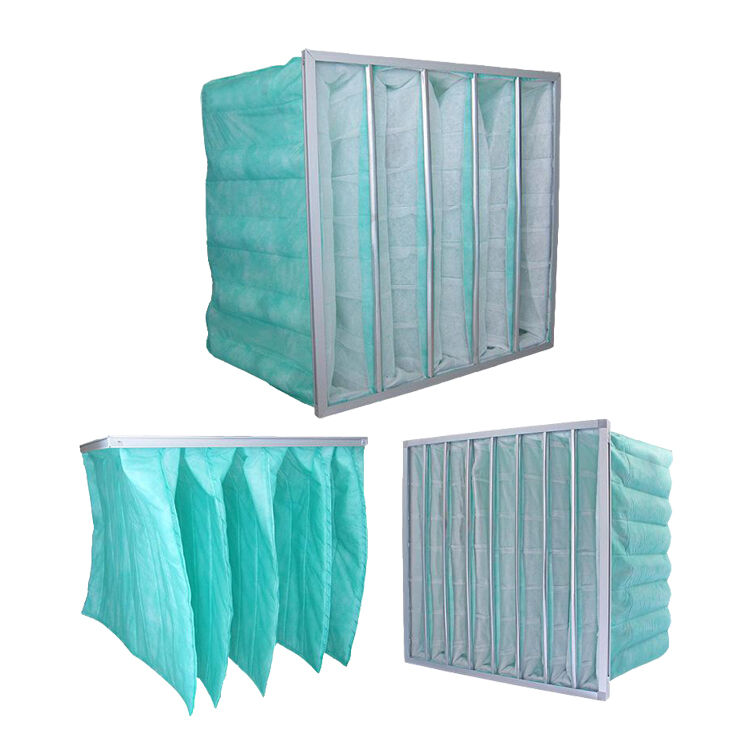
The foundation of effective clean room air systems lies in their sophisticated multi-stage filtration approach that removes contaminants with exceptional efficiency. This technology begins with pre-filters that capture larger particles, extending the life of more expensive downstream filters while maintaining optimal airflow. The primary filtration stage typically employs HEPA filters certified to remove 99.97 percent of particles measuring 0.3 microns or larger, though many clean room air applications utilize ULPA filters that achieve even higher efficiency ratings of 99.9995 percent for particles as small as 0.12 microns. This level of filtration performance ensures that even the tiniest contaminants, including bacteria, viruses, mold spores, and industrial particles, are effectively removed from the air supply. The filters are designed with specific media configurations that maximize surface area while minimizing airflow resistance, ensuring that your system delivers the required air changes per hour without excessive energy consumption. Regular monitoring of filter performance through differential pressure sensors alerts you when filters approach capacity, allowing planned maintenance rather than emergency shutdowns. The modular filter design simplifies replacement procedures, reducing downtime and maintenance costs. Advanced clean room air systems also incorporate chemical filtration stages for applications requiring removal of molecular contaminants, volatile organic compounds, or specific gaseous pollutants. This comprehensive approach to air purification means you can address multiple contamination challenges within a single integrated system. The filtration technology adapts to varying contamination loads, maintaining consistent performance whether your facility operates at full production capacity or reduced schedules. Quality manufacturers test and certify each filter individually, providing documentation that supports your validation processes and regulatory compliance efforts. The investment in superior filtration technology pays dividends through reduced product defects, lower rejection rates, and enhanced reputation for quality. Your facility benefits from air quality that exceeds minimum standards, providing a buffer against unexpected contamination events and ensuring consistent results across all production batches.
Intelligent Airflow Management Creates Optimal Environmental Control

Intelligent Airflow Management Creates Optimal Environmental Control

Clean room air systems distinguish themselves through sophisticated airflow management that goes far beyond simple ventilation. These systems carefully orchestrate air movement patterns to prevent contamination migration while maintaining the precise environmental conditions your processes demand. The technology typically employs laminar flow designs where air moves in parallel layers at consistent velocities, minimizing turbulence that could disturb settled particles or create eddies that transport contaminants to critical areas. Alternatively, turbulent or mixed flow designs are used in less critical zones where complete unidirectional flow is unnecessary, optimizing energy usage while maintaining required cleanliness levels. The air delivery systems incorporate specialized diffusers and plenums that distribute filtered air evenly across the clean room space, eliminating hot spots or dead zones where contaminants might accumulate. Pressure cascade management ensures that air flows from cleaner to less clean areas, preventing contamination backflow into critical zones. Your facility benefits from customizable pressure differentials that can be adjusted based on process requirements, with typical differentials ranging from 5 to 20 Pascals between adjacent spaces. The intelligent control systems continuously monitor and adjust airflow rates based on real-time occupancy, equipment operation, and contamination levels, optimizing performance while minimizing energy consumption. This dynamic response capability means your clean room air system adapts to changing conditions throughout the day, maintaining optimal performance during peak activity while reducing unnecessary operation during quiet periods. The airflow management technology includes sophisticated return air pathways that collect and channel air back to filtration systems efficiently, completing the circulation cycle while maintaining proper pressure relationships. Computational fluid dynamics modeling during system design ensures that airflow patterns achieve intended performance before installation, reducing trial-and-error adjustments and accelerating validation. The precise control of air velocity, typically maintained between 0.3 and 0.5 meters per second for laminar flow applications, ensures effective particle removal without creating excessive drafts that could disturb processes or affect sensitive measurements. Temperature stratification is minimized through careful supply and return placement, creating uniform conditions that enhance process consistency and worker comfort throughout the space.
Comprehensive Monitoring and Validation Capabilities Ensure Continuous Compliance

Comprehensive Monitoring and Validation Capabilities Ensure Continuous Compliance

Modern clean room air systems integrate advanced monitoring and validation features that provide complete visibility into environmental conditions and system performance. These capabilities transform quality assurance from reactive problem-solving to proactive performance management, giving you confidence that your controlled environment consistently meets specifications. The monitoring systems track multiple parameters simultaneously, including particle counts at various size ranges, air velocity and volume, temperature, humidity, pressure differentials, and filter loading conditions. This comprehensive data collection occurs continuously, creating detailed records that support compliance documentation and trend analysis. The technology employs strategically positioned sensors throughout your facility, ensuring representative sampling that accurately reflects conditions in critical work areas. Real-time displays provide immediate feedback to operators and quality personnel, allowing quick intervention if parameters drift toward specification limits. Automated alert systems notify designated personnel when conditions exceed acceptable ranges, enabling rapid response before out-of-specification situations impact products or processes. The data logging capabilities create permanent records suitable for regulatory submissions and audit reviews, with secure storage that prevents unauthorized modifications while allowing authorized access for analysis and reporting. Validation protocols built into clean room air systems simplify certification processes, with standardized testing sequences that verify performance against established criteria. The systems support both initial qualification activities and ongoing periodic revalidation, maintaining documentation that demonstrates sustained compliance over time. Integration capabilities allow clean room air monitoring data to connect with broader facility management systems, building automation platforms, and quality management software, creating seamless information flow that enhances decision-making across your organization. The monitoring technology includes sophisticated alarming hierarchies that distinguish between minor deviations requiring attention and critical failures demanding immediate action, preventing alarm fatigue while ensuring appropriate responses. Predictive maintenance features analyze performance trends to forecast when components will require service, allowing scheduled interventions that prevent unexpected failures. The validation capabilities extend to documenting airflow visualization studies, filter integrity testing, and environmental mapping activities that characterize your clean room air performance comprehensively. Your quality assurance team benefits from tools that generate standardized reports matching regulatory expectations, reducing the time and effort required for documentation while ensuring completeness and accuracy.

Get a Free Quote

Our representative will contact you soon.
Email
Name
Company Name
Attachment
Please upload at least an attachment
Up to 3 files,more 30mb,suppor jpg、jpeg、png、pdf、doc、docx、xls、xlsx、csv、txt
Message
0/1000

Get a Free Quote

Our representative will contact you soon.
Email
Name
Company Name
Attachment
Please upload at least an attachment
Up to 3 files,more 30mb,suppor jpg、jpeg、png、pdf、doc、docx、xls、xlsx、csv、txt
Message
0/1000