Clean Sink Solutions: Advanced Hygiene Technology for Medical, Laboratory and Industrial Applications

All Categories

Get a Free Quote

Our representative will contact you soon.
Email
Name
Company Name
Attachment
Please upload at least an attachment
Up to 3 files,more 30mb,suppor jpg、jpeg、png、pdf、doc、docx、xls、xlsx、csv、txt
Message
0/1000

Get a Free Quote

Our representative will contact you soon.
Email
Name
Company Name
Attachment
Please upload at least an attachment
Up to 3 files,more 30mb,suppor jpg、jpeg、png、pdf、doc、docx、xls、xlsx、csv、txt
Message
0/1000

clean sink

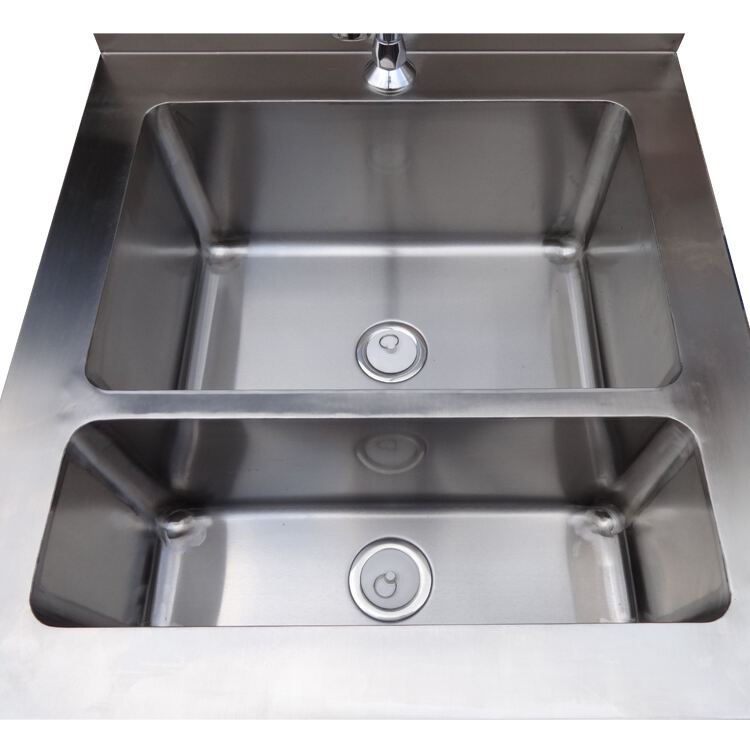
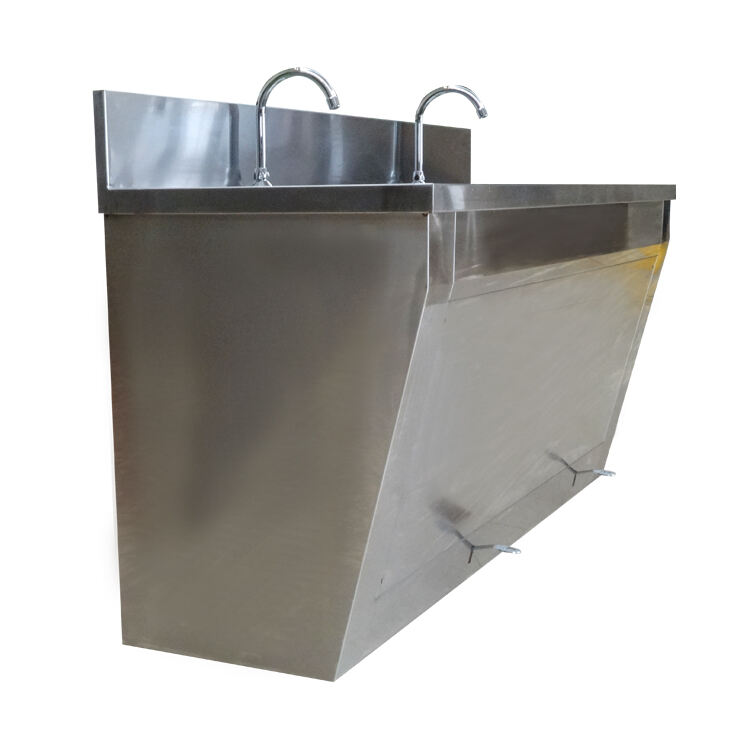
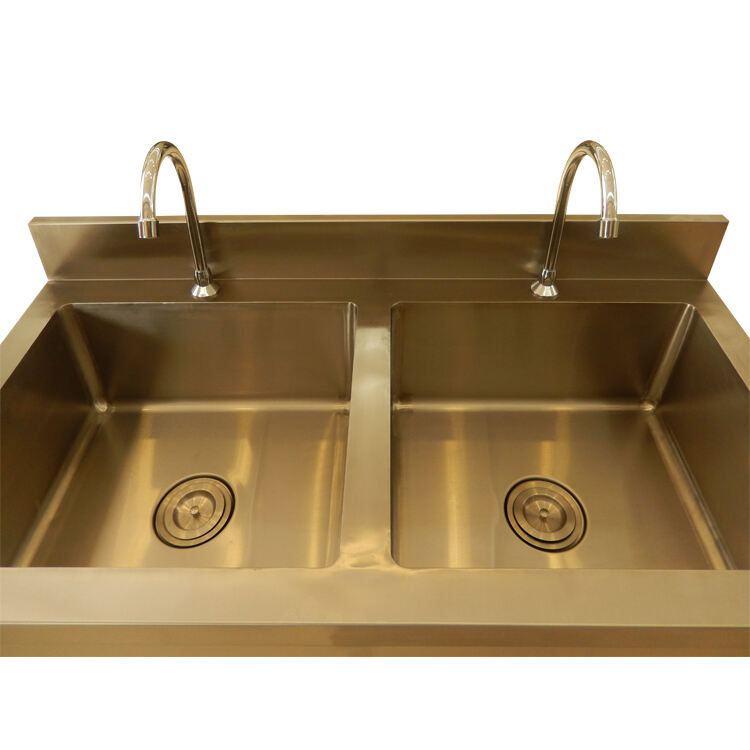
The clean sink represents a revolutionary advancement in modern sanitation technology, specifically engineered for environments demanding the highest standards of hygiene and contamination control. This specialized washing station integrates sophisticated filtration systems, touchless operation mechanisms, and antimicrobial materials to deliver unparalleled cleanliness in medical facilities, laboratories, pharmaceutical manufacturing plants, food processing operations, and research institutions. Unlike conventional washing fixtures, the clean sink incorporates multi-stage water purification, ensuring that both incoming water and drainage systems maintain sterile conditions throughout every use cycle. The primary functions encompass hands-free activation through motion sensors or foot pedals, eliminating cross-contamination risks associated with manual faucet operation. Advanced models feature programmable wash cycles with precisely controlled water temperature, flow rate, and duration to meet specific protocols required by different industries. The technological infrastructure includes HEPA-filtered air curtains that create positive pressure zones, preventing airborne particles from entering the washing area. Integrated drainage systems employ specialized traps and filters that capture contaminants before they enter municipal water systems, supporting environmental compliance and workplace safety standards. The basin construction utilizes non-porous stainless steel or composite materials with seamless welding techniques, eliminating joints and crevices where bacteria might colonize. Some sophisticated clean sink installations incorporate real-time monitoring systems that track usage patterns, water quality parameters, and maintenance requirements, transmitting data to facility management systems for optimal operational efficiency. Applications extend beyond healthcare settings to include biotechnology laboratories conducting sensitive experiments, electronics manufacturing facilities where particulate contamination could damage precision components, and pharmaceutical compounding areas where ingredient purity determines product safety. The clean sink serves as a critical barrier between contaminated and sterile zones, functioning as an essential component within comprehensive infection control strategies and cleanroom protocols that protect both personnel and products from harmful microorganisms.

New Product Recommendations

The implementation of a clean sink delivers transformative benefits that directly impact operational efficiency, regulatory compliance, and personnel safety across diverse professional environments. First and foremost, these advanced washing stations dramatically reduce infection transmission rates by eliminating manual contact points where pathogens typically transfer between users. The touchless operation means healthcare workers, laboratory technicians, and food handlers can complete thorough hand hygiene without touching potentially contaminated surfaces, breaking the chain of cross-contamination that conventional fixtures perpetuate. This hands-free functionality proves especially valuable during high-volume usage periods when multiple staff members require rapid access to washing facilities without compromising sterile technique. The water purification systems integrated within clean sink designs ensure consistent quality regardless of municipal supply variations, providing reliable protection against waterborne contaminants that could compromise sensitive processes or patient outcomes. Facilities installing these specialized fixtures experience measurable decreases in healthcare-associated infections, product contamination incidents, and regulatory compliance violations, translating directly into reduced liability exposure and improved organizational reputation. The automated dosing systems for antimicrobial soaps and sanitizers guarantee optimal concentrations with every use, eliminating guesswork and ensuring consistent disinfection efficacy that manual dispensing cannot match. Energy efficiency represents another substantial advantage, as programmable controls prevent water waste by delivering precise volumes tailored to specific washing requirements rather than relying on user judgment. The durability of medical-grade construction materials means clean sink installations withstand intensive daily use while resisting corrosion, staining, and material degradation that plague standard fixtures, resulting in lower replacement costs and extended service life. Maintenance requirements decrease significantly thanks to self-draining designs that prevent standing water accumulation and antimicrobial surface treatments that inhibit bacterial growth between cleaning cycles. Facilities benefit from simplified staff training because intuitive sensor activation requires no special techniques or complex procedures, allowing new employees to achieve proper hand hygiene immediately without extensive instruction. The data collection capabilities of modern clean sink systems provide facility managers with actionable insights into usage patterns, helping optimize placement, identify compliance gaps, and demonstrate adherence to regulatory standards during inspections. Environmental sustainability improves through water conservation features and filtration systems that prevent contaminated wastewater from entering ecosystems, supporting corporate responsibility initiatives and green building certifications. The professional appearance of clean sink installations enhances facility aesthetics while signaling commitment to quality standards that reassure clients, patients, and regulatory authorities about organizational priorities.

Latest News

What Is the Difference Between Static and Dynamic Pass Boxes

05

Nov

What Is the Difference Between Static and Dynamic Pass Boxes

Understanding Clean Room Transfer Systems: Static vs Dynamic Solutions In the world of cleanroom technology and contamination control, pass boxes play a crucial role in maintaining environmental integrity while enabling material transfer. Static and ...
View More
What Are the Common Issues with Air Handling Units and Solutions

02

Dec

What Are the Common Issues with Air Handling Units and Solutions

Air handling units serve as the backbone of modern HVAC systems, managing air circulation, filtration, and conditioning in commercial and industrial facilities. These sophisticated systems ensure optimal indoor air quality while maintaining energy ef...
View More
What Are the Applications of Clean Air Systems in Pharmaceuticals

02

Dec

What Are the Applications of Clean Air Systems in Pharmaceuticals

The pharmaceutical industry operates under stringent regulatory requirements where product quality, safety, and efficacy are paramount. Contamination control represents one of the most critical aspects of pharmaceutical manufacturing, making clean ai...
View More
How Do Clean Room Classifications Affect Operational Efficiency and Quality?

30

Jan

How Do Clean Room Classifications Affect Operational Efficiency and Quality?

Clean room classifications serve as the foundation for maintaining controlled environments across pharmaceutical, semiconductor, and medical device manufacturing industries. These standardized systems define the maximum allowable concentration of air...
View More

Get a Free Quote

Our representative will contact you soon.
Email
Name
Company Name
Attachment
Please upload at least an attachment
Up to 3 files,more 30mb,suppor jpg、jpeg、png、pdf、doc、docx、xls、xlsx、csv、txt
Message
0/1000

clean sink

Advanced Contamination Prevention Through Intelligent Design

Advanced Contamination Prevention Through Intelligent Design

The cornerstone advantage of the clean sink lies in its sophisticated contamination prevention architecture that integrates multiple protective layers working synergistically to maintain sterile conditions. The touchless activation system represents the first line of defense, utilizing infrared sensors or proximity detectors that respond to hand placement without requiring physical contact with any surface. This seemingly simple feature delivers profound implications for infection control because traditional faucet handles serve as notorious vectors for pathogen transmission, particularly in healthcare environments where staff members frequently wash hands between patient interactions. The sensor technology employed in quality clean sink models incorporates adjustable sensitivity settings that facility managers can calibrate to balance responsiveness with false activation prevention, ensuring reliable operation across diverse user populations including individuals with varying hand sizes, skin tones, and movement speeds. Beyond touchless operation, the physical construction methodology eliminates contamination harboring points through seamless basin fabrication techniques that avoid joints, seams, and crevices where bacteria colonies typically establish themselves. The stainless steel alloys or advanced polymer composites used in clean sink construction undergo specialized surface treatments that create molecular-level smoothness, denying microorganisms the textured substrates they require for adhesion and biofilm formation. Antimicrobial additives embedded within basin materials provide continuous disinfection between uses, actively destroying bacteria that contact surfaces rather than merely resisting colonization. The integrated splash guards and angled basin geometries prevent water from splashing onto surrounding surfaces or users' clothing, containing moisture within designated drainage pathways and preventing the environmental contamination that creates slipping hazards and facilitates microbial growth. Air management systems incorporated into premium clean sink installations generate laminar airflow patterns or positive pressure zones that physically push airborne contaminants away from the washing area, particularly critical in surgical scrub applications where sterile technique demands absolute protection from environmental particulates. The drainage infrastructure deserves special attention because it incorporates specialized trap configurations and filtration media that capture debris, hair, and other materials before they enter plumbing systems where they might create blockages or bacterial growth opportunities. Self-draining basin designs ensure complete water evacuation after each use, preventing the standing water that serves as breeding grounds for opportunistic pathogens like Pseudomonas aeruginosa and Legionella species.
Precision Water Quality Management For Critical Applications

Precision Water Quality Management For Critical Applications

The water purification and delivery systems integrated within clean sink technology represent engineering achievements that transform ordinary tap water into precisely controlled washing media suitable for the most demanding applications. Municipal water supplies contain variable concentrations of minerals, chlorine compounds, organic matter, and occasional pathogenic organisms that pose unacceptable risks in sterile environments, making point-of-use purification essential rather than optional. The multi-stage filtration cascades employed in advanced clean sink models typically begin with sediment pre-filters that remove particulate matter larger than five microns, protecting downstream components from damage while eliminating visible contamination. Activated carbon stages follow, adsorbing chlorine, volatile organic compounds, and taste or odor causing substances that might interfere with antimicrobial soap effectiveness or leave residues on washed items. The critical purification occurs through ultrafiltration membranes or reverse osmosis systems that block bacteria, viruses, endotoxins, and dissolved contaminants at the molecular level, producing water quality that meets or exceeds pharmaceutical grade standards. This purification capability proves indispensable in pharmaceutical compounding facilities where ingredient preparation requires water free from any substances that might trigger chemical reactions or compromise product stability. Surgical centers benefit enormously because pre-operative scrubbing with purified water eliminates the possibility of introducing waterborne pathogens into sterile fields during procedures. The temperature control systems within clean sink installations maintain water within precisely defined ranges, typically offering both ambient temperature options for routine washing and heated water for enhanced cleaning efficacy and user comfort during extended scrub protocols. Thermostatic mixing valves prevent scalding while ensuring consistent temperatures regardless of supply line pressure fluctuations or simultaneous usage at other fixtures. Flow rate regulation represents another critical dimension of water quality management, with programmable controls delivering optimal volumes that balance thorough rinsing against water conservation objectives. Excessive flow rates waste resources and create splashing problems, while insufficient flow leaves soap residues and contaminants on hands or equipment. The intelligent delivery systems in modern clean sink technology learn usage patterns and adjust parameters automatically, optimizing performance without requiring manual intervention. Real-time monitoring capabilities track water quality parameters including temperature, flow rate, and filter performance, alerting maintenance personnel when consumables require replacement or system performance deviates from established parameters.
Regulatory Compliance Support And Documentation Capabilities

Regulatory Compliance Support And Documentation Capabilities

The comprehensive documentation and monitoring features integrated into contemporary clean sink systems provide invaluable support for organizations navigating complex regulatory landscapes across healthcare, pharmaceutical manufacturing, food processing, and research sectors. Regulatory bodies including the Food and Drug Administration, Centers for Disease Control and Prevention, Occupational Safety and Health Administration, and various international equivalents establish stringent requirements governing hand hygiene protocols, equipment specifications, and record-keeping obligations that facilities must satisfy to maintain operational licenses and avoid penalties. The clean sink addresses these compliance burdens through automated data capture systems that record every usage instance, documenting timestamp, duration, water temperature, and soap dispensing volumes without requiring manual logbook entries that prove time-consuming and error-prone. This digital documentation creates auditable trails that inspectors can review to verify adherence to established protocols, demonstrating organizational commitment to safety standards through objective evidence rather than subjective assurances. The traceability becomes particularly crucial during outbreak investigations when epidemiologists must reconstruct timelines and identify potential transmission pathways, with clean sink usage records providing definitive information about hand hygiene compliance among potentially exposed personnel. Alert systems notify supervisors when staff members bypass hand washing stations or complete abbreviated wash cycles that fall short of required durations, enabling immediate corrective interventions before compliance gaps create safety incidents. The reporting dashboards synthesize usage data into comprehensible visualizations that facility managers can analyze to identify patterns, such as specific shifts or departments with lower compliance rates that require additional training or supervision. Maintenance documentation features track filter replacements, calibration procedures, and performance verification testing, ensuring that preventive maintenance schedules receive consistent execution rather than falling victim to competing operational priorities. The electronic records eliminate the paper-based systems that consume storage space, deteriorate over time, and prove difficult to search when specific information requires retrieval. Integration capabilities allow clean sink monitoring systems to communicate with broader facility management platforms, electronic health records, or manufacturing execution systems, creating unified data ecosystems that support comprehensive quality management programs. The validation support extends to installation qualification, operational qualification, and performance qualification protocols that pharmaceutical and medical device manufacturers must complete, with clean sink manufacturers providing documentation packages that streamline these expensive and time-consuming processes.

Get a Free Quote

Our representative will contact you soon.
Email
Name
Company Name
Attachment
Please upload at least an attachment
Up to 3 files,more 30mb,suppor jpg、jpeg、png、pdf、doc、docx、xls、xlsx、csv、txt
Message
0/1000

Get a Free Quote

Our representative will contact you soon.
Email
Name
Company Name
Attachment
Please upload at least an attachment
Up to 3 files,more 30mb,suppor jpg、jpeg、png、pdf、doc、docx、xls、xlsx、csv、txt
Message
0/1000