Versatile Applications Across Multiple Industries Create Strong Return on Investment
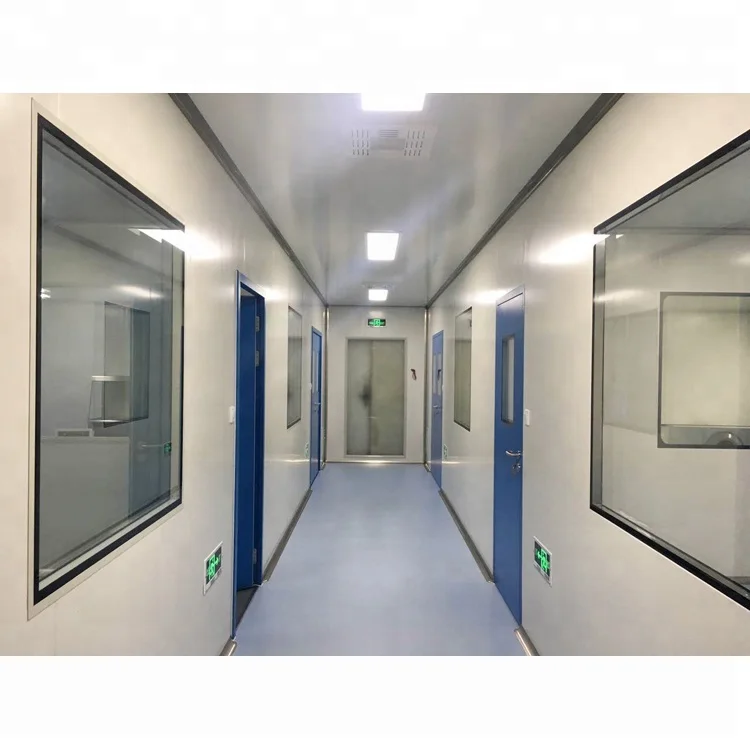
A clean room serves diverse industries with distinct requirements, making it a versatile investment that can adapt to changing business opportunities and market demands. In pharmaceutical manufacturing, a clean room provides the sterile environment essential for producing injectable medications, tablets, capsules, and topical treatments. The controlled conditions prevent bacterial and fungal contamination that could cause serious patient harm, ensuring every batch meets FDA requirements and international pharmaceutical standards. Biotechnology companies rely on a clean room for cell culture work, genetic research, and development of biological therapies where even minor contamination can destroy months of research or ruin expensive cell lines. The semiconductor industry represents one of the most demanding clean room applications, requiring exceptionally low particle counts because microscopic contaminants can create defects in computer chips and electronic components. As electronic devices become smaller and more powerful, the need for cleaner manufacturing environments intensifies, making a clean room absolutely essential for staying competitive in technology markets. Medical device manufacturers use a clean room to produce implantable devices, surgical instruments, and diagnostic equipment where contamination could lead to patient infections or device failures. The aerospace industry depends on a clean room for assembling sensitive components like guidance systems, satellite equipment, and precision instruments where particle contamination affects performance and reliability. Optical manufacturing benefits from clean room conditions when producing camera lenses, telescopes, microscope objectives, and laser components, as even fingerprints or dust particles can ruin optical clarity. Food processing companies increasingly adopt clean room technology for packaging sensitive products like infant formula or immunocompromised patient nutrition where contamination poses serious health risks. Cosmetic manufacturers use a clean room to produce premium skincare and makeup products, meeting consumer expectations for purity and preventing microbial growth that could spoil products or irritate skin. Research institutions across all scientific disciplines require a clean room for nanotechnology research, materials science experiments, and any investigation where environmental contamination would compromise results. This broad applicability means your clean room investment remains valuable even if your business focus shifts, as the fundamental contamination control capabilities transfer across industries. The growing emphasis on quality and safety across all sectors creates expanding opportunities for facilities equipped with a clean room, positioning your business to capture new markets and meet evolving customer expectations.

 EN
EN