Professional Cleanroom Solutions: Advanced Contamination Control Systems for Critical Manufacturing

All Categories

Get a Free Quote

Our representative will contact you soon.
Email
Name
Company Name
Attachment
Please upload at least an attachment
Up to 3 files,more 30mb,suppor jpg、jpeg、png、pdf、doc、docx、xls、xlsx、csv、txt
Message
0/1000

Get a Free Quote

Our representative will contact you soon.
Email
Name
Company Name
Attachment
Please upload at least an attachment
Up to 3 files,more 30mb,suppor jpg、jpeg、png、pdf、doc、docx、xls、xlsx、csv、txt
Message
0/1000

cleanroom solutions

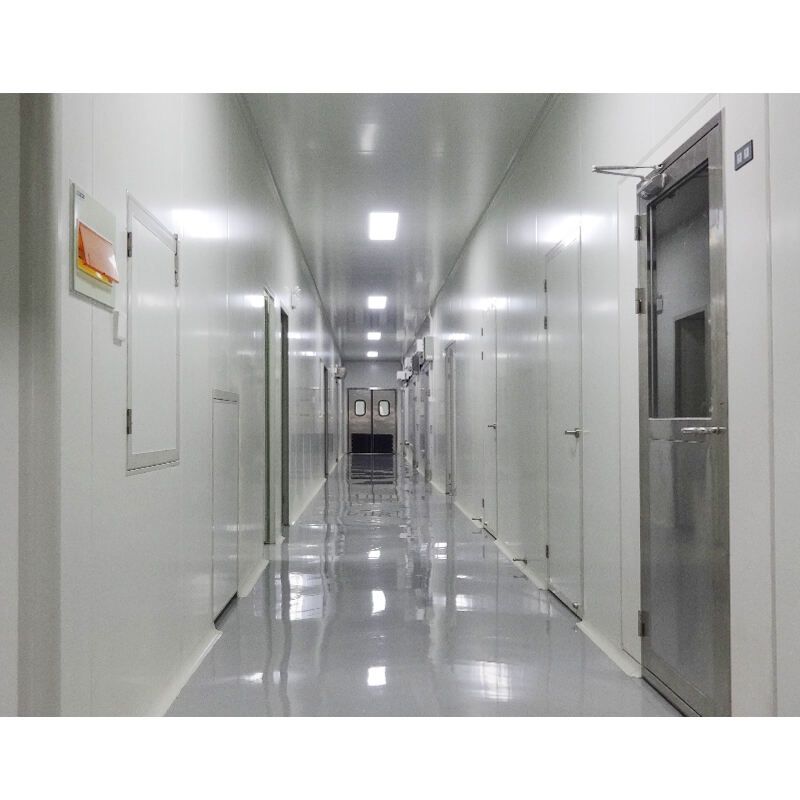
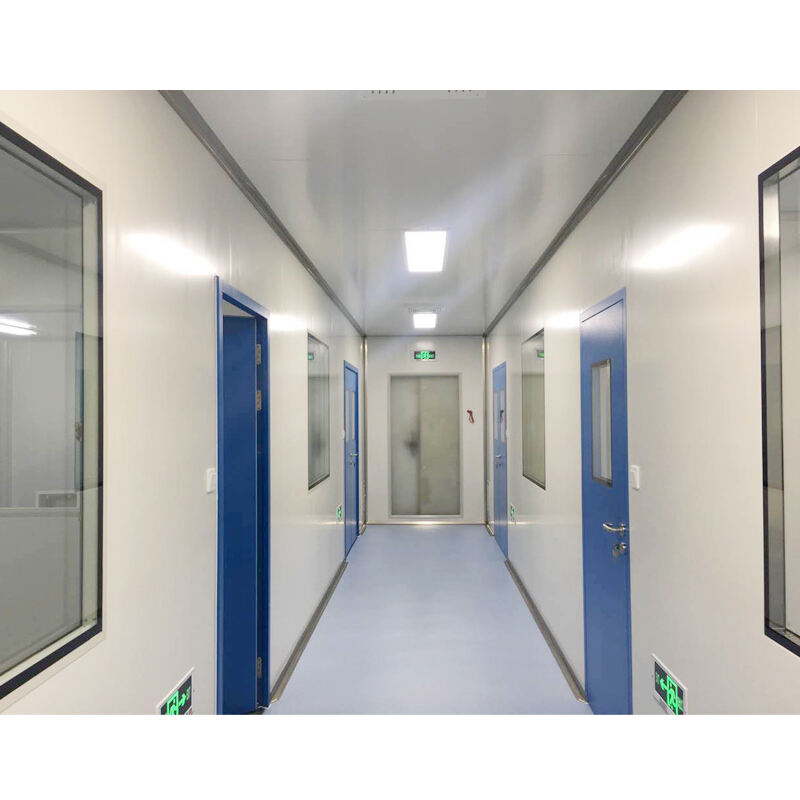
Cleanroom solutions represent specialized controlled environments designed to maintain extremely low levels of particulates, contaminants, and environmental pollutants. These sophisticated systems create spaces where air quality, temperature, humidity, and pressure remain precisely regulated to meet stringent industry standards. The primary function of cleanroom solutions involves filtering and circulating air through high-efficiency particulate air filters, removing microscopic particles that could compromise sensitive manufacturing processes or research activities. Modern cleanroom solutions incorporate advanced monitoring systems that continuously track environmental parameters, ensuring consistent conditions throughout operations. The technology features multi-stage filtration systems, positive pressure differentials, and specialized airflow patterns that prevent contamination from entering or accumulating within the controlled space. These environments serve critical applications across pharmaceutical manufacturing, semiconductor production, biotechnology research, medical device assembly, aerospace component fabrication, and precision electronics manufacturing. Cleanroom solutions utilize classification systems ranging from ISO Class 1 to ISO Class 9, with each level specifying maximum allowable particle concentrations per cubic meter of air. The infrastructure includes specialized flooring, wall panels, ceiling systems, and pass-through chambers that maintain environmental integrity while facilitating workflow efficiency. Advanced cleanroom solutions integrate automated controls, real-time data logging, and remote monitoring capabilities that enable operators to maintain optimal conditions and respond quickly to any deviations. The design considerations encompass personnel flow patterns, material handling procedures, and equipment placement strategies that minimize contamination risks while maximizing operational productivity. These solutions also address electrostatic discharge control, chemical vapor management, and biological containment requirements specific to different industries and applications, making them indispensable for organizations committed to producing high-quality products and conducting reliable research in contamination-sensitive fields.


New Product Releases

Implementing cleanroom solutions delivers substantial benefits that directly impact product quality, operational efficiency, and regulatory compliance. Organizations that invest in these controlled environments experience dramatic reductions in product defects and contamination-related failures, translating to significant cost savings through decreased waste and rework. The precise environmental control provided by cleanroom solutions ensures consistent manufacturing conditions, enabling companies to achieve reproducible results and maintain tight quality specifications across production runs. This consistency proves invaluable for industries where even microscopic contamination can render entire batches unusable or compromise safety standards. Cleanroom solutions protect sensitive materials and processes from airborne particles, microorganisms, and chemical vapors that exist in standard manufacturing environments, safeguarding investments in expensive raw materials and reducing the risk of costly production interruptions. The controlled atmosphere extends equipment lifespan by minimizing exposure to corrosive particles and maintaining stable operating conditions, reducing maintenance requirements and capital expenditure on replacement machinery. Companies utilizing cleanroom solutions gain competitive advantages through enhanced product reliability and performance, building stronger reputations and customer trust in markets where quality cannot be compromised. These environments enable organizations to meet stringent regulatory requirements imposed by agencies such as the FDA, EPA, and international standards bodies, facilitating market access and avoiding penalties associated with non-compliance. The implementation of cleanroom solutions demonstrates commitment to quality and safety, strengthening relationships with clients, partners, and regulatory authorities. Workers benefit from healthier, more comfortable conditions with controlled temperature and humidity levels, leading to improved productivity and reduced fatigue during extended shifts. Cleanroom solutions provide flexibility for scaling operations, with modular designs that accommodate expansion or reconfiguration as business needs evolve. The investment in these controlled environments yields measurable returns through increased production yields, faster time-to-market for new products, and reduced liability exposure from contamination incidents. Organizations also gain access to new market opportunities that require certified cleanroom manufacturing capabilities, opening revenue streams previously unavailable. The data collection and monitoring capabilities inherent in modern cleanroom solutions support continuous improvement initiatives, enabling teams to identify optimization opportunities and refine processes based on empirical evidence rather than assumptions.

Practical Tips

How to Maintain Clean Air Systems to Meet ISO Standards

21

Oct

How to Maintain Clean Air Systems to Meet ISO Standards

Essential Guidelines for Industrial Air Quality Management In today's industrial landscape, maintaining clean air systems has become a critical requirement for operational excellence and regulatory compliance. Modern facilities must adhere to stringe...
View More
How to Install Clean Panels Without Contaminating Environments

21

Oct

How to Install Clean Panels Without Contaminating Environments

Essential Guidelines for Clean Panel Installation in Controlled Settings Clean panels represent a crucial component in controlled environments like cleanrooms, laboratories, and pharmaceutical facilities. Their proper installation is paramount for ma...
View More
What Are the Key Differences Between Single and Double Air Showers

05

Nov

What Are the Key Differences Between Single and Double Air Showers

Understanding Air Shower Technology in Clean Room Environments In the realm of contamination control and cleanroom technology, air showers play a vital role in maintaining pristine environments. These sophisticated systems serve as critical gateways ...
View More
What Are the Cost Benefits of Modular Clean Room Construction

05

Nov

What Are the Cost Benefits of Modular Clean Room Construction

The Economic Advantages of Modern Modular Cleanroom Solutions The landscape of pharmaceutical, semiconductor, and medical device manufacturing has been transformed by modular clean room construction. This innovative approach to building controlled en...
View More

Get a Free Quote

Our representative will contact you soon.
Email
Name
Company Name
Attachment
Please upload at least an attachment
Up to 3 files,more 30mb,suppor jpg、jpeg、png、pdf、doc、docx、xls、xlsx、csv、txt
Message
0/1000

cleanroom solutions

Advanced Filtration and Air Management Systems

Advanced Filtration and Air Management Systems

The cornerstone of effective cleanroom solutions lies in their sophisticated filtration and air management systems, which work continuously to maintain pristine environmental conditions. These systems employ high-efficiency particulate air filters capable of capturing 99.97 percent of particles as small as 0.3 microns, effectively removing dust, pollen, bacteria, and other contaminants that could compromise sensitive operations. The air management strategy incorporates carefully engineered airflow patterns, typically utilizing laminar or turbulent flow designs depending on the specific application requirements and cleanliness classification needed. Laminar flow systems create unidirectional air movement that sweeps particles away from critical work areas, while turbulent flow designs use mixing patterns to dilute and remove contaminants through rapid air changes. Modern cleanroom solutions achieve air change rates ranging from 20 to 600 changes per hour, far exceeding standard building ventilation and ensuring rapid removal of any generated particles. The filtration systems operate in multiple stages, with pre-filters capturing larger particles before air reaches the final high-efficiency filters, extending filter life and maintaining consistent performance. Positive pressure differentials between the cleanroom and adjacent spaces prevent unfiltered air from infiltrating the controlled environment, creating an invisible barrier against contamination. These pressure cascades are carefully calibrated, with the cleanest areas maintaining the highest pressure and gradually decreasing toward less critical zones. The air handling units incorporate variable frequency drives and intelligent controls that adjust fan speeds based on real-time particle counts and occupancy levels, optimizing energy consumption without compromising cleanliness standards. Temperature and humidity control integrate seamlessly with the filtration systems, conditioning air to precise specifications that prevent static electricity buildup, material degradation, and microbial growth. The redundancy built into these systems ensures continuous operation even during maintenance activities or component failures, protecting ongoing processes from interruption. Regular monitoring and validation protocols verify system performance, with particle counters, airflow meters, and pressure sensors providing continuous feedback to automated control systems that make instantaneous adjustments to maintain target conditions.
Comprehensive Contamination Control Infrastructure

Comprehensive Contamination Control Infrastructure

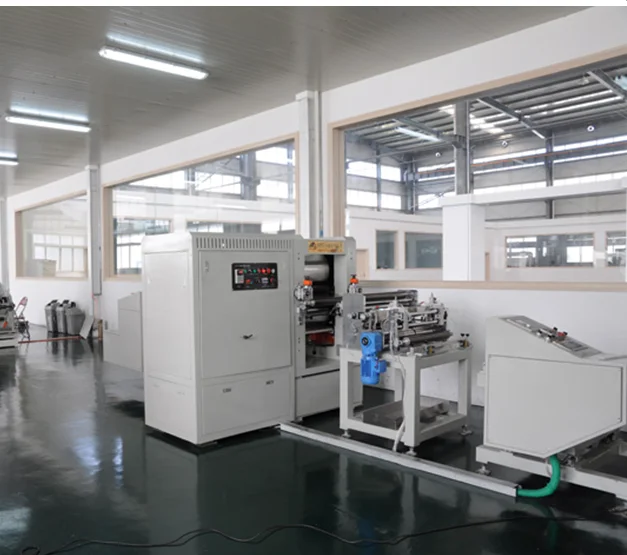
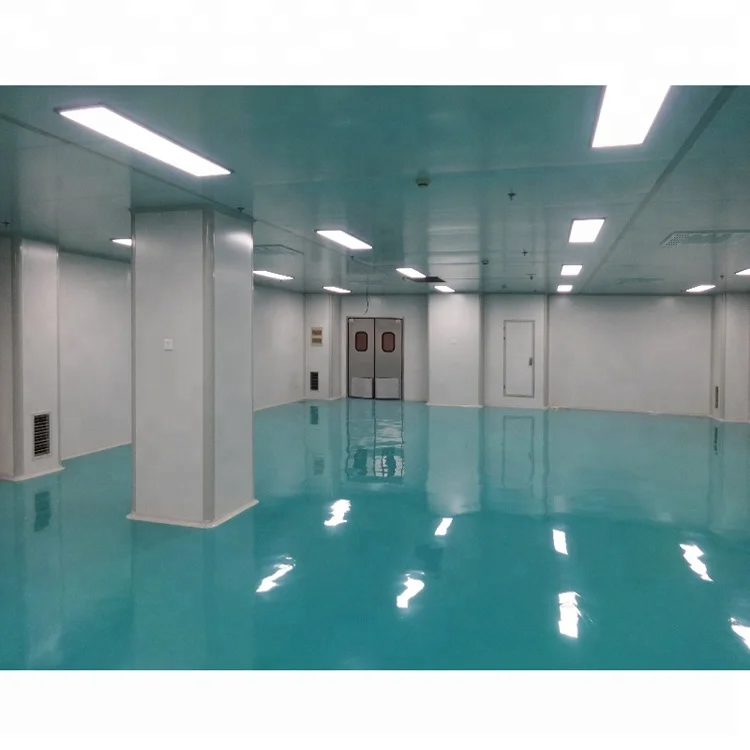
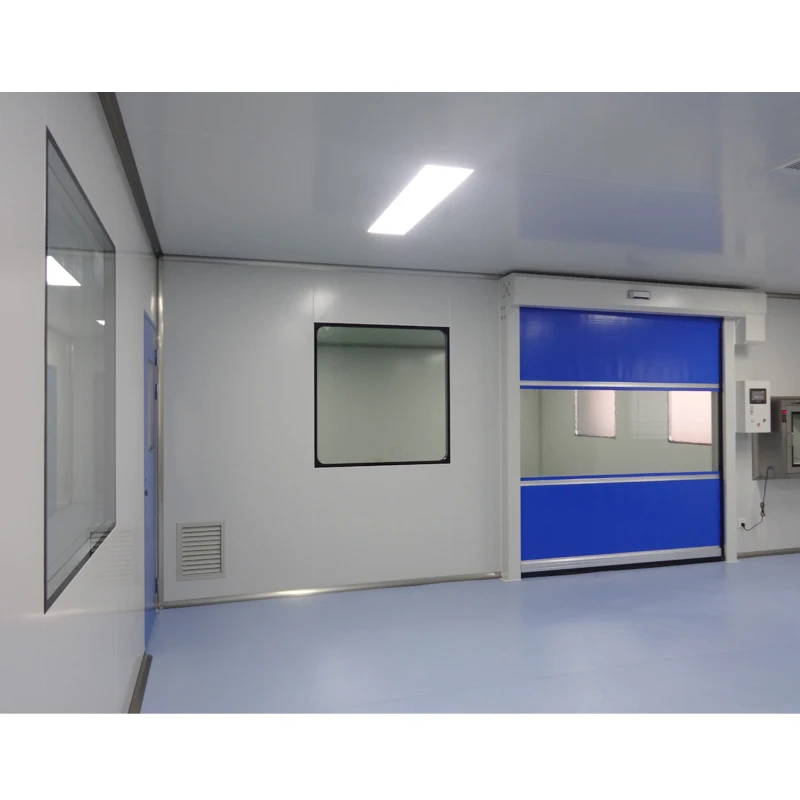
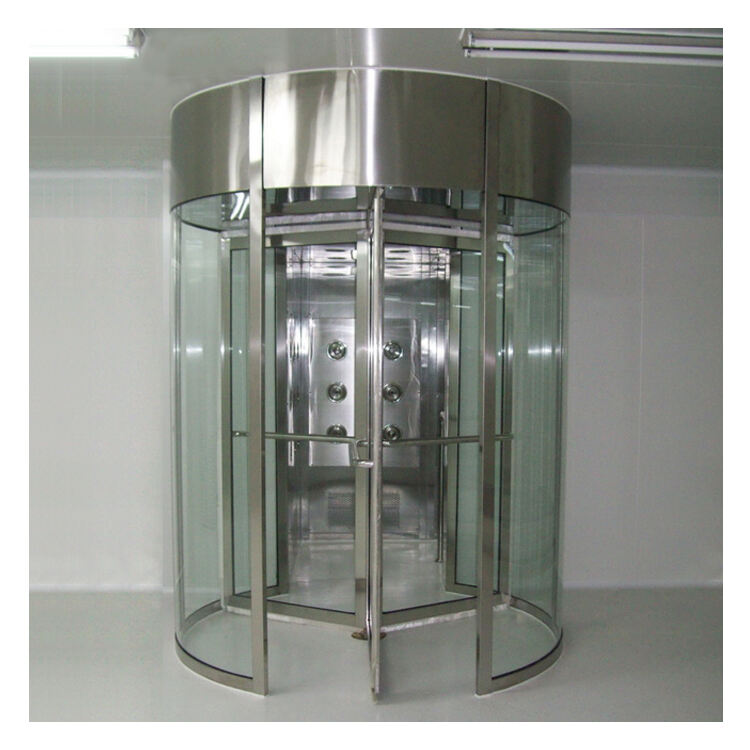
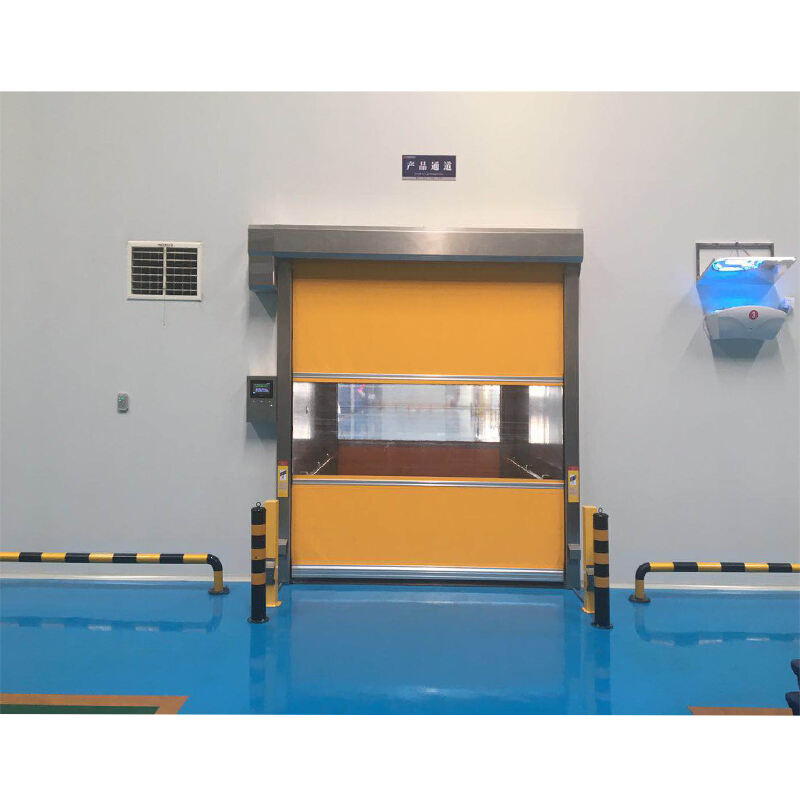
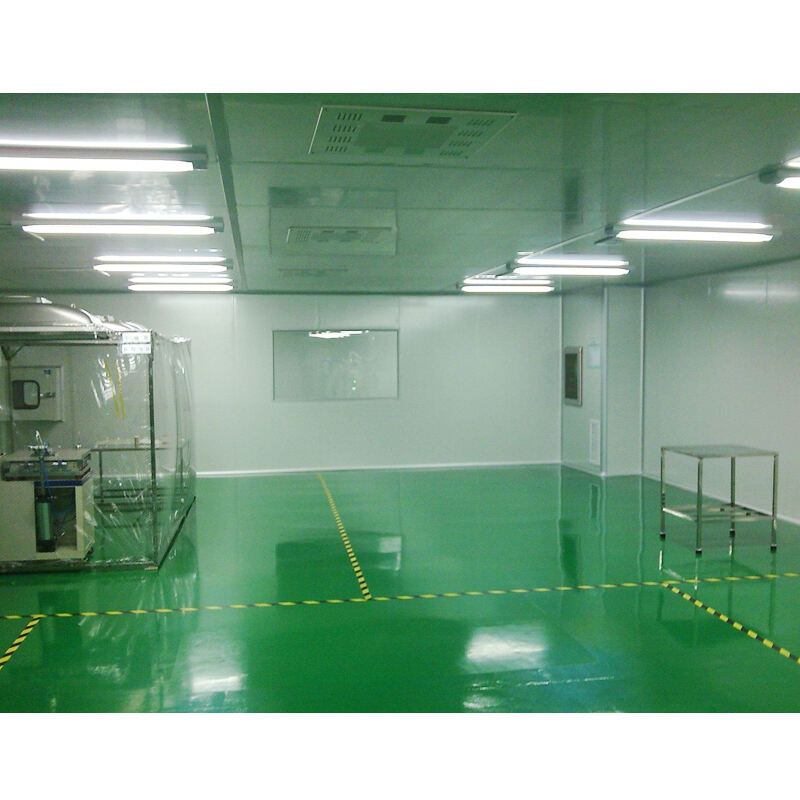
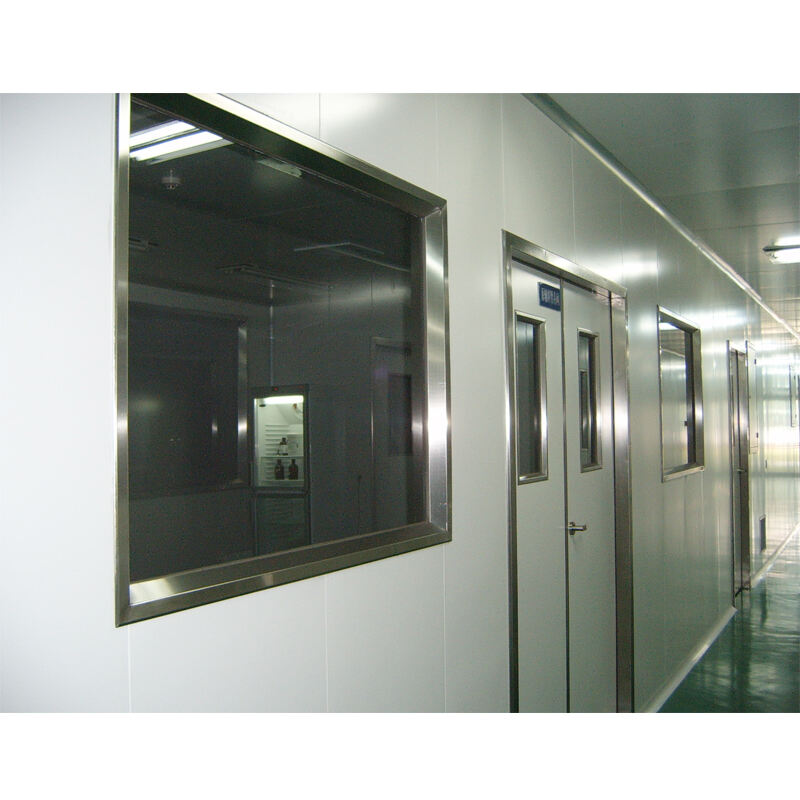
Cleanroom solutions extend far beyond air filtration to encompass a complete contamination control infrastructure that addresses every potential source of particles and pollutants. The physical structure utilizes non-shedding materials specifically engineered for cleanroom applications, including sealed wall panels, smooth flooring systems, and coved corners that eliminate particle traps and facilitate thorough cleaning. Ceiling systems integrate lighting, filtration, and utilities while maintaining smooth, cleanable surfaces that prevent particle accumulation and support the designed airflow patterns. Specialized flooring options range from seamless epoxy coatings to raised access floors that accommodate utilities while providing electrostatic discharge protection and chemical resistance appropriate to the specific processes conducted within the space. Personnel represent the largest contamination source in most cleanroom environments, and comprehensive solutions address this through carefully designed gowning protocols, airlocks, and air showers that remove particles from workers before they enter controlled areas. The infrastructure includes dedicated gowning rooms where personnel don specialized garments that cover skin and hair, preventing the shedding of particles and microorganisms that humans naturally generate. Air showers use high-velocity filtered air jets to dislodge and remove particles from garment surfaces, providing a final cleaning step before cleanroom entry. Material transfer systems incorporate pass-through chambers with interlocked doors that prevent simultaneous opening, maintaining pressure differentials while allowing supplies and products to move between areas. These chambers often include cleaning mechanisms or staging areas where incoming materials undergo decontamination procedures before introduction to the cleanroom. The contamination control strategy also addresses equipment selection, specifying machinery designed for cleanroom use with sealed motors, smooth surfaces, and minimal particle generation during operation. Maintenance protocols ensure that all infrastructure components remain in optimal condition, with scheduled inspections, cleaning procedures, and replacement cycles that prevent degradation of contamination control performance. The comprehensive approach recognizes that effective cleanroom solutions require attention to every detail, from the materials used in construction to the procedures governing daily operations, creating a holistic system where multiple barriers work together to maintain the required cleanliness levels.
Intelligent Monitoring and Validation Capabilities

Intelligent Monitoring and Validation Capabilities

Modern cleanroom solutions incorporate sophisticated monitoring and validation capabilities that provide unprecedented visibility into environmental conditions and system performance. These intelligent systems deploy networks of sensors throughout the controlled environment, continuously measuring particle concentrations, temperature, humidity, pressure differentials, and airflow velocities at critical locations. The real-time data streams feed into centralized building management systems that display current conditions, track trends over time, and generate alerts when parameters drift outside acceptable ranges. This continuous monitoring enables immediate response to potential issues before they impact product quality or compromise compliance with regulatory standards. The validation capabilities extend beyond simple monitoring to include comprehensive documentation systems that create audit trails demonstrating consistent environmental control over extended periods. These records prove essential during regulatory inspections and certification processes, providing objective evidence that cleanroom solutions maintain required conditions throughout all operational phases. Advanced analytics built into modern systems identify patterns and correlations that might escape human observation, revealing optimization opportunities and predicting maintenance needs before failures occur. The monitoring infrastructure supports risk-based approaches to contamination control, focusing resources on the most critical areas while maintaining appropriate oversight of lower-risk zones. Automated data logging eliminates manual recording errors and ensures complete documentation without adding burden to operational staff. The systems generate customizable reports that present information in formats suitable for different audiences, from detailed technical data for engineers to summary dashboards for management review. Integration with other facility systems enables coordinated responses to changing conditions, such as adjusting cleanroom parameters when production schedules change or external weather conditions affect building loads. The validation capabilities include built-in test functions that verify sensor accuracy and system response, ensuring the monitoring infrastructure itself remains reliable and trustworthy. Remote access features allow qualified personnel to review conditions and respond to alerts from any location, supporting 24/7 operations without requiring constant on-site presence. These intelligent monitoring and validation capabilities transform cleanroom solutions from passive environmental controls into active management tools that support continuous improvement, regulatory compliance, and operational excellence.

Get a Free Quote

Our representative will contact you soon.
Email
Name
Company Name
Attachment
Please upload at least an attachment
Up to 3 files,more 30mb,suppor jpg、jpeg、png、pdf、doc、docx、xls、xlsx、csv、txt
Message
0/1000

Get a Free Quote

Our representative will contact you soon.
Email
Name
Company Name
Attachment
Please upload at least an attachment
Up to 3 files,more 30mb,suppor jpg、jpeg、png、pdf、doc、docx、xls、xlsx、csv、txt
Message
0/1000