clean room filtration systems
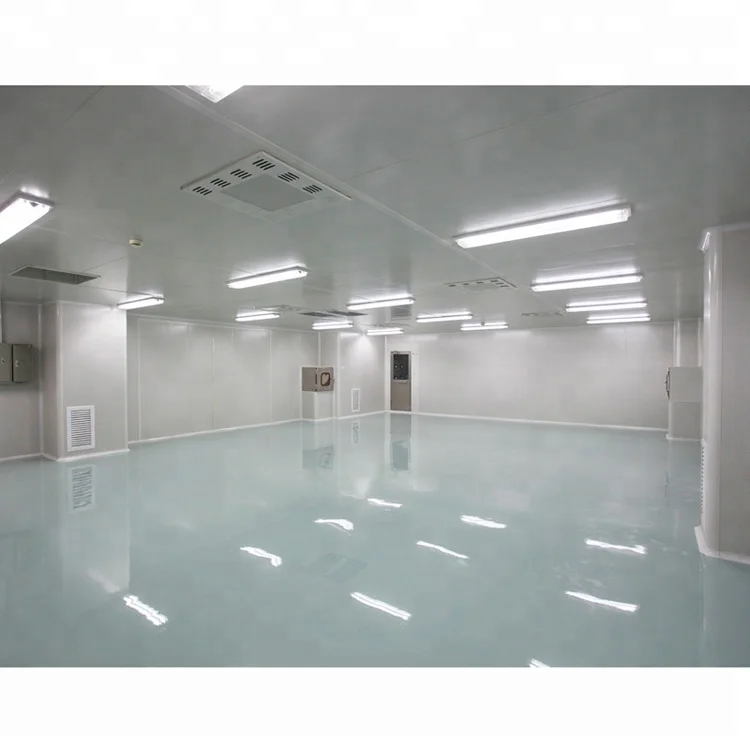
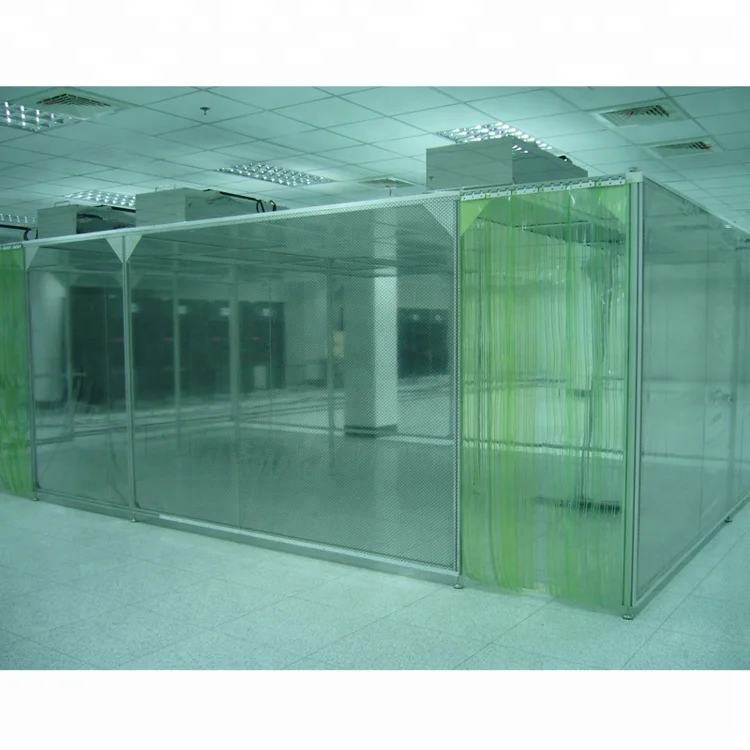
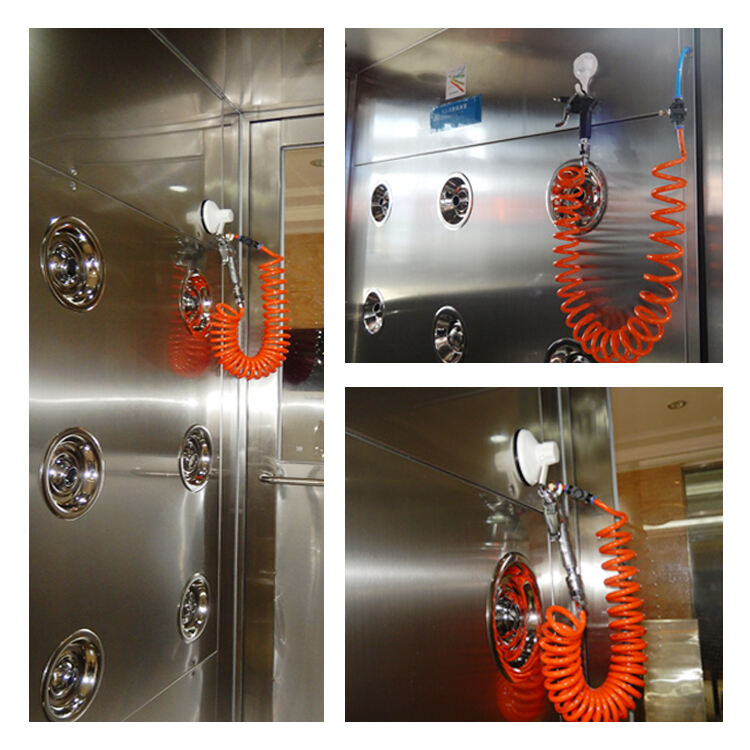
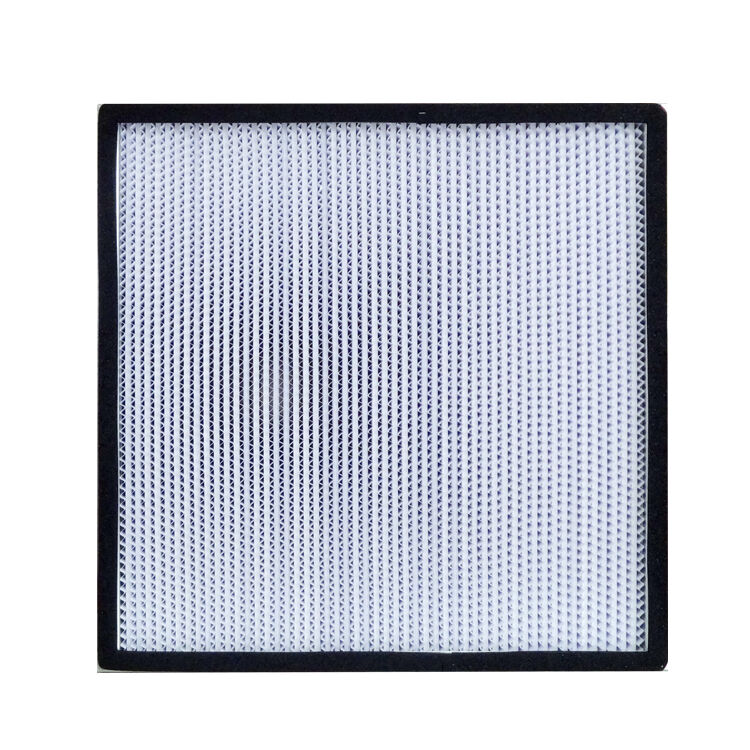
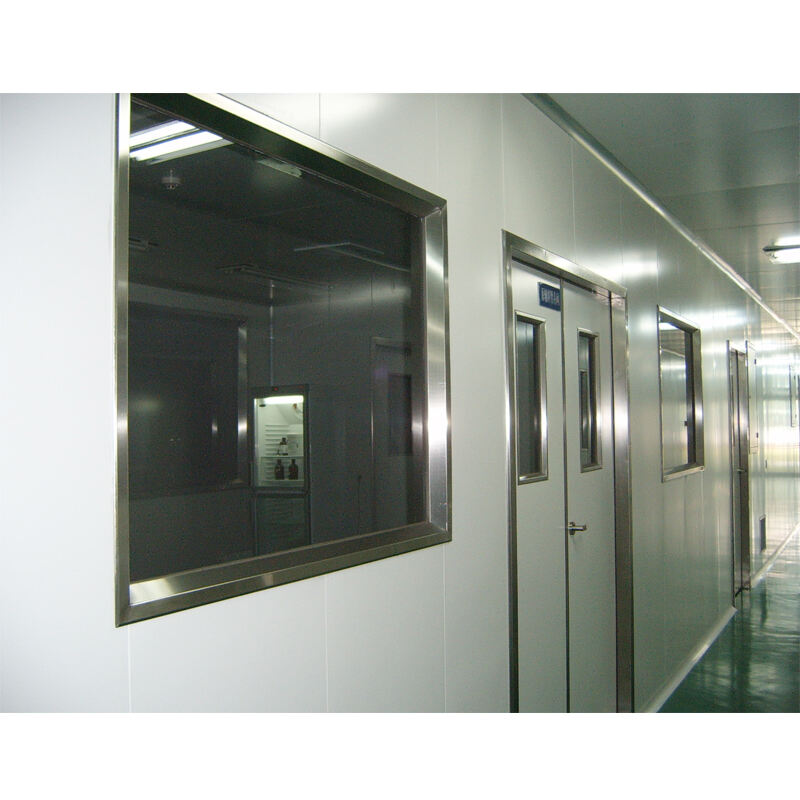
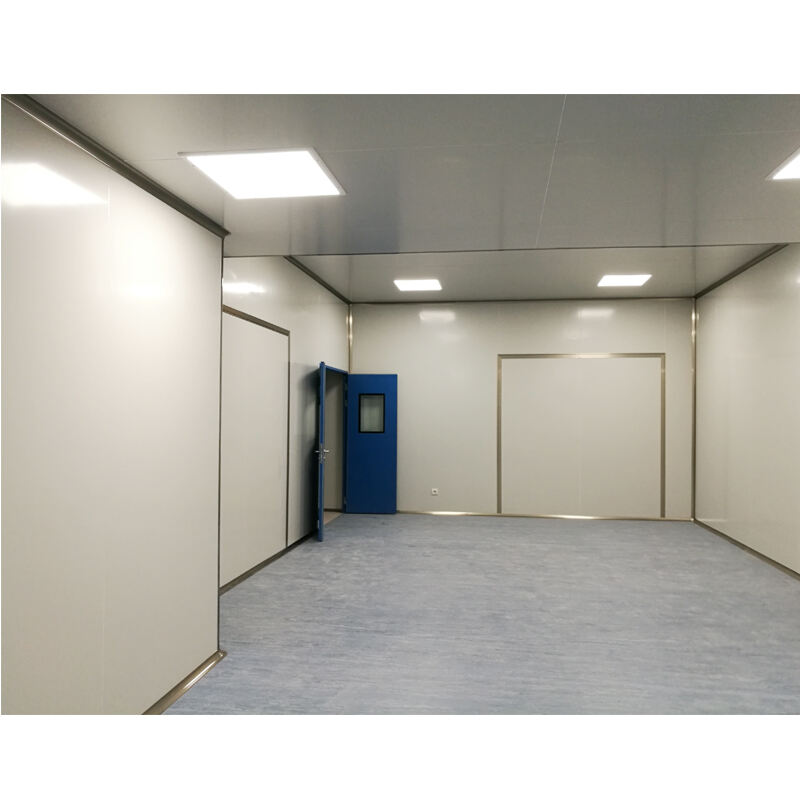
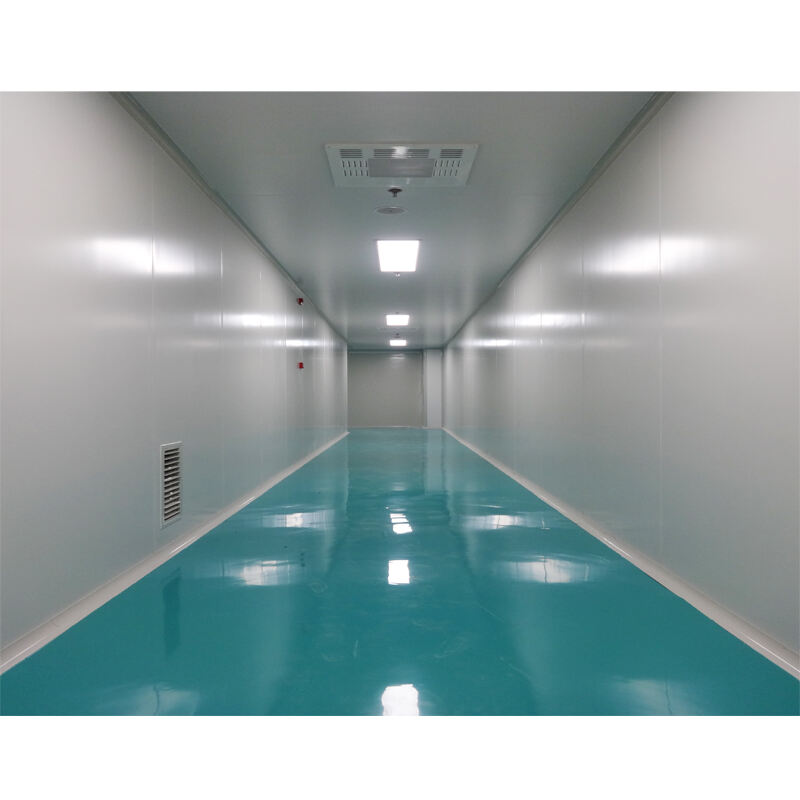
Clean room filtration systems represent essential infrastructure for maintaining controlled environments where air quality directly impacts product integrity and operational success. These sophisticated systems remove airborne particles, microorganisms, and contaminants from the air, creating spaces that meet stringent purity standards required across multiple industries. At their core, clean room filtration systems utilize multi-stage filtration processes that capture particles ranging from large dust specks to microscopic contaminants measuring just 0.3 microns or smaller. The main function centers on continuous air circulation through high-efficiency particulate air filters, commonly known as HEPA filters, which trap 99.97 percent of particles at specified sizes. Advanced systems incorporate ULPA filters that achieve even higher efficiency rates, capturing 99.999 percent of ultrafine particles. These filtration systems work in conjunction with precisely calibrated airflow patterns that prevent contamination from entering critical zones. The technology features automated monitoring systems that track filter performance, air pressure differentials, and particle counts in real-time, ensuring consistent environmental control. Modern clean room filtration systems integrate smart sensors and control panels that allow operators to adjust parameters based on specific requirements. Applications span pharmaceutical manufacturing facilities where sterile conditions prevent product contamination, semiconductor fabrication plants requiring particle-free environments for microchip production, biotechnology laboratories conducting sensitive research, medical device manufacturing operations, aerospace component assembly areas, and food processing facilities maintaining hygiene standards. The systems adapt to various clean room classifications, from ISO Class 1 environments with fewer than 10 particles per cubic meter to less stringent ISO Class 8 spaces. Each application demands customized filtration approaches that balance air change rates, filter efficiency levels, and energy consumption while maintaining the precise environmental conditions necessary for quality assurance and regulatory compliance across diverse operational contexts.

 EN
EN