ISO Clean Room Solutions: Advanced Controlled Environments for Precision Manufacturing and Research

All Categories

Get a Free Quote

Our representative will contact you soon.
Email
Name
Company Name
Attachment
Please upload at least an attachment
Up to 3 files,more 30mb,suppor jpg、jpeg、png、pdf、doc、docx、xls、xlsx、csv、txt
Message
0/1000

Get a Free Quote

Our representative will contact you soon.
Email
Name
Company Name
Attachment
Please upload at least an attachment
Up to 3 files,more 30mb,suppor jpg、jpeg、png、pdf、doc、docx、xls、xlsx、csv、txt
Message
0/1000

iso clean room

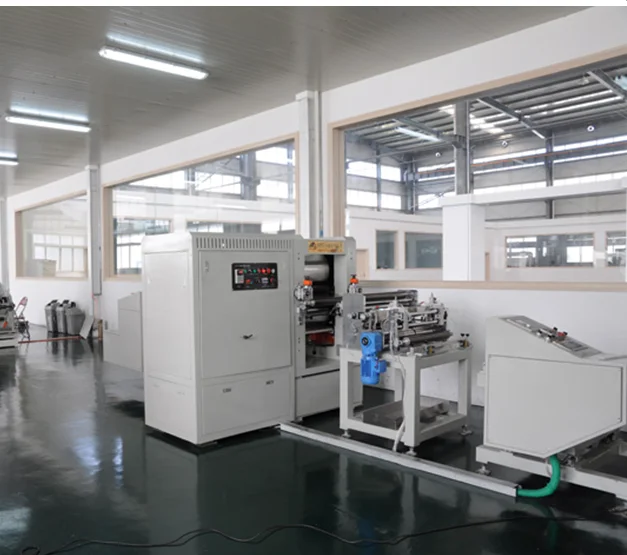
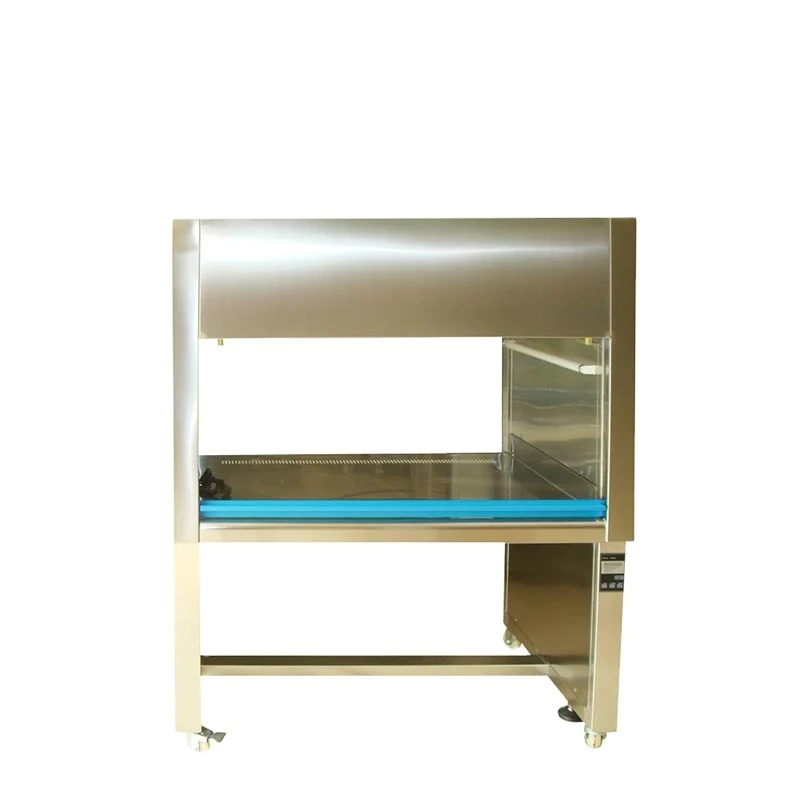
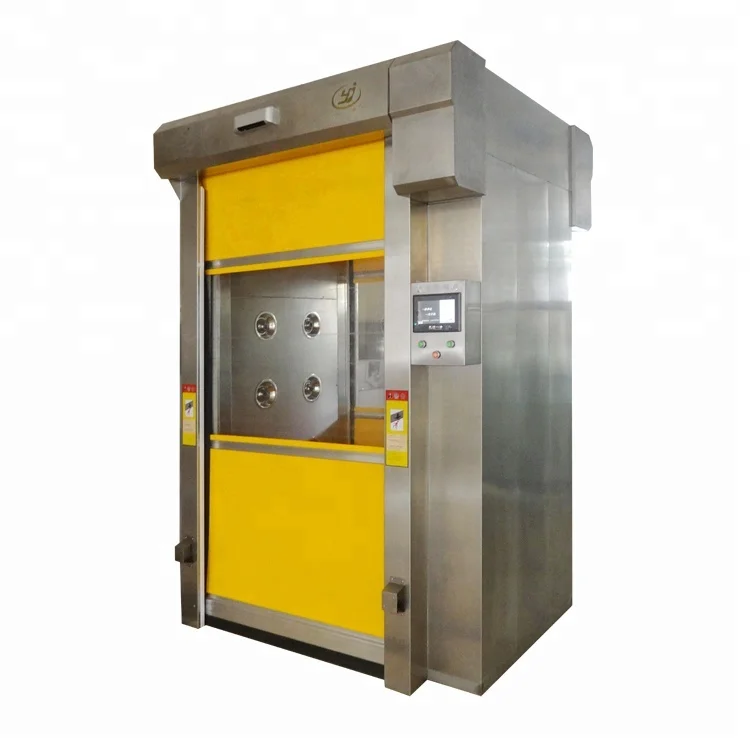
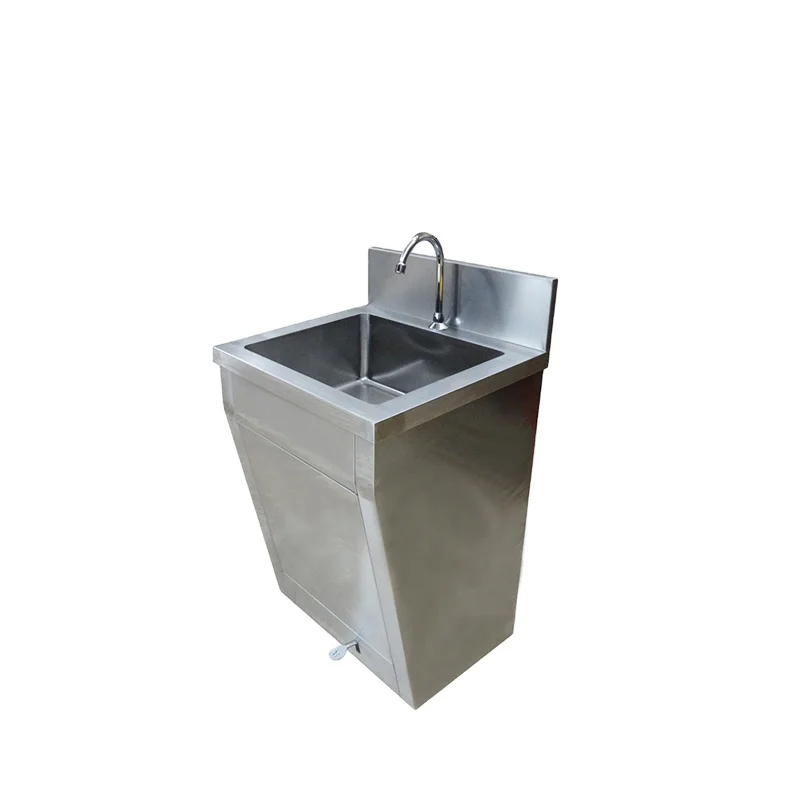
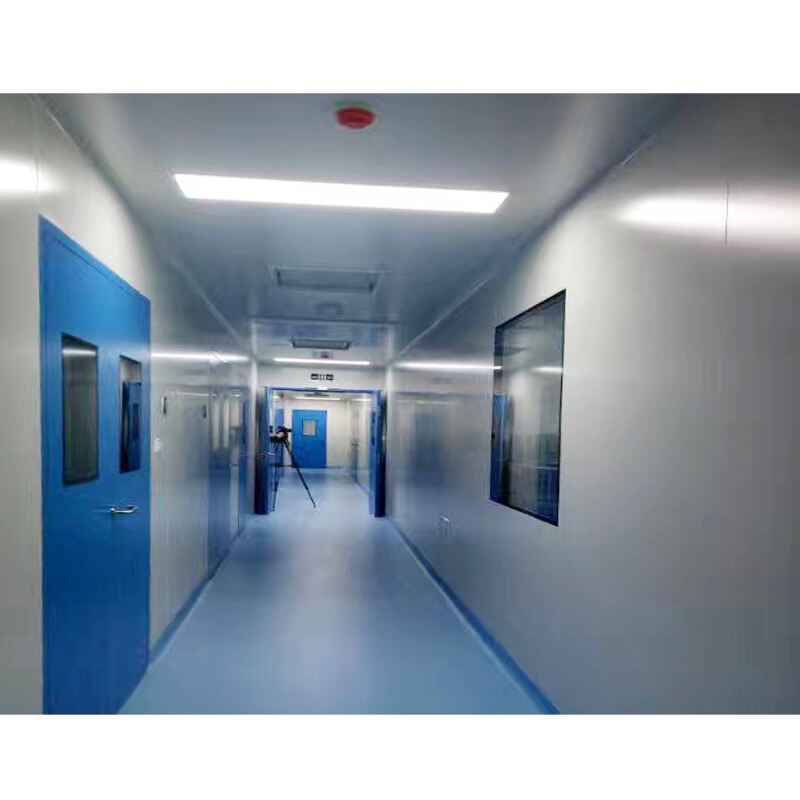
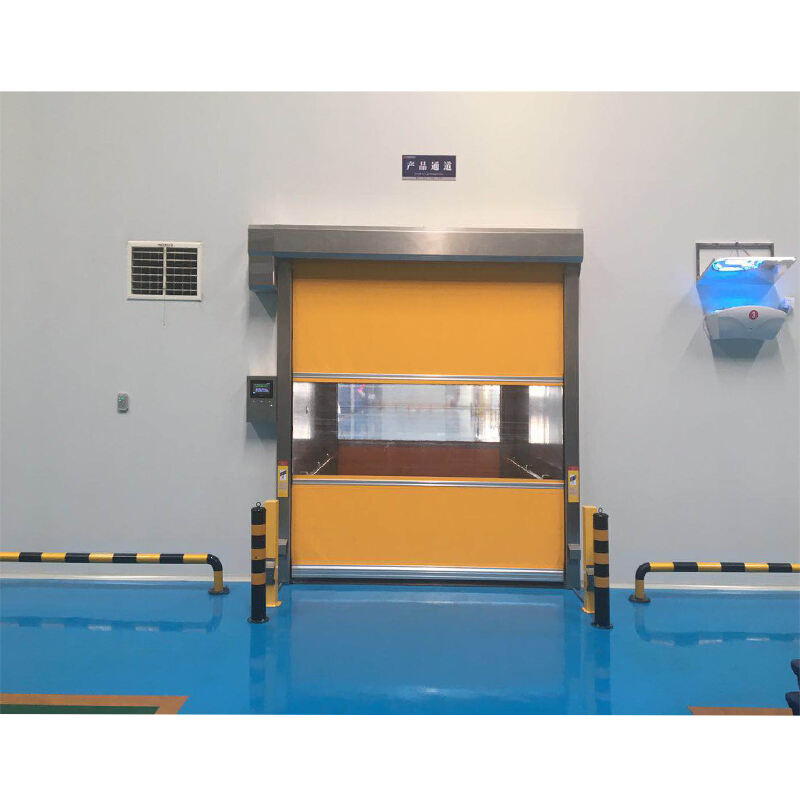
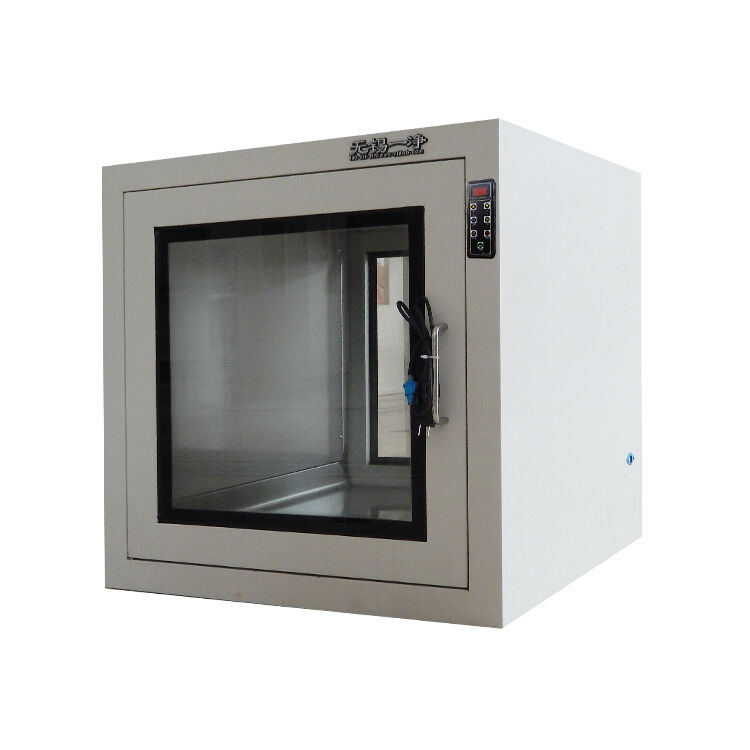
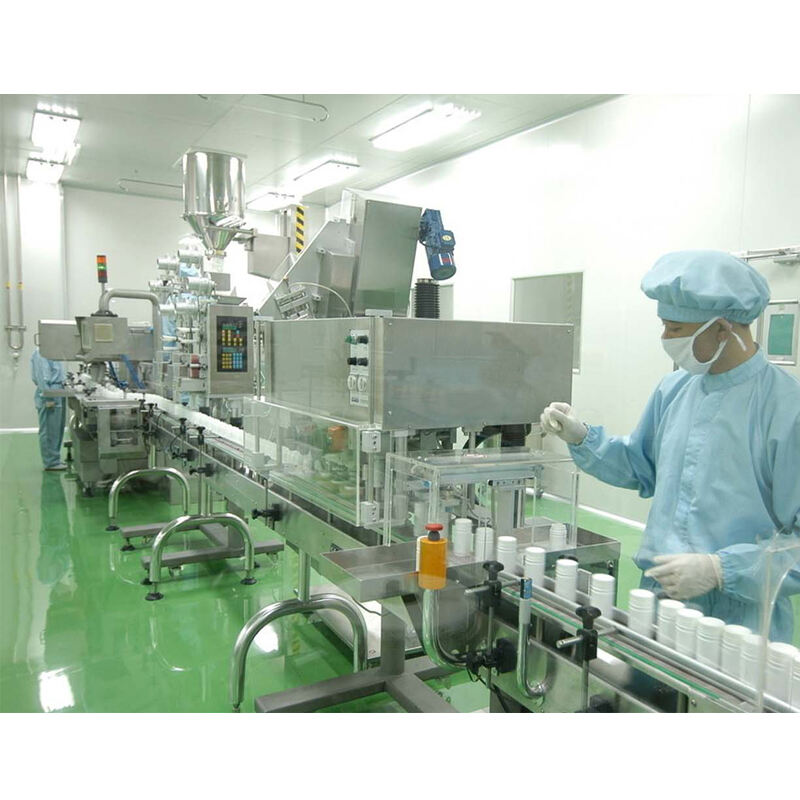
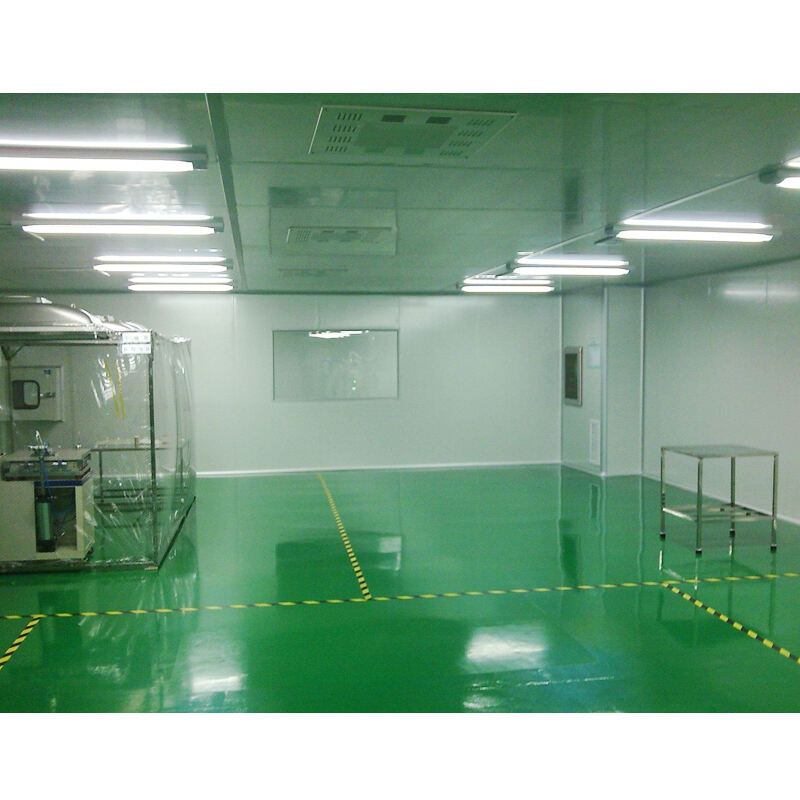
An iso clean room represents a controlled environment engineered to maintain exceptionally low levels of airborne particles, contaminants, and pollutants. These specialized spaces follow strict International Organization for Standardization (ISO) classifications, ranging from ISO Class 1 to ISO Class 9, with lower numbers indicating fewer particles per cubic meter of air. The primary function of an iso clean room is to provide an ultra-clean atmosphere where sensitive manufacturing processes, scientific research, and precision assembly can occur without contamination risks. The technological infrastructure of an iso clean room includes advanced HEPA or ULPA filtration systems that continuously circulate and purify air, removing particles as small as 0.1 microns. Temperature control systems maintain precise environmental conditions, while humidity regulation prevents static electricity buildup and moisture-related contamination. Pressure differentials ensure that air flows from cleaner areas to less clean zones, preventing contaminant infiltration. Modern iso clean room facilities incorporate sophisticated monitoring equipment that tracks particle counts, temperature, humidity, and air pressure in real-time, providing operators with instant feedback about environmental conditions. Applications span numerous industries including pharmaceutical manufacturing, where sterile drug production demands contamination-free environments, semiconductor fabrication requiring particle-free assembly of microchips, medical device production ensuring patient safety, aerospace component manufacturing, biotechnology research, and optical lens production. The construction materials used in an iso clean room feature non-shedding surfaces, seamless walls and ceilings, and specialized flooring that resists chemical exposure while facilitating easy cleaning. Personnel entering these controlled spaces must follow strict protocols, wearing specialized garments that minimize particle shedding and following airlocks or gowning procedures that prevent contamination transfer from external environments into the clean space.


Popular Products

Investing in an iso clean room delivers substantial benefits that directly impact your business operations and product quality. First and foremost, you gain complete control over your production environment, eliminating contamination variables that could compromise your products. This control translates to higher yields because fewer items fail quality inspections due to particle contamination or environmental inconsistencies. Your manufacturing costs decrease over time as defect rates drop and rework requirements diminish. Product reliability improves significantly when assembled or manufactured in controlled conditions, leading to fewer customer complaints and returns. Your company builds a stronger reputation for quality, which opens doors to new markets and clients who demand certified clean manufacturing processes. Regulatory compliance becomes straightforward when you operate within an iso clean room, as these facilities meet international standards required by health authorities, safety organizations, and industry regulators. You avoid costly production shutdowns and recalls that result from contamination incidents. Employee productivity increases in these optimized environments because workers experience consistent comfortable conditions without temperature fluctuations or air quality issues. The structured workflow protocols inherent to clean room operations streamline your processes, reducing inefficiencies and bottlenecks. Your research and development capabilities expand dramatically, allowing you to work with sensitive materials and cutting-edge technologies that require pristine conditions. Competitive advantage grows as you can bid on contracts and projects that specifically require certified clean manufacturing capabilities. Insurance costs may decrease as controlled environments reduce risks of product liability and workplace hazards. Energy efficiency improves through modern filtration and climate control systems that optimize resource usage while maintaining stringent standards. Long-term operational savings accumulate as preventive contamination control proves far less expensive than dealing with contamination aftermath. Customer confidence strengthens when they know your products originate from certified controlled environments. Documentation and traceability improve through the monitoring systems integral to clean room operations, providing detailed records that support quality assurance programs. Innovation accelerates as your teams can experiment with sensitive processes without environmental interference. Market positioning elevates as clean room certification signals commitment to excellence and quality standards that distinguish your organization from competitors lacking such capabilities.

Latest News

What Are the Key Components of an Effective Clean Air System

21

Oct

What Are the Key Components of an Effective Clean Air System

Understanding Modern Clean Air Technologies and Their Impact A well-designed clean air system serves as the foundation for maintaining optimal indoor air quality in both residential and commercial spaces. As we spend approximately 90% of our time ind...
View More
What Are the Essential Equipment and Materials in a Clean Room?

05

Nov

What Are the Essential Equipment and Materials in a Clean Room?

Understanding Critical Components of Modern Clean Room Environments Clean rooms represent the pinnacle of controlled environments, where precision, cleanliness, and contamination control converge to create spaces essential for various industries. Fro...
View More
What Are the Benefits of Modular Air Handling Units

02

Dec

What Are the Benefits of Modular Air Handling Units

Modern industrial facilities and commercial buildings face increasingly complex air quality challenges that require sophisticated yet adaptable solutions. Traditional HVAC systems often fall short when facilities need to expand, modify operations, or...
View More
What Happens to Production Stability Without a Proper Cleanroom System?

30

Jan

What Happens to Production Stability Without a Proper Cleanroom System?

Manufacturing environments face critical challenges when operating without adequate contamination control measures. A properly designed cleanroom system serves as the foundation for maintaining consistent product quality, regulatory compliance, and o...
View More

Get a Free Quote

Our representative will contact you soon.
Email
Name
Company Name
Attachment
Please upload at least an attachment
Up to 3 files,more 30mb,suppor jpg、jpeg、png、pdf、doc、docx、xls、xlsx、csv、txt
Message
0/1000

iso clean room

Advanced Filtration Technology Ensuring Unprecedented Air Purity

Advanced Filtration Technology Ensuring Unprecedented Air Purity

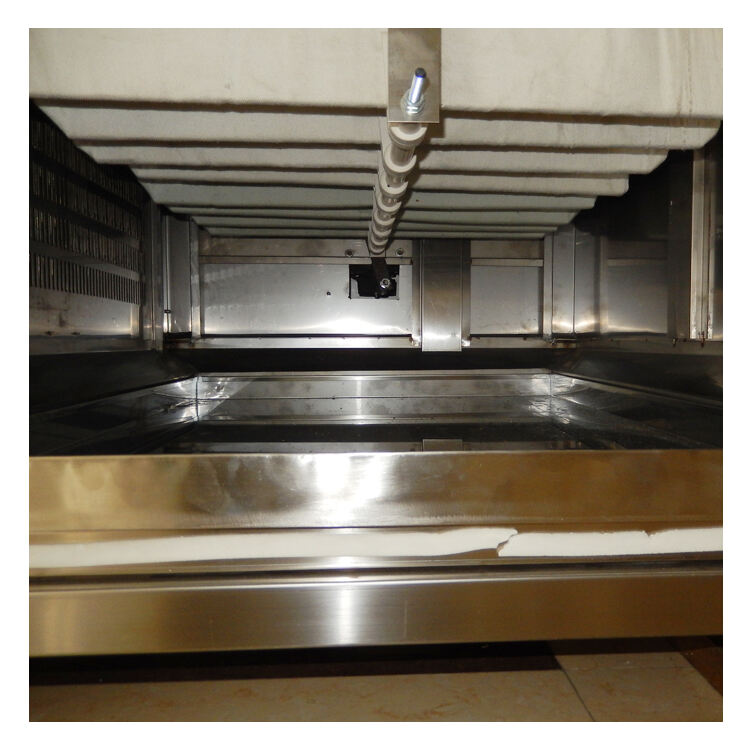
The cornerstone of any effective iso clean room lies in its sophisticated air filtration technology that continuously removes contaminants from the working environment. High-Efficiency Particulate Air filters and Ultra-Low Penetration Air filters form the backbone of this purification system, capturing microscopic particles that would otherwise compromise sensitive processes. These filtration systems operate continuously, processing the entire room volume multiple times per hour depending on the required ISO classification level. For an ISO Class 5 clean room, air changes occur between 240 to 480 times hourly, creating an environment where particle concentrations remain consistently minimal. The filtration technology works through multiple stages, beginning with pre-filters that capture larger particles, extending the lifespan of expensive final filters. Intermediate filters then remove medium-sized contaminants before air reaches the terminal HEPA or ULPA filters that eliminate particles down to 0.1 microns. This multi-stage approach maximizes efficiency while minimizing operational costs. The practical benefit for your operations means products never encounter dust, bacteria, or other airborne contaminants during critical manufacturing stages. Pharmaceutical companies using iso clean room filtration technology report significantly reduced batch rejection rates, translating to millions in saved materials and production time. Electronics manufacturers achieve higher chip yields because particles cannot settle on sensitive circuits during fabrication. The return on investment becomes evident quickly as product quality improvements offset installation costs. Modern filtration systems incorporate smart monitoring that alerts operators when filters approach capacity, enabling proactive maintenance that prevents system failures. Energy-efficient designs reduce power consumption compared to older clean room technologies, lowering operational expenses while maintaining superior performance. The filtration infrastructure adapts to different contamination challenges, with customizable configurations addressing specific industry requirements. Your maintenance teams benefit from modular filter designs that simplify replacement procedures, reducing downtime during service intervals. This technology provides peace of mind, knowing that your controlled environment maintains consistent standards regardless of external conditions or seasonal changes affecting outdoor air quality.
Precise Environmental Control Optimizing Production Conditions

Precise Environmental Control Optimizing Production Conditions

Beyond particle filtration, an iso clean room delivers comprehensive environmental control that optimizes every aspect of your production atmosphere. Temperature regulation maintains precise setpoints, typically within plus or minus 0.5 degrees, ensuring that temperature-sensitive processes remain stable throughout production cycles. Humidity control prevents moisture-related issues such as static electricity buildup that could damage electronic components or corrosion that affects metal parts during manufacturing. These systems maintain humidity levels between 30 and 50 percent in most applications, with capability for tighter tolerances when processes demand it. Pressure control creates positive pressure differentials that prevent contaminated air from entering the clean space when doors open or personnel move between zones. This pressurization strategy establishes a protective barrier, with air always flowing outward from the cleanest areas toward less controlled spaces. The practical advantages of this environmental precision extend throughout your operations. Manufacturing processes that depend on adhesives, coatings, or chemical reactions achieve consistent results because environmental variables remain constant. Your quality control teams spend less time investigating failures caused by environmental fluctuations. Product testing becomes more reliable as controlled conditions eliminate environmental factors that could skew results. Workers experience comfortable stable conditions that enhance focus and reduce fatigue, improving both productivity and safety. Seasonal weather changes outside your facility no longer impact indoor production conditions, enabling year-round consistent output. The environmental monitoring systems integrated into your iso clean room provide real-time data visualization, allowing supervisors to verify conditions meet specifications at any moment. Historical data logging supports quality management systems, providing documentation for audits and certification renewals. Automated alerts notify staff immediately if any parameter drifts outside acceptable ranges, enabling rapid corrective action before production is affected. Energy management features optimize heating, cooling, and humidity control equipment, reducing utility costs while maintaining performance standards. The environmental control systems integrate with building management platforms, enabling centralized oversight of multiple clean rooms or facilities from a single interface, streamlining operations for multi-site organizations.
Flexible Modular Design Adapting to Evolving Business Needs

Flexible Modular Design Adapting to Evolving Business Needs

Modern iso clean room construction emphasizes modular flexibility that allows your facility to evolve alongside your business requirements. Unlike traditional fixed construction, modular clean room systems feature prefabricated panels, ceiling grids, and support structures that can be reconfigured, expanded, or relocated as your needs change. This adaptability provides tremendous strategic advantages for growing companies or organizations facing uncertain future requirements. Initial installations can start small, matching your current production volume and budget constraints, then expand incrementally as demand increases or new product lines emerge. The modular approach significantly reduces construction timelines compared to conventional building methods, getting your clean room operational in weeks rather than months. Speed to market improves as you can launch new production capabilities quickly in response to opportunities. The financial benefits extend beyond faster implementation, as modular systems typically cost less than traditional construction while delivering equivalent or superior performance. Reconfiguration capabilities mean you avoid costly demolition and reconstruction when process changes require different room layouts or classification levels. Panels and components can be repositioned to create new workflow patterns, accommodate additional equipment, or adjust room sizes without major disruption to ongoing operations. Companies experiencing rapid growth particularly value this scalability, as production capacity can increase without relocating to larger facilities or enduring lengthy construction projects. The modular design philosophy extends to infrastructure systems, with utilities, filtration, and environmental control equipment designed for easy expansion. Additional HEPA filter modules integrate seamlessly when higher air change rates become necessary. Electrical and data systems accommodate new equipment without extensive rewiring. This future-proof architecture protects your investment as technology and regulations evolve. Installation flexibility allows modular clean rooms to fit within existing buildings, utilizing available floor space efficiently without requiring specialized architectural features. Ceiling height requirements remain modest compared to traditional clean room designs, expanding your facility location options. The construction process generates minimal disruption, allowing continued operations in adjacent areas while your clean room takes shape. Maintenance and upgrades become simpler with modular systems, as individual panels or components can be accessed and serviced without affecting the entire facility. Long-term ownership costs decrease as the adaptable infrastructure eliminates premature obsolescence, extending useful life well beyond conventional construction approaches.

Get a Free Quote

Our representative will contact you soon.
Email
Name
Company Name
Attachment
Please upload at least an attachment
Up to 3 files,more 30mb,suppor jpg、jpeg、png、pdf、doc、docx、xls、xlsx、csv、txt
Message
0/1000

Get a Free Quote

Our representative will contact you soon.
Email
Name
Company Name
Attachment
Please upload at least an attachment
Up to 3 files,more 30mb,suppor jpg、jpeg、png、pdf、doc、docx、xls、xlsx、csv、txt
Message
0/1000