Comprehensive Environmental Control and Monitoring
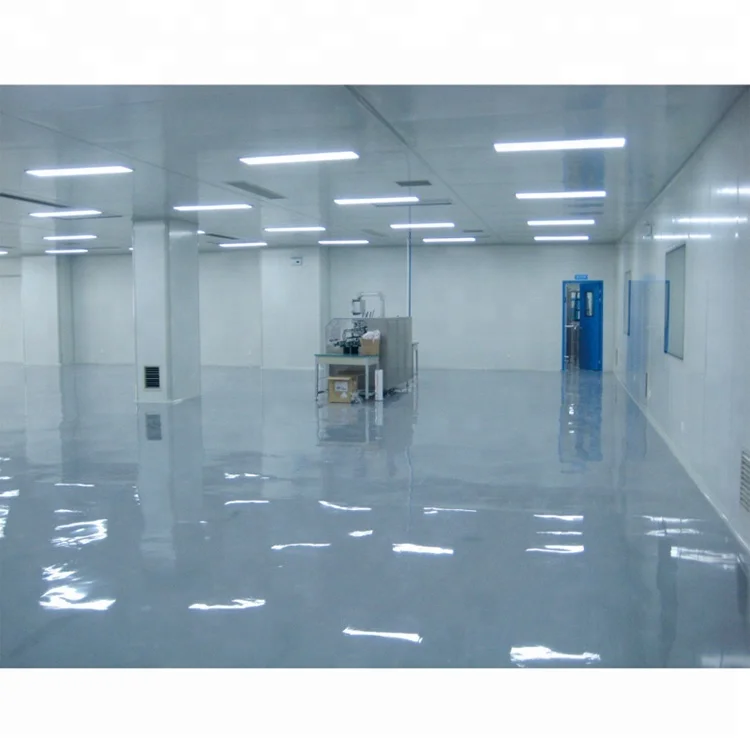
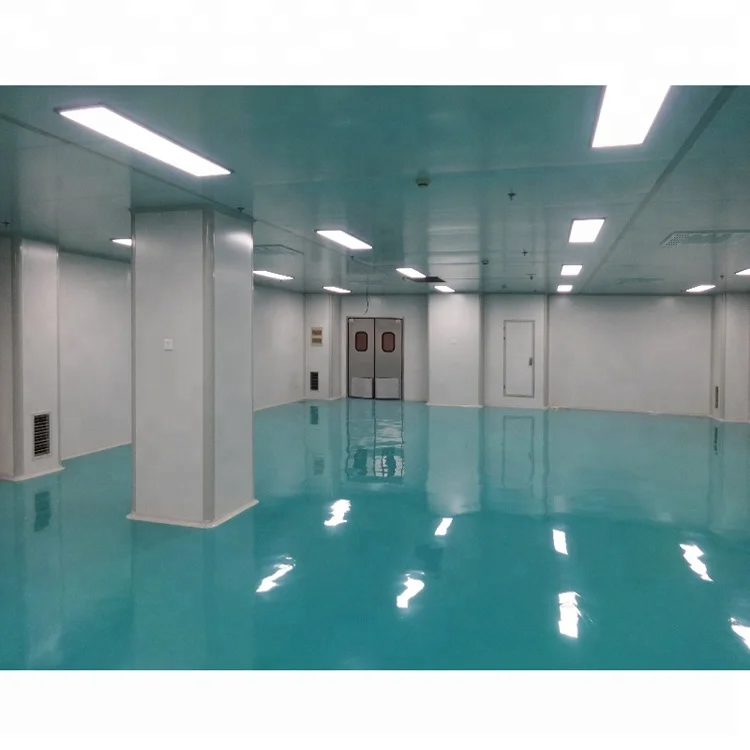
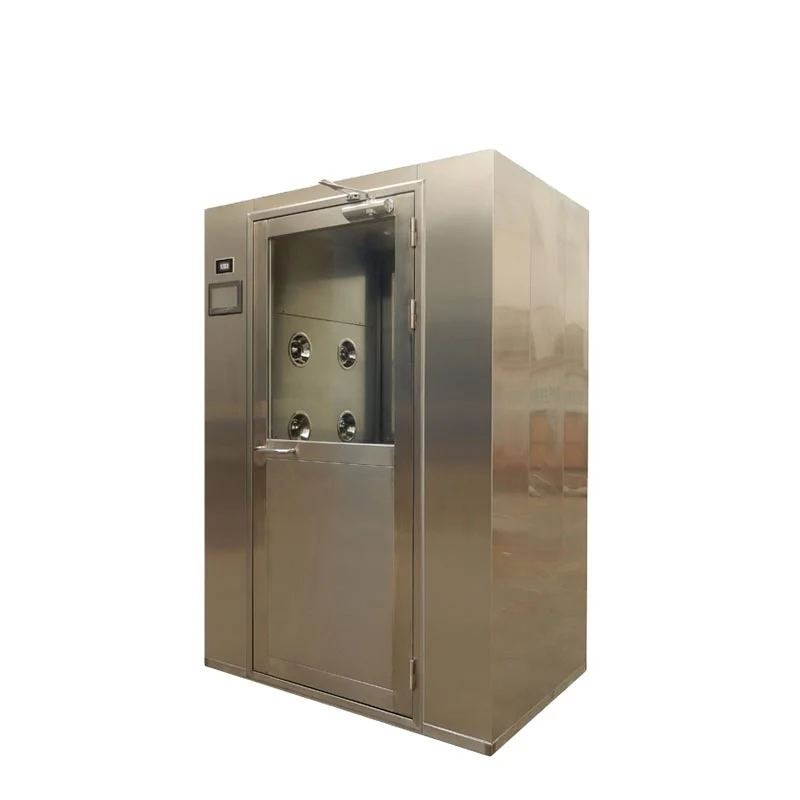
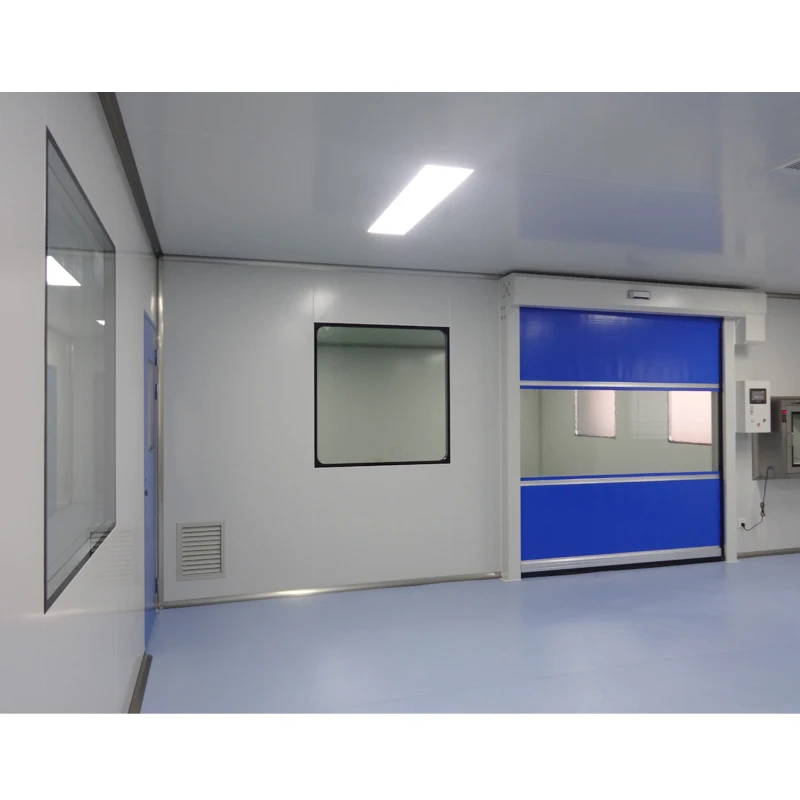
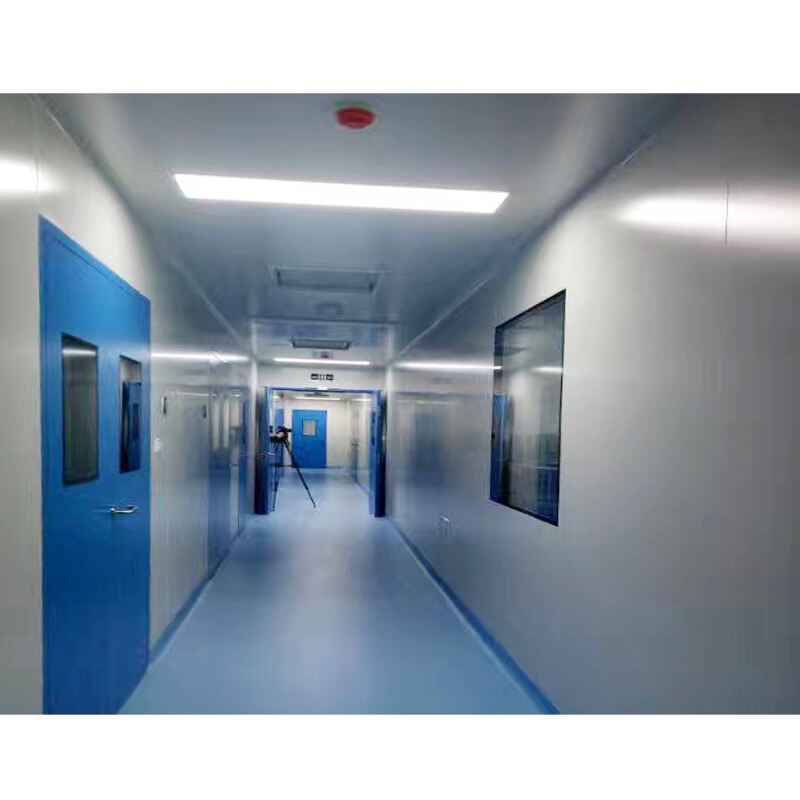
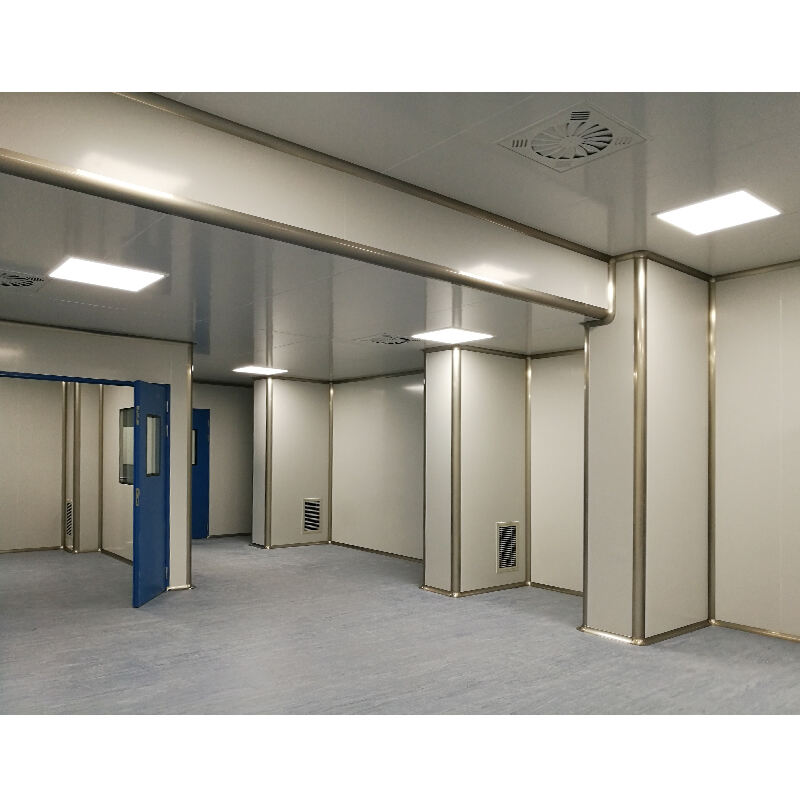
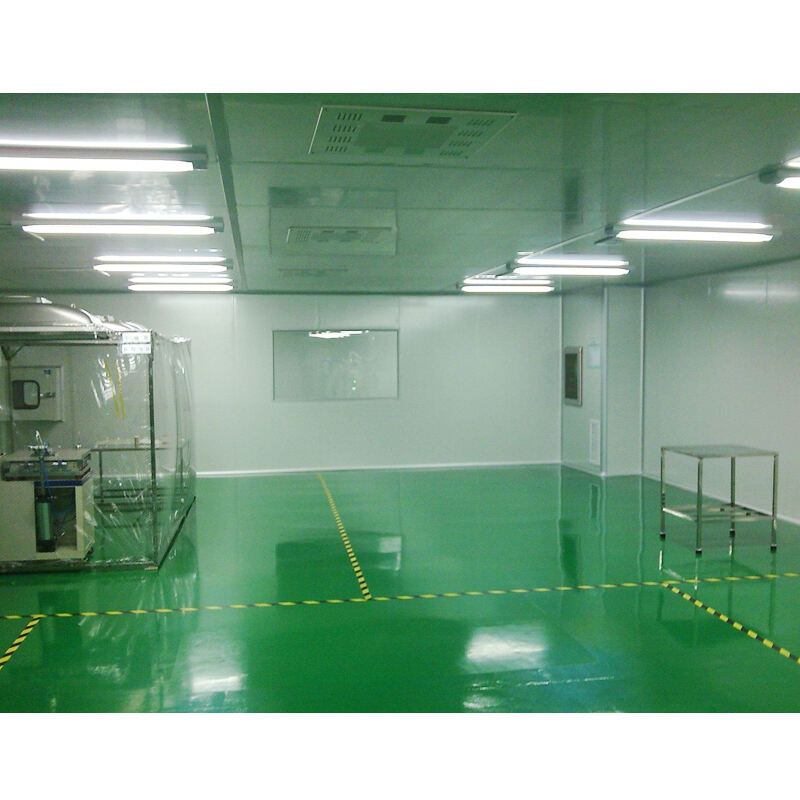
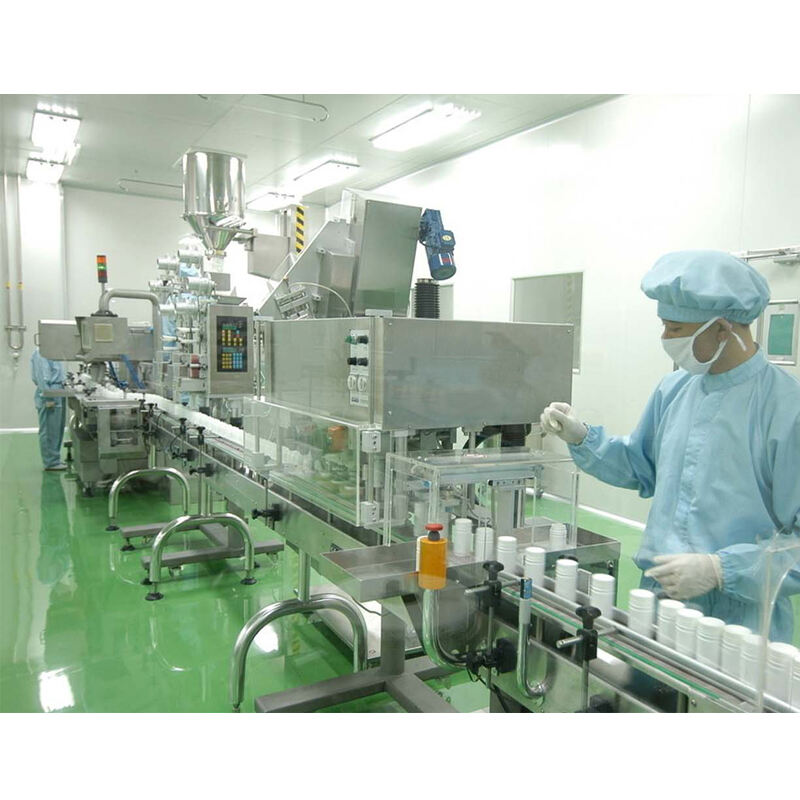
Sophisticated environmental control systems form the operational backbone of modern clean room construction, maintaining precise conditions that ensure product quality, process consistency, and regulatory compliance across diverse applications. These integrated systems manage multiple environmental parameters simultaneously, including temperature, humidity, air pressure, particle concentration, and in some cases, lighting intensity and electromagnetic interference. The HVAC infrastructure in clean room construction represents a substantial portion of the overall investment, incorporating variable air volume systems, heat recovery units, and redundant components that ensure continuous operation even during equipment maintenance or failures. Temperature control within clean room construction typically maintains setpoints within plus or minus 0.5 degrees Celsius, preventing thermal expansion issues in precision manufacturing and ensuring optimal conditions for chemical reactions, biological processes, and material stability. Humidity regulation proves equally critical, with clean room construction systems capable of maintaining relative humidity within plus or minus 2 percent of target values, preventing static electricity buildup, material degradation, and microbial growth. The control systems employ sophisticated algorithms that anticipate load changes based on occupancy patterns, equipment operation schedules, and external weather conditions, making proactive adjustments that maintain stable conditions while optimizing energy consumption. Clean room construction incorporates multiple sensors throughout the facility, creating a comprehensive monitoring network that provides real-time visibility into environmental conditions at numerous locations simultaneously. This distributed sensing approach identifies localized issues before they impact larger areas, enabling targeted interventions that minimize disruption and cost. Data logging capabilities built into modern clean room construction control systems create detailed historical records that support regulatory compliance, process validation, and continuous improvement initiatives. Automated alarm systems notify facility managers immediately when parameters exceed acceptable ranges, with escalation protocols ensuring appropriate response even during off-hours. The environmental control systems in clean room construction also manage air quality beyond particle filtration, incorporating chemical filtration for molecular contamination control in semiconductor and pharmaceutical applications where gaseous contaminants can compromise product quality. Vibration isolation systems integrated into clean room construction protect sensitive equipment and processes from external disturbances, while acoustic treatments maintain comfortable noise levels for workers despite the continuous operation of high-volume air handling equipment. The comprehensive nature of these control systems transforms clean room construction from simple enclosed spaces into intelligent environments that actively support manufacturing excellence and scientific discovery.

 EN
EN