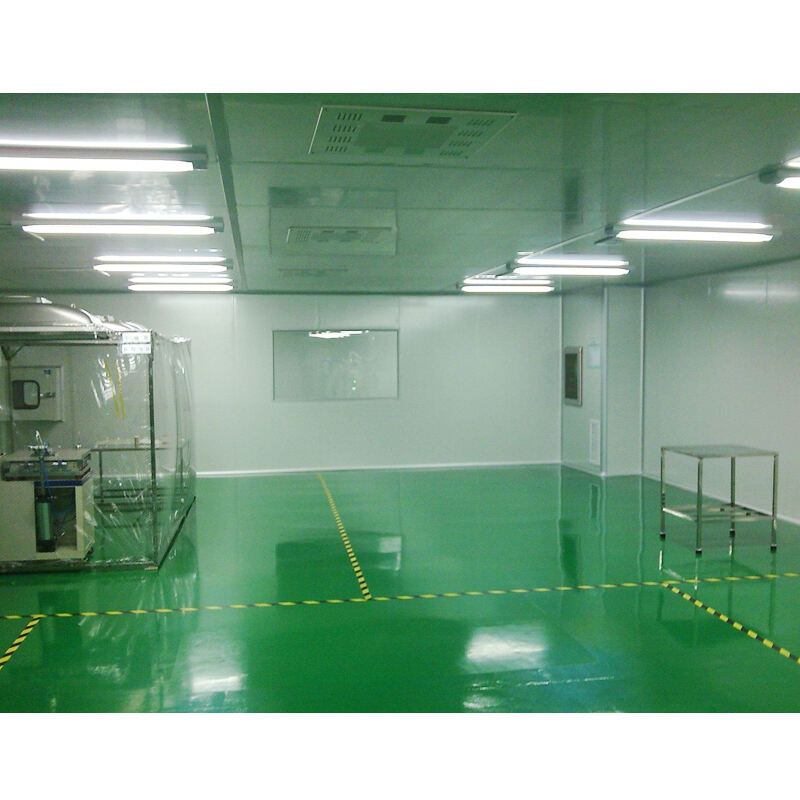
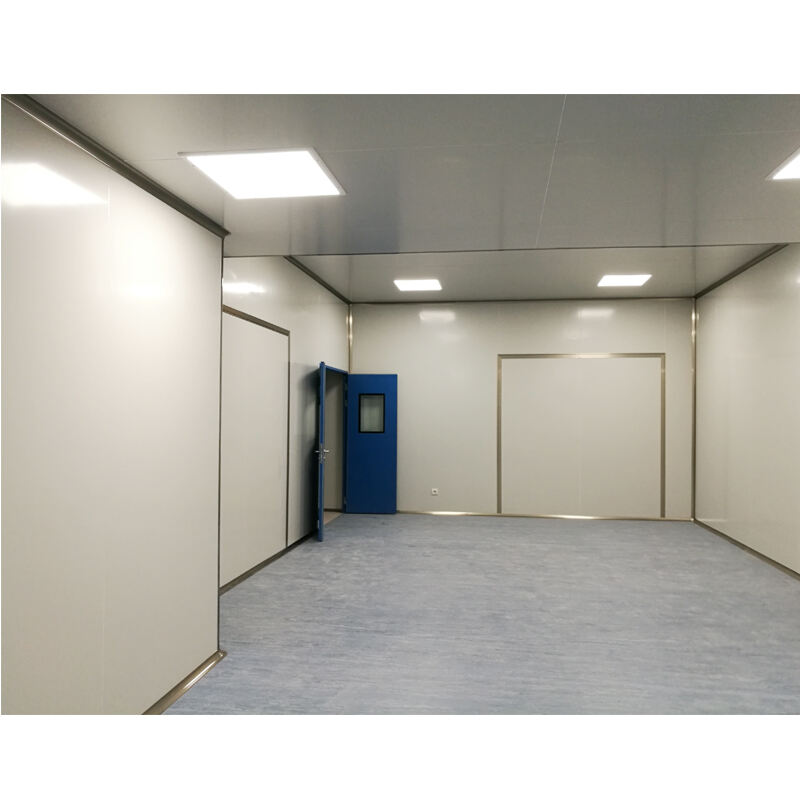
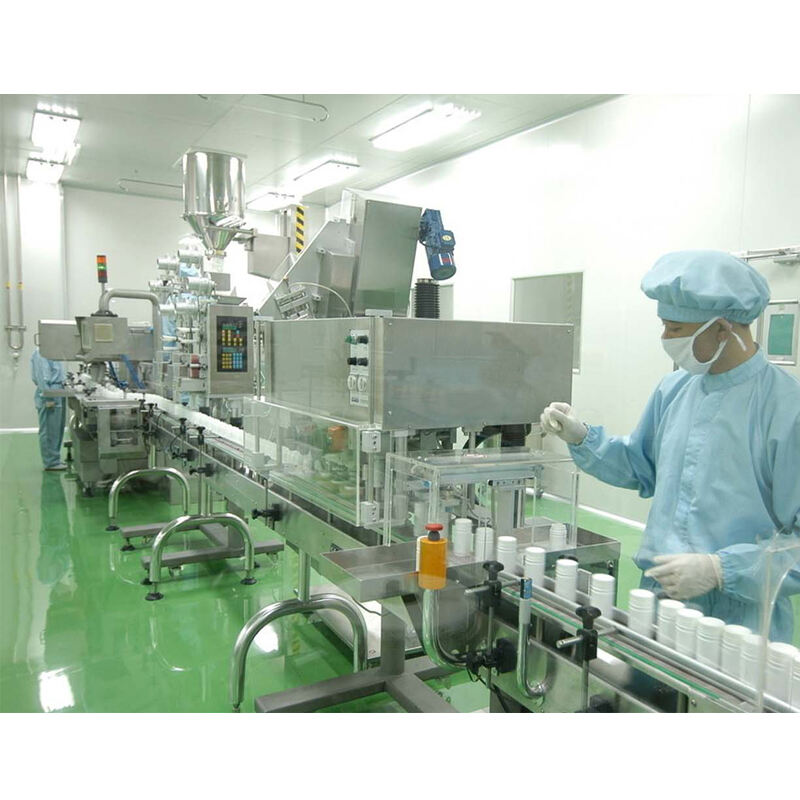
Clean Room Ventilation System: Advanced Air Filtration Solutions for Controlled Environments

All Categories

Get a Free Quote

Our representative will contact you soon.
Email
Name
Company Name
Attachment
Please upload at least an attachment
Up to 3 files,more 30mb,suppor jpg、jpeg、png、pdf、doc、docx、xls、xlsx、csv、txt
Message
0/1000

Get a Free Quote

Our representative will contact you soon.
Email
Name
Company Name
Attachment
Please upload at least an attachment
Up to 3 files,more 30mb,suppor jpg、jpeg、png、pdf、doc、docx、xls、xlsx、csv、txt
Message
0/1000

clean room ventilation system

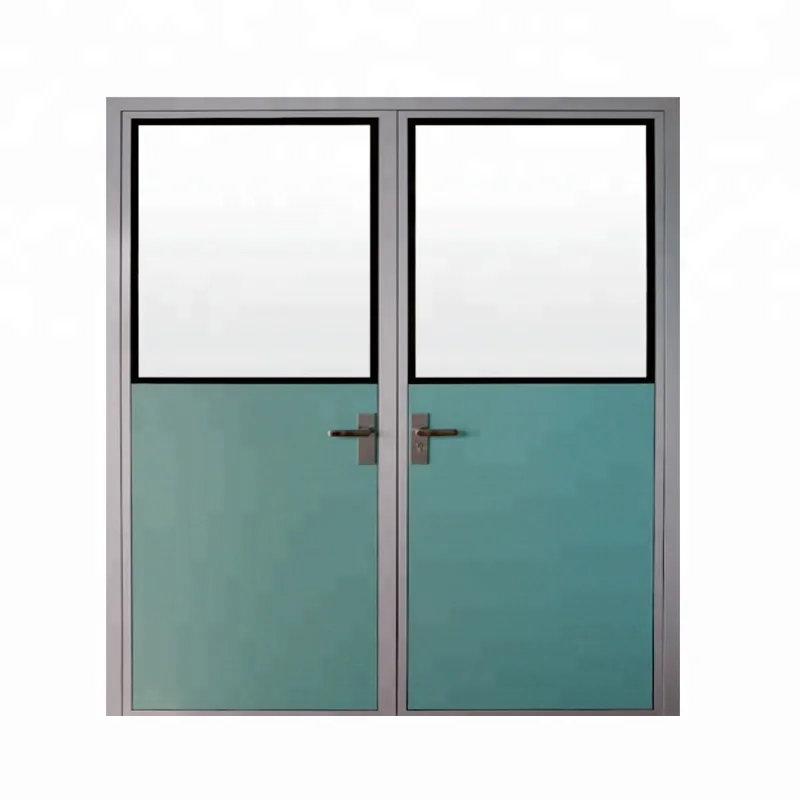
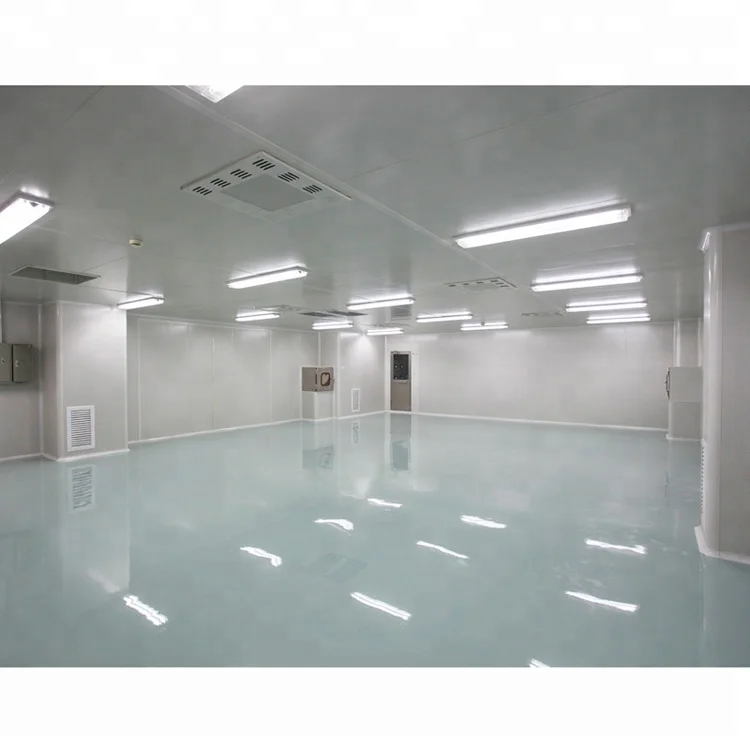
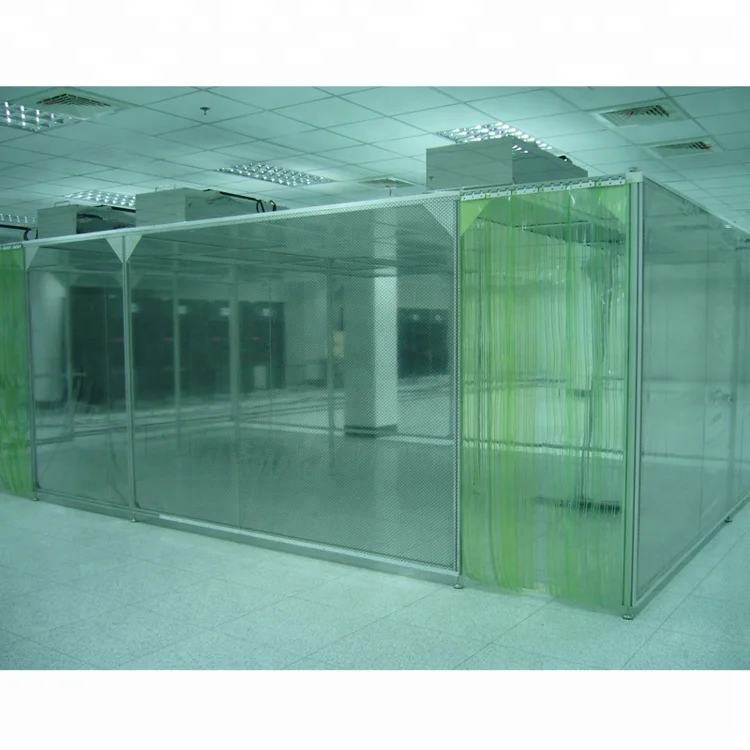
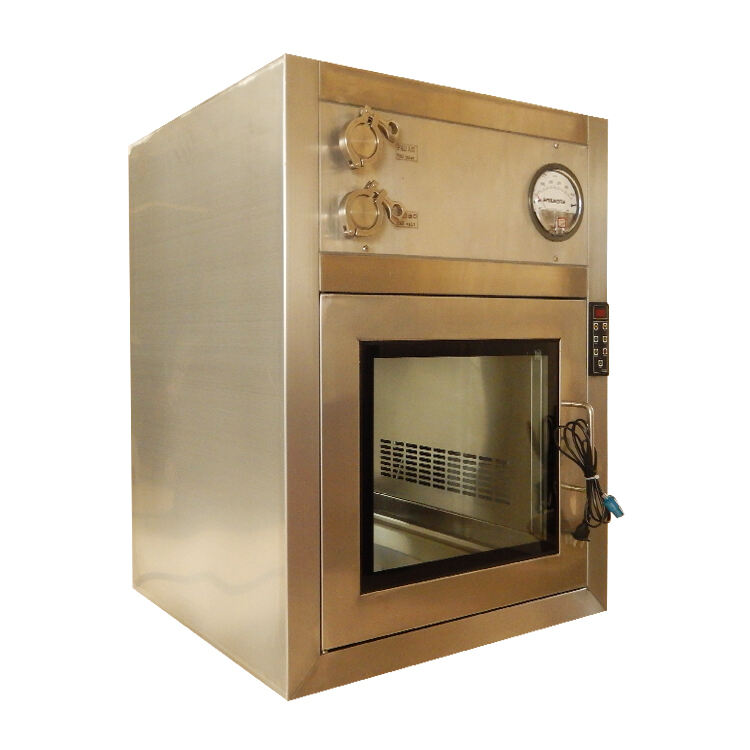
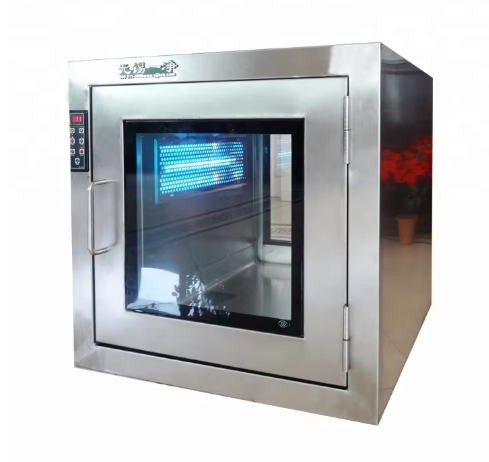
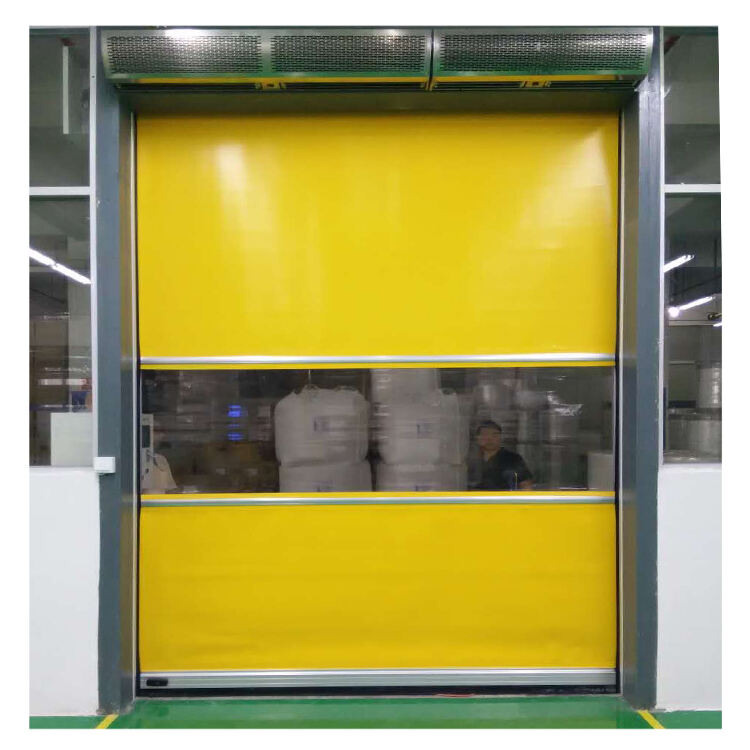
A clean room ventilation system represents a sophisticated air management solution designed to maintain exceptionally high standards of air quality within controlled environments. This specialized infrastructure serves as the backbone for facilities requiring sterile or particle-free conditions, delivering filtered air while simultaneously removing contaminants, controlling temperature, and regulating humidity levels. The primary function of a clean room ventilation system centers on creating and sustaining an environment where airborne particles, microorganisms, and chemical vapors are kept within strictly defined limits. These systems achieve this through multiple stages of air filtration, precise airflow patterns, and continuous monitoring capabilities. The technological architecture incorporates high-efficiency particulate air filters, known as HEPA filters, and in some cases ultra-low particulate air filters for even more demanding applications. The system operates by drawing in external air, processing it through pre-filters to remove larger particles, then passing it through increasingly fine filtration stages. Once purified, the air enters the controlled space through ceiling-mounted diffusers or fan filter units, creating a unidirectional or turbulent airflow pattern depending on the cleanliness classification required. The system maintains positive pressure differentials between different zones, preventing contaminated air from entering critical areas. Advanced control systems continuously measure particle counts, temperature, humidity, and pressure differentials, making real-time adjustments to maintain optimal conditions. Applications span numerous industries including pharmaceutical manufacturing, semiconductor production, biotechnology research, medical device assembly, aerospace component fabrication, and food processing facilities. In healthcare settings, these systems protect patients during surgical procedures and support sterile compounding of medications. The system's design must account for the specific requirements of each application, considering factors such as the size of particles to be controlled, the number of air changes per hour needed, and the classification standards that must be met according to international guidelines such as ISO 14644 or Federal Standard 209E.


New Products

Investing in a clean room ventilation system delivers substantial practical benefits that directly impact operational efficiency and product quality. First and foremost, these systems dramatically reduce product contamination rates, which translates to fewer manufacturing defects and less wasted material. When your production environment maintains consistent air purity, you experience higher yield rates and lower rejection costs. This improvement in product quality strengthens your reputation with customers and reduces the financial burden of recalls or rework. The system provides precise environmental control that keeps temperature and humidity within tight tolerances, ensuring that sensitive processes perform consistently. This stability means your staff can work with confidence knowing that environmental variables will not compromise their efforts. Energy efficiency represents another significant advantage, as modern clean room ventilation systems incorporate smart controls that optimize fan speeds and filtration cycles based on actual occupancy and contamination levels rather than running at maximum capacity continuously. This intelligent operation reduces electricity consumption and lowers utility bills substantially over time. The system also protects your workforce by removing harmful particles, chemical fumes, and biological contaminants from breathing air, creating a healthier workplace that reduces sick days and improves employee satisfaction. Regulatory compliance becomes straightforward when you have a properly functioning clean room ventilation system, as the automated monitoring and documentation features generate the records required by quality auditors and regulatory inspectors. This capability saves countless hours of manual record-keeping and provides peace of mind during inspections. The modular design of contemporary systems allows for scalability, meaning you can expand your clean room capacity as your business grows without completely redesigning your air handling infrastructure. Maintenance requirements have become more manageable with predictive diagnostics that alert you to filter replacement needs or component wear before failures occur, minimizing unexpected downtime. The system operates quietly, creating a more comfortable working environment that enables better concentration and communication among team members. Real-time monitoring dashboards give facility managers complete visibility into system performance from any location, allowing rapid response to any deviations from normal parameters. The investment also increases property value, as facilities equipped with professional-grade clean room ventilation systems attract premium tenants or buyers in industries requiring controlled environments. Long-term operational costs remain predictable because quality systems use durable components designed for extended service life, and the availability of replacement parts ensures that your system remains functional for decades with proper maintenance.

Practical Tips

What Materials Are Recommended for Pass Box Construction?

05

Nov

What Materials Are Recommended for Pass Box Construction?

Essential Materials for Modern Pass Box Manufacturing Pass boxes serve as critical components in cleanroom environments, pharmaceutical facilities, and laboratories, facilitating the secure transfer of materials between spaces while maintaining contr...
View More
What Is the Difference Between Static and Dynamic Pass Boxes

05

Nov

What Is the Difference Between Static and Dynamic Pass Boxes

Understanding Clean Room Transfer Systems: Static vs Dynamic Solutions In the world of cleanroom technology and contamination control, pass boxes play a crucial role in maintaining environmental integrity while enabling material transfer. Static and ...
View More
What Industries Require High-Performance Clean Benches

02

Dec

What Industries Require High-Performance Clean Benches

Modern manufacturing and research facilities across numerous industries depend on contamination-free environments to ensure product quality, safety, and compliance with stringent regulations. Clean benches have become essential equipment in these con...
View More
Clean Room Applications Across Electronics, Medical, and Precision Manufacturing

30

Jan

Clean Room Applications Across Electronics, Medical, and Precision Manufacturing

Modern manufacturing and healthcare facilities rely heavily on controlled environments to ensure product quality, safety, and regulatory compliance. A clean room represents a specialized environment where airborne particles, contaminants, and environ...
View More

Get a Free Quote

Our representative will contact you soon.
Email
Name
Company Name
Attachment
Please upload at least an attachment
Up to 3 files,more 30mb,suppor jpg、jpeg、png、pdf、doc、docx、xls、xlsx、csv、txt
Message
0/1000

clean room ventilation system

Superior Contamination Control Through Multi-Stage Filtration Technology

Superior Contamination Control Through Multi-Stage Filtration Technology

The cornerstone advantage of a clean room ventilation system lies in its exceptional ability to eliminate contaminants through sophisticated multi-stage filtration technology. This approach ensures that air entering your controlled environment has been stripped of virtually all particles, microorganisms, and chemical contaminants that could compromise your processes or products. The system begins with pre-filtration stages that capture larger particles such as dust, pollen, and textile fibers, extending the life of downstream filters and improving overall efficiency. As air progresses through the system, it encounters increasingly fine filtration media, with HEPA filters capturing 99.97 percent of particles as small as 0.3 microns in diameter. For applications demanding even higher purity, ULPA filters can trap particles down to 0.12 microns with 99.999 percent efficiency. This multi-layered approach creates redundancy that ensures consistent performance even as filters gradually load with captured particles. The filtration system works in harmony with carefully engineered airflow patterns that sweep contaminants away from critical work areas and toward return air grilles. In unidirectional flow clean rooms, air moves in parallel streams from ceiling to floor, creating a piston-like effect that continuously displaces contaminated air with fresh filtered air. This design prevents turbulent mixing that could redistribute settled particles back into the breathing zone or onto product surfaces. The system maintains this protective environment continuously, performing dozens of complete air changes per hour depending on the cleanliness classification required. Differential pressure monitoring ensures that air always flows from cleaner areas to less clean areas, preventing backflow contamination. Automated particle counters sample the air continuously, providing real-time verification that contamination levels remain within specification. When particle counts begin to rise, the system can automatically increase airflow or alert maintenance personnel to investigate potential sources of contamination. This proactive approach prevents small problems from escalating into quality issues that could affect entire production batches. The filtration technology also protects your expensive equipment from dust accumulation that can cause premature wear or malfunction, extending asset life and reducing maintenance costs across your facility.
Intelligent Climate Control for Consistent Process Performance

Intelligent Climate Control for Consistent Process Performance

A clean room ventilation system delivers precise climate control capabilities that maintain temperature and humidity within narrow ranges critical for consistent process performance and product quality. Unlike standard HVAC systems that allow several degrees of temperature variation, these specialized systems hold temperature steady within plus or minus one degree Fahrenheit or even tighter tolerances when required. This precision matters tremendously for processes involving chemical reactions, material bonding, electronic component assembly, or biological cultures where temperature fluctuations can alter reaction rates, cure times, or growth patterns. The system achieves this stability through sophisticated sensors that monitor conditions throughout the clean room space, feeding data to controllers that make continuous micro-adjustments to heating, cooling, and airflow. Humidity control receives equal attention, as moisture levels significantly impact static electricity generation, material properties, and microbial growth. The system can maintain relative humidity within a narrow band, preventing the dessication that causes materials to become brittle or the excess moisture that promotes corrosion and microbial proliferation. Dehumidification occurs through chilled water coils that condense moisture from the air stream, while steam humidifiers add precisely measured amounts of water vapor when conditions become too dry. This dual capability ensures appropriate moisture levels regardless of seasonal changes in outdoor air conditions or variations in internal moisture generation from processes and personnel. The climate control function also manages air velocity at work surfaces, ensuring sufficient flow to remove heat and contaminants without creating uncomfortable drafts or disturbing lightweight materials. In pharmaceutical compounding areas, the proper air velocity protects sterile preparations from contamination while allowing technicians to work comfortably. The system responds dynamically to changing heat loads as equipment cycles on and off or as occupancy varies throughout the day, maintaining stable conditions without manual intervention. This automated adaptation eliminates the productivity losses associated with waiting for environmental conditions to stabilize after disturbances. Energy recovery features capture heat or cooling from exhaust air and transfer it to incoming fresh air, dramatically reducing the energy required to condition ventilation air. This heat recovery becomes particularly valuable in facilities requiring high volumes of outside air for process needs or to meet air change requirements, potentially reducing annual energy costs by 30 to 50 percent compared to systems without recovery.
Comprehensive Monitoring and Compliance Documentation Systems

Comprehensive Monitoring and Compliance Documentation Systems

Modern clean room ventilation systems incorporate comprehensive monitoring and documentation capabilities that simplify regulatory compliance while providing operational intelligence for continuous improvement. These integrated systems track dozens of parameters simultaneously, including particle counts at multiple size ranges, temperature at various locations, humidity levels, differential pressures between zones, airflow velocities, and filter pressure drops. This wealth of data flows into building management systems that display real-time conditions on intuitive dashboards accessible from desktop computers, tablets, or smartphones. Facility managers can instantly assess whether all parameters remain within specification or identify deviations requiring attention. The system automatically logs all measurements with timestamps, creating an electronic record that satisfies documentation requirements imposed by regulatory agencies such as the FDA, EMA, or local health departments. During inspections, auditors can review months or years of environmental data within minutes, verifying that the facility consistently maintained appropriate conditions. This electronic documentation eliminates filing cabinets full of paper charts and the labor required to manually record and organize readings. Automated alarm systems notify designated personnel immediately when measurements drift outside acceptable ranges, enabling rapid response before conditions deteriorate enough to impact product quality or compromise batches in process. These alerts can be delivered via email, text message, or phone calls, ensuring that critical notifications reach responsible parties even outside normal business hours. The monitoring system also tracks filter service life based on actual pressure drop measurements rather than arbitrary time intervals, optimizing replacement schedules to balance filtration efficiency against energy consumption. Predictive maintenance algorithms analyze trends in equipment performance data, identifying gradual degradation that indicates impending component failure. This foresight allows maintenance teams to schedule repairs during planned downtime rather than responding to emergency breakdowns that halt production. The system generates customizable reports that summarize environmental conditions over any time period, highlighting trends and supporting management decisions about process improvements or capacity expansions. Data analytics tools can correlate environmental conditions with production outcomes, revealing relationships between temperature variations and yield rates or identifying contamination sources that affect specific work areas. This intelligence transforms environmental monitoring from a compliance burden into a strategic asset that drives operational excellence and competitive advantage in quality-sensitive industries.

Get a Free Quote

Our representative will contact you soon.
Email
Name
Company Name
Attachment
Please upload at least an attachment
Up to 3 files,more 30mb,suppor jpg、jpeg、png、pdf、doc、docx、xls、xlsx、csv、txt
Message
0/1000

Get a Free Quote

Our representative will contact you soon.
Email
Name
Company Name
Attachment
Please upload at least an attachment
Up to 3 files,more 30mb,suppor jpg、jpeg、png、pdf、doc、docx、xls、xlsx、csv、txt
Message
0/1000