filter
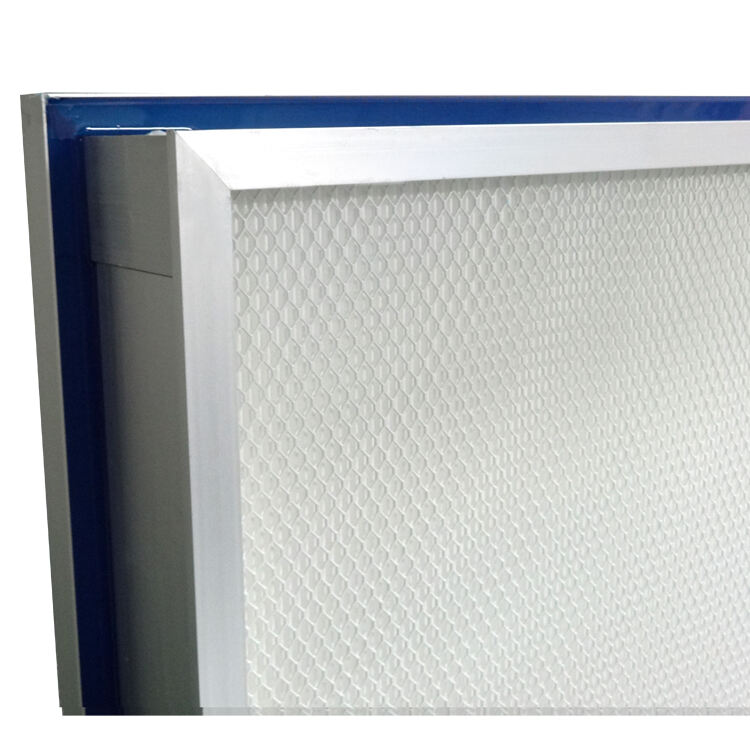
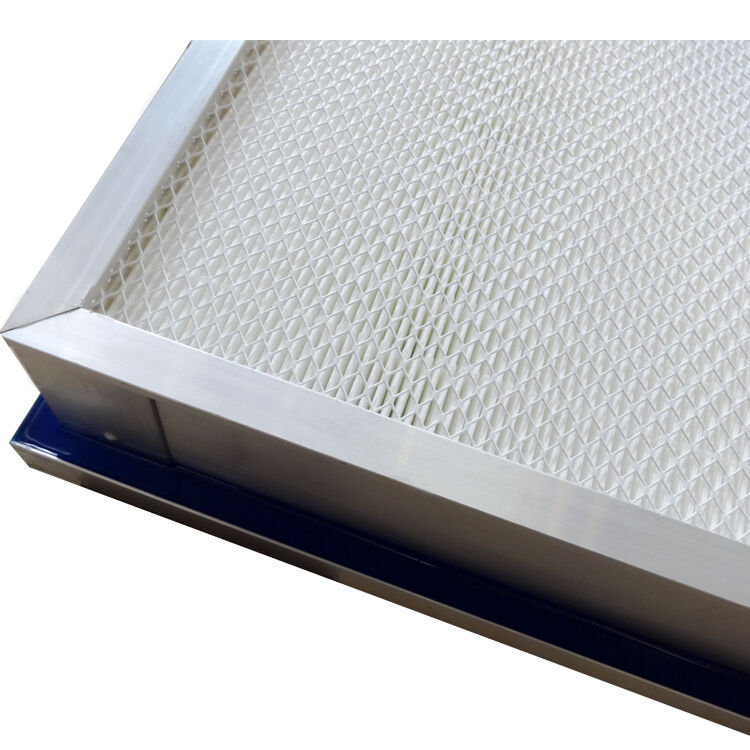
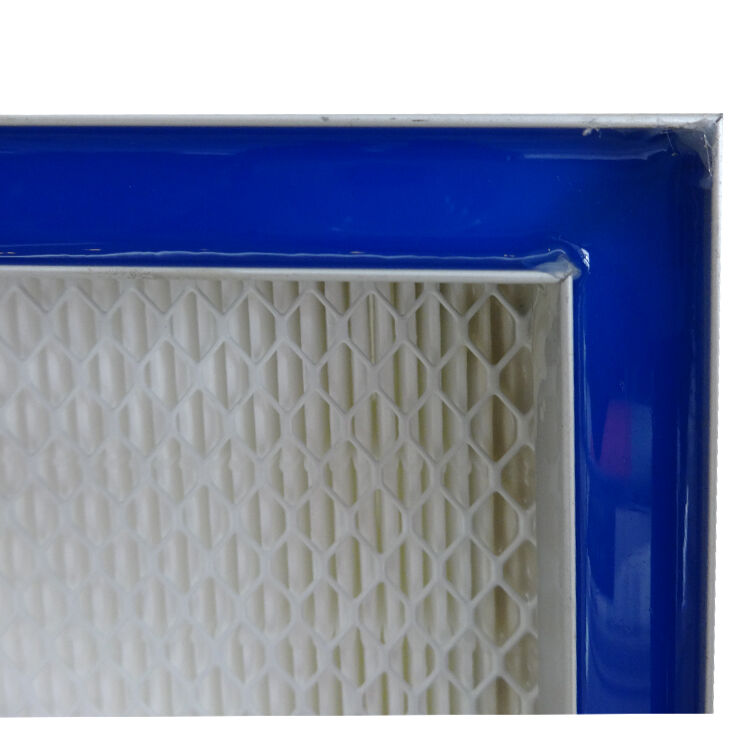
A filter represents an essential component in modern fluid and air management systems, designed to remove unwanted particles, contaminants, and impurities from various media flowing through industrial, commercial, and residential applications. This sophisticated device operates through multiple filtration mechanisms that trap debris, sediment, bacteria, chemicals, and other harmful substances while allowing clean media to pass through unobstructed. Contemporary filters incorporate advanced materials such as pleated synthetic fabrics, activated carbon layers, ceramic membranes, and specialized coatings that enhance their purification capabilities across diverse operational environments. The primary functions of a filter include particle removal, flow regulation, pressure maintenance, and media quality enhancement, making them indispensable in hydraulic systems, pneumatic circuits, water treatment facilities, HVAC installations, automotive engines, and countless other applications. Technological features of modern filters encompass multi-stage filtration processes, high dirt-holding capacity, optimized flow dynamics, corrosion-resistant housings, and intelligent monitoring capabilities that alert users when maintenance becomes necessary. These devices achieve micron-level filtration precision, removing particles as small as 0.3 microns in some specialized applications, ensuring superior protection for sensitive downstream equipment and maintaining optimal system performance. Filters find applications across manufacturing plants where they protect machinery from abrasive particles, in pharmaceutical facilities where they ensure sterile production environments, in food processing operations where they maintain product purity, and in residential settings where they improve air and water quality for health and comfort. The versatility of filter technology allows customization for specific requirements, including temperature extremes, chemical compatibility, flow rate demands, and space constraints. Modern filters also emphasize sustainability through washable and reusable designs, extended service intervals, and recyclable materials that reduce environmental impact while delivering reliable performance throughout their operational lifespan.

 EN
EN