Comprehensive Regulatory Compliance and Quality Assurance Integration
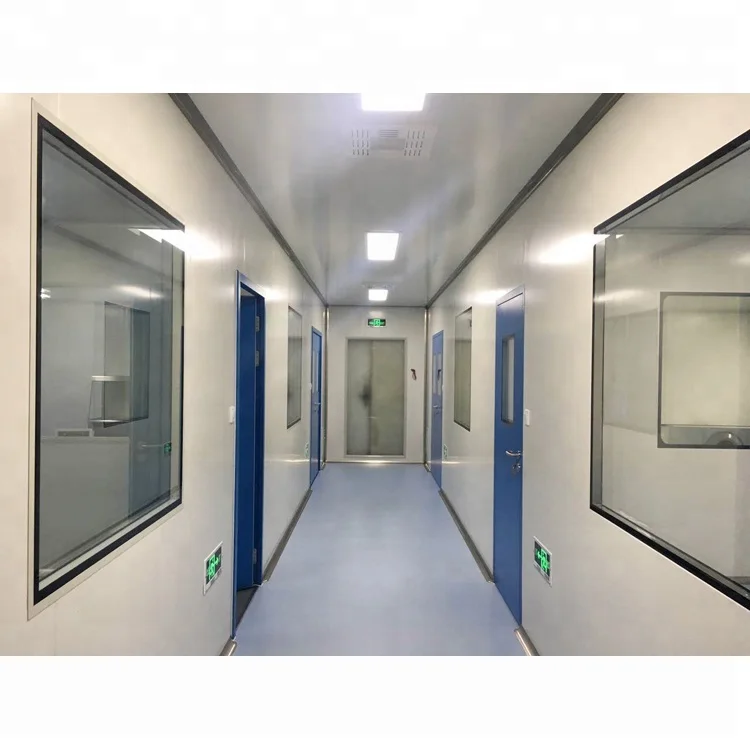
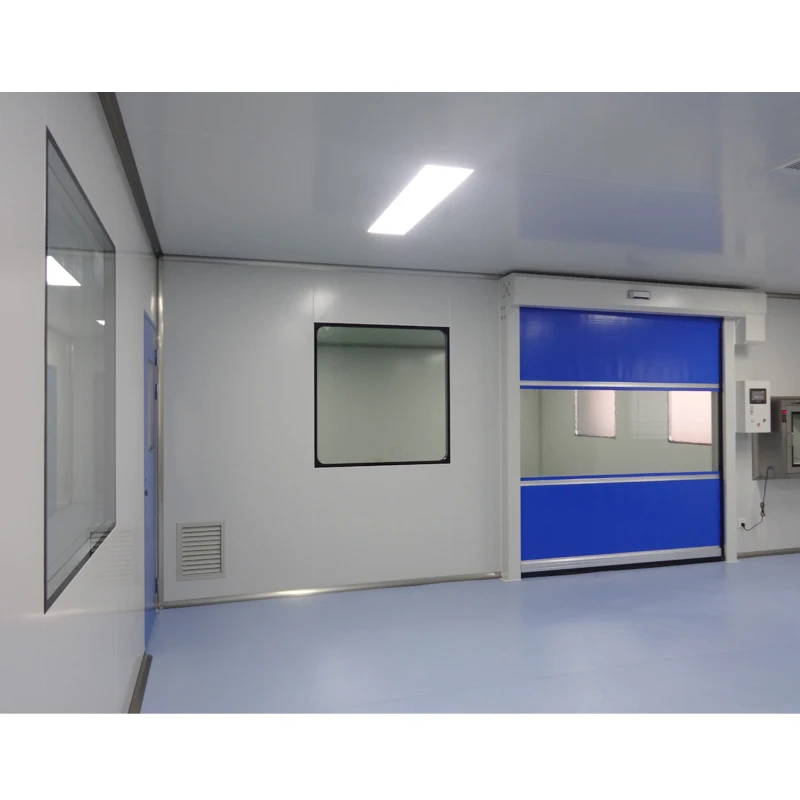
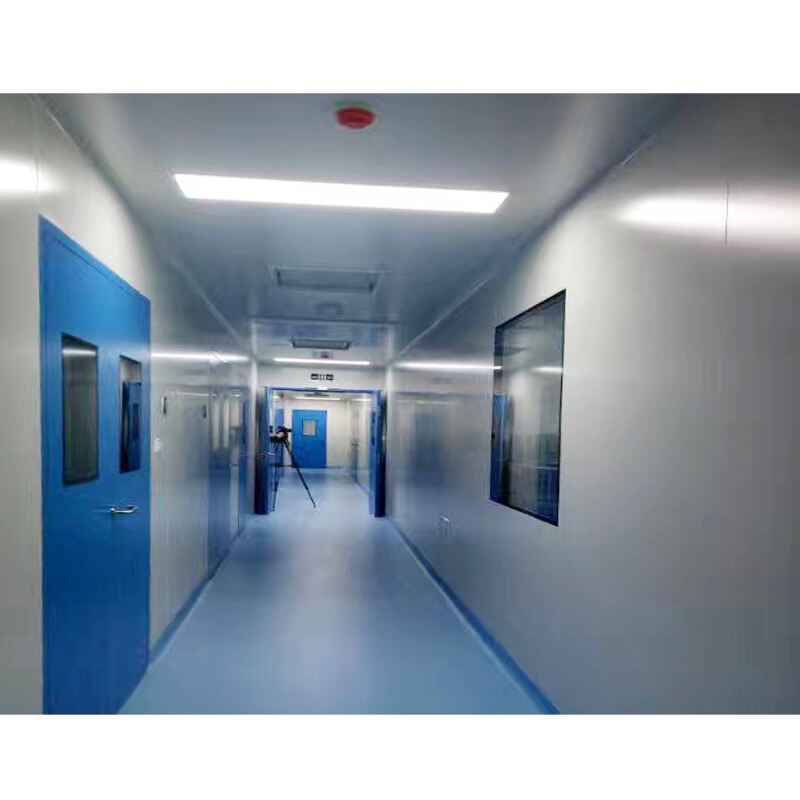
Clean rooms provide inherent regulatory compliance advantages that streamline validation processes, simplify audit preparations, and ensure consistent adherence to stringent quality standards mandated by governing authorities across pharmaceutical, medical device, biotechnology, and other heavily regulated industries. The controlled environment documentation generated automatically through integrated monitoring systems creates comprehensive records demonstrating environmental conditions remained within validated parameters throughout production runs, satisfying regulatory requirements for batch release and providing defensible evidence during inspections. Pharmaceutical manufacturers operating under FDA Current Good Manufacturing Practice regulations find clean rooms essential for demonstrating sterility assurance, contamination control, and process consistency required for drug approval and continued marketing authorization. The physical infrastructure of properly designed clean rooms embodies quality by design principles, with environmental controls, material selections, and operational procedures engineered to prevent contamination rather than merely detecting it after occurrence. This proactive approach aligns perfectly with modern regulatory philosophies emphasizing prevention over inspection, positioning your organization as a quality leader rather than a compliance follower. Validation protocols for clean rooms follow established methodologies including installation qualification verifying equipment installation correctness, operational qualification confirming systems perform within specified parameters, and performance qualification demonstrating consistent performance under actual operating conditions. These structured validation frameworks provide roadmaps for bringing new facilities online efficiently while creating documentation packages that satisfy regulatory expectations and internal quality standards simultaneously. Ongoing environmental monitoring programs required for clean rooms generate trend data revealing performance patterns, potential degradation, and maintenance needs before problems impact product quality, enabling predictive rather than reactive quality management. The controlled conditions within clean rooms reduce process variability, making statistical process control more effective and capability studies more meaningful, as environmental factors no longer confound analysis of true process performance. This enhanced process understanding supports continuous improvement initiatives and troubleshooting efforts, accelerating root cause analysis when investigating deviations or unexpected results. International regulatory harmonization through ICH guidelines and ISO standards means clean rooms designed to recognized specifications facilitate global market access, as the same facility can satisfy requirements across multiple jurisdictions without expensive modifications or separate validation studies for each market. Risk management frameworks mandated by regulations integrate naturally with cleanroom operations, as the comprehensive environmental control and monitoring systems provide visibility into potential failure modes and effectiveness of mitigation strategies, demonstrating due diligence and proactive quality culture to regulators and customers alike while reducing actual risks of contamination events, product recalls, and regulatory enforcement actions that damage reputation and financial performance.

 EN
EN