Modular Clean Room Design: Fast Installation, Cost-Effective Solutions for Controlled Environments

All Categories

Get a Free Quote

Our representative will contact you soon.
Email
Name
Company Name
Attachment
Please upload at least an attachment
Up to 3 files,more 30mb,suppor jpg、jpeg、png、pdf、doc、docx、xls、xlsx、csv、txt
Message
0/1000

Get a Free Quote

Our representative will contact you soon.
Email
Name
Company Name
Attachment
Please upload at least an attachment
Up to 3 files,more 30mb,suppor jpg、jpeg、png、pdf、doc、docx、xls、xlsx、csv、txt
Message
0/1000

modular clean room design

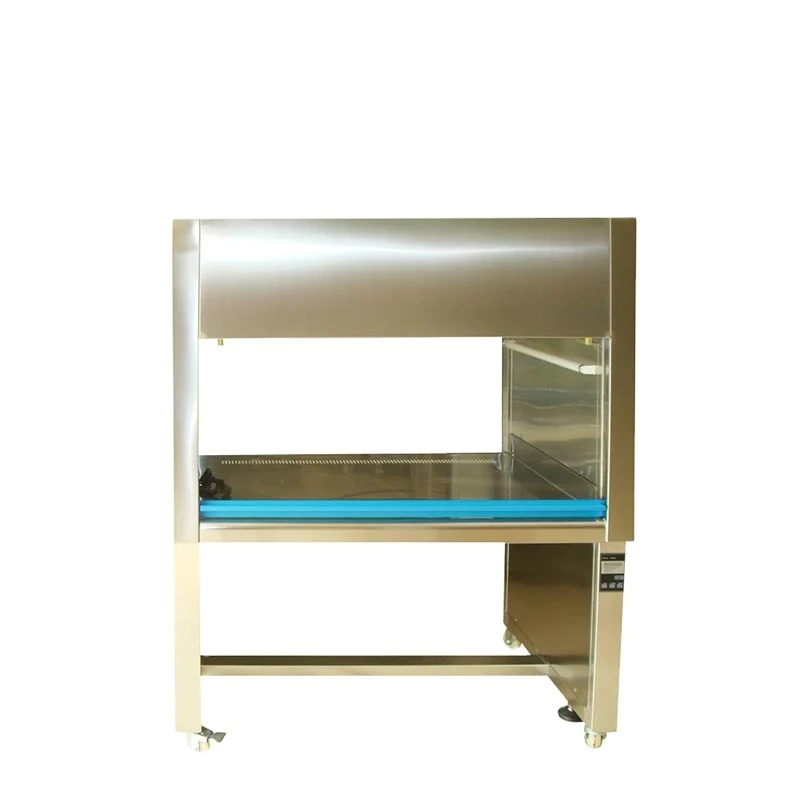
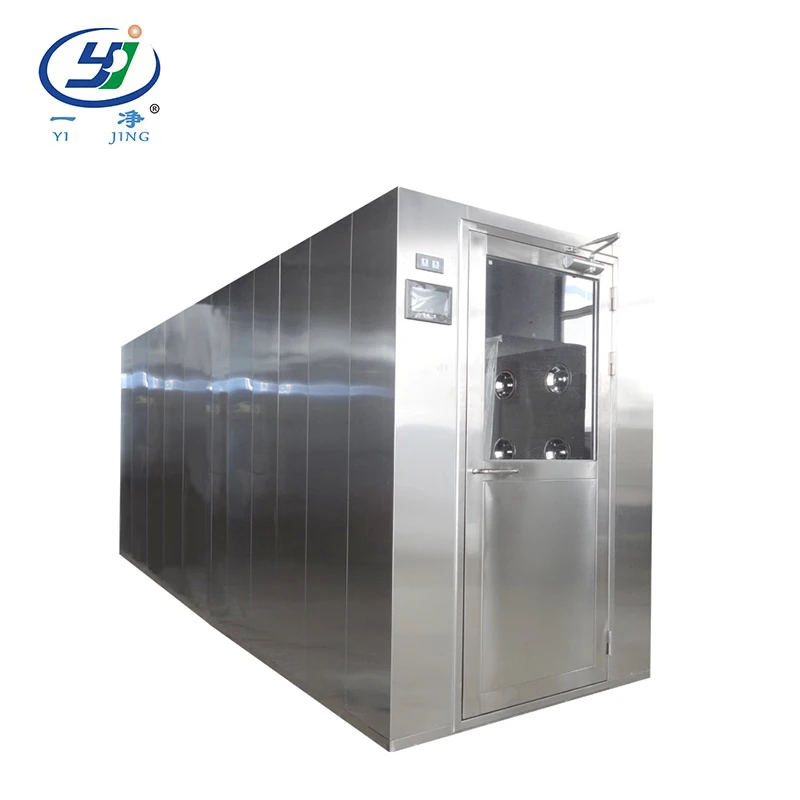
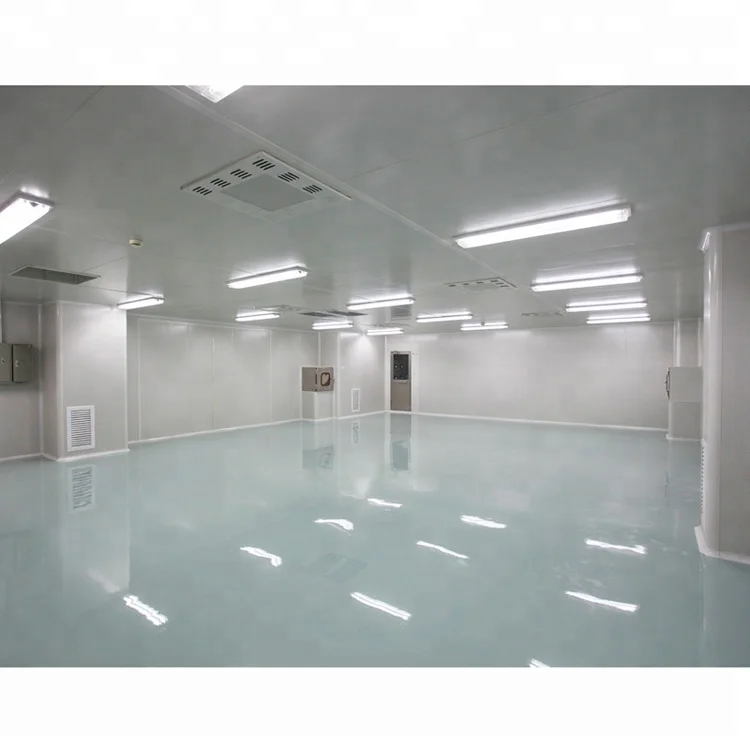
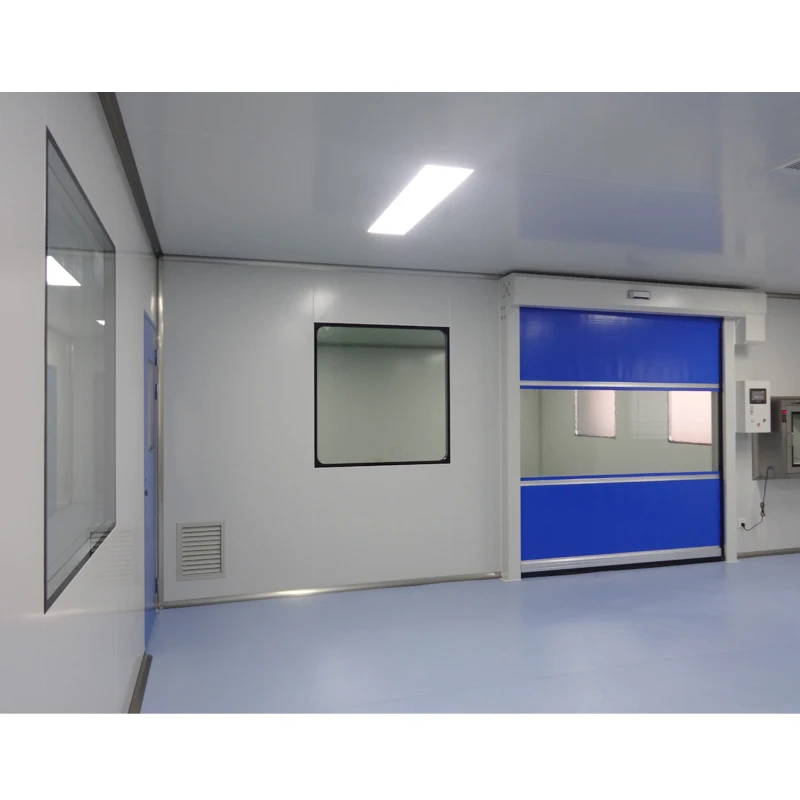
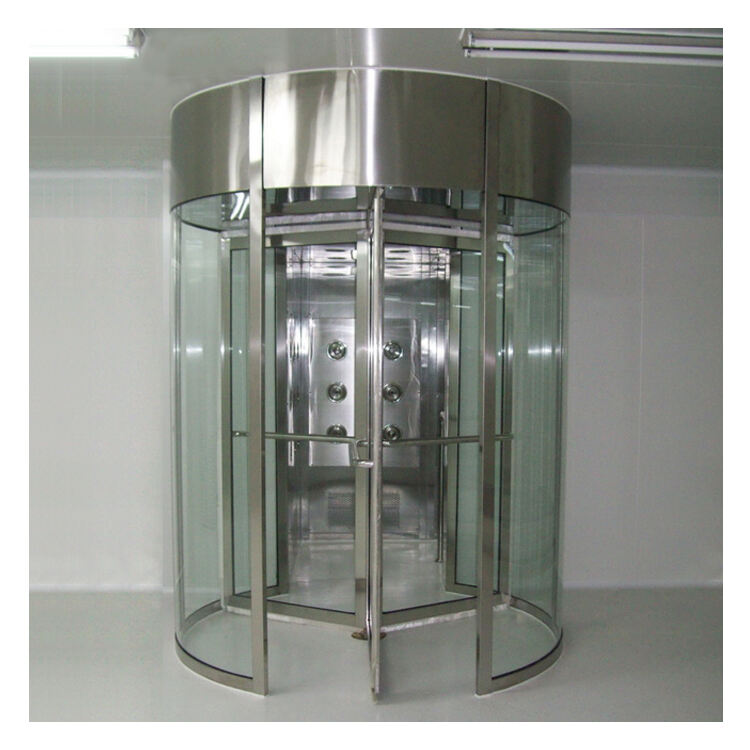
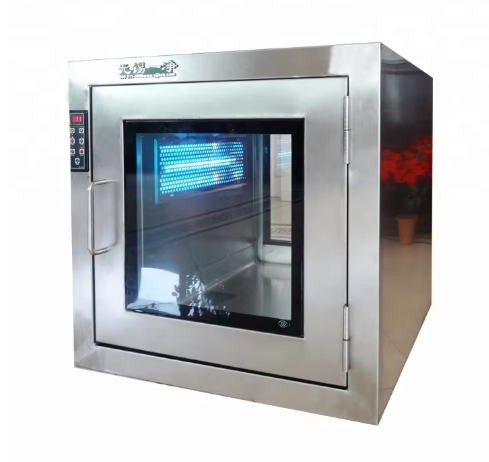
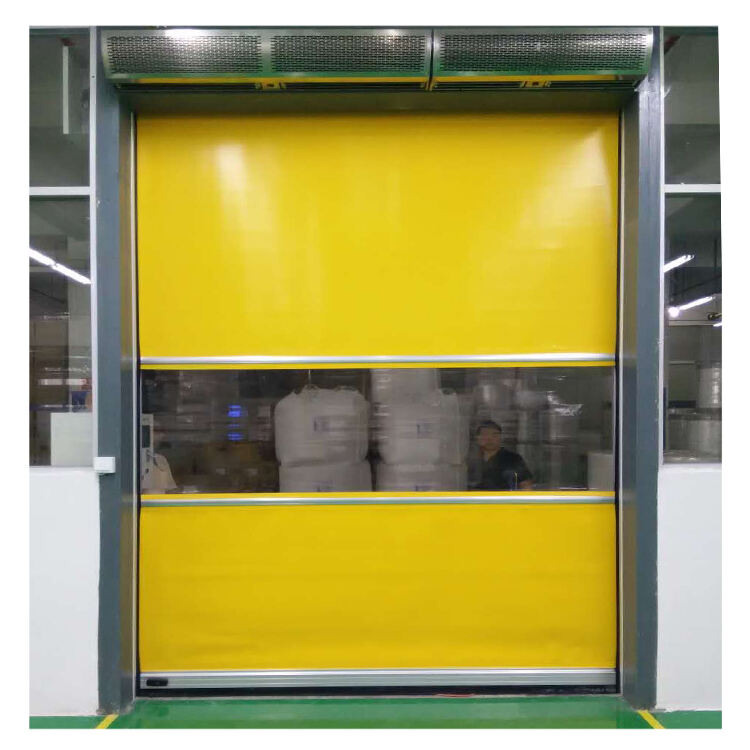
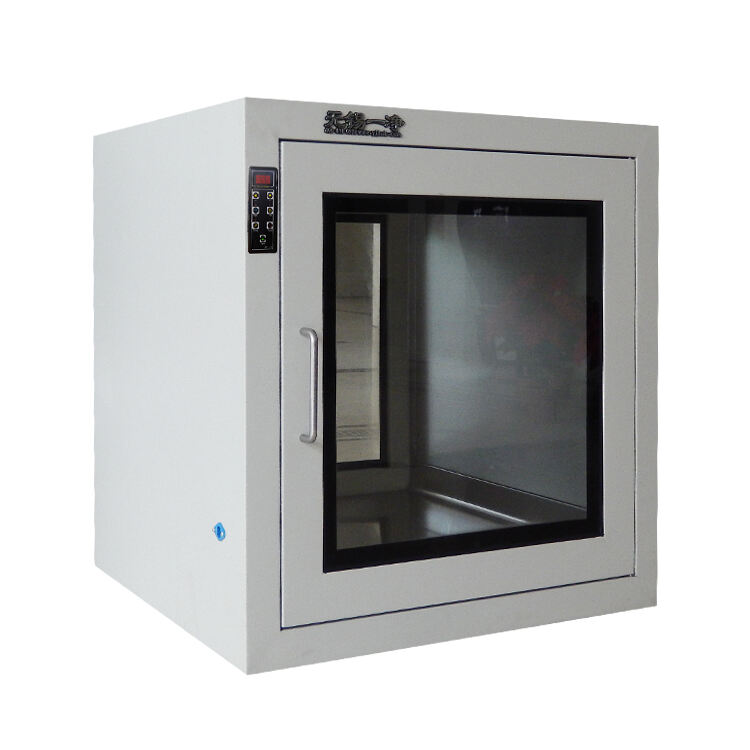
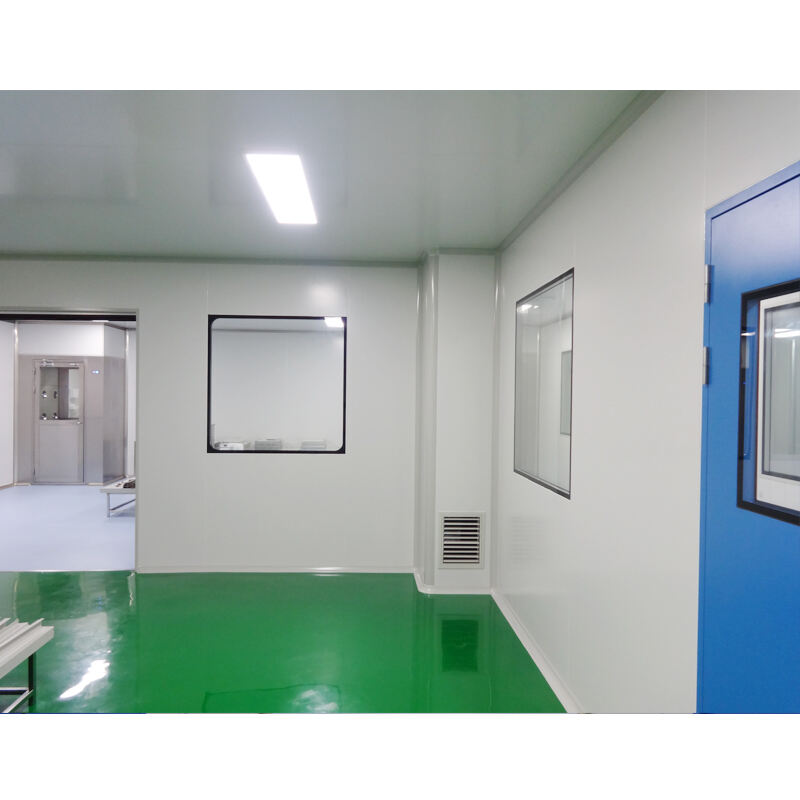
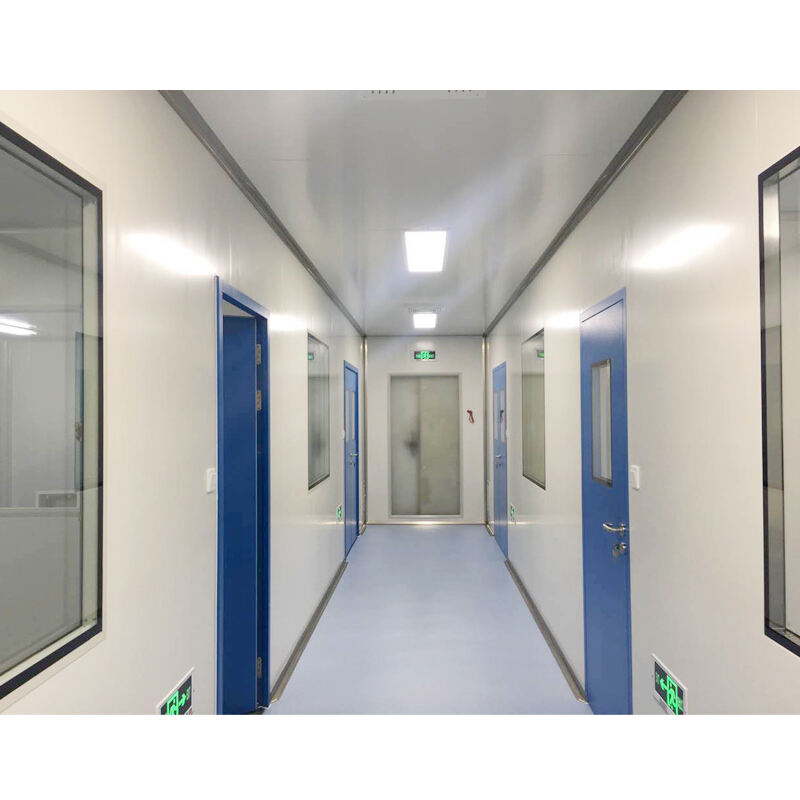
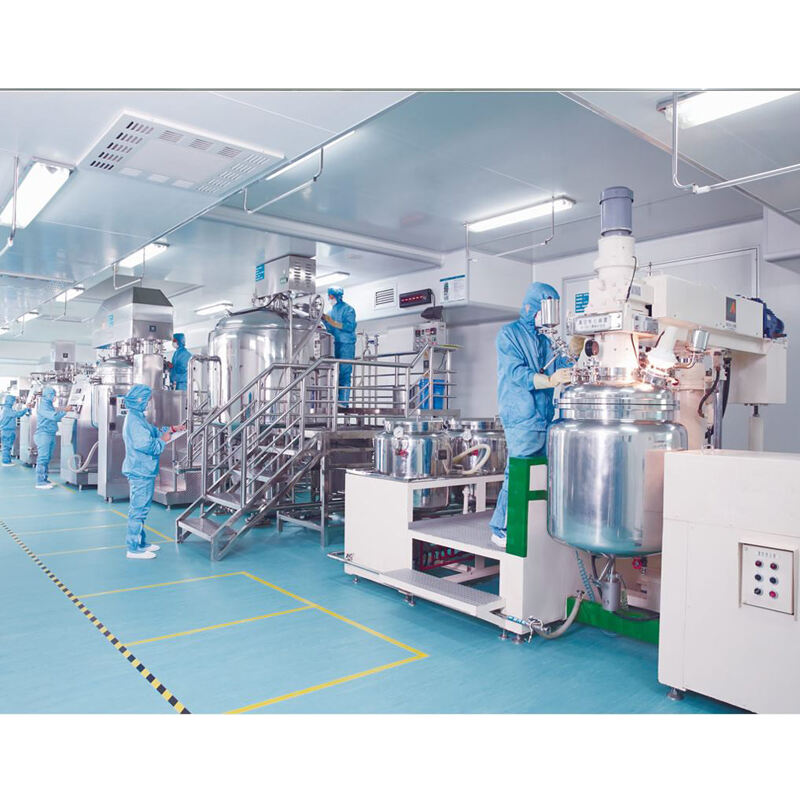
Modular clean room design represents a revolutionary approach to creating controlled environments that meet stringent contamination standards across various industries. This innovative construction method utilizes prefabricated panels, ceiling systems, and structural components that can be assembled quickly and reconfigured as operational needs evolve. The primary function of modular clean room design centers on maintaining precise environmental controls including air filtration, temperature regulation, humidity management, and pressure differentials to prevent contamination in sensitive manufacturing or research processes. These systems employ advanced HEPA or ULPA filtration technology that removes particles as small as 0.3 microns, ensuring compliance with ISO classifications ranging from ISO Class 3 to ISO Class 8 depending on specific requirements. The technological features embedded within modular clean room design include integrated air handling units, seamless wall panel connections, specialized flooring systems, and intelligent monitoring equipment that continuously tracks environmental parameters. Applications span pharmaceutical production facilities where sterile conditions prevent product contamination, semiconductor manufacturing where microscopic particles can ruin delicate circuits, biotechnology laboratories conducting genetic research, medical device assembly areas requiring aseptic conditions, aerospace component production, and food processing plants maintaining hygiene standards. The modular clean room design framework supports customization for specific operational workflows while maintaining structural integrity and environmental performance. Engineers can incorporate airlocks, pass-through chambers, gowning rooms, and specialized equipment interfaces directly into the design. The flexibility inherent in modular clean room design allows facilities to expand production capacity, relocate operations, or modify layouts without undertaking complete reconstruction projects. This adaptability proves especially valuable for companies experiencing rapid growth, changing product lines, or operating in leased facilities where permanent construction presents challenges. The design methodology emphasizes both immediate functionality and long-term operational efficiency, creating spaces that protect products, processes, and personnel from contamination risks while supporting productivity goals and regulatory compliance requirements across diverse industrial sectors.

New Product Recommendations

The modular clean room design delivers substantial practical benefits that directly impact your operational efficiency and financial performance. Installation speed stands as one of the most compelling advantages, with typical projects completing in weeks rather than the months required for traditional construction, allowing you to begin production activities and generate revenue much faster. This accelerated timeline reduces labor costs, minimizes business disruption, and shortens the period before return on investment begins. The construction process creates significantly less dust, noise, and debris compared to conventional building methods, enabling you to maintain ongoing operations in adjacent areas without contamination concerns or productivity losses. Cost predictability represents another major benefit, as factory-manufactured components arrive at predetermined prices without the budget overruns common in traditional construction projects where unforeseen site conditions and change orders inflate expenses. You gain precise financial planning capabilities that support better business decisions and resource allocation. The modular clean room design approach offers exceptional reconfiguration flexibility, allowing you to modify room layouts, expand capacity, or completely relocate your facility as business needs change without losing your infrastructure investment. Panels disassemble and reassemble without damage, maintaining their performance characteristics through multiple configurations, which proves invaluable for companies in dynamic markets or temporary locations. Energy efficiency built into these systems reduces ongoing operational costs through optimized airflow patterns, high-performance insulation properties, and intelligent environmental controls that adjust conditions based on actual requirements rather than running continuously at maximum capacity. These efficiency gains translate directly to lower utility bills month after month throughout the facility lifespan. Maintenance requirements decrease substantially because smooth, sealed surfaces resist dust accumulation and cleaning chemicals, while component standardization means replacement parts remain readily available at competitive prices. Quality control improves dramatically since factory manufacturing occurs in controlled environments with rigorous inspection protocols, eliminating the variability inherent in field construction where weather, worker skill levels, and site conditions affect outcomes. You receive components that meet exact specifications and perform consistently across your entire installation. Compliance with regulatory standards becomes more straightforward because reputable manufacturers design their modular clean room systems to meet international classification standards, providing documentation and validation support that simplifies inspection processes and certification requirements. The systems maintain stable environmental conditions with minimal drift, reducing the frequency of recertification activities and associated costs. Scalability allows you to implement your clean room infrastructure in phases, matching capital expenditures to revenue growth rather than requiring massive upfront investments before production begins, which improves cash flow management and reduces financial risk during expansion initiatives.

Tips And Tricks

What Are the Key Differences Between Single and Double Air Showers

05

Nov

What Are the Key Differences Between Single and Double Air Showers

Understanding Air Shower Technology in Clean Room Environments In the realm of contamination control and cleanroom technology, air showers play a vital role in maintaining pristine environments. These sophisticated systems serve as critical gateways ...
View More
What Is the Difference Between Static and Dynamic Pass Boxes

05

Nov

What Is the Difference Between Static and Dynamic Pass Boxes

Understanding Clean Room Transfer Systems: Static vs Dynamic Solutions In the world of cleanroom technology and contamination control, pass boxes play a crucial role in maintaining environmental integrity while enabling material transfer. Static and ...
View More
What Industries Require High-Performance Clean Benches

02

Dec

What Industries Require High-Performance Clean Benches

Modern manufacturing and research facilities across numerous industries depend on contamination-free environments to ensure product quality, safety, and compliance with stringent regulations. Clean benches have become essential equipment in these con...
View More
What Problems Can Occur If a Clean Room Fails to Meet Industry Standards?

30

Jan

What Problems Can Occur If a Clean Room Fails to Meet Industry Standards?

Clean room facilities serve as the backbone of numerous industries, from pharmaceutical manufacturing to semiconductor production. When these controlled environments fail to meet established clean room standards, the consequences can be severe and fa...
View More

Get a Free Quote

Our representative will contact you soon.
Email
Name
Company Name
Attachment
Please upload at least an attachment
Up to 3 files,more 30mb,suppor jpg、jpeg、png、pdf、doc、docx、xls、xlsx、csv、txt
Message
0/1000

modular clean room design

Rapid Deployment and Minimal Operational Disruption

Rapid Deployment and Minimal Operational Disruption

The modular clean room design methodology transforms how quickly you can establish controlled manufacturing environments, delivering fully functional facilities in timeframes that seemed impossible with traditional construction approaches. Manufacturing all primary components in factory settings before site arrival eliminates weather delays, reduces dependency on local labor availability, and ensures construction quality remains consistent regardless of geographic location. Your project team receives prefabricated wall panels, ceiling grids, flooring systems, and structural supports that fit together with precision-engineered connections, requiring only basic assembly procedures rather than complex fabrication activities. This streamlined approach means a standard clean room installation completes in three to six weeks from groundwork to operational readiness, compared to four to eight months for conventional construction methods. The time savings accelerate your path to revenue generation, allowing production activities to commence while competitors remain mired in lengthy construction schedules. The installation process generates minimal disruption to surrounding operations, a critical advantage for facilities adding clean room capacity within existing buildings or upgrading specific manufacturing areas without halting adjacent production lines. Traditional construction creates extensive dust, requires loud equipment operation, and produces debris that risks contaminating nearby controlled environments. The modular clean room design approach uses dry assembly techniques that virtually eliminate dust generation, requires only standard hand tools and light equipment that operate quietly, and produces minimal waste since components arrive precisely sized for their intended locations. Your existing operations continue without interruption, maintaining revenue streams and customer commitments throughout the expansion process. The reduced construction timeline also shortens the period during which you pay for space that generates no return, whether lease payments on new facilities or opportunity costs from underutilized areas in owned buildings. Every week saved in construction represents another week of productive output, and over a typical project, these weeks accumulate into substantial financial advantages. Project risk diminishes significantly because shorter construction windows reduce exposure to market changes, regulatory updates, or internal business shifts that might require design modifications or project delays. The modular clean room design framework accommodates last-minute adjustments more readily than permanent construction, with component substitutions possible even late in the process without triggering cascading schedule impacts or cost escalations.
Superior Cost Management and Financial Predictability

Superior Cost Management and Financial Predictability

Financial considerations drive most business decisions, and modular clean room design delivers compelling economic advantages throughout both initial implementation and ongoing operations. The cost structure provides transparency that traditional construction simply cannot match, with factory manufacturing enabling precise quotations that include all components, shipping, and standard installation services. You receive detailed line-item pricing before committing to the project, eliminating the uncertainty that plagues conventional construction where contingencies, allowances, and potential change orders cloud the true investment required. This predictability supports accurate budgeting, facilitates approval processes, and prevents the financial surprises that strain organizational resources and damage stakeholder confidence. Material waste drops dramatically compared to field construction methods, as factory production optimizes material utilization, recycles scraps efficiently, and maintains inventory controls impossible at construction sites. These efficiencies translate to lower material costs passed through to you as price advantages. Labor expenses decrease substantially because assembly requires fewer specialized tradespeople working for shorter durations, and factory manufacturing leverages economies of scale that individual construction projects cannot achieve. The competitive manufacturing environment keeps pricing reasonable while maintaining quality standards, creating value that flows directly to your bottom line. Beyond initial installation, modular clean room design delivers ongoing economic benefits through reduced energy consumption, with modern systems incorporating high-efficiency filtration, intelligent environmental controls, and superior insulation properties that minimize heating, cooling, and air circulation costs. Monthly utility expenses can run thirty to forty percent lower than older clean room installations, and these savings compound over years of operation into substantial financial benefits. Maintenance costs remain modest because durable materials resist degradation, smooth surfaces simplify cleaning procedures, and standardized components mean replacement parts cost less and arrive quickly when needed. The total cost of ownership calculation strongly favors modular clean room design when comparing upfront investment, operational expenses, and eventual reconfiguration or relocation costs. Perhaps most valuable, the modular approach protects your investment against obsolescence, as panels and systems can be repurposed, expanded, or relocated rather than demolished when business needs change, preserving capital that traditional construction would strand in permanent structures with no residual value beyond their original installation location.
Unmatched Flexibility and Future-Ready Infrastructure

Unmatched Flexibility and Future-Ready Infrastructure

Business environments evolve constantly, with market demands shifting, product portfolios changing, and operational requirements transforming in response to competitive pressures and technological advances. The modular clean room design philosophy embraces this reality, creating infrastructure that adapts alongside your business rather than constraining future options through permanent construction decisions. The inherent flexibility starts with initial design, where room configurations, equipment layouts, and workflow patterns can be optimized for current operations without sacrificing future modification capabilities. Wall panels relocate without damage, ceiling grids adjust to accommodate new equipment, and service connections reconfigure to support different manufacturing processes. This adaptability proves invaluable when introducing new product lines, implementing different production technologies, or responding to regulatory changes that mandate facility modifications. Companies experiencing rapid growth particularly benefit from the scalability modular clean room design provides, as initial installations can expand incrementally by adding panels, extending ceiling systems, and increasing air handling capacity without disrupting existing operations or requiring complete facility redesigns. You implement clean room capacity in phases that align with revenue growth and customer demand, avoiding the financial burden of building excess capacity that sits idle for years before utilization justifies the investment. The phased approach also reduces technical risk by allowing you to validate processes, refine workflows, and optimize layouts in initial installations before committing to larger expansions, incorporating lessons learned rather than repeating mistakes across entire facilities. Geographic flexibility represents another dimension of value, as modular clean room design supports relocation scenarios impossible with traditional construction. Companies moving to larger facilities, consolidating operations, or shifting production closer to emerging markets can disassemble existing clean rooms, transport components to new locations, and reassemble functional facilities that maintain their performance characteristics and regulatory certifications. This relocatability preserves infrastructure investments that would otherwise become stranded assets, providing financial flexibility during corporate transitions and strategic repositioning initiatives. The modular framework also facilitates temporary installations for clinical trial production, seasonal manufacturing surges, or contract manufacturing arrangements where permanent construction makes no economic sense. You establish fully compliant controlled environments for specific timeframes, then disassemble and redeploy components for different applications, maximizing asset utilization across your enterprise. Technology integration capabilities ensure your modular clean room design remains current as monitoring systems, automation technologies, and environmental controls advance, with infrastructure that accommodates upgrades without requiring structural modifications that compromise room integrity or necessitate recertification processes.


Get a Free Quote

Our representative will contact you soon.
Email
Name
Company Name
Attachment
Please upload at least an attachment
Up to 3 files,more 30mb,suppor jpg、jpeg、png、pdf、doc、docx、xls、xlsx、csv、txt
Message
0/1000

Get a Free Quote

Our representative will contact you soon.
Email
Name
Company Name
Attachment
Please upload at least an attachment
Up to 3 files,more 30mb,suppor jpg、jpeg、png、pdf、doc、docx、xls、xlsx、csv、txt
Message
0/1000