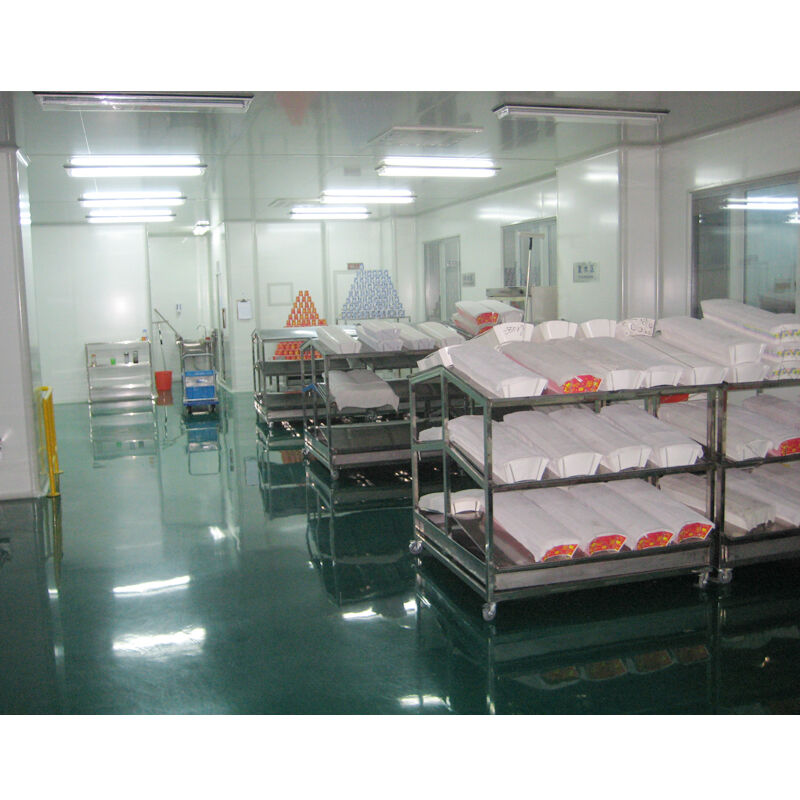
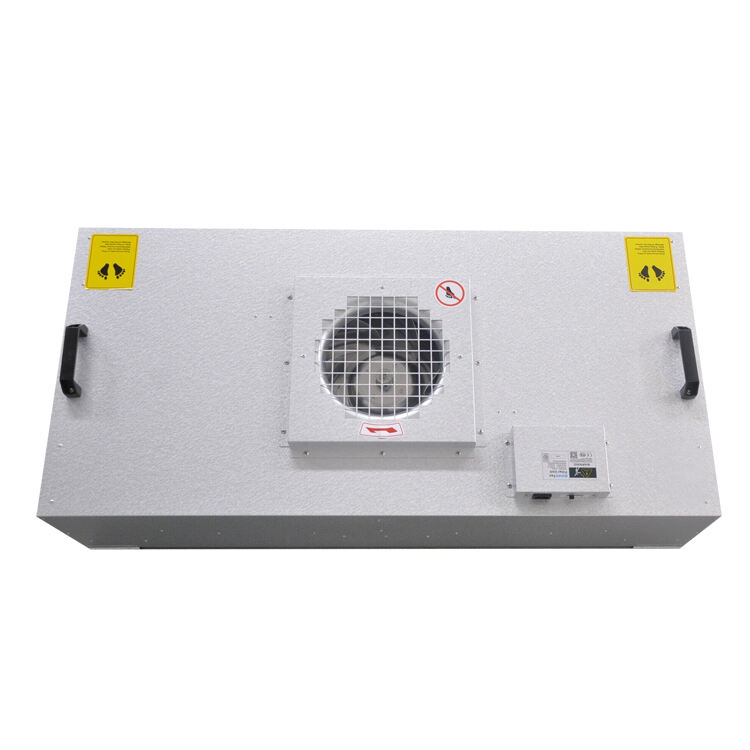
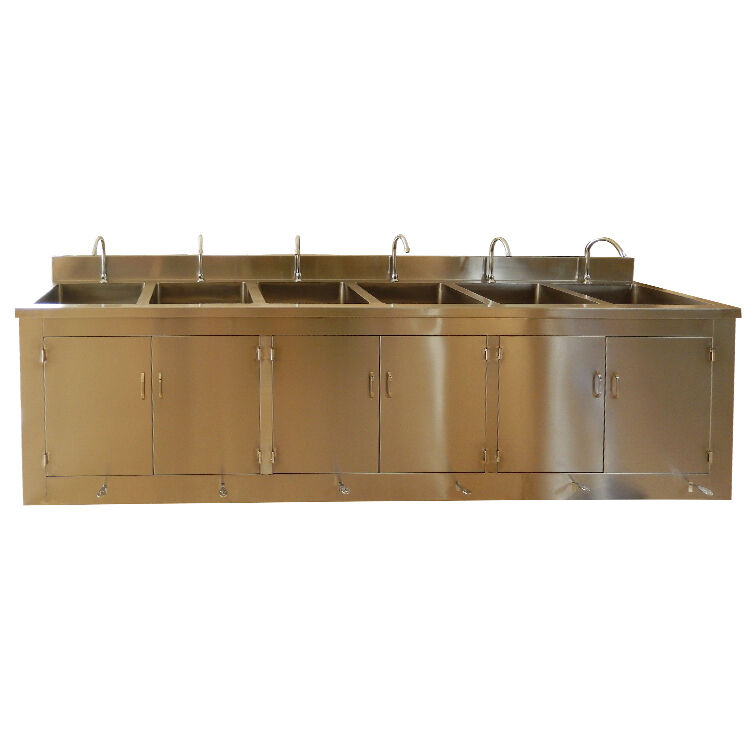
নমনীয় অবকাঠামো বহুসংখ্যক পণ্যের প্রকার এবং ভবিষ্যতের বৃদ্ধিকে সমর্থন করে
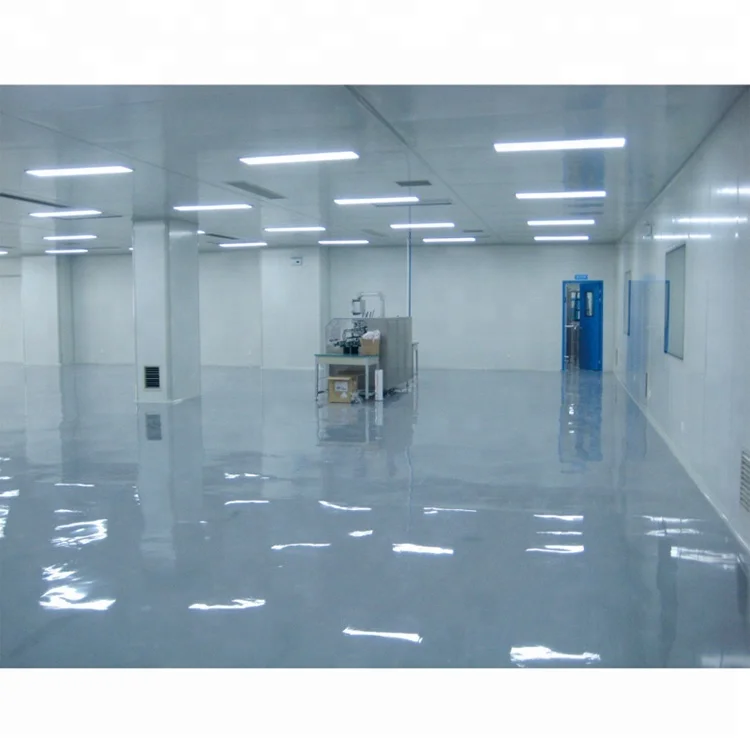
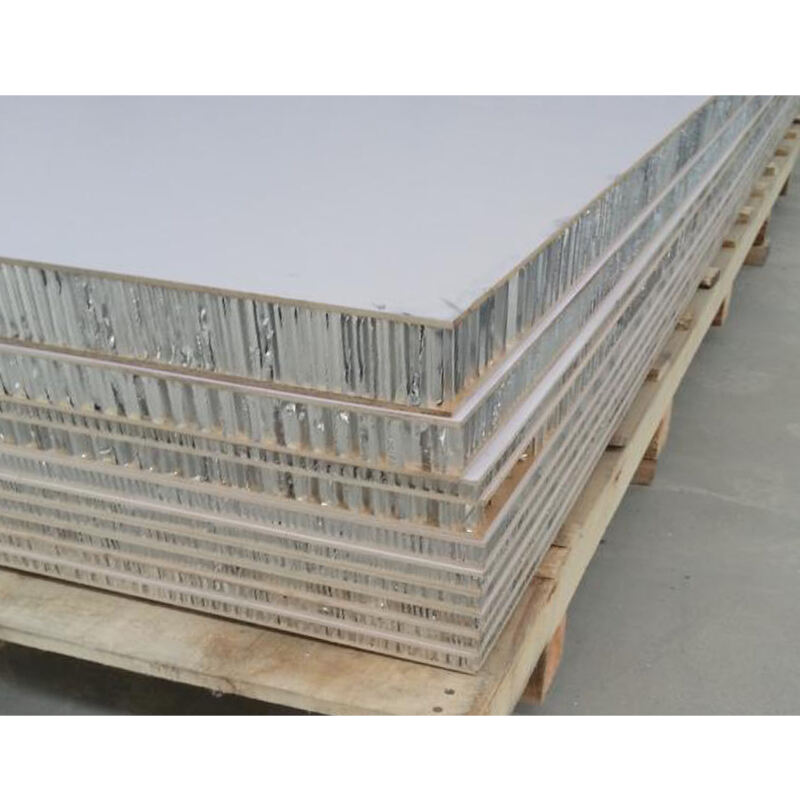
চিকিৎসা যন্ত্রপাতির জন্য সবচেয়ে মূল্যবান ক্লিন রুমটি একটি নমনীয় অবকাঠামো প্রদান করে যা বিভিন্ন পণ্য পোর্টফোলিওকে সমর্থন করে এবং আপনার ব্যবসা বিকাশের সাথে সাথে এবং বাজারের চাহিদা পরিবর্তনের সাথে ভবিষ্যতের প্রসারণের জন্য স্কেলেবিলিটি নিশ্চিত করে। ঐতিহ্যগত ক্লিনরুম ডিজাইনগুলি প্রায়শই উৎপাদনকারীদের কঠোর কনফিগারেশনে আবদ্ধ করে রাখত, যা পণ্যের ধরনগুলিকে সীমিত করত অথবা নতুন ডিভাইস লাইন চালু করার সময় ব্যয়বহুল পুনর্নির্মাণের প্রয়োজন হত, কিন্তু আধুনিক পদ্ধতিগুলি মডুলার নির্মাণ, পুনঃকনফিগারযোগ্য স্থান এবং অতিরিক্ত ক্ষমতা সহ উপযোগিতা সিস্টেমের মাধ্যমে সামঞ্জস্যযোগ্যতাকে গুরুত্ব দেয়। মডুলার দেয়াল সিস্টেমগুলি বড় ধরনের নির্মাণ কাজ ছাড়াই ঘরের লেআউট পরিবর্তন করতে দেয়, যার ফলে উৎপাদনকারীরা কাজের এলাকার আকার পরিবর্তন করতে পারেন, নতুন উৎপাদন অঞ্চল তৈরি করতে পারেন অথবা প্রক্রিয়া বিকাশের সাথে সাথে বা পণ্য মিশ্রণ বিভিন্ন ডিভাইস ধরনের দিকে সরে যাওয়ার সাথে সাথে ট্রাফিক প্যাটার্ন পরিবর্তন করতে পারেন, যার জন্য বিভিন্ন স্থান বরাদ্দের প্রয়োজন হয়। এই নমনীয়তা বিশেষভাবে মূল্যবান হয়ে ওঠে যখন নতুন চিকিৎসা যন্ত্রপাতির শ্রেণী চালু করা হয় যার জন্য বিভিন্ন পরিষ্কারতা শ্রেণীবিভাগের প্রয়োজন হয়, যেখানে সম্পূর্ণ অংশ পুনর্নির্মাণ না করে বায়ু পরিচালনা প্যারামিটার এবং ফিল্ট্রেশন স্তর পরিবর্তন করে ঘরের শ্রেণীবিভাগ আপগ্রেড বা ডাউনগ্রেড করা যায়। চিকিৎসা যন্ত্রপাতির জন্য ক্লিন রুমটি তাত্ক্ষণিক প্রয়োজনের চেয়ে বেশি ক্ষমতা সহ উপযোগিতা বণ্টন সিস্টেম অন্তর্ভুক্ত করে, যা অতিরিক্ত সরঞ্জাম এবং বিস্তৃত অপারেশন সমর্থন করে এমন অবকাঠামোর মাধ্যমে বৈদ্যুতিক শক্তি, প্রক্রিয়া গ্যাস, জল এবং সংকুচিত বায়ু সরবরাহ করে এবং সিস্টেম আপগ্রেডের প্রয়োজন ছাড়াই এটি সম্ভব করে। স্থানের বিভিন্ন স্থানে উপযোগিতা ড্রপগুলির কৌশলগত স্থাপন করা হয় যাতে সরঞ্জামগুলি প্রক্রিয়ার প্রয়োজন অনুযায়ী যেকোনো স্থানে স্থাপন করা যায়, না হলে সরঞ্জামগুলি শুধুমাত্র সেই এলাকায় স্থাপন করা যেত যেখানে উপযোগিতা ইতিমধ্যে উপলব্ধ, যা কাজের প্রবাহ দক্ষতা এবং সরঞ্জাম ব্যবহারের অপ্টিমাইজেশন করে। সিলিং গ্রিড সিস্টেমগুলি বিভিন্ন ধরনের আলোকসজ্জা, এইচভিএসি ডিফিউজার এবং সার্ভিস ড্রপ সমর্থন করে, যার মানকৃত মাউন্টিং পয়েন্টগুলি উৎপাদন এলাকা পুনর্বিন্যাস করা বা নতুন সরঞ্জাম স্থাপন করার সময় পরিবর্তনগুলি সহজ করে। এই অবকাঠামো পদ্ধতিটি পরিবর্তনের সময় ডাউনটাইম কমায়, কারণ পরিবর্তনগুলি প্রায়শই সংলগ্ন উৎপাদন এলাকা বন্ধ না করে বা সমগ্র সুবিধাটি বন্ধ করে দেওয়ার প্রয়োজন ছাড়াই করা যায়। বৃদ্ধির দৃষ্টিকোণ থেকে ডিজাইন করা চিকিৎসা যন্ত্রপাতির জন্য ক্লিন রুমে ভবিষ্যতের জন্য প্রসারণ স্থান বা সংলগ্ন এলাকা সংরক্ষিত থাকে, যার মধ্যে গঠনগত ব্যবস্থা এবং উপযোগিতা স্টাবগুলি ক্ষমতা বৃদ্ধি করার সময় নির্মাণ খরচ কমিয়ে দেয়। একটি একক সুবিধার মধ্যে ক্লিনরুম শ্রেণীবিভাগগুলি একাধিক ISO শ্রেণী জুড়ে বিস্তৃত হতে পারে, যেখানে সাবধানতার সাথে পরিকল্পনা করে উপাদান প্রস্তুতি এবং প্যাকেজিংয়ের জন্য কম পরিষ্কারতা এলাকা থেকে যান্ত্রিক সংযোজন এবং স্টেরাইল অপারেশনের জন্য উচ্চতর পরিষ্কারতা অঞ্চল পর্যন্ত যুক্তিসঙ্গত প্রগ্রেশন তৈরি করা হয়, যার ফলে বিভিন্ন পণ্য ধরন সাধারণ সহায়ক অবকাঠামো ভাগ করে নিতে পারে এবং একইসাথে উপযুক্ত পরিবেশগত শর্ত বজায় রাখতে পারে। সরঞ্জাম নির্বাচনে বহুমুখিতা গুরুত্ব দেওয়া হয়, যেখানে প্রক্রিয়াকরণ ও পরীক্ষা সিস্টেমগুলি একাধিক পণ্য ধরন পরিচালনা করতে সক্ষম অথবা ফিক্সচার পরিবর্তন ও প্রোগ্রামিং সংশোধনের মাধ্যমে সহজেই সামঞ্জস্যযোগ্য হয়, যার ফলে প্রতিটি ডিভাইস ভ্যারিয়েন্টের জন্য বিশেষ মেশিনের প্রয়োজন হয় না। এই নমনীয়তা কার্যপদ্ধতির ক্ষেত্রেও প্রসারিত হয়, কারণ অবকাঠামোটি কাস্টম বা কম পরিমাণের ডিভাইসের জন্য ব্যাচ উৎপাদন মোড এবং উচ্চ পরিমাণের স্ট্যান্ডার্ড পণ্যের জন্য অবিচ্ছিন্ন উৎপাদন উভয়কেই সমর্থন করে, যার জন্য পৃথক বিশেষ সুবিধার প্রয়োজন হয় না। প্রযুক্তি একীকরণের ক্ষমতা নিশ্চিত করে যে চিকিৎসা যন্ত্রপাতির জন্য ক্লিন রুমটি স্বয়ংক্রিয়করণ, রোবটিক্স এবং ডিজিটাল মনিটরিং সিস্টেমের মতো আবির্ভাবকারী উৎপাদন প্রযুক্তিগুলি আপনার অ্যাপ্লিকেশনের জন্য খরচ-কার্যকর হয়ে উঠলে তা অন্তর্ভুক্ত করতে পারবে, যা আপনার বিনিয়োগকে প্রযুক্তিগত অপ্রাসঙ্গিকতা থেকে রক্ষা করে এবং সুবিধাটির সম্পূর্ণ জীবনচক্র—যা দশক ধরে উৎপাদনকারী অপারেশন চালিয়ে যেতে পারে—জুড়ে প্রতিযোগিতামূলক উৎপাদন ক্ষমতা বজায় রাখে।

 EN
EN