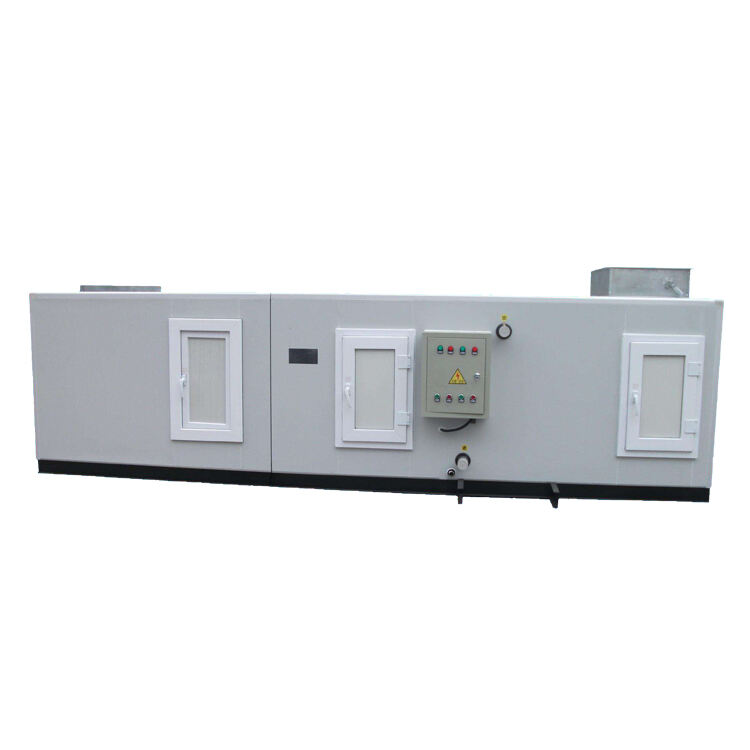
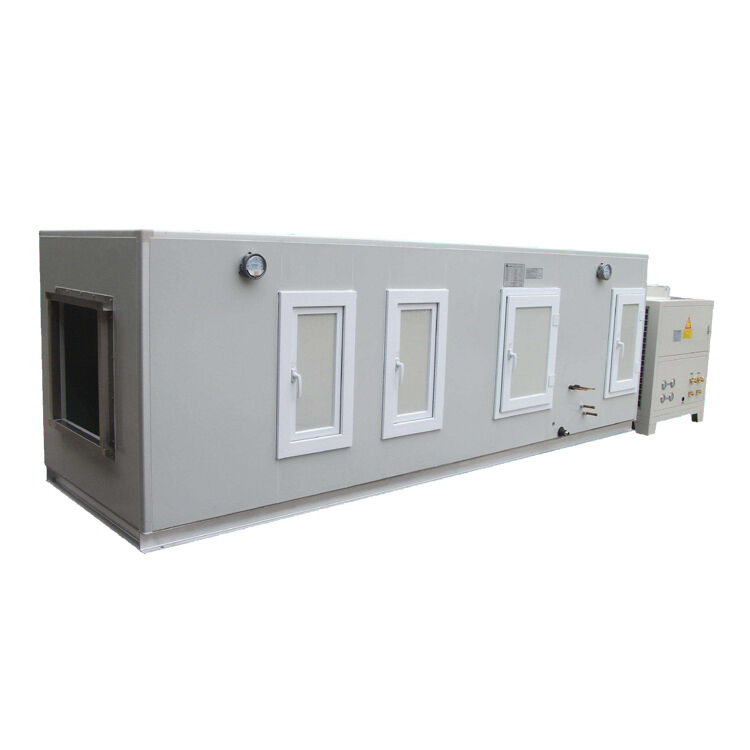
Advanced Air System Solutions: Energy-Efficient Compressed Air Technology for Industrial Applications

All Categories

Get a Free Quote

Our representative will contact you soon.
Email
Name
Company Name
Attachment
Please upload at least an attachment
Up to 3 files,more 30mb,suppor jpg、jpeg、png、pdf、doc、docx、xls、xlsx、csv、txt
Message
0/1000

Get a Free Quote

Our representative will contact you soon.
Email
Name
Company Name
Attachment
Please upload at least an attachment
Up to 3 files,more 30mb,suppor jpg、jpeg、png、pdf、doc、docx、xls、xlsx、csv、txt
Message
0/1000

air system

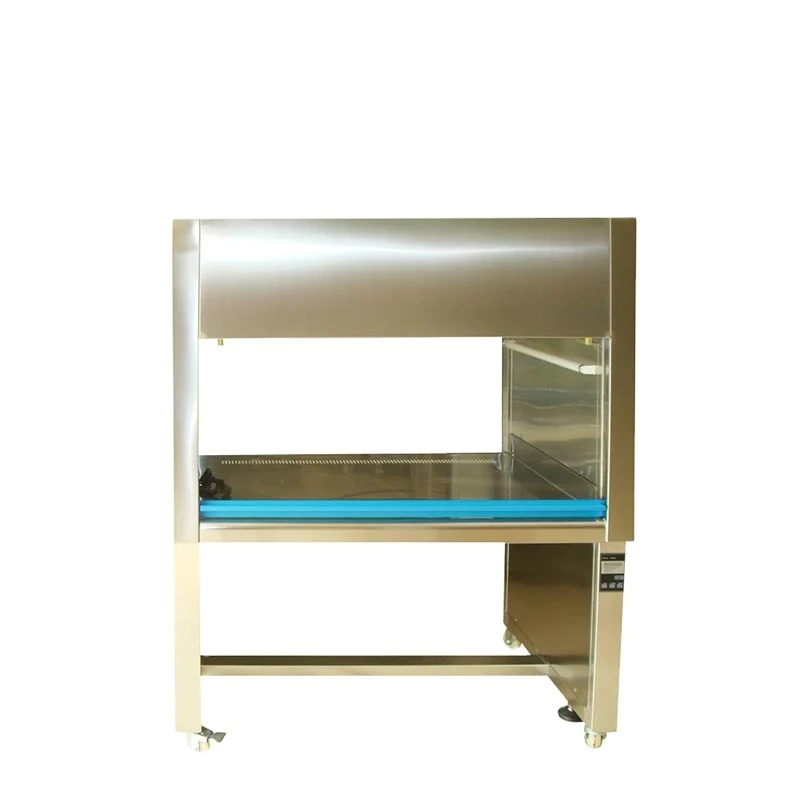
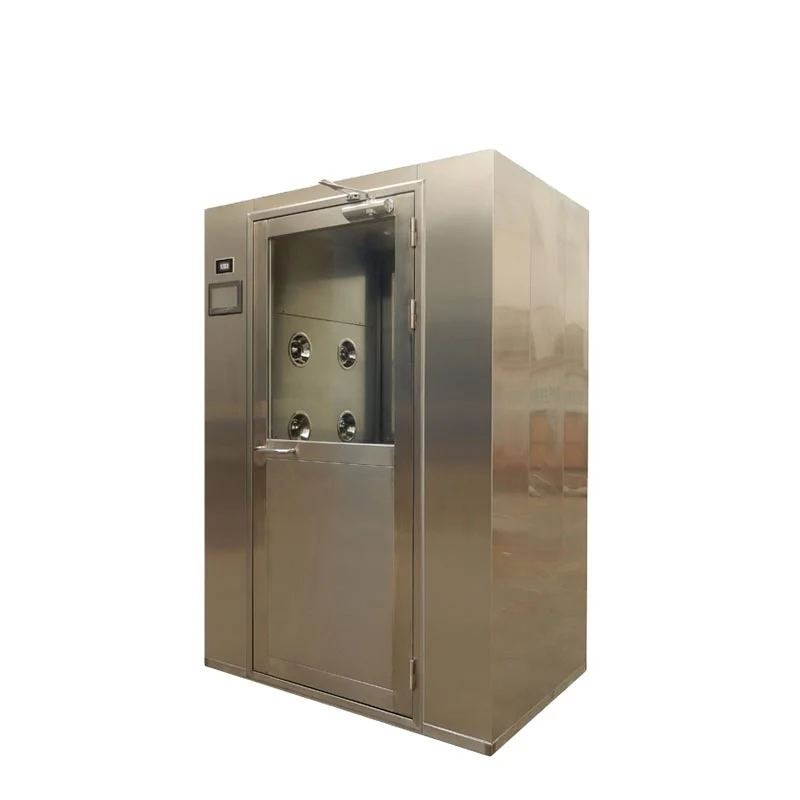
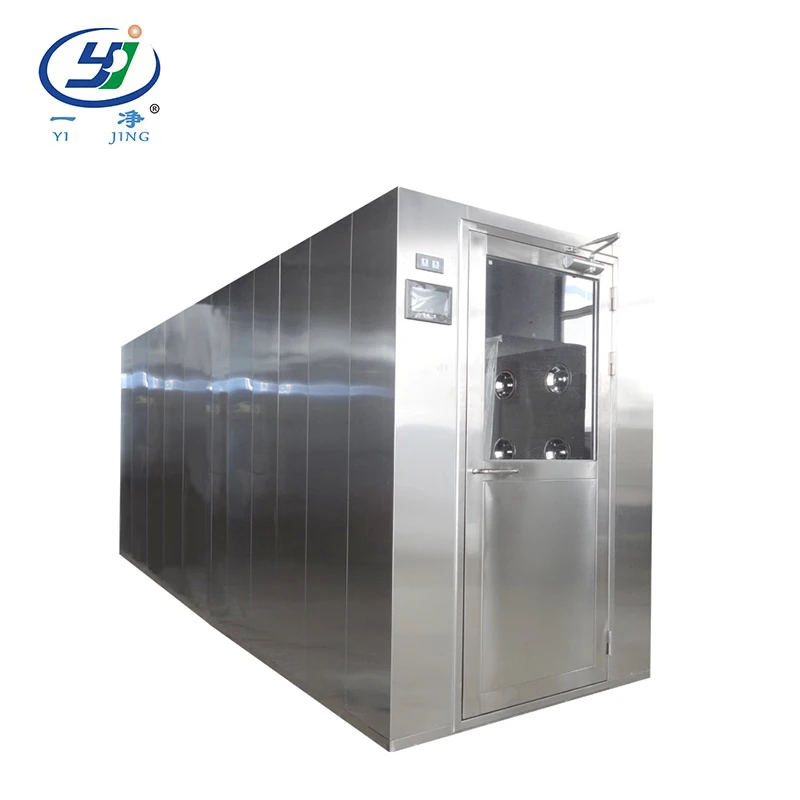
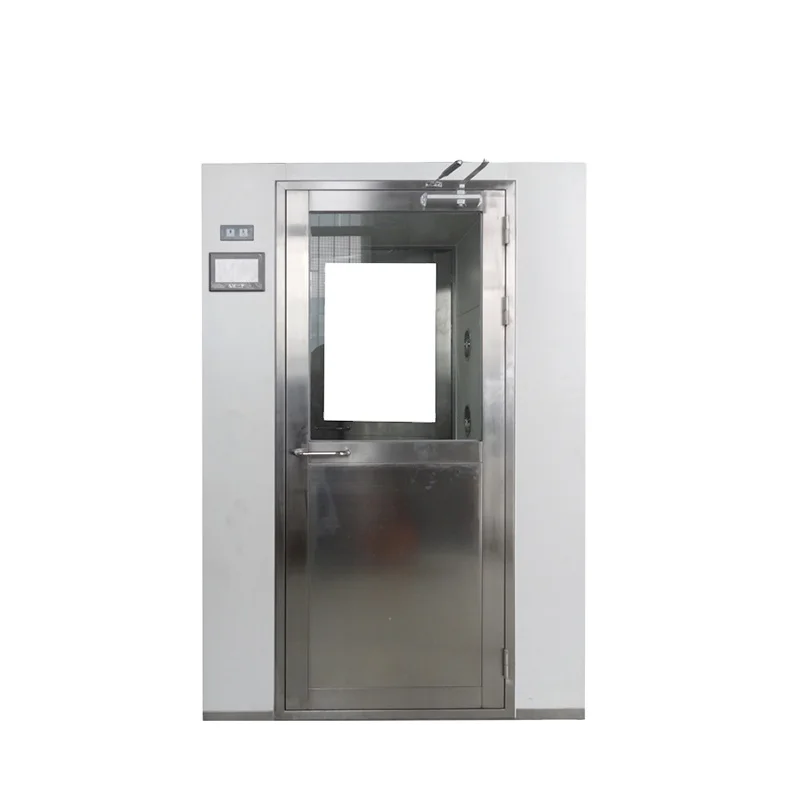
An air system represents a comprehensive solution designed to manage, distribute, and control compressed air throughout industrial facilities, manufacturing plants, and commercial buildings. This sophisticated network combines multiple components working together to deliver clean, dry, and properly pressured air exactly where needed. The air system serves as the backbone of pneumatic operations, powering tools, machinery, and automated processes with remarkable efficiency and reliability. Modern air system configurations integrate compressors, dryers, filters, storage tanks, distribution piping, and intelligent control mechanisms to create a seamless operational environment. The primary functions of an air system include generating compressed air through mechanical compression, removing moisture and contaminants to ensure air quality, storing compressed air for consistent availability during peak demand periods, regulating pressure levels to match specific application requirements, and distributing air efficiently throughout the facility network. Technological features distinguish contemporary air system designs from traditional setups, incorporating variable speed drive technology that adjusts compressor output based on real-time demand, advanced filtration systems that eliminate particles down to submicron levels, energy recovery systems that capture and repurpose heat generated during compression, smart monitoring capabilities that track performance metrics and predict maintenance needs, and modular architectures that allow scalable expansion as operational requirements evolve. Applications for air system technology span numerous industries including automotive manufacturing where pneumatic tools assemble vehicles, food and beverage processing where clean air directly contacts products, pharmaceutical production requiring sterile compressed air for critical processes, textile manufacturing utilizing air-powered looms and finishing equipment, electronics assembly depending on precise air pressure for delicate component handling, and construction sites relying on portable air system units to power jackhammers and spray equipment. The versatility of an air system makes it indispensable across diverse operational contexts, providing the essential pneumatic power that drives modern industrial productivity and efficiency.

New Product Recommendations

Choosing the right air system for your facility brings substantial benefits that directly impact your bottom line and operational effectiveness. Cost savings represent one of the most compelling advantages, as an efficient air system reduces energy consumption by up to forty percent compared to outdated configurations, translating to thousands of dollars saved annually on utility bills. The system delivers consistent performance throughout your operation, eliminating the frustrating pressure drops and equipment failures that disrupt production schedules and reduce output quality. Your maintenance team will appreciate the simplified upkeep requirements, as modern air system designs feature accessible components and self-diagnostic capabilities that identify potential issues before they cause costly breakdowns. Workers benefit from improved safety conditions since properly designed air system installations minimize leak hazards, reduce noise levels, and eliminate the risks associated with poorly maintained compressed air equipment. Environmental responsibility becomes achievable through reduced energy waste and lower carbon emissions, helping your company meet sustainability goals while demonstrating corporate social responsibility to stakeholders and customers. The flexibility of a well-planned air system allows you to adapt quickly to changing production needs, adding new workstations or equipment without overhauling your entire pneumatic infrastructure. Productivity gains emerge naturally when your team has access to reliable compressed air exactly when needed, eliminating downtime caused by inadequate pressure or contaminated air that damages sensitive tools and machinery. Quality improvements become evident in your finished products, as clean, dry air prevents defects caused by moisture contamination, oil carry-over, or particulate matter in pneumatic processes. Your air system investment pays dividends through extended equipment lifespan, as properly conditioned compressed air prevents premature wear on pneumatic tools, cylinders, and valves that would otherwise require frequent replacement. Operational visibility improves dramatically with integrated monitoring systems that provide real-time data about air system performance, consumption patterns, and efficiency metrics, empowering informed decisions about optimization opportunities. The scalability of modular air system architectures means your initial investment grows with your business, accommodating expansion without requiring complete system replacement. Competitive advantages accrue to companies operating optimized air system infrastructure, as lower operating costs and higher reliability enable more aggressive pricing and faster order fulfillment than competitors struggling with inefficient pneumatic systems.

Tips And Tricks

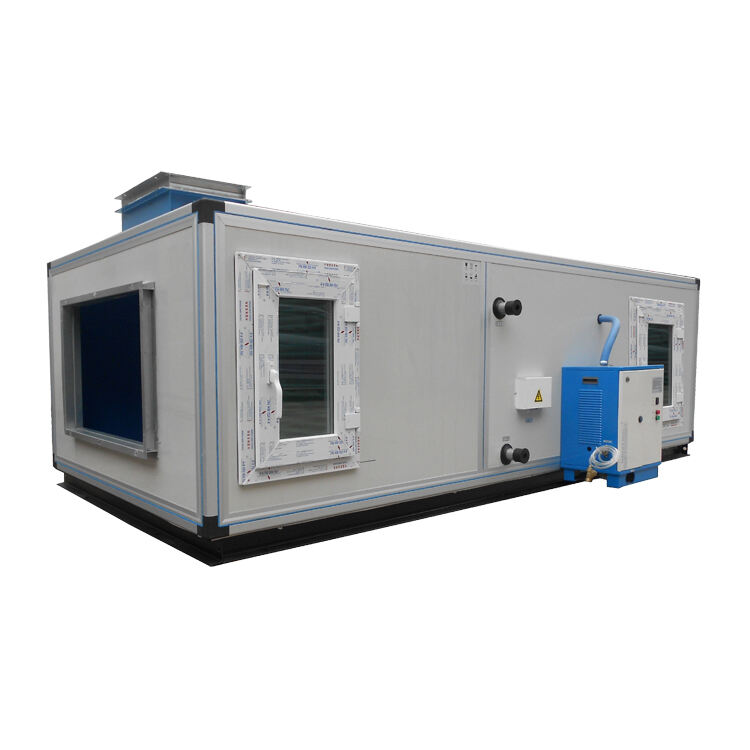
How to Maintain an Air Handling Unit for Consistent Airflow

21

Oct

How to Maintain an Air Handling Unit for Consistent Airflow

Essential Guidelines for Air Handling Unit Performance Air handling units (AHUs) are the backbone of any building's HVAC system, responsible for maintaining comfortable indoor environments and ensuring proper ventilation. Effective air handling unit ...
View More
What Are the Benefits of Using Modular Clean Panels

21

Oct

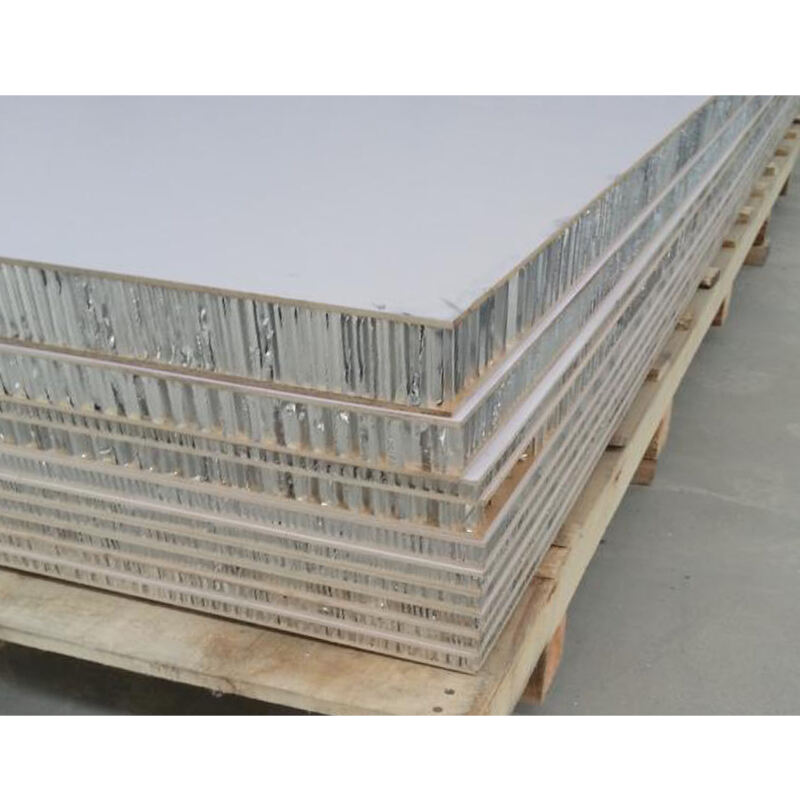
What Are the Benefits of Using Modular Clean Panels

Understanding the Revolutionary Impact of Modular Clean Panels in Modern Facilities Modular clean panels have transformed the way industries approach controlled environments and cleanroom construction. These innovative building components represent a...
View More
What Materials Are Recommended for Pass Box Construction?

05

Nov

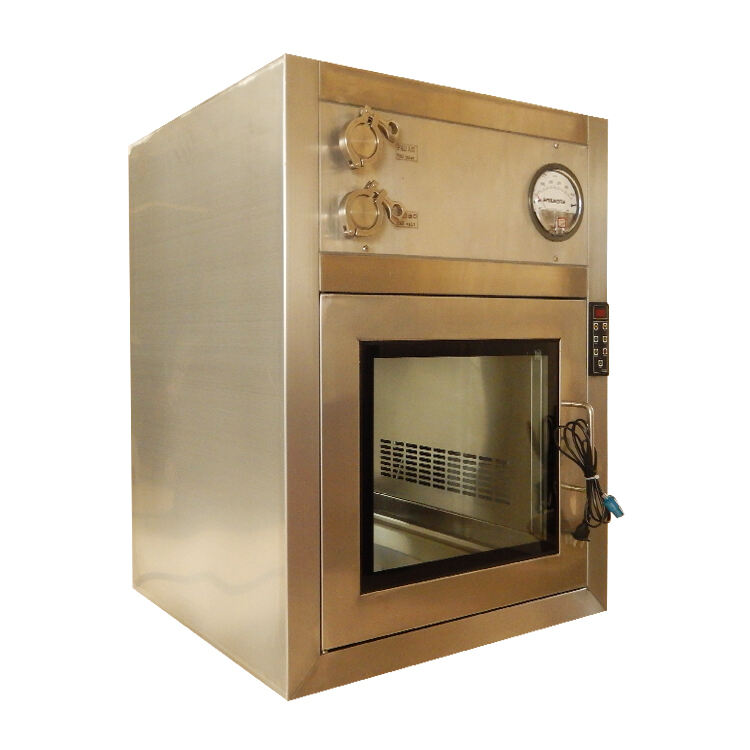
What Materials Are Recommended for Pass Box Construction?

Essential Materials for Modern Pass Box Manufacturing Pass boxes serve as critical components in cleanroom environments, pharmaceutical facilities, and laboratories, facilitating the secure transfer of materials between spaces while maintaining contr...
View More
What Are the Cost Benefits of Modular Clean Room Construction

05

Nov

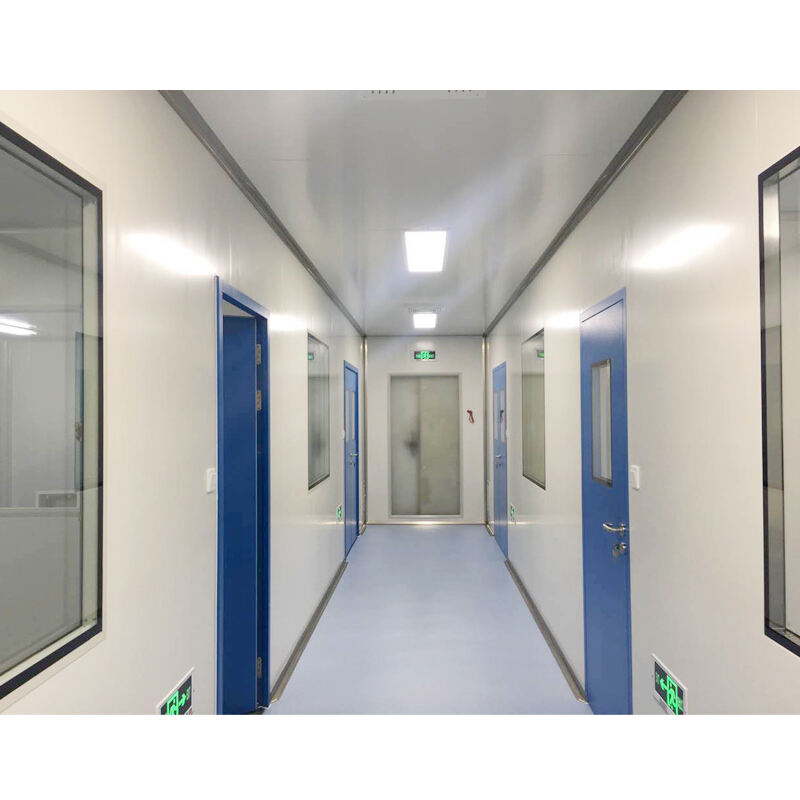
What Are the Cost Benefits of Modular Clean Room Construction

The Economic Advantages of Modern Modular Cleanroom Solutions The landscape of pharmaceutical, semiconductor, and medical device manufacturing has been transformed by modular clean room construction. This innovative approach to building controlled en...
View More

Get a Free Quote

Our representative will contact you soon.
Email
Name
Company Name
Attachment
Please upload at least an attachment
Up to 3 files,more 30mb,suppor jpg、jpeg、png、pdf、doc、docx、xls、xlsx、csv、txt
Message
0/1000

air system

Energy Efficiency That Transforms Operating Economics

Energy Efficiency That Transforms Operating Economics

Energy consumption represents the largest ongoing expense associated with any air system, often accounting for seventy to eighty percent of total lifecycle costs over the equipment's operational lifespan. Advanced air system technology addresses this challenge through intelligent design features that dramatically reduce power requirements while maintaining optimal performance levels. Variable speed drive compressors form the foundation of energy-efficient air system configurations, automatically adjusting motor speed to match actual compressed air demand rather than running continuously at full capacity regardless of consumption patterns. This responsive approach eliminates the wasteful cycle of load-unload operation that characterizes fixed-speed compressors, where motors run at full power even when little air is needed, then shut down completely only to restart moments later. The constant cycling wastes enormous amounts of electricity and subjects equipment to mechanical stress that accelerates wear and increases maintenance requirements. By contrast, an air system equipped with variable speed technology smoothly modulates output, reducing energy consumption by thirty-five to fifty percent in typical applications while extending equipment lifespan through gentler operation. Heat recovery capabilities further enhance the economic value proposition, capturing thermal energy generated during the compression process and redirecting it for facility heating, process water warming, or other productive uses rather than simply venting this valuable resource to the atmosphere. In many installations, recovered heat from the air system can offset twenty to ninety percent of facility heating costs, depending on climate conditions and operational patterns. Advanced control systems optimize energy efficiency across the entire air system network, coordinating multiple compressors to ensure the most efficient units handle base loads while less efficient equipment operates only during peak demand periods. Leak detection and prevention technologies identify compressed air losses that typically waste twenty to thirty percent of generated air in poorly maintained facilities, providing detailed location information that enables targeted repairs. Pressure optimization represents another crucial energy-saving strategy, as reducing system pressure by just two pounds per square inch can decrease compressor energy consumption by one percent, and many facilities operate at unnecessarily high pressures that waste power without providing operational benefits. The cumulative effect of these energy-efficient air system features creates a compelling financial case, with payback periods often ranging from twelve to thirty-six months, after which all savings flow directly to improved profitability and competitive positioning.
Reliability That Keeps Production Running Smoothly

Reliability That Keeps Production Running Smoothly

Production continuity depends absolutely on reliable compressed air availability, making air system dependability a critical factor in manufacturing success and operational profitability. Equipment failures, pressure fluctuations, and contamination issues can halt entire production lines, resulting in missed deadlines, disappointed customers, and revenue losses that far exceed the cost of compressed air generation itself. Modern air system engineering prioritizes reliability through redundant components, robust construction, and proactive maintenance capabilities that virtually eliminate unexpected downtime. Redundancy planning ensures that your air system continues operating even if individual components require service or experience unexpected failures, typically incorporating multiple compressors sized so that production can continue on remaining units if one requires maintenance. This approach contrasts sharply with single-compressor configurations that create catastrophic single points of failure where any malfunction immediately stops all pneumatic operations. Storage capacity plays a vital role in air system reliability, providing a buffer that maintains pressure during brief demand spikes and gives backup equipment time to activate if primary compressors experience problems. Properly sized receiver tanks smooth out pressure fluctuations, eliminate short-cycling that stresses equipment, and ensure consistent air delivery even as consumption varies throughout production cycles. Air treatment components protect downstream equipment from the moisture, oil, and particulates that naturally occur in compressed air, preventing the premature failures, quality defects, and maintenance headaches that plague facilities with inadequate filtration and drying. Desiccant or refrigerated dryers remove moisture that would otherwise condense in distribution lines, causing corrosion, freezing in cold environments, and contaminating products or processes. Multi-stage filtration captures particles and aerosols that damage pneumatic components, extending service intervals and reducing replacement part expenses. Predictive maintenance capabilities transform air system reliability from reactive to proactive, using sensors and monitoring systems to track performance indicators that signal developing problems before they cause failures. Vibration analysis detects bearing wear, temperature monitoring identifies cooling issues, and air quality sensors ensure treatment systems function properly. Remote connectivity enables expert diagnosis and support without waiting for on-site service visits, reducing response times and minimizing disruption. The business impact of reliable air system operation extends beyond avoiding downtime costs to encompass improved customer satisfaction through consistent on-time delivery, enhanced reputation for dependability that generates repeat business and referrals, and reduced stress on management teams who can focus on growth rather than constantly addressing equipment emergencies.
Air Quality That Protects Products and Processes

Air Quality That Protects Products and Processes

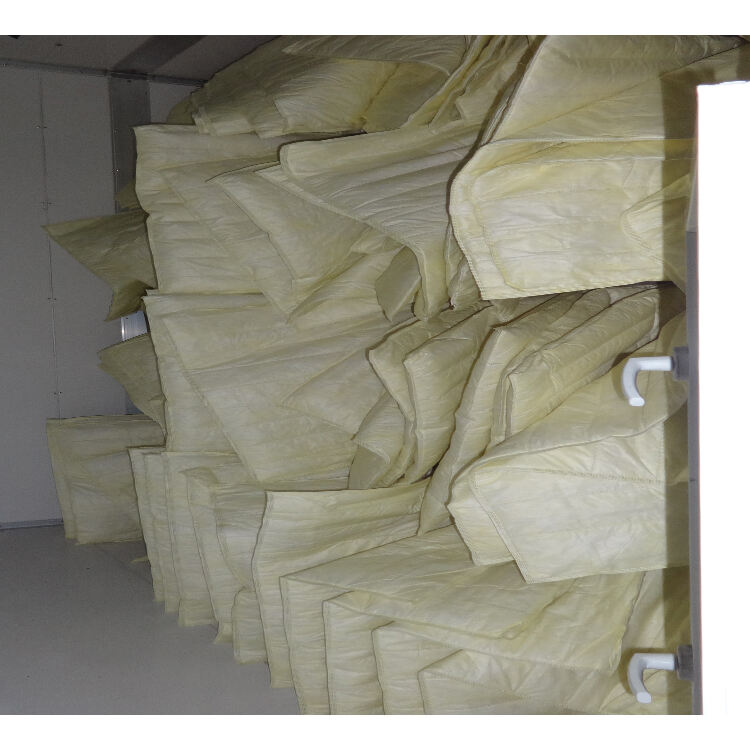
Compressed air quality directly affects product integrity, process reliability, and equipment longevity across virtually every application, making air system purification capabilities essential for operational success and regulatory compliance. Untreated compressed air contains three primary contaminants that threaten manufacturing operations: water vapor that condenses into liquid causing corrosion and product defects, oil residue from lubricated compressors that contaminates sensitive processes and products, and solid particles including atmospheric dust, pipe scale, and rust that damage equipment and compromise quality. The consequences of poor air quality range from subtle gradual degradation to catastrophic immediate failures, depending on application sensitivity and contamination levels. Food and beverage operations face particularly stringent requirements, as compressed air often contacts products directly during filling, conveying, or packaging processes, making contamination a potential health hazard and regulatory violation. Pharmaceutical manufacturing demands even higher purity standards, with sterile compressed air essential for tablet coating, fermentation processes, and filling operations where any contamination could compromise drug safety and efficacy. Electronics assembly requires oil-free, dry air to prevent oxidation and residue on sensitive components where even microscopic contamination causes field failures and warranty claims. Automotive painting operations need pristine air quality to achieve flawless finishes, as any moisture or oil creates defects that require expensive rework. Modern air system designs address these critical quality requirements through comprehensive treatment strategies incorporating multiple purification stages tailored to specific application needs. Oil-free compressor technology eliminates lubricant contamination at the source, using alternative bearing designs and cooling methods that generate completely oil-free compressed air without requiring problematic filtration to remove lubricant residues. Refrigerated dryers cool compressed air to condense moisture, then separate and drain the liquid water, reducing dew points to levels preventing condensation in typical facility environments. Desiccant dryers achieve even lower dew points for critical applications, using moisture-absorbing materials to create extremely dry compressed air suitable for pharmaceutical, electronics, and other demanding processes. Coalescing filters remove liquid aerosols and particles, while activated carbon adsorbers eliminate oil vapors that pass through mechanical filtration. Point-of-use filtration provides final purification immediately before air reaches critical applications, ensuring maximum protection regardless of distribution system conditions. Air quality monitoring validates treatment system performance, using sensors to continuously measure moisture content, oil vapor concentration, and particle counts, providing documentation for quality management systems and triggering alerts when parameters exceed acceptable limits. The investment in comprehensive air system treatment capabilities pays substantial returns through reduced scrap rates, eliminated rework costs, extended equipment service life, regulatory compliance assurance, and enhanced brand reputation for consistent quality that differentiates your products in competitive markets.

Get a Free Quote

Our representative will contact you soon.
Email
Name
Company Name
Attachment
Please upload at least an attachment
Up to 3 files,more 30mb,suppor jpg、jpeg、png、pdf、doc、docx、xls、xlsx、csv、txt
Message
0/1000

Get a Free Quote

Our representative will contact you soon.
Email
Name
Company Name
Attachment
Please upload at least an attachment
Up to 3 files,more 30mb,suppor jpg、jpeg、png、pdf、doc、docx、xls、xlsx、csv、txt
Message
0/1000