Professional Cleanrooms: Advanced Contamination Control Solutions for Manufacturing and Research

All Categories

Get a Free Quote

Our representative will contact you soon.
Email
Name
Company Name
Attachment
Please upload at least an attachment
Up to 3 files,more 30mb,suppor jpg、jpeg、png、pdf、doc、docx、xls、xlsx、csv、txt
Message
0/1000

Get a Free Quote

Our representative will contact you soon.
Email
Name
Company Name
Attachment
Please upload at least an attachment
Up to 3 files,more 30mb,suppor jpg、jpeg、png、pdf、doc、docx、xls、xlsx、csv、txt
Message
0/1000

cleanrooms

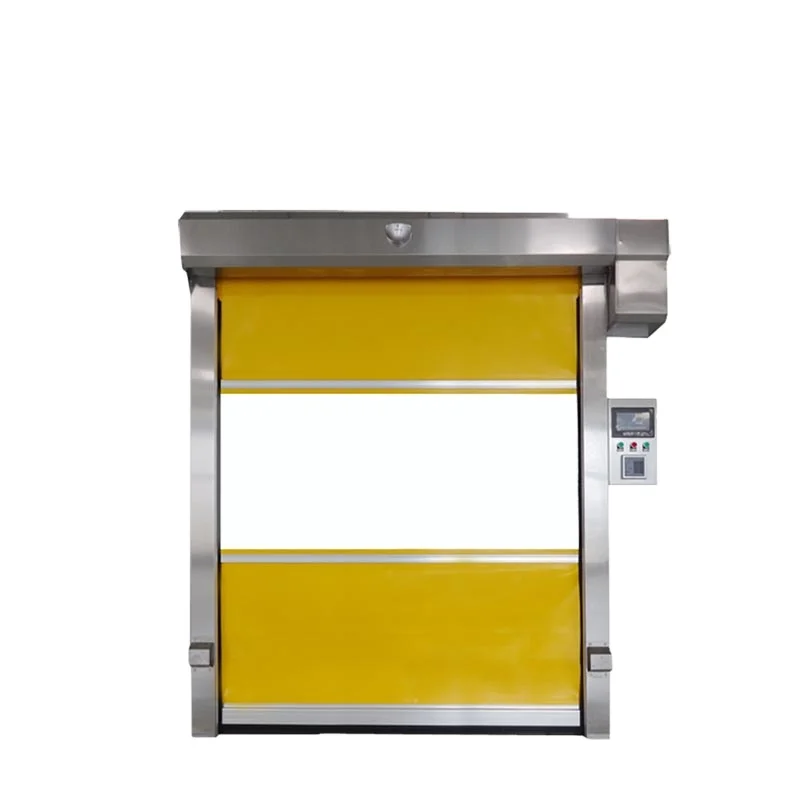
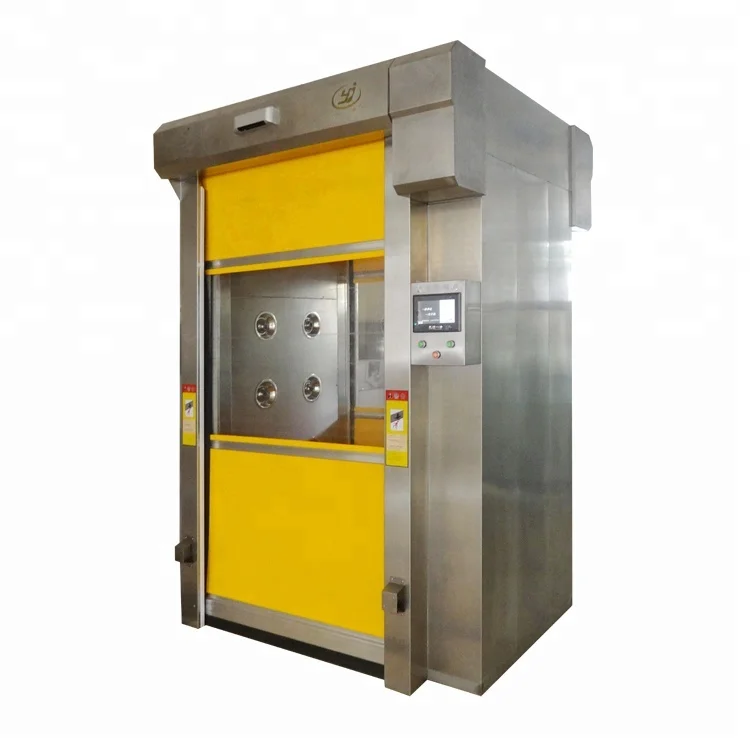
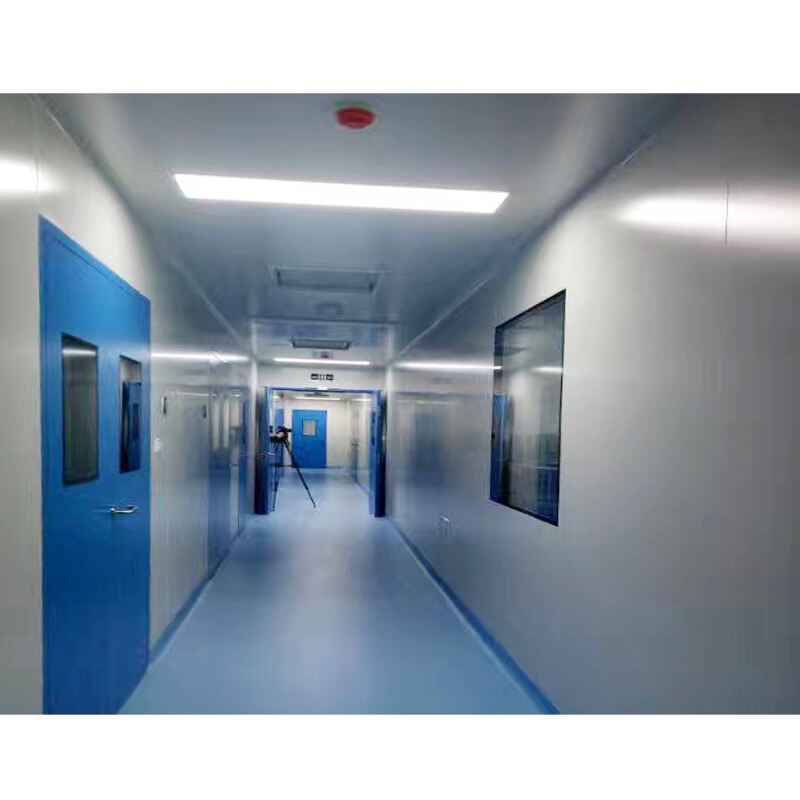
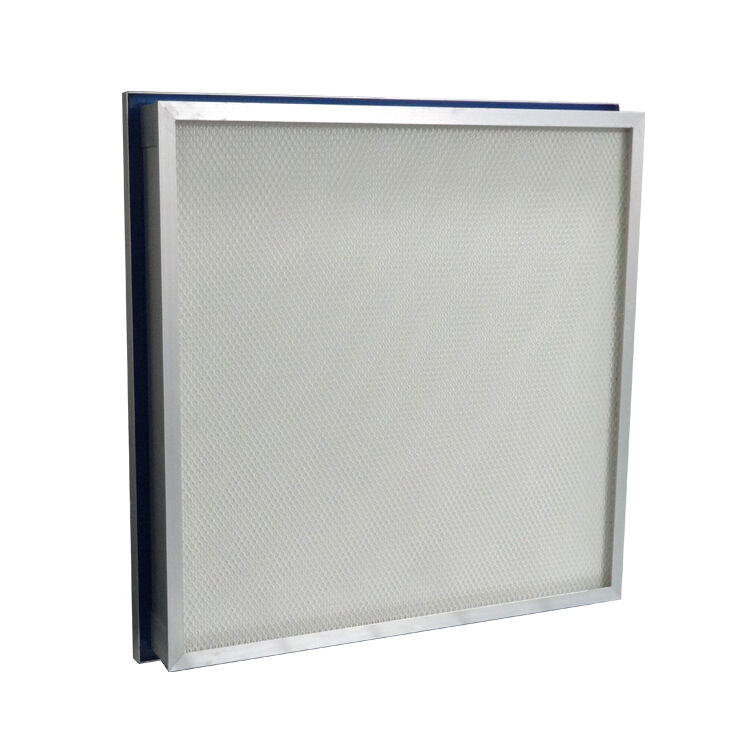
Cleanrooms represent specialized controlled environments engineered to maintain extremely low levels of airborne particles, contaminants, and pollutants. These sophisticated facilities serve critical functions across multiple industries where even microscopic contamination can compromise product quality, research integrity, or manufacturing precision. The primary purpose of cleanrooms involves creating and sustaining an environment where particulate concentration remains within strictly defined limits, measured by particles per cubic meter of air. Modern cleanrooms incorporate advanced filtration systems, typically utilizing High-Efficiency Particulate Air (HEPA) or Ultra-Low Penetration Air (ULPA) filters that capture 99.97% to 99.999% of particles as small as 0.3 microns. The technological infrastructure supporting cleanrooms includes sophisticated air handling units that continuously circulate and filter air, maintaining positive pressure differentials to prevent unfiltered air infiltration. Temperature and humidity controls ensure stable environmental conditions, while specialized flooring, wall panels, and ceiling systems minimize particle generation and facilitate thorough cleaning protocols. Cleanrooms find extensive applications in pharmaceutical manufacturing, where sterile conditions prevent contamination of medications and vaccines. The semiconductor industry relies heavily on cleanrooms for microchip fabrication, as even single particles can destroy delicate circuitry. Biotechnology research facilities utilize cleanrooms to protect sensitive experiments and cell cultures from environmental interference. Medical device manufacturing, aerospace component assembly, and precision optics production all depend on cleanroom technology to achieve required quality standards. The classification system for cleanrooms, established by international standards, ranges from ISO Class 1 (the cleanest) to ISO Class 9, with each class specifying maximum allowable particle concentrations at different size ranges. This standardization enables industries to select appropriate cleanliness levels matching their specific production or research requirements, ensuring optimal performance while managing operational costs effectively.

New Product Recommendations

Investing in cleanrooms delivers substantial practical benefits that directly impact your bottom line and operational success. The most immediate advantage involves dramatic improvements in product quality and consistency. By eliminating airborne contaminants that cause defects, rejections, and failures, cleanrooms significantly reduce waste and rework costs. Manufacturing facilities report defect rate reductions of 60% to 90% after implementing proper cleanroom protocols, translating directly into cost savings and improved profit margins. Your production yield increases substantially when environmental variables are controlled, meaning more sellable products from the same raw material inputs. Regulatory compliance becomes straightforward rather than challenging when your facility incorporates cleanroom technology. Industries facing strict oversight from agencies like the FDA, EPA, or international equivalents find that cleanrooms provide documented evidence of contamination control, simplifying audits and accelerating product approvals. This compliance advantage opens doors to new markets and customers who require certified manufacturing environments, expanding your business opportunities significantly. Employee health and safety improve markedly within cleanroom environments. The same filtration systems removing product contaminants also eliminate harmful airborne substances that workers might otherwise inhale, creating healthier working conditions. Controlled temperature and humidity levels enhance comfort, reducing fatigue and improving productivity. Workers in cleanrooms typically experience fewer respiratory issues and allergic reactions compared to conventional manufacturing spaces. The competitive advantage gained through cleanroom implementation cannot be overstated. Customers increasingly demand higher quality standards and verifiable contamination control. Facilities equipped with cleanrooms can pursue premium market segments, command higher prices, and differentiate themselves from competitors lacking such capabilities. Your ability to guarantee consistent quality builds customer trust and loyalty, generating repeat business and positive referrals. Long-term cost efficiency emerges as another significant benefit. While initial investment requires capital, cleanrooms reduce ongoing expenses through decreased material waste, lower rejection rates, fewer customer returns, and reduced liability exposure. Equipment longevity improves when operated in clean environments, as dust and contaminants accelerate wear and cause premature failures. Maintenance costs decline when machinery runs in filtered air rather than particle-laden atmospheres. The return on investment typically materializes within two to four years, after which cleanrooms continue delivering value throughout their operational lifespan. Flexibility represents another practical advantage, as modern cleanroom designs accommodate changing production needs. Modular construction allows expansion or reconfiguration without complete facility overhauls, protecting your investment as business requirements evolve.

Tips And Tricks

What Are the Key Components of an Effective Clean Air System

21

Oct

What Are the Key Components of an Effective Clean Air System

Understanding Modern Clean Air Technologies and Their Impact A well-designed clean air system serves as the foundation for maintaining optimal indoor air quality in both residential and commercial spaces. As we spend approximately 90% of our time ind...
View More
What Are the Key Differences Between Single and Double Air Showers

05

Nov

What Are the Key Differences Between Single and Double Air Showers

Understanding Air Shower Technology in Clean Room Environments In the realm of contamination control and cleanroom technology, air showers play a vital role in maintaining pristine environments. These sophisticated systems serve as critical gateways ...
View More
What Materials Are Recommended for Pass Box Construction?

05

Nov

What Materials Are Recommended for Pass Box Construction?

Essential Materials for Modern Pass Box Manufacturing Pass boxes serve as critical components in cleanroom environments, pharmaceutical facilities, and laboratories, facilitating the secure transfer of materials between spaces while maintaining contr...
View More
What Are the Common Issues with Air Handling Units and Solutions

02

Dec

What Are the Common Issues with Air Handling Units and Solutions

Air handling units serve as the backbone of modern HVAC systems, managing air circulation, filtration, and conditioning in commercial and industrial facilities. These sophisticated systems ensure optimal indoor air quality while maintaining energy ef...
View More

Get a Free Quote

Our representative will contact you soon.
Email
Name
Company Name
Attachment
Please upload at least an attachment
Up to 3 files,more 30mb,suppor jpg、jpeg、png、pdf、doc、docx、xls、xlsx、csv、txt
Message
0/1000

cleanrooms

Advanced Contamination Control Through Multi-Stage Filtration Systems

Advanced Contamination Control Through Multi-Stage Filtration Systems

The cornerstone of effective cleanroom performance lies in sophisticated multi-stage filtration technology that continuously purifies air to unprecedented levels of cleanliness. This system begins with pre-filters that capture larger particles, extending the lifespan of downstream filters while reducing maintenance frequency and costs. The air then passes through progressively finer filtration stages, culminating in HEPA or ULPA filters positioned at critical points throughout the facility. These final-stage filters represent the pinnacle of air purification technology, removing particles so small they remain invisible to the naked eye. The importance of this multi-layered approach cannot be overstated, as single-stage filtration proves inadequate for achieving the stringent cleanliness standards required in modern manufacturing and research applications. The value this brings to your operations extends far beyond simple particle removal. By maintaining consistent air quality, these filtration systems protect your products throughout every production stage, from raw material handling through final packaging. Sensitive electronic components remain free from conductive particles that cause short circuits. Pharmaceutical products avoid microbial contamination that renders batches unusable. Precision optical elements emerge without surface defects that compromise performance. The economic impact proves substantial, as contamination-related losses often represent 15% to 30% of production costs in facilities lacking proper filtration. Modern cleanroom filtration systems incorporate intelligent monitoring that tracks filter performance in real-time, alerting maintenance teams before efficiency degrades. This predictive approach prevents unexpected contamination events that could compromise entire production runs. The systems also feature energy-efficient designs that minimize operational costs while maintaining performance standards. Variable speed drives adjust airflow based on actual contamination levels rather than running continuously at maximum capacity, reducing electricity consumption by 30% to 50% compared to older constant-volume systems. For customers prioritizing sustainability alongside performance, these energy savings align environmental responsibility with economic benefits. The filtration infrastructure also contributes to workplace safety by removing chemical vapors, biological agents, and other hazardous airborne substances that pose health risks to personnel. This dual function of protecting both products and people maximizes the value of your cleanroom investment, addressing multiple operational concerns through a single integrated system.
Precise Environmental Control for Optimal Process Conditions

Precise Environmental Control for Optimal Process Conditions

Maintaining exact temperature and humidity levels represents a critical capability that distinguishes professional cleanrooms from basic filtered spaces. This precise environmental control directly influences product quality, process reliability, and operational efficiency across diverse applications. Temperature variations as small as one degree can alter chemical reaction rates, affect material properties, or cause dimensional changes in precision components. Humidity fluctuations generate static electricity that damages sensitive electronics, promote microbial growth in pharmaceutical environments, or cause hygroscopic materials to absorb moisture and change characteristics. Professional cleanrooms eliminate these variables through sophisticated climate control systems that maintain setpoints within extremely tight tolerances, typically plus or minus 0.5 degrees Celsius and 2% relative humidity. The importance of this capability becomes evident when examining real-world production challenges. Semiconductor manufacturers require stable conditions because thermal expansion of silicon wafers, even by nanometers, misaligns photolithography patterns and ruins chips worth thousands of dollars. Pharmaceutical companies need consistent humidity to prevent powder medications from clumping or tablets from absorbing moisture that affects dissolution rates. Biotechnology laboratories must maintain specific temperatures to keep cell cultures viable and experimental results reproducible. Without precise environmental control, these operations face unpredictable outcomes, increased waste, and potential safety issues. The value delivered to customers manifests in multiple dimensions. Product consistency improves dramatically when environmental variables are eliminated, reducing batch-to-batch variation that complicates quality control and regulatory compliance. Process optimization becomes possible because engineers can isolate the effects of procedural changes without confounding environmental factors. Equipment calibration remains stable longer when temperature swings do not cause dimensional changes in precision instruments. These benefits accumulate into substantial cost savings and competitive advantages. Modern environmental control systems incorporate zone-based management that maintains different conditions in separate areas of the same facility, maximizing flexibility for diverse operations. One zone might require cool, dry conditions for electronics assembly while an adjacent area needs warmer, more humid conditions for biological processes. This capability eliminates the need for separate buildings, reducing capital costs and improving operational efficiency. The systems also feature rapid recovery capabilities that quickly restore target conditions after disruptions like door openings or equipment heat loads, minimizing the duration of off-specification periods. Energy management features optimize heating, cooling, and dehumidification to minimize utility costs while maintaining required conditions, addressing the significant operational expense of climate control in large facilities.
Comprehensive Contamination Prevention Through Integrated Design

Comprehensive Contamination Prevention Through Integrated Design

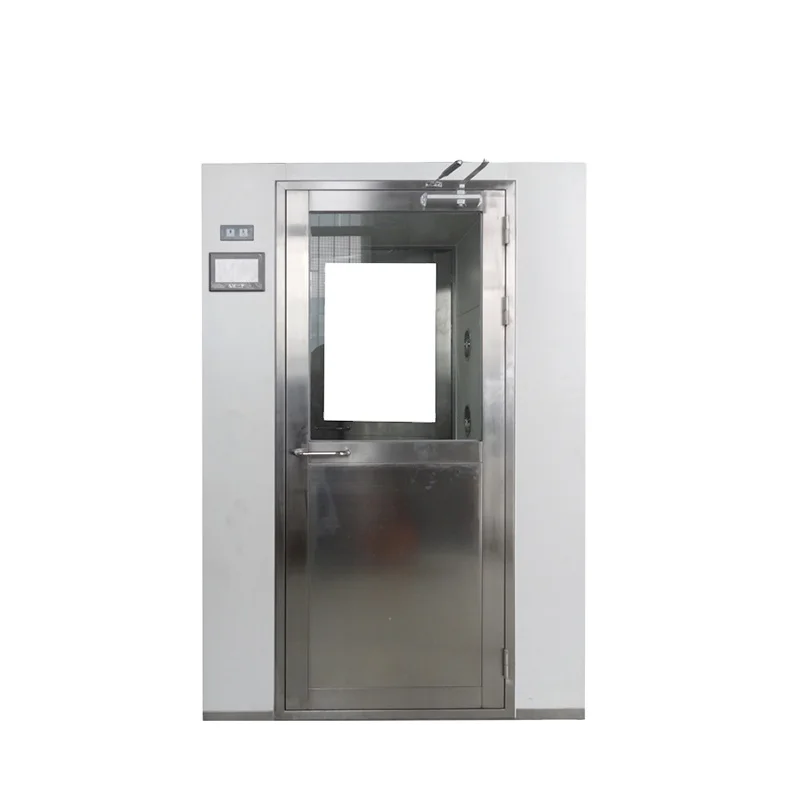
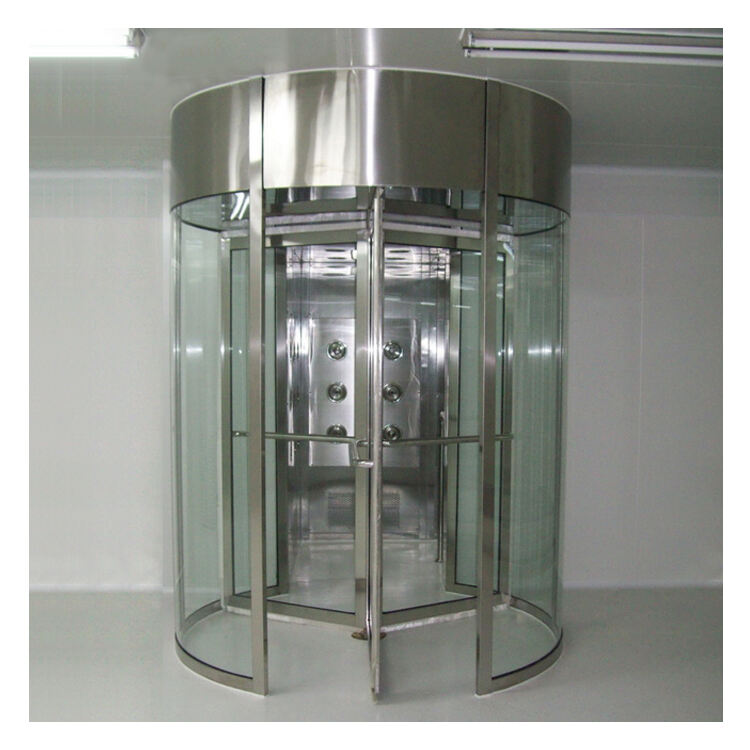
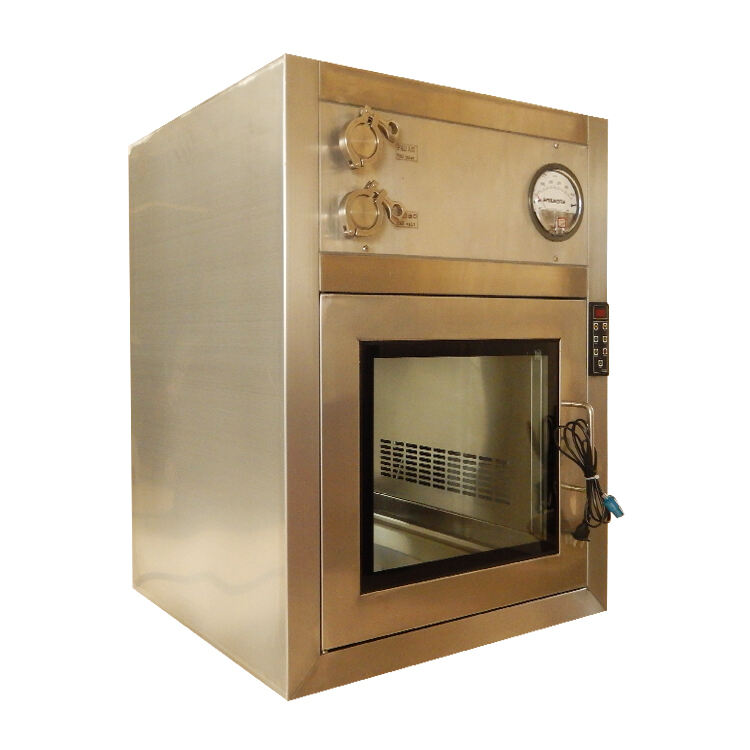
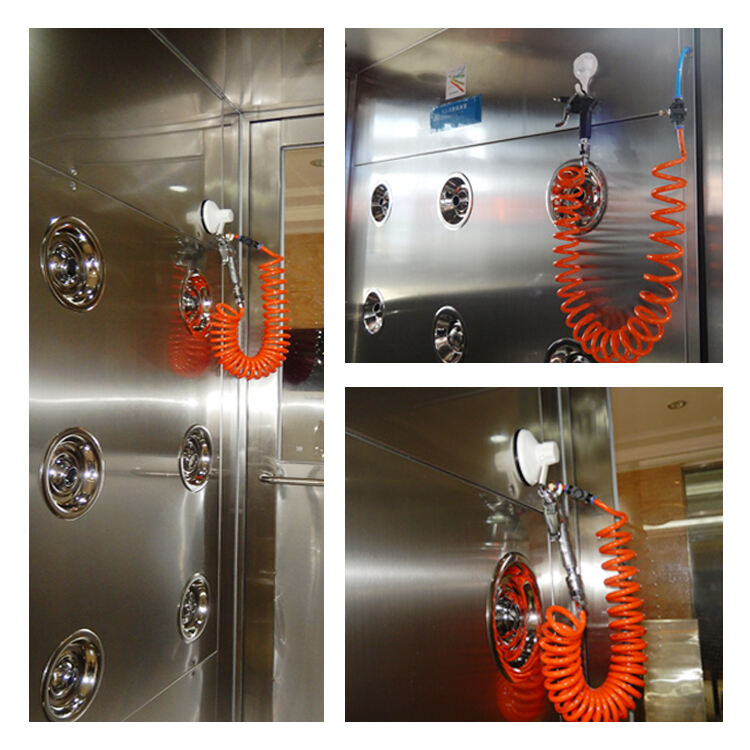
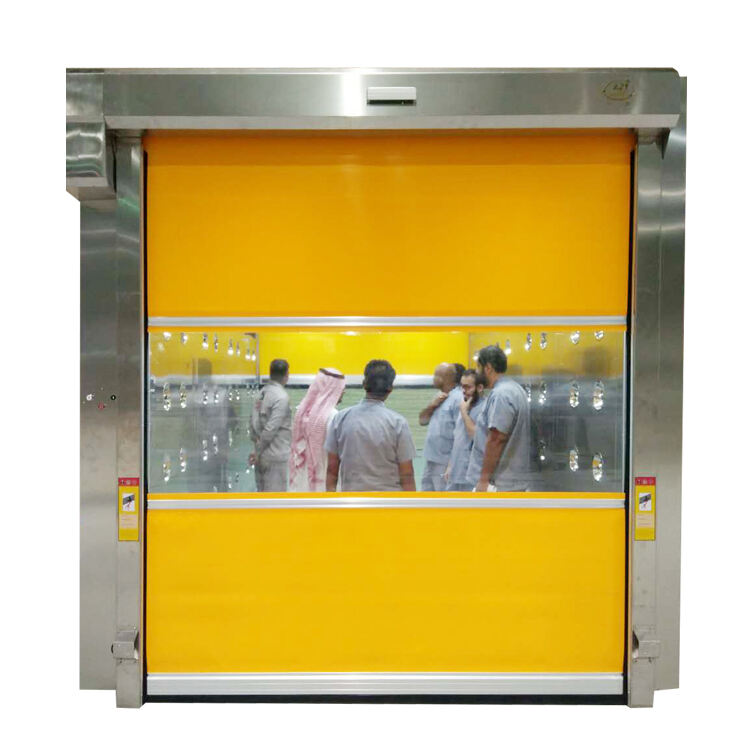
Effective cleanrooms extend far beyond filtration and climate control to encompass integrated design principles that prevent contamination at every potential source. This holistic approach addresses the reality that air filtration alone cannot overcome contamination generated within the cleanroom itself from surfaces, equipment, materials, and personnel. Professional cleanroom design incorporates specialized materials and construction techniques that minimize particle generation while facilitating thorough cleaning and disinfection. Wall and ceiling panels feature smooth, non-porous surfaces that do not shed particles and resist microbial colonization. Flooring systems eliminate cracks and crevices where contaminants accumulate, while providing seamless transitions that prevent particle traps. Lighting fixtures are recessed and sealed to avoid creating surfaces where dust settles. Every penetration for utilities, equipment, or structural elements is carefully sealed to prevent unfiltered air infiltration. The importance of this integrated approach becomes clear when considering that personnel represent the largest contamination source in most cleanrooms, generating millions of particles through skin shedding, clothing fibers, and movement. Comprehensive cleanroom design addresses this through specialized gowning protocols, airlocks that prevent direct pathways between controlled and uncontrolled spaces, and air shower systems that remove loose particles before entry. Material transfer systems prevent contamination during the movement of supplies and products into and out of the cleanroom. Equipment is selected or modified to minimize particle generation, with special attention to moving parts that create friction and wear. The value this integrated design delivers to customers manifests in sustained cleanliness levels that remain consistent over time rather than degrading as surfaces deteriorate or contamination pathways develop. Facilities designed with comprehensive contamination prevention require less frequent deep cleaning, reducing downtime and labor costs. The risk of contamination events that compromise production batches decreases substantially, protecting revenue and reputation. Regulatory inspections proceed smoothly when auditors observe thoughtful design that demonstrates commitment to quality rather than minimal compliance. Modern integrated cleanroom design also incorporates flexibility for future modifications without compromising contamination control. Modular wall systems allow reconfiguration as production needs change. Utility distribution through accessible ceiling plenums enables equipment additions without floor penetrations. This adaptability protects your investment by ensuring the cleanroom remains functional as your business evolves, avoiding the need for costly rebuilds when requirements change. The comprehensive approach also considers human factors, creating environments where personnel can work comfortably and efficiently while maintaining protocols, recognizing that contamination control ultimately depends on people following proper procedures consistently.

Get a Free Quote

Our representative will contact you soon.
Email
Name
Company Name
Attachment
Please upload at least an attachment
Up to 3 files,more 30mb,suppor jpg、jpeg、png、pdf、doc、docx、xls、xlsx、csv、txt
Message
0/1000

Get a Free Quote

Our representative will contact you soon.
Email
Name
Company Name
Attachment
Please upload at least an attachment
Up to 3 files,more 30mb,suppor jpg、jpeg、png、pdf、doc、docx、xls、xlsx、csv、txt
Message
0/1000