
 EN
EN
Understanding Critical Components of Modern Clean Room Environments
Clean rooms represent the pinnacle of controlled environments, where precision, cleanliness, and contamination control converge to create spaces essential for various industries. From pharmaceutical manufacturing to semiconductor production, these specialized facilities rely on specific clean room equipment to maintain their stringent cleanliness standards. The intricate ecosystem of a clean room depends on carefully selected materials, sophisticated monitoring systems, and specialized gear that work in harmony to achieve and maintain the required cleanliness levels.
Fundamental Clean Room Infrastructure Components
Air Handling and Filtration Systems
At the heart of every clean room lies its sophisticated air handling system. High-efficiency particulate air (HEPA) filters and ultra-low particulate air (ULPA) filters serve as the primary defense against airborne contaminants. These advanced filtration systems typically remove 99.99% of particles 0.3 microns or larger, ensuring the air within the clean room meets strict cleanliness classifications.
Modern clean room equipment includes laminar airflow systems that create a uniform flow of filtered air across the entire space. This continuous movement helps prevent particle settlement and maintains consistent air quality throughout the facility. Pressure differential monitoring systems ensure that clean rooms maintain positive pressure relative to adjacent spaces, preventing contamination from outside areas.
Environmental Monitoring and Control Systems
Sophisticated monitoring equipment plays a crucial role in maintaining clean room integrity. Temperature sensors, humidity monitors, and particle counters work continuously to track environmental conditions. These systems often feature real-time monitoring capabilities, allowing operators to respond immediately to any deviations from specified parameters.
Advanced clean room equipment includes building automation systems that integrate various control mechanisms. These systems manage everything from air handling units to pressure cascades, ensuring all environmental parameters remain within specified ranges. Data logging capabilities provide detailed records for compliance and quality assurance purposes.
Essential Personal Protective Equipment (PPE)
Specialized Clean Room Garments
Clean room garments represent a critical category of clean room equipment that directly impacts contamination control. These specialized suits, often made from low-particle-generating materials, include coveralls, hoods, boot covers, and gloves. Modern clean room garments incorporate advanced materials that resist particle shedding while maintaining operator comfort during extended wear.
The selection of appropriate garment materials depends on the clean room classification and specific application requirements. Some facilities require multiple layers of protection, while others may need specialized materials resistant to specific chemicals or processes. Storage and maintenance of these garments require dedicated systems, including specialized laundering facilities and storage cabinets.
Cleaning and Maintenance Tools
Specialized cleaning equipment designed specifically for clean room use plays a vital role in maintaining cleanliness standards. These tools include particulate-free wipes, mops with advanced microfiber materials, and HEPA-filtered vacuum systems. All cleaning materials must be compatible with clean room protocols and shouldn't generate particles or introduce contamination.
Regular maintenance procedures require specific tools and equipment that meet clean room standards. This includes sterilized tool kits, specialized lubricants, and maintenance documentation systems that track all activities within the controlled environment.
Production and Process Equipment
Specialized Manufacturing Equipment
Clean room manufacturing equipment must meet stringent design requirements to minimize particle generation and facilitate easy cleaning. This includes stainless steel construction, smooth surfaces, and minimal crevices where contaminants could accumulate. Equipment often incorporates features like local exhaust ventilation and enclosed processes to maintain cleanliness during operation.
Advanced production systems in clean rooms often feature automated components that reduce human intervention and associated contamination risks. This can include robotic handling systems, automated transfer systems, and enclosed processing units designed specifically for clean room environments.
Material Transfer Systems
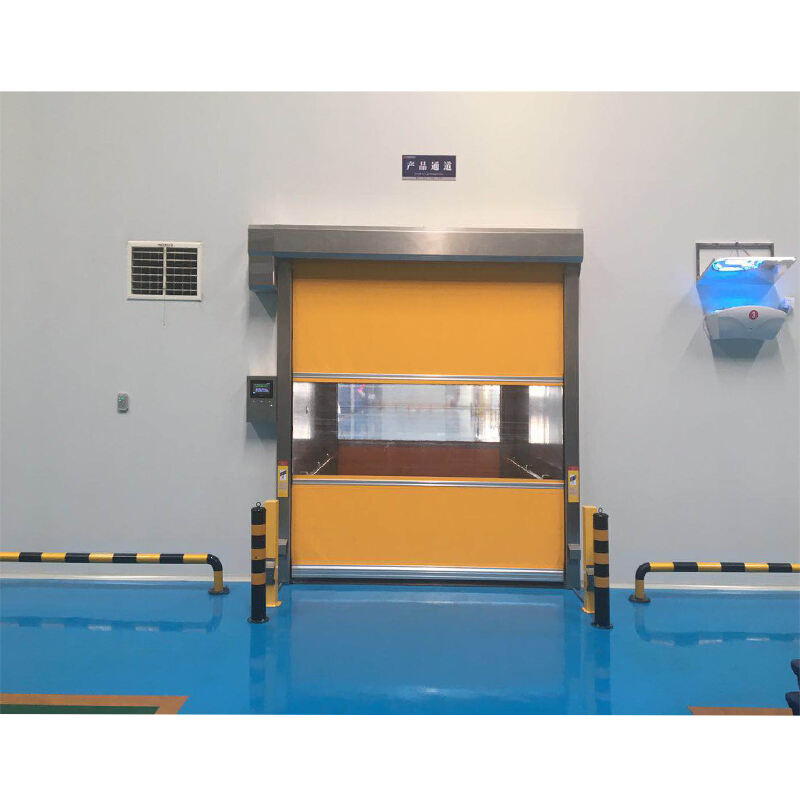
The movement of materials in and out of clean rooms requires specialized transfer equipment. Pass-through chambers, air showers, and material airlocks help maintain clean room integrity while allowing necessary materials to enter and exit. These systems often incorporate multiple stages of cleaning and decontamination to prevent the introduction of contaminants.
Modern clean room equipment includes sophisticated material handling systems designed to minimize particle generation during transport. This might include automated guided vehicles (AGVs) with HEPA filtration, specialized container systems, and dedicated transfer protocols that maintain clean room classification requirements.
Monitoring and Testing Equipment
Particle Counting Systems
Advanced particle monitoring systems represent essential clean room equipment for maintaining and verifying cleanliness levels. These systems include both portable and fixed particle counters that continuously monitor air quality. Modern systems often feature wireless connectivity and cloud-based data management for comprehensive monitoring and reporting.
Regular testing and certification of clean rooms require specialized equipment for measuring particle counts, air velocity, and pressure differentials. This includes calibrated instruments designed specifically for clean room applications and documented testing protocols that ensure compliance with industry standards.
Environmental Parameter Monitors
Comprehensive environmental monitoring systems track multiple parameters simultaneously. This includes temperature sensors, humidity monitors, differential pressure gauges, and airflow indicators. Integration of these monitoring systems provides a complete picture of clean room conditions and helps maintain required specifications.
Modern clean room equipment often includes smart sensors and IoT-enabled devices that provide real-time data and predictive maintenance capabilities. These advanced systems help optimize operation costs while ensuring consistent compliance with cleanliness requirements.
Frequently Asked Questions
What makes clean room equipment different from standard industrial equipment?
Clean room equipment is specifically designed to minimize particle generation, facilitate thorough cleaning, and maintain strict contamination control. It often features specialized materials, smooth surfaces, and sealed components that prevent particle accumulation and release. Unlike standard industrial equipment, clean room equipment must meet rigorous certification standards and undergo regular testing to ensure continued compliance with cleanliness requirements.
How often should clean room equipment be maintained and certified?
Most clean room equipment requires regular maintenance and certification, typically on a semi-annual or annual basis, depending on the classification level and regulatory requirements. Critical components like HEPA filters, monitoring systems, and environmental controls should undergo more frequent inspections, often monthly or quarterly, to ensure optimal performance and compliance.
What are the most critical environmental parameters to monitor in a clean room?
The most crucial parameters include particle counts, differential pressure, temperature, relative humidity, and air change rates. These parameters directly impact clean room classification and product quality. Modern monitoring systems typically track these parameters continuously, with alert systems in place to notify operators of any deviations from specified ranges.