aHU-ventilasie
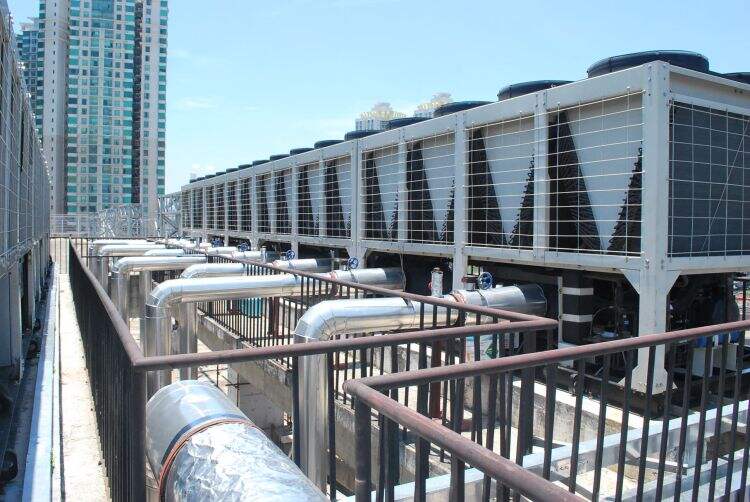
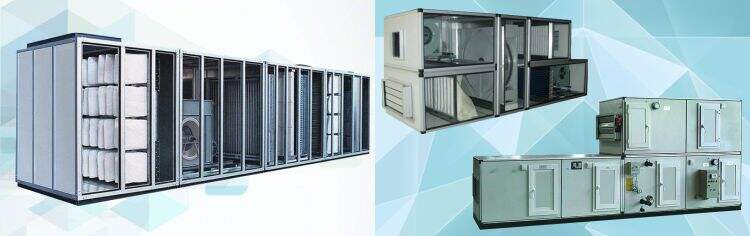
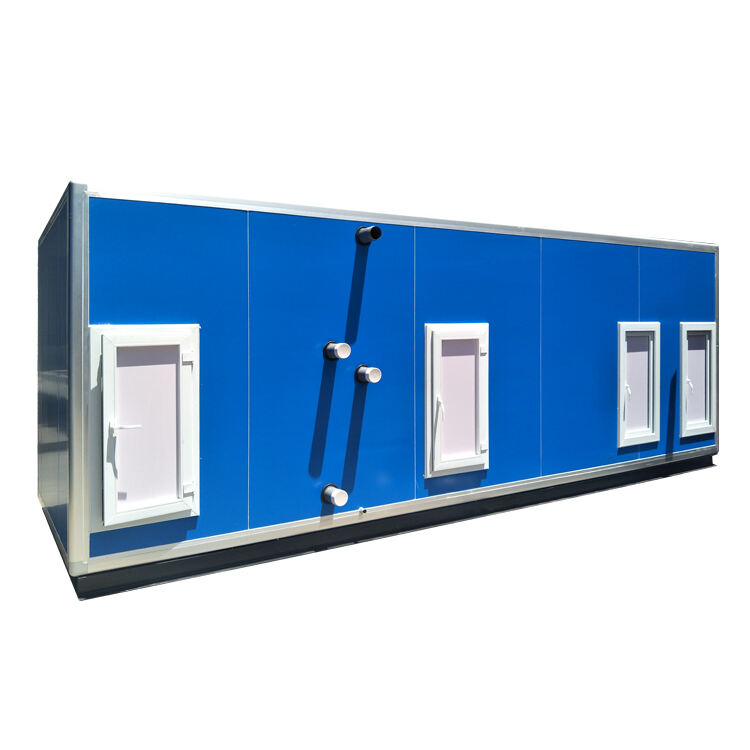
Ventilasie met lugbehandelingseenhede, algemeen bekend as AHU-ventilasie, verteenwoordig 'n gesofistikeerde klimaatbeheeroplossing wat ontwerp is om lug te reguleer en te sirkuleer binne residensiële, kommersiële en industriële ruimtes. Hierdie omvattende stelsel funksioneer as die sentrale spil vir die bestuur van binnelugkwaliteit deur temperatuur, vogtigheid, filters, en lugverspreiding deur 'n gebou te beheer. 'n AHU-ventilasiestelsel bestaan gewoonlik uit verskeie geïntegreerde komponente, insluitend ventilators, verhitting- en verkoelingskoils, filters, kleppe, vogtigheidsverhogers en klankdemperders, almal ingekapsel in 'n duursame metaalomhulsel. Die primêre funksie van AHU-ventilasie draai om vars buitelug na die gebou te trek terwyl stokkige binnelug gelyktydig verwyder word, wat 'n voortdurende siklus van lugvernuwing skep. Moderne AHU-ventilasiestelsels sluit gevorderde tegnologiese kenmerke in, soos veranderlike frekwensie-aandrywings wat ventilatorspoed volgens vraag aanpas, intelligente sensore wat lugkwaliteitsparameters in werklike tyd monitor, en programmeerbare beheerstelsels wat energieverbruik optimeer op grond van besettingspatrone. Hierdie stelsels het ook veelvlakkige filtersprosesse wat deeltjies, allergene, besoedelaars en skadelike mikro-organismes uit die lugvoorsiening verwyder, wat verseker dat besoekers en gebruikers skoner, gesonder lug inasem. Die verhittings- en verkoelingsvermoëns binne AHU-ventilasie maak presiese temperatuurbeheer oor verskillende sones moontlik en handhaaf gerieflike toestande seisoen-oor die hele jaar, ongeag buiteweerfluktuasies. Toepassings vir AHU-ventilasie strek oor uiteenlopende sektore, insluitend hospitale waar steriele omgewings noodsaaklik is, kantoorgeboue wat konsekwente gerief vir produktiwiteit vereis, vervaardigingsfasiliteite wat beheerde atmosferiese toestande benodig, onderwysinstellings wat studentegesondheid prioriteer, hotelle wat gastevredeheid vereis, winkelsentrums wat groot menigte moet hanteer, en residensiële komplekse wat superieure lugkwaliteit soek. Die veelsydigheid van AHU-ventilasie maak dit aanpasbaar vir geboue van verskillende groottes en konfigurasies, van klein eenhede wat een verdieping bedien tot reuse-installasies wat hele wolkekrabbers hanteer. Integrering met gebou-bestuurstelsels maak sentrale monitering en afstandaanpassings moontlik, wat fasiliteitsbestuurders ongekende beheer oor omgewingsomstandighede bied terwyl waardevolle data vir onderhoudsbeplanning en prestasie-optimering gegenereer word.

 EN
EN