FFU Systems - High-Efficiency Fan Filter Units for Cleanroom Air Purification Solutions

All Categories

Get a Free Quote

Our representative will contact you soon.
Email
Name
Company Name
Attachment
Please upload at least an attachment
Up to 3 files,more 30mb,suppor jpg、jpeg、png、pdf、doc、docx、xls、xlsx、csv、txt
Message
0/1000

Get a Free Quote

Our representative will contact you soon.
Email
Name
Company Name
Attachment
Please upload at least an attachment
Up to 3 files,more 30mb,suppor jpg、jpeg、png、pdf、doc、docx、xls、xlsx、csv、txt
Message
0/1000

ffu

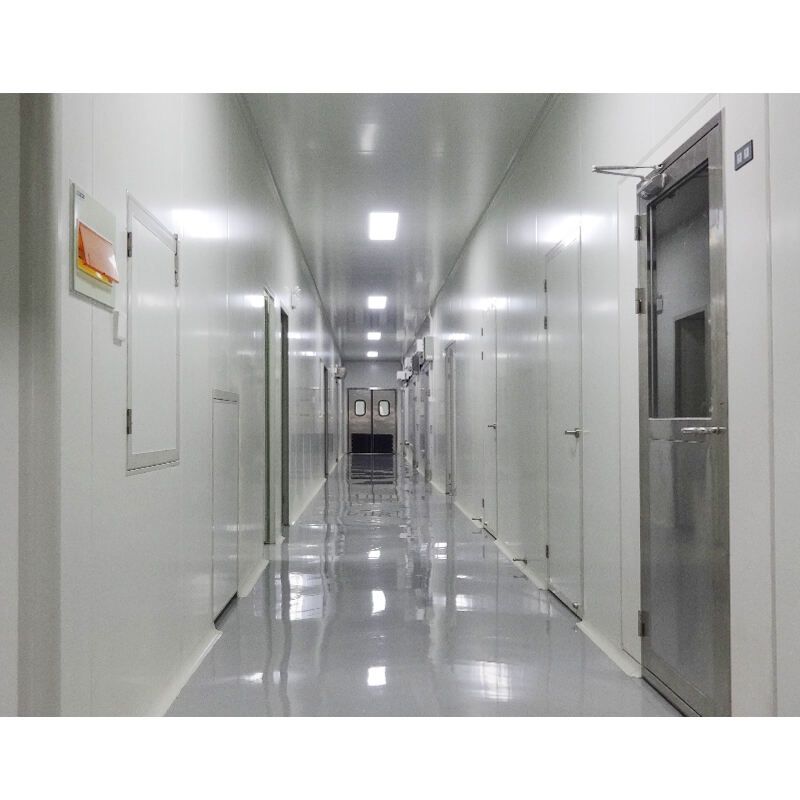
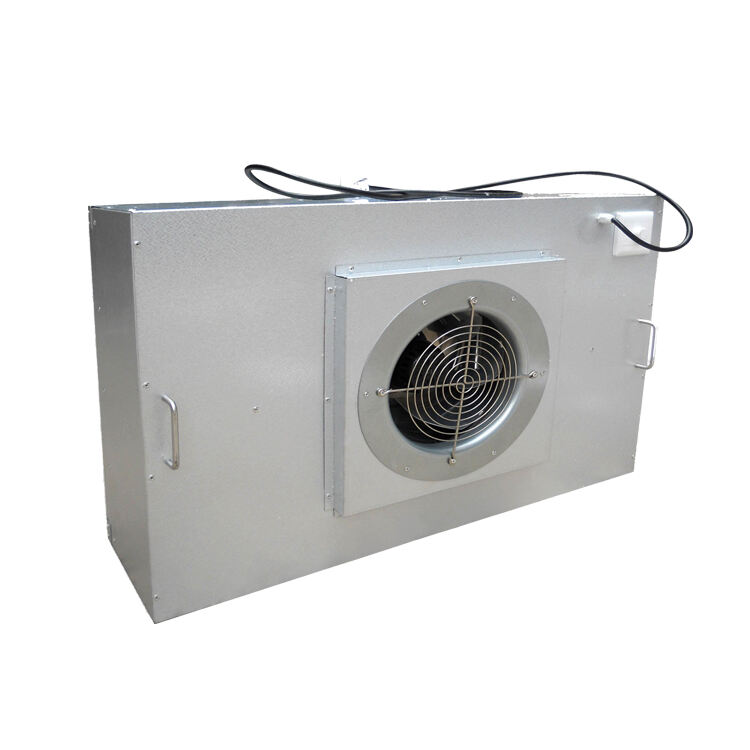
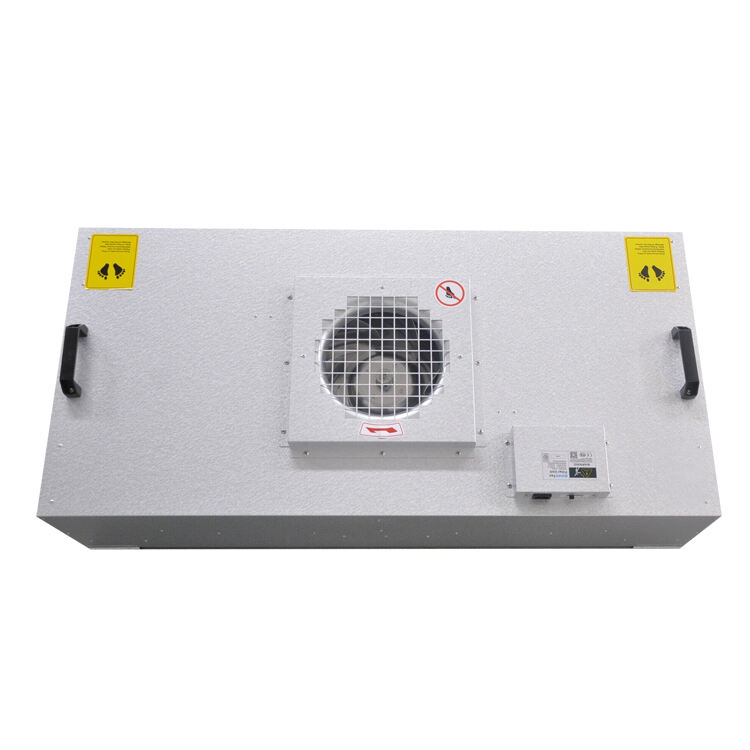
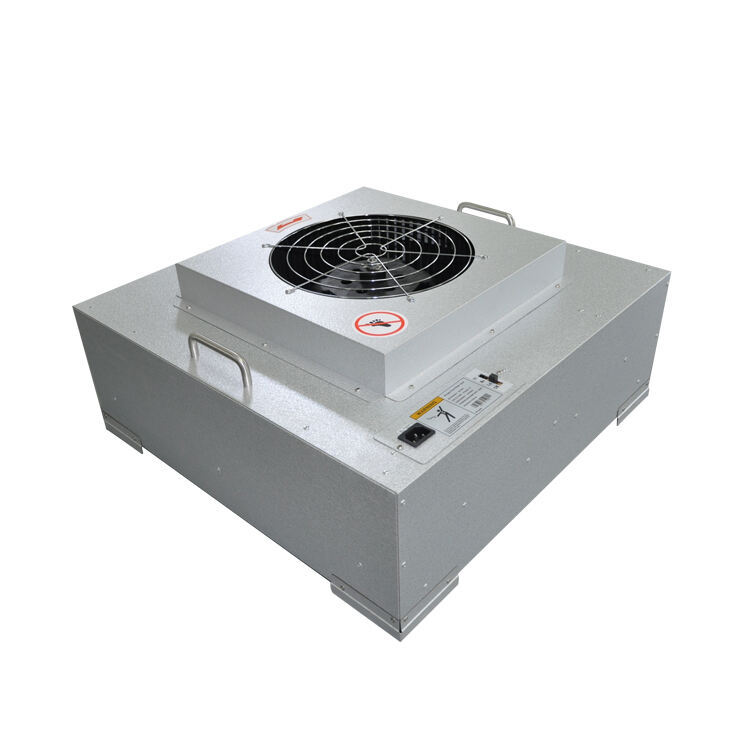
The Fan Filter Unit, commonly known as FFU, represents a sophisticated air purification system designed to deliver clean, filtered air in controlled environments. This self-contained device integrates a high-efficiency particulate air filter with a motorized fan assembly, creating a compact yet powerful solution for maintaining optimal air quality. The FFU operates by drawing ambient air through its filtration system and distributing purified air downward in a uniform laminar flow pattern, effectively removing airborne contaminants, particles, and microorganisms. The primary function of an FFU involves continuous air circulation and filtration, making it essential for environments requiring stringent cleanliness standards. Modern FFU systems incorporate advanced motor technology, typically featuring energy-efficient EC motors that provide variable speed control and reduced power consumption. The technological framework of these units includes intelligent monitoring systems, allowing real-time performance tracking and automated adjustments based on environmental conditions. FFU applications span diverse industries, including semiconductor manufacturing facilities, pharmaceutical production cleanrooms, biotechnology laboratories, hospital operating rooms, electronics assembly areas, and precision manufacturing environments. In semiconductor fabrication, FFU systems maintain the ultra-clean conditions necessary for microchip production, preventing particle contamination that could compromise product quality. Pharmaceutical companies rely on FFU technology to ensure sterile environments during drug manufacturing and packaging processes. Research laboratories utilize these units to protect sensitive experiments from airborne interference while safeguarding personnel from hazardous materials. The modular design of FFU systems enables flexible installation configurations, whether integrated into ceiling grids or mounted as standalone units. These systems typically feature HEPA or ULPA filtration media, capturing particles as small as 0.3 microns with efficiency ratings exceeding 99.99 percent. The combination of superior filtration performance, energy-efficient operation, and adaptable installation options positions the FFU as an indispensable component in modern cleanroom infrastructure and controlled environment applications across multiple industrial sectors.


Popular Products

Choosing an FFU system delivers substantial practical benefits that directly impact operational efficiency and environmental quality. First and foremost, these units provide exceptional air purification capabilities, removing harmful particles, dust, bacteria, and other contaminants that could compromise product quality or employee health. This superior filtration performance translates into reduced product defects, lower rejection rates, and improved manufacturing yields, ultimately saving significant costs in production environments. The energy efficiency of modern FFU technology stands out as a major advantage, with contemporary models consuming considerably less electricity compared to traditional air handling systems. Advanced EC motor technology enables precise speed control, allowing facilities to adjust airflow rates according to actual needs rather than running at full capacity continuously. This intelligent operation reduces energy bills substantially, often cutting power consumption by thirty to fifty percent compared to older systems. Installation simplicity represents another key benefit, as FFU units feature modular designs that integrate seamlessly into existing ceiling grid systems without requiring extensive structural modifications. This plug-and-play approach minimizes installation time, reduces labor costs, and allows for rapid deployment or reconfiguration as facility needs evolve. Maintenance requirements remain minimal due to the robust construction and accessible design of FFU components. Filter replacement procedures are straightforward, requiring no specialized tools or extensive downtime, which keeps operational disruptions to an absolute minimum. The quiet operation of these systems enhances workplace comfort, as modern FFU designs incorporate noise-reduction technologies that maintain sound levels well below disruptive thresholds. This creates a more pleasant working environment, potentially improving employee productivity and satisfaction. Long-term durability ensures that investment in FFU technology pays dividends over many years of reliable service. Quality units withstand continuous operation without performance degradation, maintaining consistent airflow and filtration efficiency throughout their operational lifespan. The scalability of FFU systems allows businesses to start with configurations matching current needs and expand capacity as operations grow, protecting initial investments while accommodating future requirements. Environmental sustainability benefits emerge from reduced energy consumption and extended filter lifespans, minimizing waste generation and carbon footprint. Remote monitoring capabilities in advanced FFU models enable proactive maintenance scheduling, preventing unexpected failures and optimizing replacement intervals based on actual filter condition rather than arbitrary timelines. These intelligent features reduce waste, lower operating costs, and ensure uninterrupted protection of critical environments, making FFU systems a smart choice for organizations prioritizing both performance and fiscal responsibility.

Practical Tips

How to Maintain Clean Air Systems to Meet ISO Standards

21

Oct

How to Maintain Clean Air Systems to Meet ISO Standards

Essential Guidelines for Industrial Air Quality Management In today's industrial landscape, maintaining clean air systems has become a critical requirement for operational excellence and regulatory compliance. Modern facilities must adhere to stringe...
View More
What Are the Essential Equipment and Materials in a Clean Room?

05

Nov

What Are the Essential Equipment and Materials in a Clean Room?

Understanding Critical Components of Modern Clean Room Environments Clean rooms represent the pinnacle of controlled environments, where precision, cleanliness, and contamination control converge to create spaces essential for various industries. Fro...
View More
How Do Clean Room Classifications Affect Operational Efficiency and Quality?

30

Jan

How Do Clean Room Classifications Affect Operational Efficiency and Quality?

Clean room classifications serve as the foundation for maintaining controlled environments across pharmaceutical, semiconductor, and medical device manufacturing industries. These standardized systems define the maximum allowable concentration of air...
View More
What Happens to Production Stability Without a Proper Cleanroom System?

30

Jan

What Happens to Production Stability Without a Proper Cleanroom System?

Manufacturing environments face critical challenges when operating without adequate contamination control measures. A properly designed cleanroom system serves as the foundation for maintaining consistent product quality, regulatory compliance, and o...
View More

Get a Free Quote

Our representative will contact you soon.
Email
Name
Company Name
Attachment
Please upload at least an attachment
Up to 3 files,more 30mb,suppor jpg、jpeg、png、pdf、doc、docx、xls、xlsx、csv、txt
Message
0/1000

ffu

Advanced Filtration Technology for Superior Air Quality

Advanced Filtration Technology for Superior Air Quality

The cornerstone of FFU excellence lies in its advanced filtration technology, which delivers unmatched air purification performance critical for maintaining pristine environmental conditions. At the heart of every FFU system resides a high-efficiency filter media, typically HEPA or ULPA grade, engineered to capture microscopic particles with extraordinary precision. These filters employ densely packed fiber matrices that create a tortuous path for airborne particles, utilizing multiple capture mechanisms including interception, impaction, and diffusion to trap contaminants as small as 0.3 microns with efficiency levels reaching 99.995 percent or higher. This exceptional filtration capability protects sensitive manufacturing processes from particle-induced defects that could otherwise result in costly production failures. In semiconductor fabrication, even a single particle can destroy an entire wafer, making the FFU filtration technology an essential safeguard against such catastrophic losses. The pharmaceutical industry benefits equally, as FFU systems prevent microbial contamination during sterile drug production, ensuring patient safety and regulatory compliance. Beyond basic particle removal, modern FFU filters incorporate antimicrobial treatments and specialized media designed to neutralize biological contaminants, chemical vapors, and molecular pollutants that standard filtration cannot address. This multi-layered protection approach creates environments where sensitive products, delicate research, and vulnerable individuals remain shielded from invisible threats. The uniform laminar airflow pattern generated by FFU systems represents another critical aspect of their filtration superiority. Unlike turbulent air movement that can create dead zones and particle recirculation, laminar flow sweeps contaminants steadily downward and away from critical work surfaces, maintaining consistent cleanliness throughout the protected space. This controlled air movement pattern prevents cross-contamination between different work areas and ensures that newly generated particles are immediately captured and removed rather than allowed to settle on products or equipment. The filtration technology within FFU units undergoes rigorous testing and certification according to international standards, providing documented assurance of performance claims. Each unit receives individual testing to verify its filtration efficiency, airflow uniformity, and leak integrity before leaving the factory, guaranteeing that customers receive systems meeting or exceeding specified performance criteria. This quality assurance process eliminates uncertainty and provides peace of mind that critical environments remain adequately protected.
Energy-Efficient Operation Reducing Operational Costs

Energy-Efficient Operation Reducing Operational Costs

Energy efficiency stands as a defining characteristic of modern FFU systems, delivering substantial cost savings while supporting corporate sustainability initiatives. Traditional cleanroom air handling systems often consume enormous amounts of electricity, operating large central fans and extensive ductwork networks that generate significant energy losses through friction and leakage. FFU technology fundamentally reimagines this approach by distributing multiple smaller fan units throughout the cleanroom ceiling, each serving a localized area with optimized efficiency. This distributed architecture eliminates the energy waste associated with long duct runs and enables precise control over airflow in different zones according to actual cleanliness requirements. The incorporation of electronically commutated motors represents a technological breakthrough that dramatically improves FFU energy performance. These advanced motors convert electrical energy into mechanical motion with minimal losses, achieving efficiency ratings often exceeding ninety percent compared to conventional motors that typically operate at seventy percent efficiency or lower. The cumulative effect of deploying multiple high-efficiency FFU units throughout a facility translates into substantial reductions in total power consumption, often cutting energy costs by thousands or even tens of thousands of dollars annually in large installations. Beyond motor efficiency, intelligent control systems further enhance energy savings by automatically adjusting FFU operation based on real-time environmental monitoring. Sensors continuously measure particle counts, differential pressure, and occupancy status, allowing the control system to reduce airflow during unoccupied periods or when cleanliness levels exceed requirements. This dynamic optimization ensures that energy consumption remains proportional to actual needs rather than worst-case scenarios, eliminating wasteful over-ventilation that drains resources without providing additional benefit. Variable speed capability enables FFU systems to operate at optimal efficiency points across a wide range of conditions, avoiding the energy penalties associated with fixed-speed systems that must cycle on and off or use inefficient dampers to modulate airflow. The ability to dial in precise airflow rates also supports process optimization, allowing facilities to determine the minimum ventilation necessary to maintain required cleanliness standards rather than defaulting to conservative over-design margins. Long-term energy savings compound over the operational lifespan of FFU installations, which typically extends fifteen to twenty years or more with proper maintenance. The cumulative electricity cost savings over this period often exceed the initial equipment investment multiple times over, making FFU technology a financially sound decision that improves both immediate budget performance and long-term profitability while simultaneously reducing environmental impact through lower carbon emissions.
Flexible Installation and Scalable Configuration Options

Flexible Installation and Scalable Configuration Options

The modular design philosophy underlying FFU technology provides unprecedented flexibility in system configuration and installation, accommodating diverse facility layouts and evolving operational requirements. Unlike centralized air handling systems that require extensive planning, structural modifications, and lengthy installation timelines, FFU units integrate seamlessly into standard cleanroom ceiling grid systems using simple mounting brackets and quick-connect electrical interfaces. This plug-and-play approach enables rapid deployment, often completing installations in a fraction of the time required for traditional systems, which translates into earlier production startup and faster return on investment. The standardized dimensions of FFU units align with common ceiling grid spacings, allowing straightforward replacement or addition of units without custom fabrication or structural reinforcement. This standardization also simplifies inventory management, as facilities can maintain spare units knowing they will fit any location within their cleanroom infrastructure. When operational needs change due to new product lines, process modifications, or capacity expansions, FFU systems adapt effortlessly through simple reconfiguration rather than requiring wholesale system replacement. Organizations can add units to increase cleanliness levels in specific zones, relocate units to serve different areas, or remove units from spaces no longer requiring high-level filtration, all without disrupting operations in adjacent areas. This adaptability protects capital investments by ensuring that cleanroom infrastructure remains aligned with current business needs rather than becoming obsolete as requirements evolve. The scalability of FFU systems extends from small laboratory spaces requiring just a few units to massive manufacturing facilities deploying thousands of units across multiple cleanrooms. This scalability enables organizations to implement cleanroom capabilities incrementally, matching capital expenditure to business growth rather than requiring large upfront investments in oversized infrastructure. Start-up companies and research organizations particularly benefit from this approach, as they can establish initial cleanroom capabilities with modest investment and expand systematically as funding permits and business success justifies additional capacity. The distributed nature of FFU systems also enhances operational resilience, as the failure of a single unit affects only a small localized area rather than compromising the entire cleanroom. This redundancy allows continued operation during maintenance activities or equipment failures, minimizing production disruptions and revenue losses. Facilities can schedule preventive maintenance during planned downtime or perform unit replacements during normal operations without requiring complete cleanroom shutdown, maintaining productivity levels that would be impossible with centralized systems requiring facility-wide service interruptions. The international availability of FFU components and standardized replacement parts ensures that organizations worldwide can maintain their systems efficiently regardless of location, avoiding the supply chain complications and extended lead times that can plague proprietary or custom-engineered solutions.

Get a Free Quote

Our representative will contact you soon.
Email
Name
Company Name
Attachment
Please upload at least an attachment
Up to 3 files,more 30mb,suppor jpg、jpeg、png、pdf、doc、docx、xls、xlsx、csv、txt
Message
0/1000

Get a Free Quote

Our representative will contact you soon.
Email
Name
Company Name
Attachment
Please upload at least an attachment
Up to 3 files,more 30mb,suppor jpg、jpeg、png、pdf、doc、docx、xls、xlsx、csv、txt
Message
0/1000