Air In Shower System: Advanced Contamination Control for Cleanroom Environments

All Categories

Get a Free Quote

Our representative will contact you soon.
Email
Name
Company Name
Attachment
Please upload at least an attachment
Up to 3 files,more 30mb,suppor jpg、jpeg、png、pdf、doc、docx、xls、xlsx、csv、txt
Message
0/1000

Get a Free Quote

Our representative will contact you soon.
Email
Name
Company Name
Attachment
Please upload at least an attachment
Up to 3 files,more 30mb,suppor jpg、jpeg、png、pdf、doc、docx、xls、xlsx、csv、txt
Message
0/1000

air in shower system

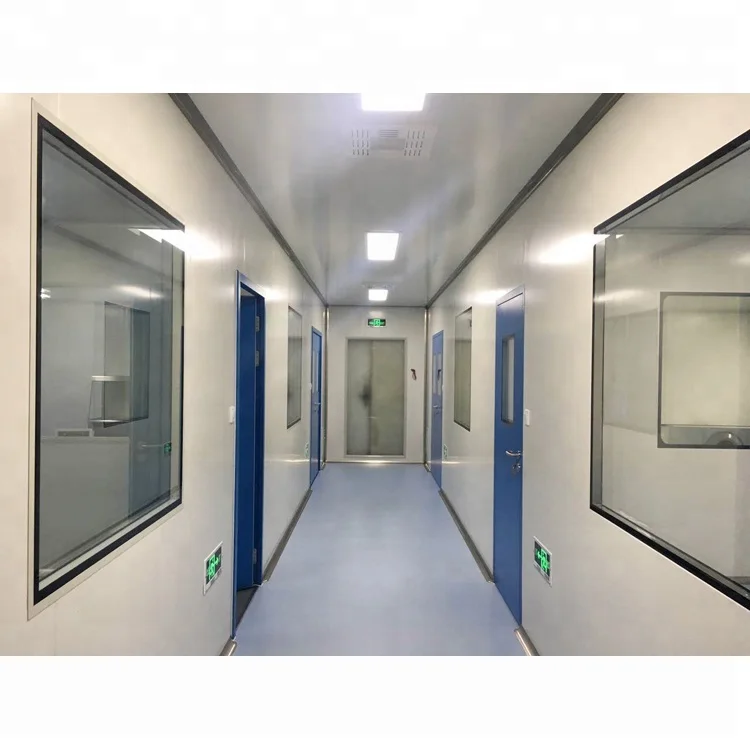
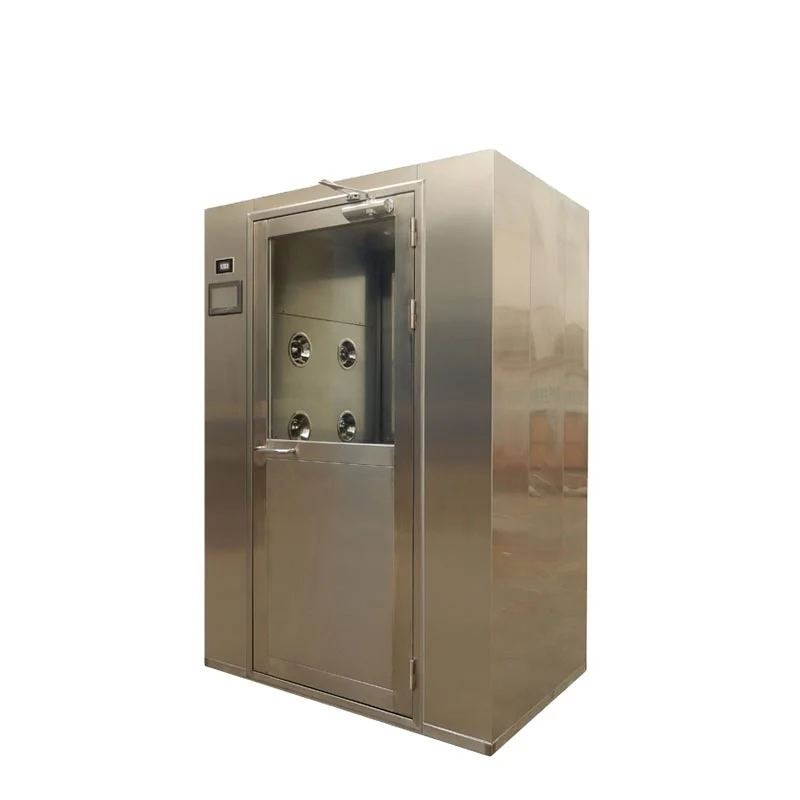
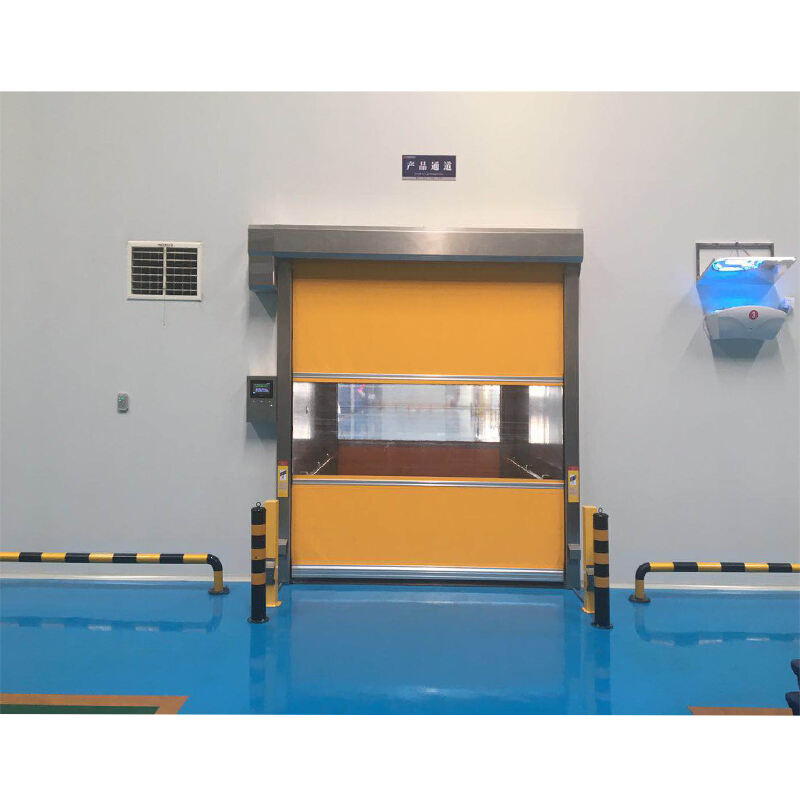
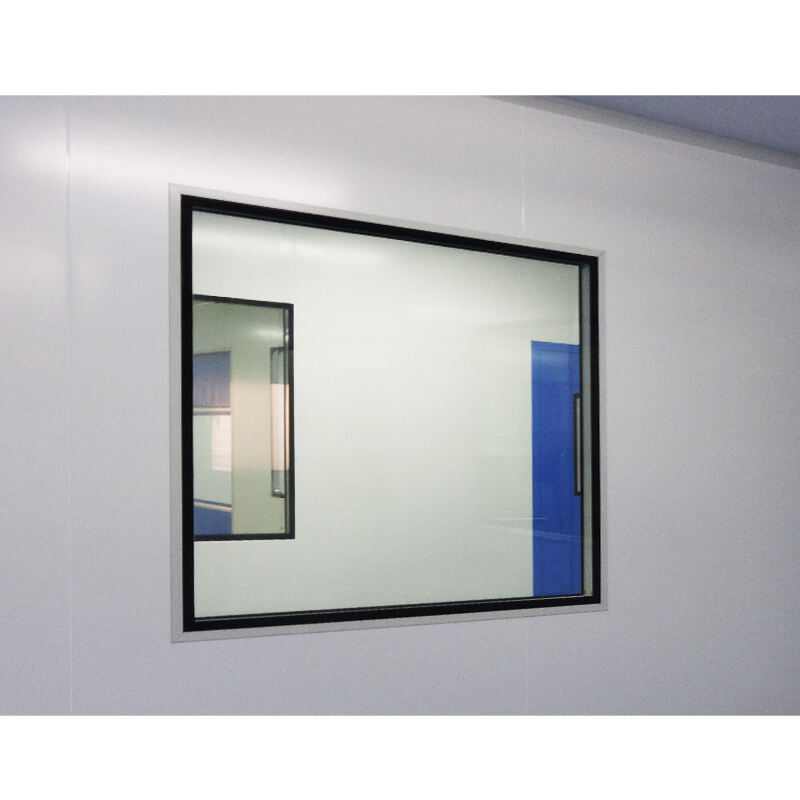
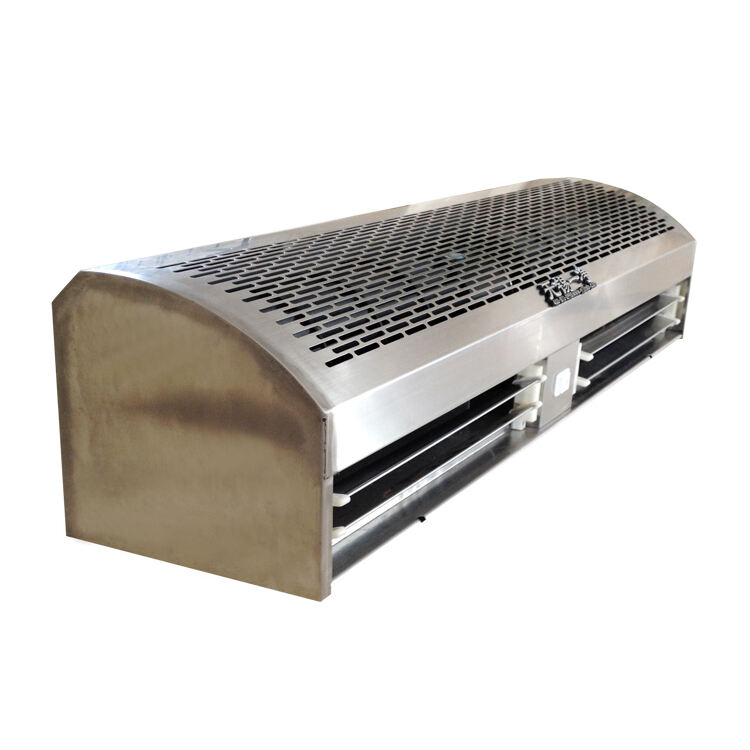
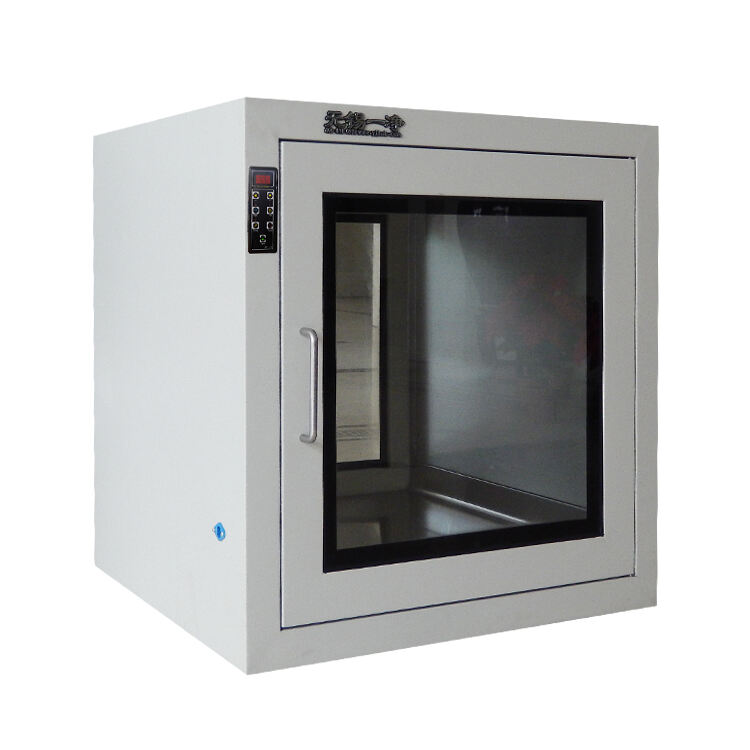
An air in shower system represents a sophisticated contamination control solution designed to maintain cleanroom integrity during personnel and material transitions. This specialized equipment creates a controlled environment where high-velocity filtered air removes particulate contamination from surfaces before entry into sensitive manufacturing or laboratory spaces. The system operates by directing multiple jets of HEPA or ULPA filtered air across all exposed surfaces, effectively dislodging and capturing loose particles, dust, fibers, and other contaminants that could compromise product quality or experimental results. Modern air in shower systems incorporate advanced sensor technology, automated door interlocks, and programmable cycle times to ensure consistent decontamination performance. The technological framework includes precision-engineered nozzles positioned strategically throughout the chamber to create overlapping air patterns that reach every surface area. These systems typically feature stainless steel construction for durability and easy cleaning, with sealed chambers that prevent cross-contamination between classified and unclassified areas. The air in shower system functions as a critical barrier in industries where even microscopic contamination can result in significant product defects or safety concerns. Applications span pharmaceutical manufacturing, semiconductor fabrication, biotechnology research, medical device production, aerospace component assembly, and food processing facilities. The integration of real-time monitoring systems allows facility managers to track performance metrics, validate cleaning cycles, and maintain compliance with regulatory standards. Energy-efficient designs incorporate variable frequency drives and optimized airflow patterns to reduce operational costs while maintaining effectiveness. The modular nature of contemporary air in shower systems enables customization for specific facility requirements, accommodating different chamber sizes, airflow velocities, and filtration grades based on the cleanliness classification needed for particular operations.

New Product Recommendations

The air in shower system delivers substantial operational benefits that directly impact production efficiency and product quality. First, these systems dramatically reduce contamination-related defects by removing up to 99.97 percent of particles before personnel or materials enter controlled environments. This prevention-focused approach saves companies significant costs associated with product recalls, rework, and waste disposal. The automated operation eliminates human error in decontamination procedures, ensuring every entry follows the same rigorous cleaning protocol regardless of shift changes or personnel variations. Facilities experience measurable improvements in yield rates, particularly in semiconductor and pharmaceutical operations where even single particles can ruin entire production batches. The air in shower system also protects employee health by removing potentially hazardous particles from protective garments and equipment before workers remove their cleanroom attire. This bidirectional protection maintains both product integrity and workplace safety simultaneously. Installation of these systems demonstrates regulatory compliance, satisfying FDA, ISO, and industry-specific cleanliness standards that govern manufacturing practices. Auditors and inspectors recognize air in shower systems as best-practice contamination control, which can expedite certification processes and reduce compliance-related delays. The economic advantages extend beyond defect prevention to include reduced cleaning frequency for cleanroom interiors, as the system intercepts contaminants at the entry point rather than allowing them to spread throughout the facility. Energy consumption remains reasonable despite the high-velocity airflow because cycles typically last only 15 to 30 seconds, and modern systems use efficient motor technology. Maintenance requirements stay minimal with straightforward filter replacement schedules and durable construction that withstands years of continuous operation. The system provides quantifiable data through integrated monitoring, allowing quality assurance teams to document contamination control effectiveness for validation purposes. Companies also benefit from improved employee confidence, as workers appreciate the visible commitment to maintaining pristine working conditions. The air in shower system creates a psychological barrier that reinforces contamination control awareness, encouraging personnel to maintain proper gowning procedures and handle materials carefully. Flexibility in programming allows facilities to adjust cycle times and air velocities based on specific contamination risks, optimizing performance for different materials or personnel traffic patterns. The return on investment typically materializes within the first year through reduced defect rates and improved production consistency, making the air in shower system a financially sound contamination control strategy.

Tips And Tricks

What Are the Essential Equipment and Materials in a Clean Room?

05

Nov

What Are the Essential Equipment and Materials in a Clean Room?

Understanding Critical Components of Modern Clean Room Environments Clean rooms represent the pinnacle of controlled environments, where precision, cleanliness, and contamination control converge to create spaces essential for various industries. Fro...
View More
What Are the Applications of Clean Air Systems in Pharmaceuticals

02

Dec

What Are the Applications of Clean Air Systems in Pharmaceuticals

The pharmaceutical industry operates under stringent regulatory requirements where product quality, safety, and efficacy are paramount. Contamination control represents one of the most critical aspects of pharmaceutical manufacturing, making clean ai...
View More
How Do Clean Room Classifications Affect Operational Efficiency and Quality?

30

Jan

How Do Clean Room Classifications Affect Operational Efficiency and Quality?

Clean room classifications serve as the foundation for maintaining controlled environments across pharmaceutical, semiconductor, and medical device manufacturing industries. These standardized systems define the maximum allowable concentration of air...
View More
What Problems Can Occur If a Clean Room Fails to Meet Industry Standards?

30

Jan

What Problems Can Occur If a Clean Room Fails to Meet Industry Standards?

Clean room facilities serve as the backbone of numerous industries, from pharmaceutical manufacturing to semiconductor production. When these controlled environments fail to meet established clean room standards, the consequences can be severe and fa...
View More

Get a Free Quote

Our representative will contact you soon.
Email
Name
Company Name
Attachment
Please upload at least an attachment
Up to 3 files,more 30mb,suppor jpg、jpeg、png、pdf、doc、docx、xls、xlsx、csv、txt
Message
0/1000

air in shower system

Advanced Filtration Technology Ensures Maximum Particle Removal

Advanced Filtration Technology Ensures Maximum Particle Removal

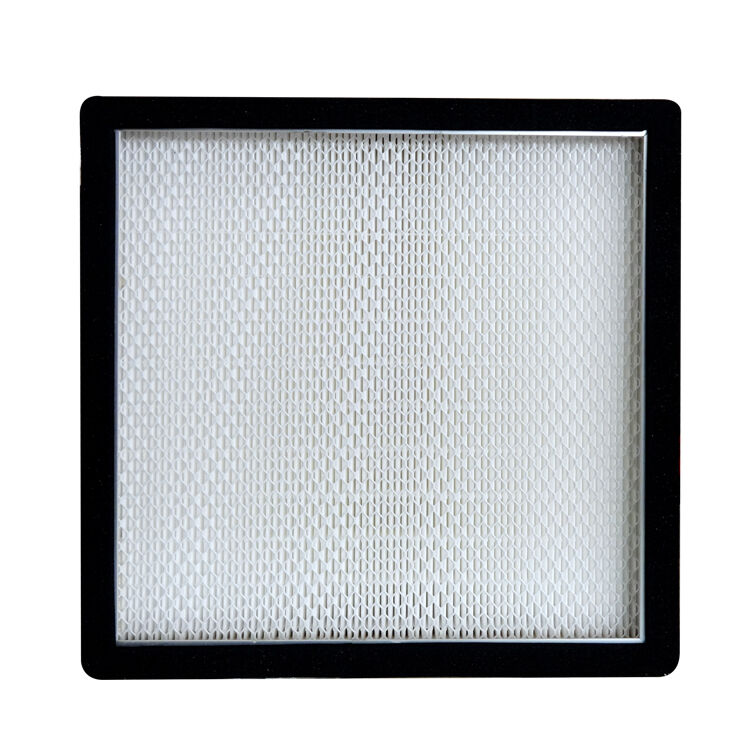
The cornerstone of any effective air in shower system lies in its sophisticated filtration technology, which employs HEPA or ULPA filters capable of capturing particles as small as 0.12 microns with exceptional efficiency. These high-performance filters work in conjunction with precisely calibrated air velocity systems that generate wind speeds between 20 and 30 meters per second, creating the kinetic energy necessary to dislodge stubborn particles from clothing fibers, equipment surfaces, and material containers. The filtration process begins as ambient air enters the system through pre-filters that remove larger particles, extending the service life of the primary HEPA filters and maintaining consistent performance over extended periods. The filtered air then passes through a plenum chamber where it gains uniform pressure distribution before being directed through strategically positioned nozzles throughout the shower chamber. Engineers design nozzle placement using computational fluid dynamics modeling to eliminate dead zones where particles might escape the cleaning action, ensuring complete coverage of all surfaces within the chamber. The air in shower system continuously recirculates and filters the air during each cleaning cycle, progressively reducing particle concentrations with each pass through the filtration media. This multi-pass approach proves particularly effective for removing particles that require multiple impacts to dislodge from textured surfaces or fabric weaves. Modern systems incorporate differential pressure sensors that monitor filter loading in real-time, alerting maintenance personnel when filter replacement becomes necessary to maintain optimal performance. The filtration efficiency remains consistent across varying environmental conditions because the system operates as a closed loop, independent of external air quality fluctuations. Facilities operating in high-pollution areas or during seasonal pollen events maintain the same contamination control standards as those in pristine environments. The air in shower system also features final-stage filtration on exhaust ports, preventing any captured contaminants from re-entering the facility atmosphere during system operation. This comprehensive filtration approach addresses both incoming contamination and prevents secondary contamination events that could compromise adjacent areas. The longevity of filter media in these systems typically exceeds standard HVAC applications because the controlled environment and pre-filtration stages reduce the contamination load on primary filters, resulting in lower operational costs and less frequent maintenance interventions.
Intelligent Automation Streamlines Contamination Control Protocols

Intelligent Automation Streamlines Contamination Control Protocols

Contemporary air in shower systems incorporate intelligent automation features that transform contamination control from a manual procedure into a seamless, validated process requiring minimal operator intervention. The automation begins with proximity sensors that detect personnel or material carts approaching the entry door, triggering pre-programmed sequences that ensure proper decontamination occurs before access to controlled areas. Interlocked door systems prevent simultaneous opening of entry and exit doors, maintaining pressure differentials and preventing contamination bypass that could occur if both doors opened at once. The air in shower system controller manages cycle timing with precision, ensuring each cleaning session delivers the specified duration regardless of user behavior or attempted shortcuts. Programmable logic controllers store multiple cleaning profiles, allowing facilities to select appropriate cycles for different contamination risks, such as extended cycles for heavily soiled materials or quick cycles for frequently transiting personnel. Visual and audible indicators guide users through each step of the decontamination process, displaying countdown timers and providing clear instructions that eliminate confusion and ensure compliance. The automation extends to performance verification, with the system logging every cycle including date, time, duration, and any anomalies detected during operation. This data collection capability proves invaluable during regulatory audits, providing objective evidence of contamination control effectiveness and demonstrating consistent adherence to established protocols. Advanced air in shower systems integrate with facility management software, enabling remote monitoring of system status, performance trends, and maintenance requirements from centralized control rooms. Predictive maintenance algorithms analyze operational data to forecast component wear and schedule preventive maintenance before failures occur, maximizing uptime and preventing unexpected disruptions to production schedules. The automation also includes self-diagnostic routines that test critical components during idle periods, identifying potential issues before they impact system performance. Emergency override functions allow authorized personnel to bypass normal cycles during urgent situations while logging these exceptions for later review. The intelligent controls adapt to usage patterns, optimizing energy consumption by reducing fan speeds during low-traffic periods while maintaining readiness for immediate full-power operation when needed. Integration with access control systems enables the air in shower system to verify user credentials before granting entry, adding a security layer that prevents unauthorized access to sensitive areas while simultaneously ensuring only properly decontaminated individuals enter controlled zones.
Customizable Design Accommodates Diverse Industry Requirements

Customizable Design Accommodates Diverse Industry Requirements

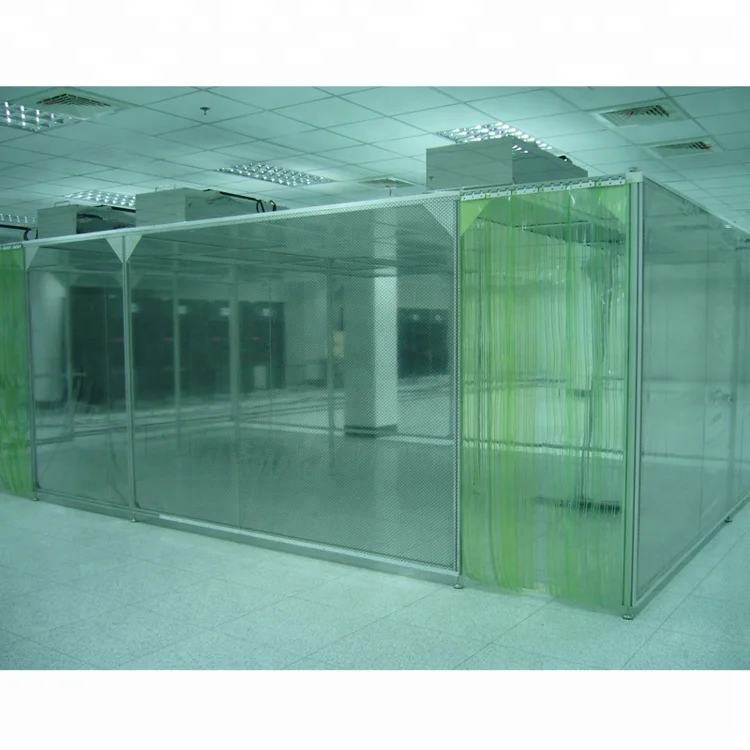
The versatility of the air in shower system manifests through extensive customization options that allow facilities to tailor contamination control solutions to their specific operational needs and spatial constraints. Manufacturers offer modular designs that scale from compact single-person units suitable for small laboratories to large tunnel configurations that accommodate material carts, equipment, and multiple personnel simultaneously. The chamber dimensions, ceiling heights, and door configurations adapt to existing facility layouts, enabling retrofitting into established cleanrooms without requiring extensive structural modifications. Material selection provides another customization dimension, with options ranging from powder-coated steel for cost-sensitive applications to electropolished stainless steel for pharmaceutical and biotechnology facilities requiring the highest sanitation standards. The air in shower system can incorporate specialized features such as tacky mats at entry points, ionizing bars to neutralize static charges, or integrated gowning benches that streamline the preparation process for cleanroom entry. Airflow patterns customize based on the specific contaminants encountered in different industries, with pharmaceutical applications often requiring gentler velocities to avoid disturbing sterile gowning while semiconductor facilities demand aggressive airflow to remove submicron particles. Lighting systems adapt to facility requirements, offering standard fluorescent fixtures, LED arrays for energy efficiency, or specialized lighting that facilitates visual inspection of surfaces during the cleaning cycle. The control interfaces range from simple push-button operation for straightforward applications to sophisticated touchscreen displays that provide detailed system information and allow on-the-fly adjustment of operational parameters. Facilities with multiple cleanroom classifications can install air in shower systems with adjustable performance levels, using higher velocities and longer cycles for transitions into the most critical areas while employing standard settings for less stringent zones. The exhaust configurations customize based on facility HVAC integration requirements, with options for direct exhaust to atmosphere, connection to existing ductwork, or recirculation within the cleanroom when appropriate. Acoustic treatments reduce noise levels in environments where sound control matters, ensuring the air in shower system operates quietly enough for comfortable use in research settings or areas with strict noise regulations. The customization extends to validation support, with manufacturers providing installation qualification, operational qualification, and performance qualification documentation tailored to specific regulatory requirements governing different industries. This flexibility ensures the air in shower system integrates seamlessly into existing contamination control strategies while meeting the unique challenges presented by diverse manufacturing and research environments.


Get a Free Quote

Our representative will contact you soon.
Email
Name
Company Name
Attachment
Please upload at least an attachment
Up to 3 files,more 30mb,suppor jpg、jpeg、png、pdf、doc、docx、xls、xlsx、csv、txt
Message
0/1000

Get a Free Quote

Our representative will contact you soon.
Email
Name
Company Name
Attachment
Please upload at least an attachment
Up to 3 files,more 30mb,suppor jpg、jpeg、png、pdf、doc、docx、xls、xlsx、csv、txt
Message
0/1000