Laminar Air Flow Bench: Professional Contamination Control Workstations for Laboratory and Cleanroom Applications

All Categories

Get a Free Quote

Our representative will contact you soon.
Email
Name
Company Name
Attachment
Please upload at least an attachment
Up to 3 files,more 30mb,suppor jpg、jpeg、png、pdf、doc、docx、xls、xlsx、csv、txt
Message
0/1000

Get a Free Quote

Our representative will contact you soon.
Email
Name
Company Name
Attachment
Please upload at least an attachment
Up to 3 files,more 30mb,suppor jpg、jpeg、png、pdf、doc、docx、xls、xlsx、csv、txt
Message
0/1000

laminar air flow bench

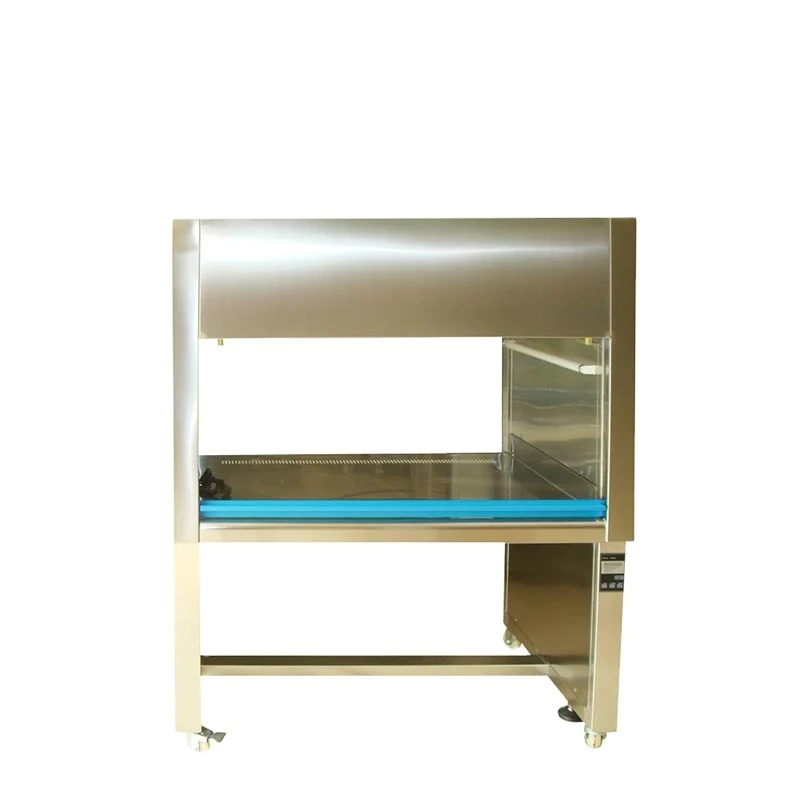
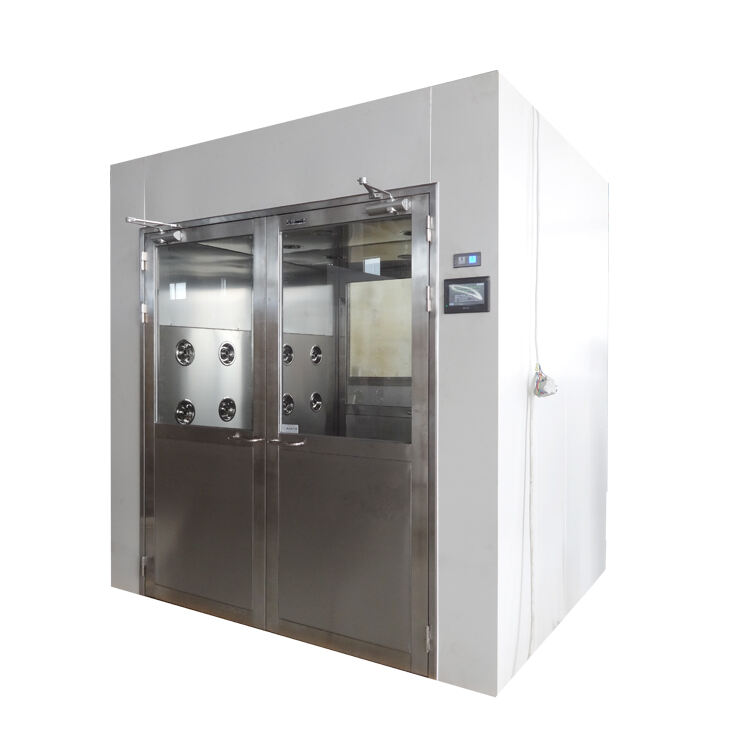
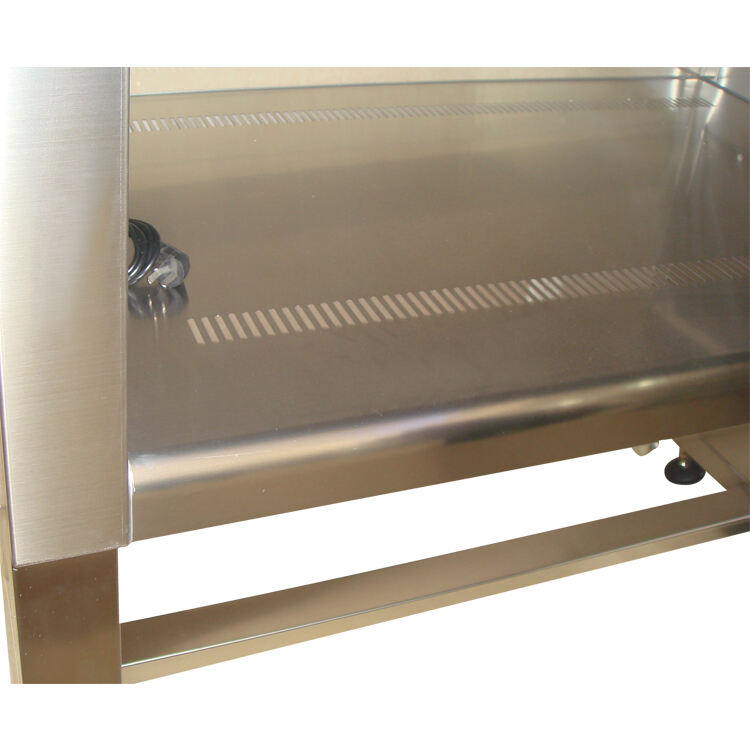
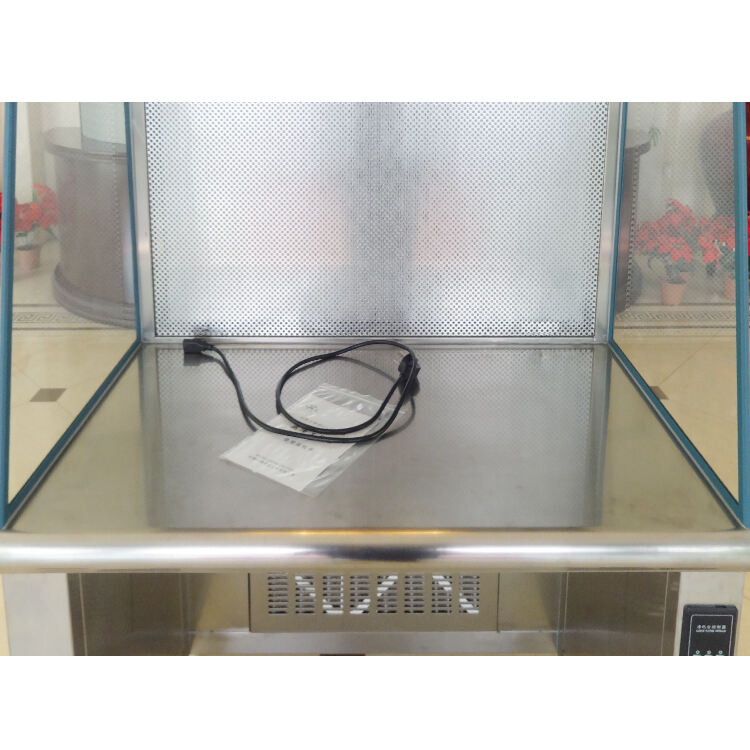
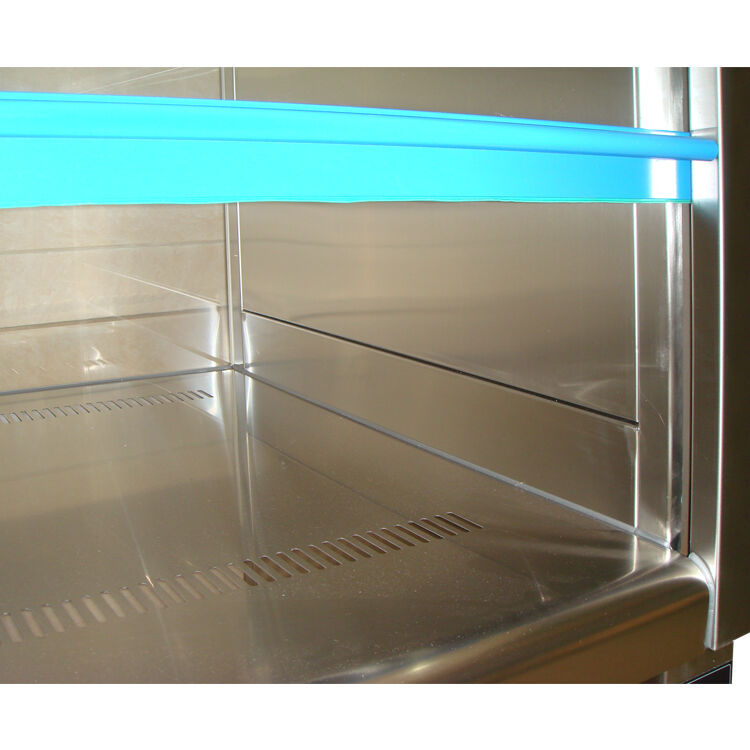
A laminar air flow bench represents a critical piece of equipment designed to create an ultra-clean working environment by directing filtered air in a uniform, parallel flow pattern across the work surface. This specialized workstation serves as a protective barrier against airborne contaminants, ensuring that sensitive materials, samples, or products remain uncontaminated during handling and processing. The laminar air flow bench operates by drawing ambient air through a pre-filter system before passing it through a High-Efficiency Particulate Air (HEPA) filter, which removes 99.97% of particles as small as 0.3 microns. The filtered air then flows in a laminar, or streamlined, manner either horizontally or vertically across the workspace, creating a consistent, contamination-free zone. These benches find extensive use across pharmaceutical laboratories, biotechnology facilities, electronics manufacturing plants, medical research centers, and hospital preparation rooms. The technology behind a laminar air flow bench focuses on maintaining ISO Class 5 cleanroom conditions within the workspace, making it indispensable for applications requiring sterile environments. Modern units incorporate advanced features such as variable speed blowers, digital airflow monitors, UV sterilization lamps, and ergonomic designs that enhance user comfort during extended operations. The construction typically involves stainless steel or powder-coated steel frames with transparent side panels, allowing visibility while maintaining the integrity of the clean zone. Whether used for cell culture work, pharmaceutical compounding, electronic component assembly, or quality control testing, the laminar air flow bench provides a reliable solution for contamination control. Its ability to maintain consistent air quality, combined with ease of operation and maintenance, makes it a fundamental investment for any facility where product purity and process integrity are paramount concerns.


New Product Recommendations

Investing in a laminar air flow bench delivers substantial benefits that directly impact your operational efficiency and product quality. First and foremost, these workstations provide exceptional contamination control, creating a workspace where airborne particles, bacteria, fungi, and other contaminants are continuously swept away from your work area. This protection proves invaluable when handling sensitive materials that could be compromised by even minimal exposure to environmental pollutants. The continuous flow of filtered air ensures that your samples, products, or experiments remain pure throughout the entire process, reducing the risk of costly batch failures or compromised research results. Another significant advantage lies in the cost-effectiveness of operating a laminar air flow bench compared to constructing and maintaining a full cleanroom facility. You gain cleanroom-level air quality in a compact, localized workspace without the substantial infrastructure investment required for room-scale contamination control. This makes advanced contamination control accessible to smaller laboratories, startups, and facilities with limited budgets or space constraints. The versatility of these benches allows them to adapt to various applications across different industries, from preparing sterile pharmaceutical compounds to assembling precision electronics. Users appreciate the improved visibility and accessibility that these open-front designs provide, enabling comfortable, efficient work while maintaining protection. The laminar air flow bench also enhances workplace safety by containing hazardous materials within the controlled airflow pattern, protecting operators from exposure to potentially harmful substances when configured appropriately. Maintenance requirements remain straightforward, typically involving periodic filter replacements and routine cleaning, which most facilities can handle without specialized technical support. Energy efficiency has improved significantly in modern designs, with variable speed motors that adjust airflow based on actual needs, reducing operational costs over time. The professional appearance and standardized operation of these benches also support regulatory compliance, making audits and inspections smoother by demonstrating your commitment to quality control and contamination prevention. For facilities pursuing certifications or accreditations, having properly maintained laminar air flow benches often satisfies critical requirements for environmental control in sensitive processes.

Latest News

How to Maintain Clean Air Systems to Meet ISO Standards

21

Oct

How to Maintain Clean Air Systems to Meet ISO Standards

Essential Guidelines for Industrial Air Quality Management In today's industrial landscape, maintaining clean air systems has become a critical requirement for operational excellence and regulatory compliance. Modern facilities must adhere to stringe...
View More
What Are the Essential Equipment and Materials in a Clean Room?

05

Nov

What Are the Essential Equipment and Materials in a Clean Room?

Understanding Critical Components of Modern Clean Room Environments Clean rooms represent the pinnacle of controlled environments, where precision, cleanliness, and contamination control converge to create spaces essential for various industries. Fro...
View More
What Are the Applications of Clean Air Systems in Pharmaceuticals

02

Dec

What Are the Applications of Clean Air Systems in Pharmaceuticals

The pharmaceutical industry operates under stringent regulatory requirements where product quality, safety, and efficacy are paramount. Contamination control represents one of the most critical aspects of pharmaceutical manufacturing, making clean ai...
View More
What Certifications Are Required for Clean Air Systems

02

Dec

What Certifications Are Required for Clean Air Systems

Modern industrial facilities and critical environments rely heavily on properly certified clean air systems to maintain air quality standards and regulatory compliance. These sophisticated systems ensure contaminant-free environments essential for ma...
View More

Get a Free Quote

Our representative will contact you soon.
Email
Name
Company Name
Attachment
Please upload at least an attachment
Up to 3 files,more 30mb,suppor jpg、jpeg、png、pdf、doc、docx、xls、xlsx、csv、txt
Message
0/1000

laminar air flow bench

Advanced HEPA Filtration Technology for Maximum Contamination Control

Advanced HEPA Filtration Technology for Maximum Contamination Control

The cornerstone of every laminar air flow bench lies in its sophisticated HEPA filtration system, which represents the gold standard in air purification technology. These filters capture an impressive 99.97% of airborne particles measuring 0.3 microns or larger, effectively removing bacteria, mold spores, dust, pollen, and other contaminants that could compromise your work. The filtration process begins when ambient air enters the laminar air flow bench through a pre-filter that captures larger particles, extending the life of the more expensive HEPA filter downstream. This pre-filtration stage proves particularly valuable in environments with higher baseline contamination levels, as it prevents premature clogging of the primary filter. Once air passes through the pre-filter, it encounters the HEPA filter, a dense matrix of randomly arranged fibers that trap particles through multiple mechanisms including interception, impaction, and diffusion. The resulting airflow emerges completely purified, creating a workspace that meets or exceeds ISO Class 5 cleanroom standards. This level of air quality becomes essential when working with cell cultures, pharmaceutical preparations, or electronic components where even microscopic contamination can cause significant problems. The laminar flow pattern itself contributes to contamination control by ensuring that filtered air moves in parallel streams across the work surface, preventing turbulence that could reintroduce contaminants from surrounding areas. This unidirectional airflow continuously sweeps particles away from the critical work zone, maintaining consistent purity throughout your procedures. Modern laminar air flow bench designs incorporate airflow monitoring systems that provide real-time feedback on filter performance, alerting users when airflow velocity drops below optimal levels or when filter replacement becomes necessary. This proactive monitoring prevents situations where compromised filtration could go unnoticed, potentially affecting product quality or experimental results. The investment in HEPA filtration technology pays dividends through reduced contamination incidents, improved product consistency, and enhanced confidence in your processes.
Flexible Configuration Options for Diverse Application Requirements

Flexible Configuration Options for Diverse Application Requirements

Understanding that different industries and applications demand specific contamination control approaches, manufacturers design laminar air flow bench units with remarkable flexibility to accommodate varied operational needs. The primary configuration choice involves selecting between horizontal and vertical airflow patterns, each offering distinct advantages for particular applications. Horizontal flow benches direct filtered air from the back of the unit toward the operator, making them ideal for applications where product protection takes priority and the materials being handled pose no risk to the user. This configuration excels in electronics assembly, non-hazardous pharmaceutical preparation, and general laboratory work where maintaining product sterility remains the primary concern. Conversely, vertical flow benches push filtered air downward from the top of the unit, through the work surface, and out through the base or front of the bench. This arrangement provides superior operator protection when working with materials that might generate fumes, vapors, or aerosols, as the downward airflow prevents these substances from reaching the breathing zone. Beyond airflow direction, laminar air flow bench units come in various sizes to fit different workspace constraints and throughput requirements. Compact benches measuring just two feet wide serve individual researchers or small-scale operations, while larger units extending six feet or more accommodate multiple operators or high-volume production processes. Many facilities appreciate the availability of mobile units mounted on casters, allowing the laminar air flow bench to be repositioned as workflow demands change or to facilitate thorough cleaning of laboratory spaces. Customization extends to construction materials, with options ranging from powder-coated steel for general applications to full stainless steel construction for pharmaceutical and medical environments requiring frequent sanitization. Additional features such as built-in electrical outlets, gas connections, UV sterilization lamps, and adjustable work surfaces further enhance the adaptability of these workstations. Some advanced models incorporate pass-through designs that allow materials to be introduced from one side and removed from the other, supporting linear workflow processes while maintaining contamination control.
User-Friendly Operation with Minimal Training Requirements

User-Friendly Operation with Minimal Training Requirements

One of the most compelling advantages of modern laminar air flow bench equipment lies in its intuitive design that enables operators to achieve optimal results without extensive specialized training. Manufacturers recognize that complicated equipment creates barriers to adoption and increases the risk of operational errors, so they prioritize straightforward controls and clear operational indicators. Most units feature simple on/off switches or push-button controls that activate the blower system, with some models offering variable speed settings that allow users to adjust airflow velocity based on specific application requirements. Digital displays provide real-time information about airflow velocity, filter status, and operational hours, giving operators immediate feedback about system performance without requiring complex interpretation. The transparent construction of the work chamber allows complete visibility of the workspace from multiple angles, enabling users to monitor their processes while maintaining the integrity of the contamination-controlled environment. Ergonomic considerations feature prominently in laminar air flow bench design, with work surfaces positioned at comfortable heights that reduce strain during extended operations. The open-front access design allows natural arm and hand movements, preventing the awkward positioning that can lead to fatigue or repetitive stress injuries. Many units incorporate adjustable features such as tilting work surfaces or height-adjustable stands that accommodate different user preferences and physical requirements. Maintenance procedures remain straightforward, typically involving periodic cleaning of work surfaces with appropriate disinfectants and scheduled replacement of pre-filters and HEPA filters according to manufacturer recommendations. Most facilities can perform routine maintenance in-house without requiring specialized technicians, reducing downtime and operational costs. The laminar air flow bench typically includes clear documentation and labeling that guides users through proper operation, routine maintenance, and troubleshooting procedures. Safety features such as audible alarms that activate when airflow drops below acceptable levels provide additional assurance that the system maintains proper contamination control. For new users, the learning curve remains minimal, with most operators becoming proficient within a single training session.

Get a Free Quote

Our representative will contact you soon.
Email
Name
Company Name
Attachment
Please upload at least an attachment
Up to 3 files,more 30mb,suppor jpg、jpeg、png、pdf、doc、docx、xls、xlsx、csv、txt
Message
0/1000

Get a Free Quote

Our representative will contact you soon.
Email
Name
Company Name
Attachment
Please upload at least an attachment
Up to 3 files,more 30mb,suppor jpg、jpeg、png、pdf、doc、docx、xls、xlsx、csv、txt
Message
0/1000