Air Shower Systems: Advanced Contamination Control for Cleanroom Environments

All Categories

Get a Free Quote

Our representative will contact you soon.
Email
Name
Company Name
Attachment
Please upload at least an attachment
Up to 3 files,more 30mb,suppor jpg、jpeg、png、pdf、doc、docx、xls、xlsx、csv、txt
Message
0/1000

Get a Free Quote

Our representative will contact you soon.
Email
Name
Company Name
Attachment
Please upload at least an attachment
Up to 3 files,more 30mb,suppor jpg、jpeg、png、pdf、doc、docx、xls、xlsx、csv、txt
Message
0/1000

air shower

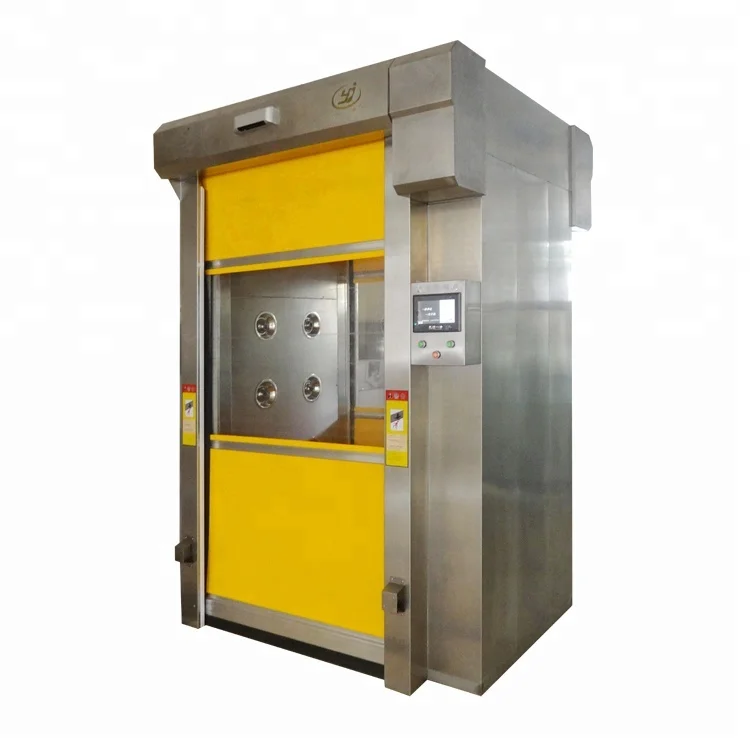
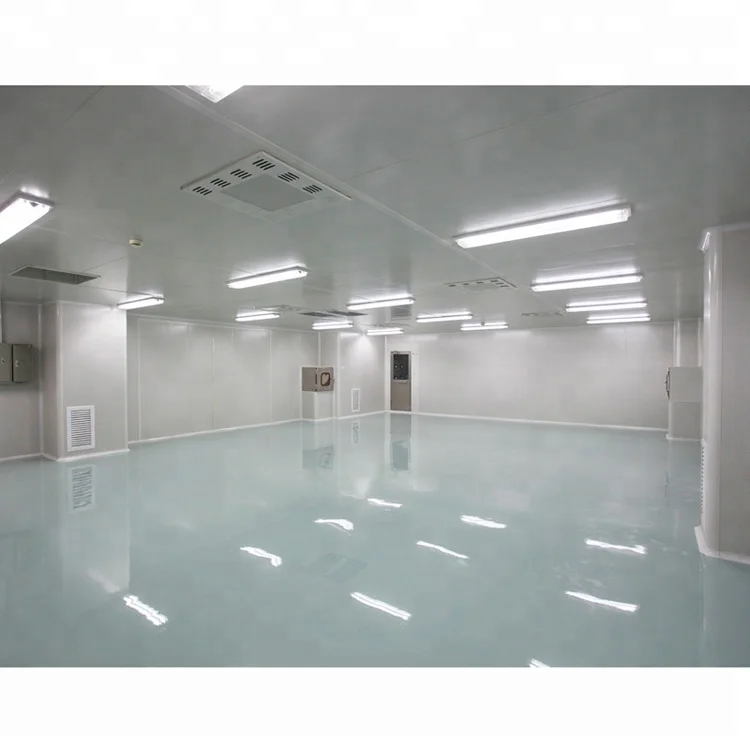
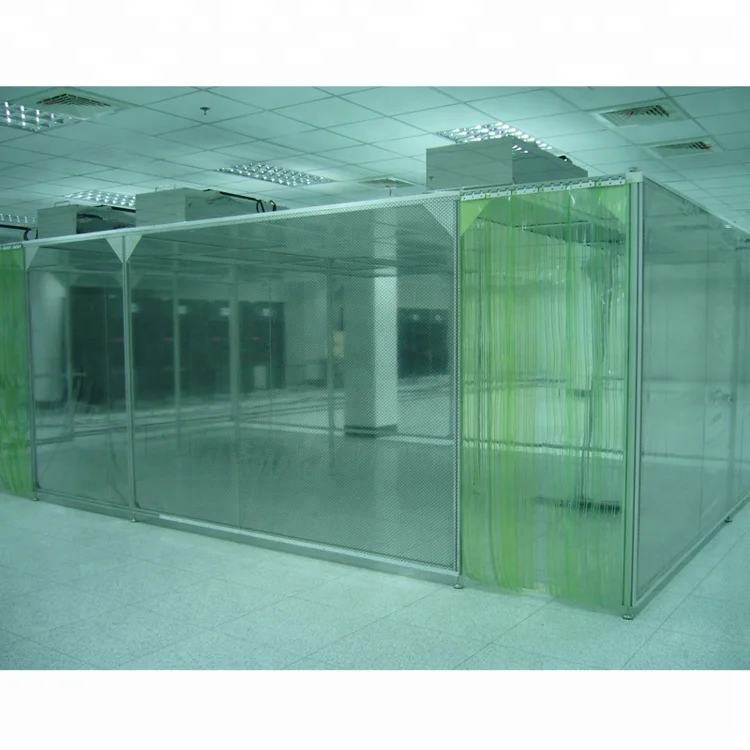
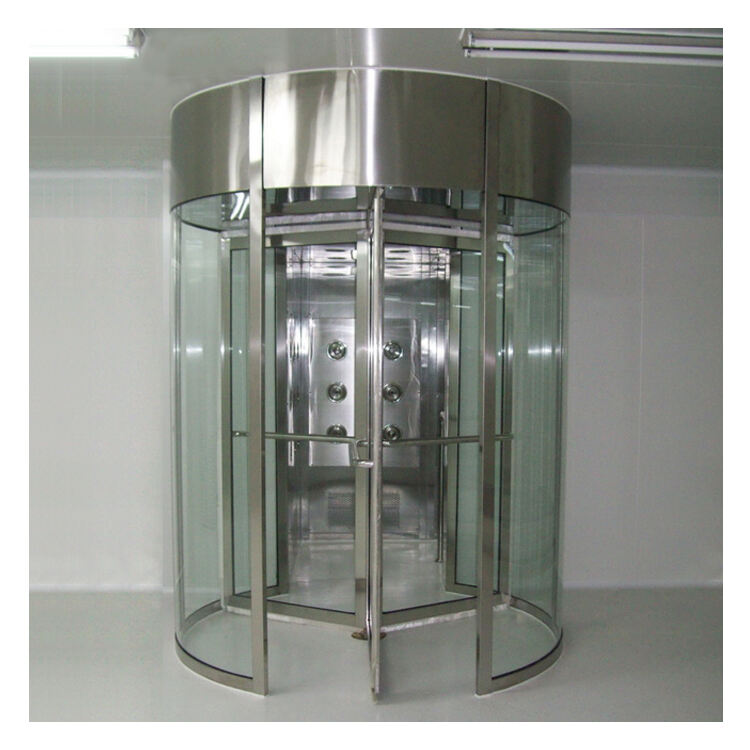
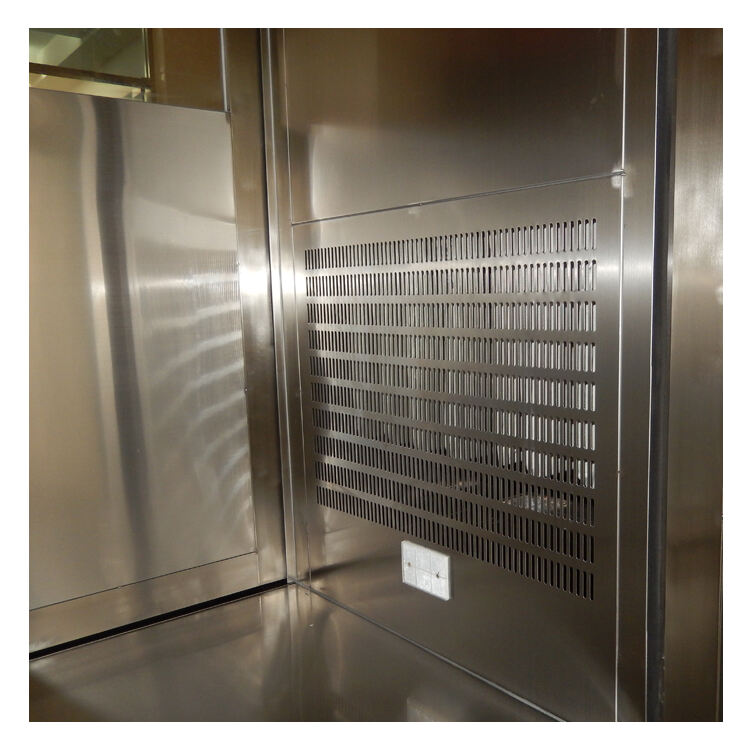
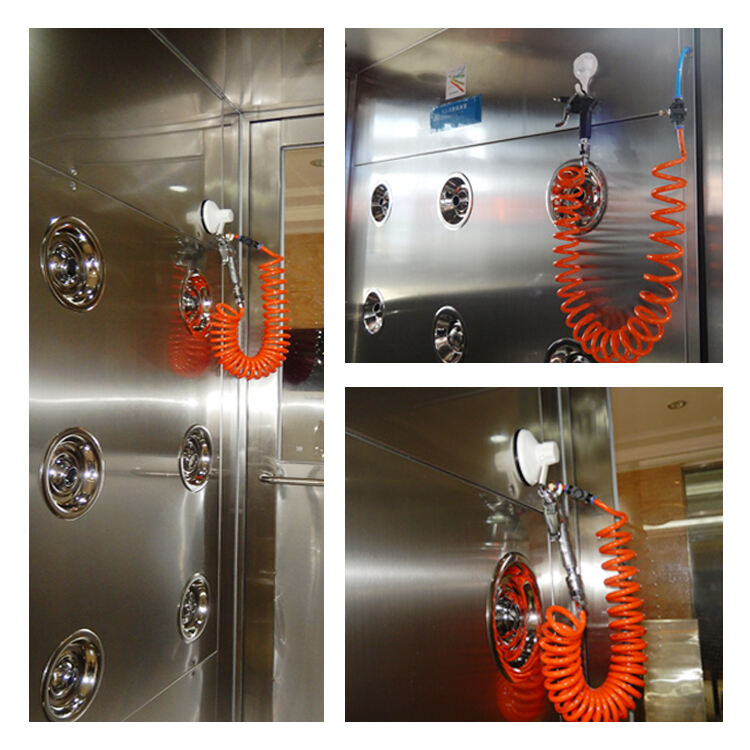
An air shower represents a critical contamination control system designed to remove particles and contaminants from personnel, materials, and equipment before they enter cleanroom environments or controlled manufacturing spaces. This specialized chamber creates a high-velocity stream of filtered air that effectively dislodges and captures loose particles, dust, fibers, and other contaminants from surfaces and clothing. The system operates by directing powerful jets of HEPA or ULPA filtered air from multiple nozzles positioned strategically throughout the chamber, creating a comprehensive cleaning zone that addresses contamination from all angles. Modern air shower units incorporate advanced sensor technology that automatically activates the cleaning cycle when personnel or materials enter the chamber, ensuring consistent decontamination without requiring manual operation. The typical cleaning cycle lasts between 15 to 30 seconds, during which time the high-velocity air streams remove surface contaminants that could otherwise compromise product quality, research integrity, or manufacturing processes. These systems serve as the primary defense barrier between external environments and sensitive controlled areas, making them indispensable in industries where contamination control directly impacts product safety, quality, and regulatory compliance. The air shower chamber features interlocking doors that prevent simultaneous opening, maintaining pressure differentials and preventing contaminated air from bypassing the cleaning process. Constructed from durable stainless steel or powder-coated steel materials, these units withstand continuous operation in demanding industrial environments while maintaining their structural integrity and performance characteristics. The filtration system continuously recirculates and filters the air within the chamber, ensuring that only clean, particle-free air contacts personnel and materials during the decontamination process. Air shower technology has evolved significantly, now incorporating digital controls, adjustable cycle times, emergency stop functions, and integration capabilities with facility management systems, providing operators with precise control over contamination prevention protocols.

New Products

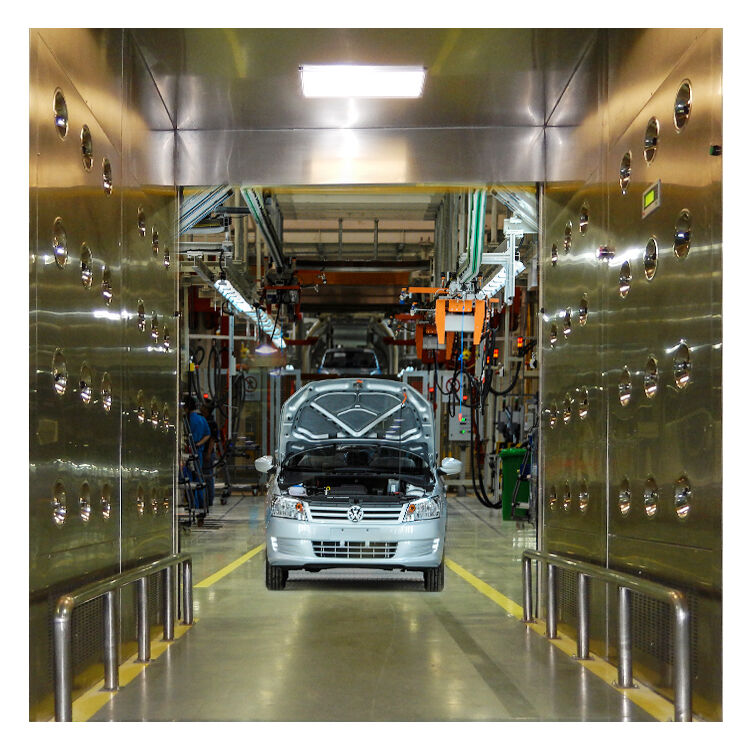
Implementing an air shower system delivers substantial operational benefits that directly impact your facility's efficiency, product quality, and compliance standing. The primary advantage centers on dramatic contamination reduction, with properly maintained units removing up to 99.97 percent of particles larger than 0.3 microns from personnel and materials entering controlled environments. This exceptional cleaning performance translates directly into fewer product defects, reduced rejection rates, and improved manufacturing yields, ultimately protecting your bottom line and brand reputation. The automated operation eliminates human error from the decontamination process, ensuring every person and item receives consistent, thorough cleaning regardless of shift changes, operator experience, or time pressures. This consistency proves invaluable during regulatory audits and quality inspections, demonstrating your commitment to contamination control through documented, repeatable processes. Energy efficiency represents another significant advantage, as modern air shower systems consume considerably less power than alternative contamination control methods while delivering superior results. The recirculating air design minimizes conditioned air loss, reducing HVAC loads and lowering operational costs compared to systems that exhaust air to the outside environment. Installation flexibility allows air shower units to fit various facility layouts, with options for single-person, multi-person, tunnel-style, and custom configurations that accommodate specific workflow requirements without disrupting existing operations. The rapid cycle time, typically under 30 seconds, maintains productivity by minimizing delays as personnel transition between areas, preventing bottlenecks that could slow production schedules or impede critical operations. Maintenance requirements remain minimal, with straightforward filter replacement procedures and durable construction that withstands years of continuous operation without performance degradation. The visible commitment to contamination control that an air shower represents also enhances customer confidence, demonstrating to clients, auditors, and stakeholders that your organization prioritizes quality and takes proactive measures to protect product integrity. Return on investment materializes quickly through reduced contamination incidents, fewer product recalls, decreased rework costs, and improved regulatory compliance, with many facilities recovering their initial investment within the first year of operation. The system's presence also reinforces contamination control culture among employees, serving as a physical reminder of quality standards and proper protocols every time they enter controlled areas. Scalability allows facilities to expand their contamination control infrastructure as operations grow, adding additional air shower units or upgrading existing systems without requiring complete facility redesigns or extended downtime.

Tips And Tricks

What Are the Essential Equipment and Materials in a Clean Room?

05

Nov

What Are the Essential Equipment and Materials in a Clean Room?

Understanding Critical Components of Modern Clean Room Environments Clean rooms represent the pinnacle of controlled environments, where precision, cleanliness, and contamination control converge to create spaces essential for various industries. Fro...
View More
What Are the Key Differences Between Single and Double Air Showers

05

Nov

What Are the Key Differences Between Single and Double Air Showers

Understanding Air Shower Technology in Clean Room Environments In the realm of contamination control and cleanroom technology, air showers play a vital role in maintaining pristine environments. These sophisticated systems serve as critical gateways ...
View More
What Is the Difference Between Static and Dynamic Pass Boxes

05

Nov

What Is the Difference Between Static and Dynamic Pass Boxes

Understanding Clean Room Transfer Systems: Static vs Dynamic Solutions In the world of cleanroom technology and contamination control, pass boxes play a crucial role in maintaining environmental integrity while enabling material transfer. Static and ...
View More
How Do Clean Room Classifications Affect Operational Efficiency and Quality?

30

Jan

How Do Clean Room Classifications Affect Operational Efficiency and Quality?

Clean room classifications serve as the foundation for maintaining controlled environments across pharmaceutical, semiconductor, and medical device manufacturing industries. These standardized systems define the maximum allowable concentration of air...
View More

Get a Free Quote

Our representative will contact you soon.
Email
Name
Company Name
Attachment
Please upload at least an attachment
Up to 3 files,more 30mb,suppor jpg、jpeg、png、pdf、doc、docx、xls、xlsx、csv、txt
Message
0/1000

air shower

Advanced HEPA Filtration Technology Ensures Maximum Particle Removal

Advanced HEPA Filtration Technology Ensures Maximum Particle Removal

The cornerstone of effective air shower performance lies in its sophisticated filtration system, which employs high-efficiency particulate air filters that capture microscopic contaminants with remarkable precision. These HEPA filters, rated at 99.97 percent efficiency for particles as small as 0.3 microns, create an impenetrable barrier against the vast majority of contamination sources that threaten cleanroom integrity. The filtration process begins as ambient air enters the system, passing through pre-filters that capture larger particles and extend the service life of the primary HEPA filters. This multi-stage approach optimizes both performance and operational economics, reducing maintenance frequency while maintaining peak cleaning effectiveness. The filtered air then accelerates through precision-engineered nozzles that create focused, high-velocity streams capable of dislodging particles that cling to clothing fibers, equipment surfaces, and material packaging. The nozzle arrangement follows carefully calculated patterns that ensure complete coverage of all surfaces within the chamber, eliminating dead zones where contaminants might escape the cleaning process. Air velocity typically ranges from 20 to 25 meters per second at the nozzle outlets, providing sufficient force to remove particles without causing discomfort to personnel or damage to sensitive materials. The recirculation design continuously processes chamber air through the filtration system throughout the cleaning cycle, progressively reducing particle concentrations and ensuring that dislodged contaminants become trapped in the filters rather than redepositing on surfaces. This closed-loop approach maximizes cleaning efficiency while minimizing energy consumption, as the system maintains optimal air velocity without constantly conditioning new air from outside sources. Regular filter monitoring through differential pressure gauges alerts maintenance personnel when filters approach saturation, enabling proactive replacement before performance declines. The modular filter design simplifies replacement procedures, allowing maintenance teams to complete filter changes quickly without specialized tools or extended system downtime. Investment in premium filtration technology pays dividends through extended filter life, reduced replacement frequency, and consistent performance that maintains cleanroom classifications and protects sensitive processes from contamination events that could compromise product quality or research outcomes.
Intelligent Control Systems Optimize Operation and User Experience

Intelligent Control Systems Optimize Operation and User Experience

Contemporary air shower units incorporate sophisticated control systems that transform contamination prevention from a manual process into an automated, intelligent operation that adapts to facility needs and user patterns. The control architecture centers on programmable logic controllers that manage every aspect of system operation, from cycle initiation and duration to door interlocking and safety protocols. Motion sensors and photoelectric detectors automatically recognize when personnel or materials enter the chamber, triggering the cleaning cycle without requiring users to press buttons or manipulate controls, thereby eliminating opportunities for human error or protocol shortcuts. The touchscreen interface provides operators with intuitive access to system parameters, allowing authorized personnel to adjust cycle times, air velocity settings, and operational modes to match specific contamination control requirements or accommodate different types of materials passing through the chamber. Digital displays present real-time information about system status, cycle progress, filter condition, and maintenance requirements, empowering facility managers to make informed decisions about system operation and maintenance scheduling. The interlocking door mechanism, controlled by the central processor, enforces proper decontamination protocols by preventing both doors from opening simultaneously, which would create a contamination pathway that bypasses the cleaning process. This electronic interlock proves more reliable than mechanical alternatives, offering fail-safe operation that maintains contamination barriers even during power fluctuations or component failures. Emergency override functions allow rapid egress during safety situations while logging these events for subsequent review and investigation. The control system also tracks usage patterns, recording the number of cycles completed, total operating hours, and maintenance intervals, providing valuable data for optimizing facility operations and planning preventive maintenance activities. Integration capabilities enable the air shower to communicate with building management systems, cleanroom monitoring equipment, and facility access controls, creating a comprehensive contamination prevention network that responds dynamically to changing conditions. Remote monitoring options allow facility managers to oversee air shower performance from central control rooms or even off-site locations, receiving alerts about maintenance needs, operational anomalies, or system faults that require attention. The programmable nature of modern control systems means that facilities can update operational parameters as processes evolve, contamination control standards change, or new regulatory requirements emerge, protecting the long-term value of the air shower investment. User feedback mechanisms, including audio and visual signals, guide personnel through the cleaning cycle, indicating when to enter, when the cycle is active, and when decontamination is complete and exit is permitted.

Robust Construction and Customization Options Meet Diverse Industry Requirements

Robust Construction and Customization Options Meet Diverse Industry Requirements

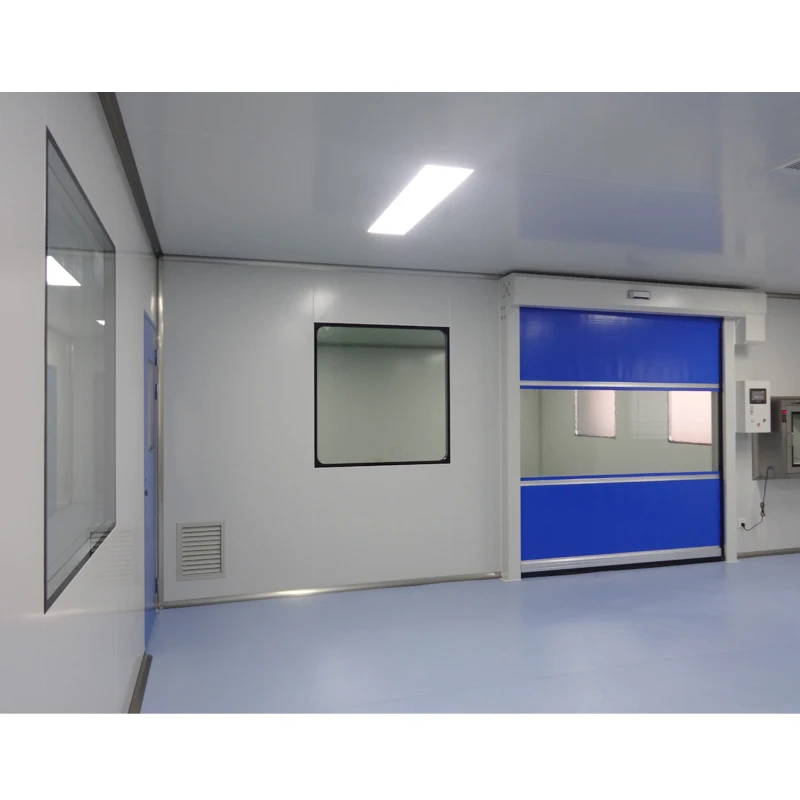
The physical design and construction of air shower systems reflect decades of engineering refinement focused on durability, performance, and adaptability to varied industrial applications. Premium stainless steel construction, typically using 304 or 316 grade alloys, provides exceptional resistance to corrosion, chemical exposure, and physical wear, ensuring the system maintains its structural integrity and aesthetic appearance throughout years of continuous operation in demanding environments. The smooth, non-porous surfaces of stainless steel construction facilitate cleaning and sanitization, preventing microbial growth and allowing facilities to maintain the highest hygiene standards required in pharmaceutical, biotechnology, and food processing applications. Welded seams and reinforced panels eliminate gaps and crevices where contaminants could accumulate, while also enhancing structural rigidity that prevents vibration and maintains precise alignment of critical components. The modular design philosophy enables extensive customization to match specific facility requirements, with options for single-person chambers measuring approximately one meter wide to large tunnel configurations that accommodate multiple personnel or oversized equipment simultaneously. Height adjustments accommodate facilities with varying ceiling clearances, while width and depth modifications ensure optimal fit within existing floor plans without requiring costly facility modifications. Door configurations adapt to workflow patterns, with options for manual or automatic operation, sliding or hinged designs, and single or double-door arrangements that facilitate efficient personnel flow while maintaining contamination control integrity. Window installations using shatterproof materials provide visibility into the chamber, allowing supervisors to monitor operations and personnel to maintain visual contact with surrounding areas, reducing feelings of confinement during the cleaning cycle. Lighting systems integrated into the chamber ceiling provide uniform illumination that ensures safe passage and allows visual inspection of materials passing through the decontamination process. The floor design incorporates options for grated surfaces that allow particles to fall away from foot traffic areas, solid surfaces for wheeled equipment passage, or raised thresholds that prevent contaminant migration along floor planes. Nozzle configurations customize to specific applications, with adjustable nozzles that direct air streams precisely where contamination risks are highest, whether on upper body areas for personnel decontamination or lower surfaces for material and equipment cleaning. Color options beyond standard stainless steel finishes allow facilities to coordinate air shower appearance with facility aesthetics or use color coding to designate different contamination control zones. Sound dampening features reduce operational noise, creating a more comfortable user experience and minimizing disruption to adjacent work areas. The combination of robust construction and extensive customization options ensures that air shower systems deliver optimal performance across diverse industries, from semiconductor manufacturing and aerospace to healthcare, research laboratories, and precision manufacturing facilities where contamination control directly impacts operational success and regulatory compliance.

Get a Free Quote

Our representative will contact you soon.
Email
Name
Company Name
Attachment
Please upload at least an attachment
Up to 3 files,more 30mb,suppor jpg、jpeg、png、pdf、doc、docx、xls、xlsx、csv、txt
Message
0/1000

Get a Free Quote

Our representative will contact you soon.
Email
Name
Company Name
Attachment
Please upload at least an attachment
Up to 3 files,more 30mb,suppor jpg、jpeg、png、pdf、doc、docx、xls、xlsx、csv、txt
Message
0/1000