Air Shower Machine: Advanced Contamination Control Systems for Cleanroom Excellence

All Categories

Get a Free Quote

Our representative will contact you soon.
Email
Name
Company Name
Attachment
Please upload at least an attachment
Up to 3 files,more 30mb,suppor jpg、jpeg、png、pdf、doc、docx、xls、xlsx、csv、txt
Message
0/1000

Get a Free Quote

Our representative will contact you soon.
Email
Name
Company Name
Attachment
Please upload at least an attachment
Up to 3 files,more 30mb,suppor jpg、jpeg、png、pdf、doc、docx、xls、xlsx、csv、txt
Message
0/1000

air shower machine

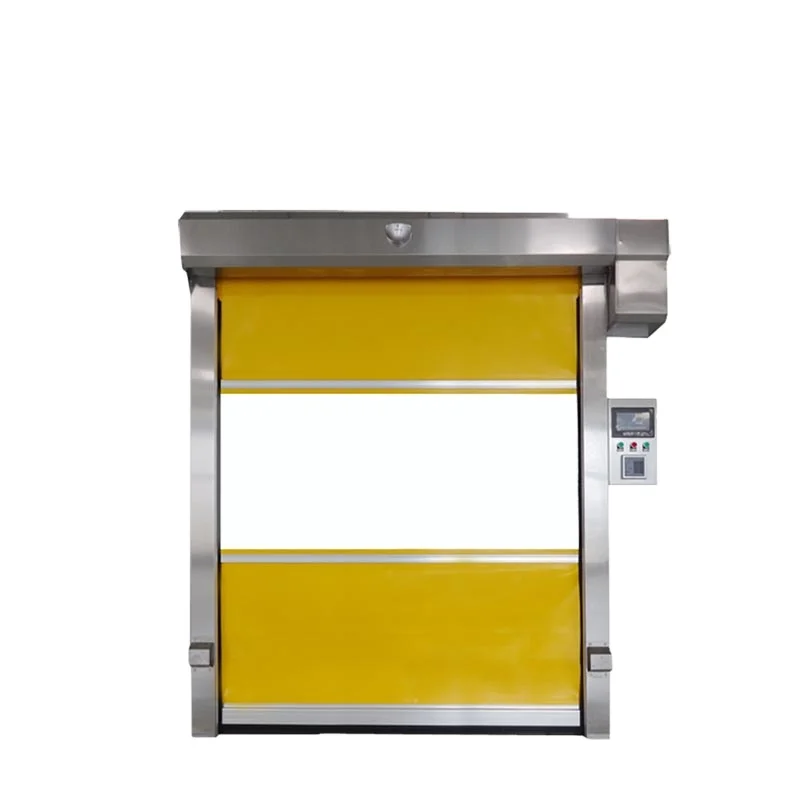
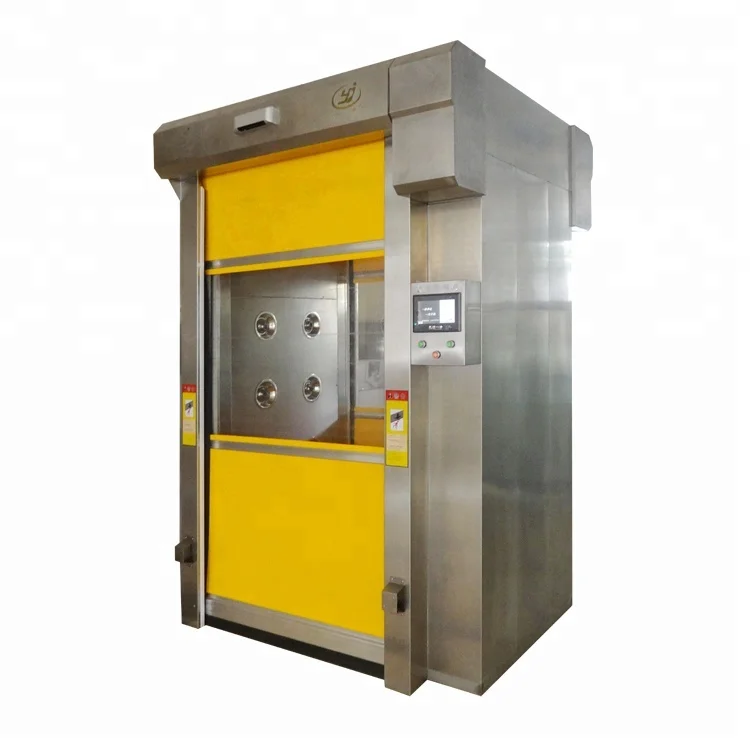
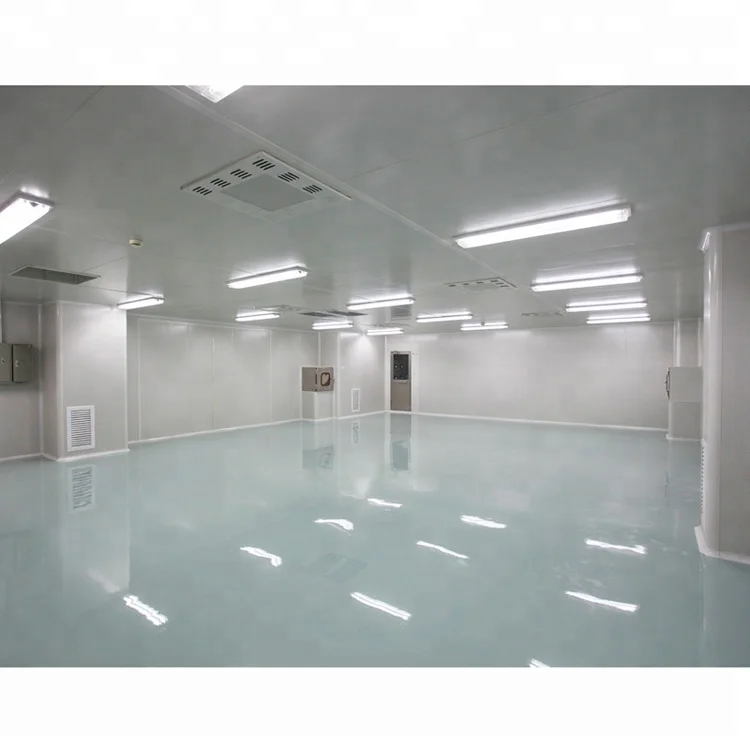
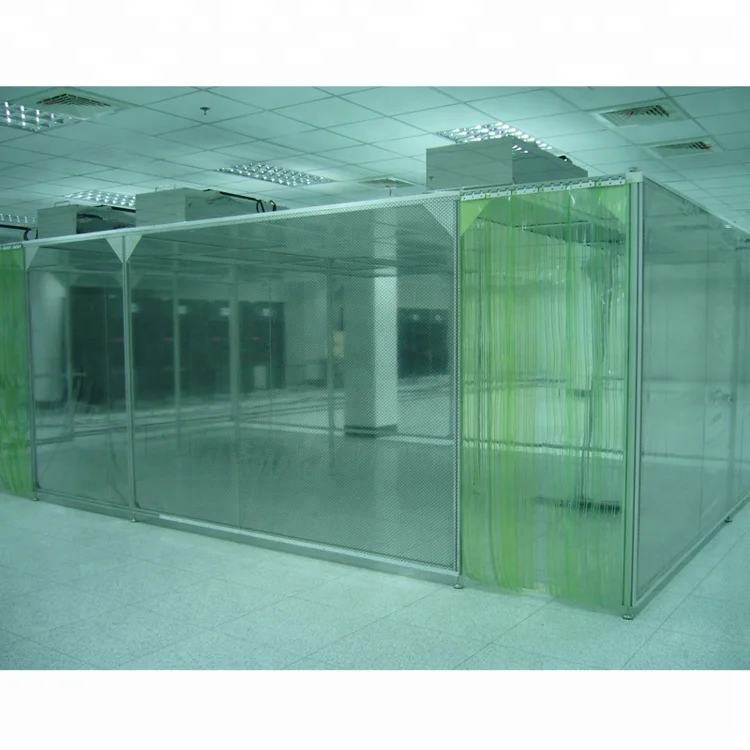
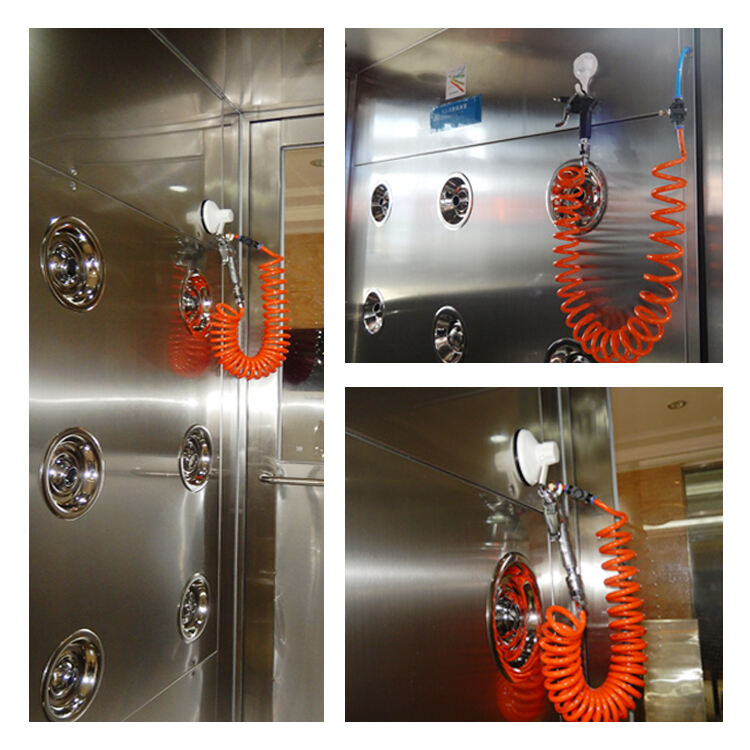
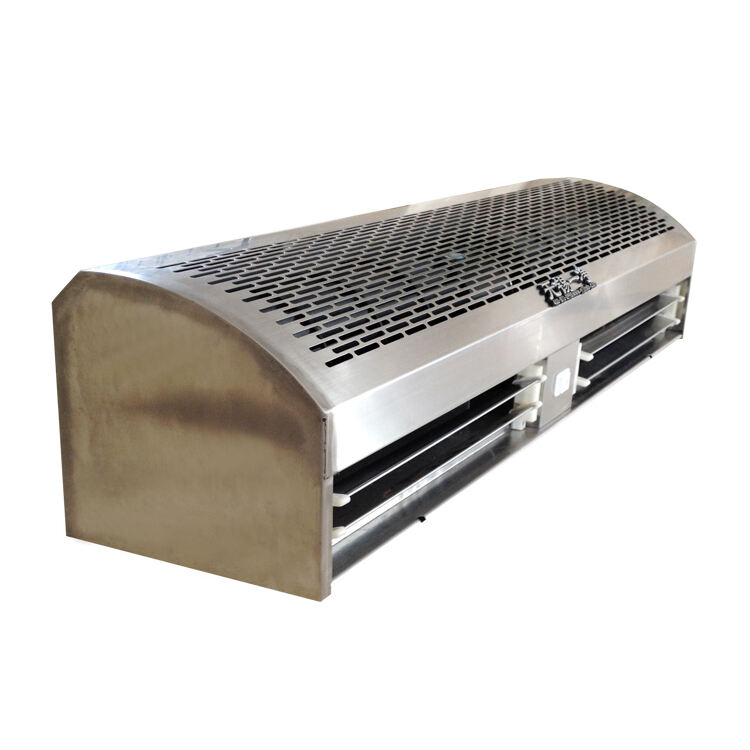
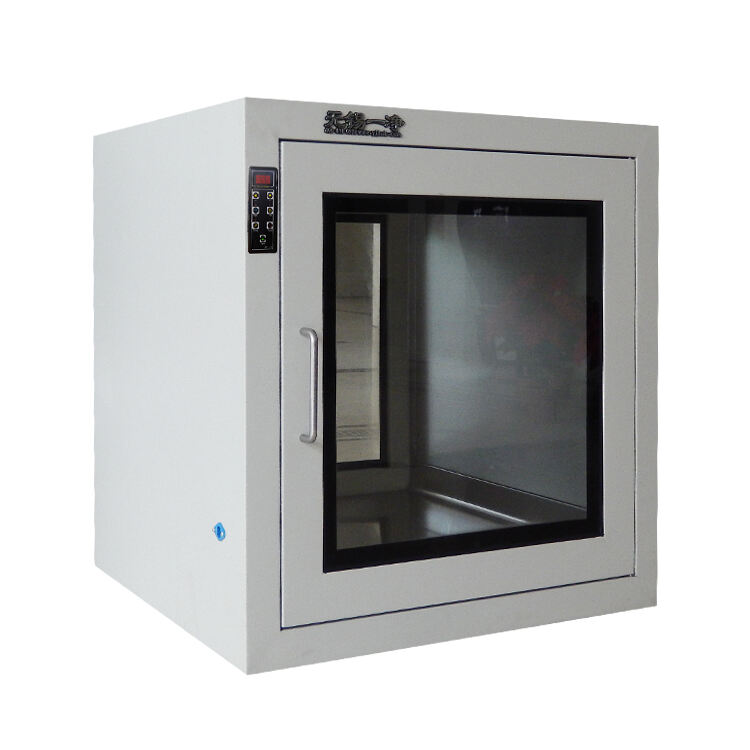
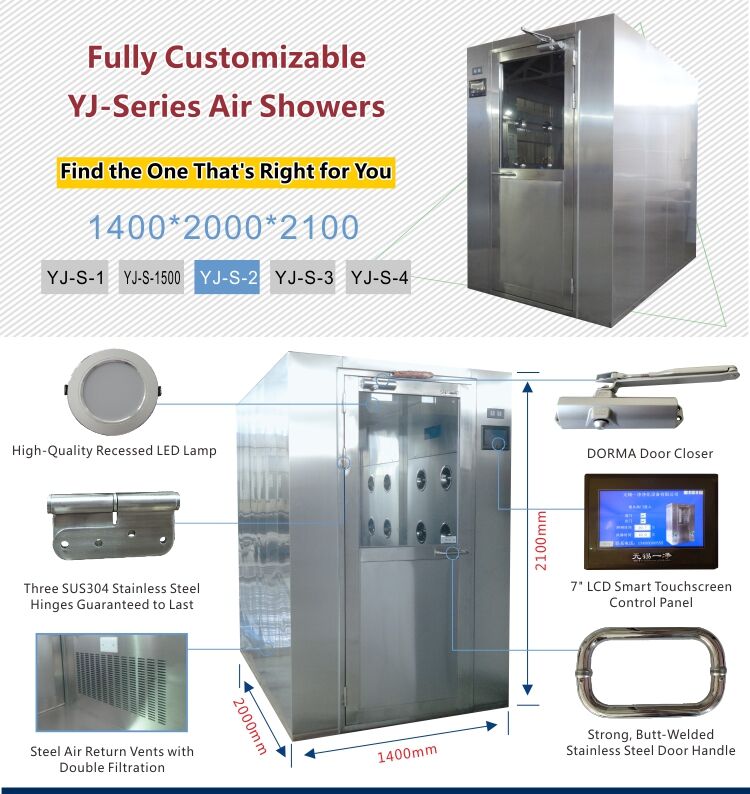
An air shower machine serves as a critical contamination control system designed to remove particles, dust, and contaminants from personnel and materials before they enter cleanroom environments. This sophisticated equipment creates a high-velocity stream of filtered air that effectively dislodges and eliminates surface contaminants, ensuring optimal cleanliness standards in sensitive manufacturing and research facilities. The primary function revolves around establishing an intermediate decontamination zone between external environments and controlled spaces, preventing cross-contamination that could compromise product quality or research integrity. The air shower machine operates through a series of strategically positioned nozzles that direct purified air across all surfaces of individuals or objects passing through the chamber. Modern units incorporate HEPA or ULPA filtration systems capable of capturing particles as small as 0.3 microns with efficiency ratings exceeding 99.97 percent, guaranteeing that only clean air circulates within the shower chamber. Technological features include adjustable air velocity controls, programmable shower cycles, infrared motion sensors for automatic activation, emergency stop functions, and interlocking door mechanisms that prevent simultaneous opening of entry and exit doors. The construction typically involves stainless steel or powder-coated cold-rolled steel panels that resist corrosion and facilitate easy cleaning. Advanced models feature LED lighting, digital display panels showing operational parameters, and integration capabilities with facility management systems. Applications span pharmaceutical manufacturing, semiconductor production, biotechnology laboratories, food processing plants, aerospace component assembly, hospital operating room access points, and precision electronics manufacturing. The equipment proves indispensable in industries where even microscopic contamination can result in product defects, batch rejections, or compromised research outcomes. Installation flexibility allows for single-person, multi-person, or cargo configurations, with customizable dimensions accommodating specific facility requirements and throughput demands.

New Products

Implementing an air shower machine delivers substantial practical benefits that directly impact operational efficiency and product quality outcomes. First and foremost, these systems dramatically reduce contamination-related product defects, which translates into significant cost savings by minimizing waste, rework, and rejected batches. Companies report defect rate reductions of up to 80 percent after installing proper decontamination equipment at cleanroom entry points. The machine operates automatically, requiring minimal staff training and virtually no ongoing manual intervention, which streamlines workflow and eliminates bottlenecks at cleanroom access points. Employees simply walk through the chamber, and sensors trigger the cleaning cycle without requiring button presses or complex procedures. Energy efficiency represents another major advantage, as modern units consume substantially less power compared to maintaining higher-grade cleanroom classifications throughout entire facilities. By containing the most stringent cleanliness requirements to specific zones and using effective entry decontamination, facilities can operate outer areas at lower classifications, reducing HVAC costs by 30 to 50 percent annually. The equipment enhances regulatory compliance, helping organizations meet ISO 14644 cleanroom standards, FDA Good Manufacturing Practice requirements, and industry-specific quality certifications without extensive documentation burdens. Auditors and inspectors recognize properly maintained decontamination systems as evidence of serious commitment to contamination control. Maintenance demands remain surprisingly low, typically requiring only quarterly filter replacements and basic cleaning, with most units operating reliably for 10 to 15 years with minimal service interventions. The machine protects expensive cleanroom infrastructure by preventing the introduction of particles that would otherwise accumulate on surfaces, equipment, and HVAC systems, extending the service life of these costly installations. Worker satisfaction improves as employees appreciate the quick, effective cleaning process that takes only 15 to 30 seconds, compared to tedious manual gowning procedures or sticky mat alternatives that prove less effective. The system provides measurable, documentable contamination removal, unlike passive methods, giving quality managers concrete data for process validation and continuous improvement initiatives. Flexibility in configuration means facilities can scale their contamination control as operations expand, adding additional units or upgrading to higher-capacity models without redesigning entire cleanroom layouts. Return on investment typically occurs within 18 to 24 months through combined savings from reduced defects, lower energy costs, and decreased cleanroom maintenance requirements.

Practical Tips

What Are the Common Issues with Air Handling Units and Solutions

02

Dec

What Are the Common Issues with Air Handling Units and Solutions

Air handling units serve as the backbone of modern HVAC systems, managing air circulation, filtration, and conditioning in commercial and industrial facilities. These sophisticated systems ensure optimal indoor air quality while maintaining energy ef...
View More
How Do Clean Room Classifications Affect Operational Efficiency and Quality?

30

Jan

How Do Clean Room Classifications Affect Operational Efficiency and Quality?

Clean room classifications serve as the foundation for maintaining controlled environments across pharmaceutical, semiconductor, and medical device manufacturing industries. These standardized systems define the maximum allowable concentration of air...
View More
How Cleanroom Layout Planning Influences Workflow and Risk Management

30

Jan

How Cleanroom Layout Planning Influences Workflow and Risk Management

In the highly regulated world of pharmaceutical manufacturing, semiconductor production, and biotechnology research, cleanroom layout planning serves as the foundation for operational excellence and regulatory compliance. The strategic arrangement of...
View More
What Problems Can Occur If a Clean Room Fails to Meet Industry Standards?

30

Jan

What Problems Can Occur If a Clean Room Fails to Meet Industry Standards?

Clean room facilities serve as the backbone of numerous industries, from pharmaceutical manufacturing to semiconductor production. When these controlled environments fail to meet established clean room standards, the consequences can be severe and fa...
View More

Get a Free Quote

Our representative will contact you soon.
Email
Name
Company Name
Attachment
Please upload at least an attachment
Up to 3 files,more 30mb,suppor jpg、jpeg、png、pdf、doc、docx、xls、xlsx、csv、txt
Message
0/1000

air shower machine

Advanced Filtration Technology Ensuring Maximum Particle Removal

Advanced Filtration Technology Ensuring Maximum Particle Removal

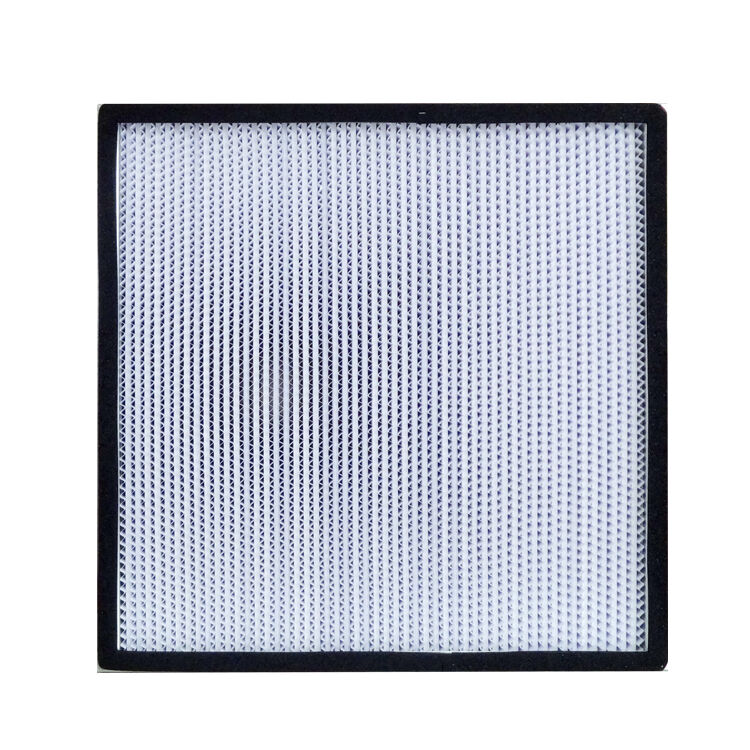
The cornerstone of every effective air shower machine lies in its sophisticated filtration technology, which separates these systems from simple air circulation devices and establishes them as essential contamination control equipment. At the heart of this technology sits the HEPA filtration system, engineered to capture microscopic particles that escape human vision and conventional cleaning methods. These filters feature densely packed borosilicate glass fibers arranged in complex patterns that create a labyrinth through which air must pass, trapping contaminants through multiple capture mechanisms including interception, impaction, and diffusion. The filtration media achieves extraordinary efficiency, removing 99.97 percent of particles measuring 0.3 microns in diameter, the most penetrating particle size that poses the greatest challenge to filtration systems. Many advanced units now incorporate ULPA filters that push performance even further, capturing 99.999 percent of particles down to 0.12 microns, providing pharmaceutical-grade air purity suitable for the most demanding applications. The air shower machine recirculates filtered air at velocities ranging from 20 to 25 meters per second, creating powerful streams that physically dislodge particles from clothing, skin, hair, and carried items. This velocity represents the optimal balance between effective particle removal and user comfort, strong enough to eliminate contaminants yet not so forceful as to cause discomfort or safety concerns. Engineers position multiple nozzles strategically throughout the chamber, directing air streams from various angles to ensure complete coverage of all exposed surfaces, including often-overlooked areas like shoe soles, underarms, and the back of the head. The system continuously monitors air pressure differentials across filters, alerting maintenance personnel when filter loading reaches levels that compromise performance, ensuring consistent contamination removal throughout the filter service life. Pre-filtration stages protect the main HEPA or ULPA filters by capturing larger particles, extending expensive filter life and reducing operational costs. The recirculation design means the machine uses filtered air repeatedly during each cleaning cycle, maximizing particle capture while minimizing energy consumption compared to single-pass systems that would require enormous air volumes and HVAC capacity.
Intelligent Automation Enhancing User Experience and Operational Efficiency

Intelligent Automation Enhancing User Experience and Operational Efficiency

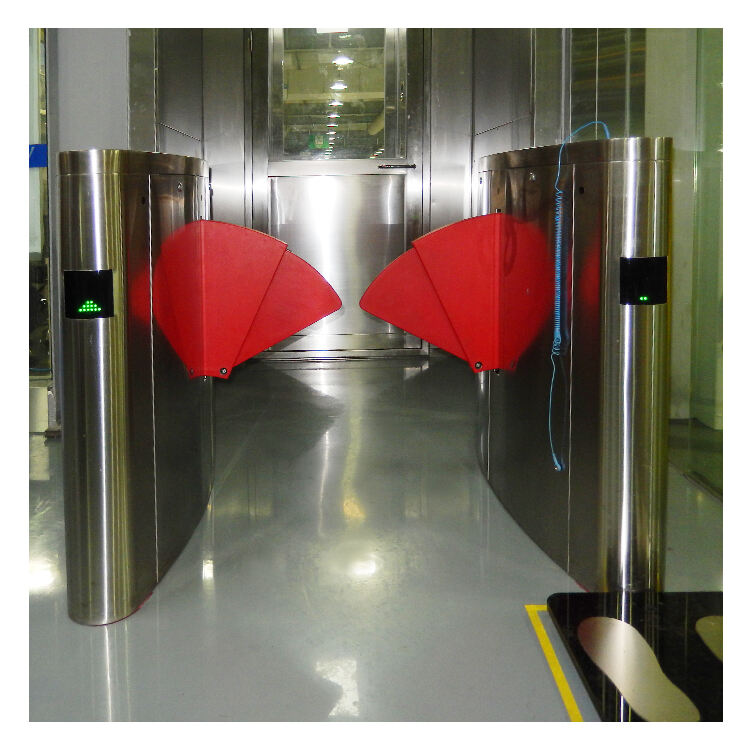
Modern air shower machine designs incorporate sophisticated automation features that transform contamination control from a cumbersome manual process into a seamless, user-friendly experience that workers appreciate rather than resist. Infrared motion sensors detect when personnel enter the chamber and automatically initiate the cleaning cycle without requiring users to touch controls, press buttons, or manipulate interfaces, eliminating potential contamination sources and streamlining the decontamination process. This touchless operation proves particularly valuable in environments where workers wear gloves or carry materials, as they can pass through without awkward fumbling or setting down items. The intelligent control systems feature programmable cycle times that facility managers can adjust based on specific contamination challenges, personnel traffic patterns, and cleanliness requirements, typically ranging from 10 to 30 seconds depending on application needs. Visual and audible indicators guide users through the process, with LED displays showing cycle progress and voice prompts providing clear instructions in multiple languages, accommodating diverse workforces and eliminating confusion that could compromise decontamination effectiveness. Interlocking door mechanisms represent a critical safety and contamination control feature, preventing simultaneous opening of both entry and exit doors which would create an airflow path allowing contaminants to bypass the decontamination process entirely. These interlocks use electromagnetic locks or mechanical systems that physically prevent improper door operation, with override capabilities available only to authorized personnel in genuine emergencies. The air shower machine incorporates self-diagnostic capabilities that continuously monitor operational parameters including air velocity, filter pressure drop, motor performance, and sensor functionality, alerting maintenance staff to potential issues before they compromise contamination control effectiveness. Integration capabilities allow connection to facility management systems, building automation networks, and quality management databases, enabling centralized monitoring of multiple units, automated maintenance scheduling, and documentation of usage patterns for validation and compliance purposes. Energy-saving modes reduce power consumption during periods of low traffic while maintaining readiness for instant activation when personnel approach, cutting operational costs without compromising performance. Emergency stop buttons positioned prominently inside the chamber provide immediate cycle termination if users experience discomfort or medical issues, prioritizing safety while maintaining contamination control through continued door interlocking until proper procedures can be followed.
Durable Construction and Versatile Configuration Options Meeting Diverse Industry Needs

Durable Construction and Versatile Configuration Options Meeting Diverse Industry Needs

The physical construction and configurability of an air shower machine directly determine its longevity, maintenance requirements, and suitability for specific facility environments, making these factors crucial considerations for organizations investing in contamination control infrastructure. Premium units feature stainless steel construction throughout, utilizing 304 or 316-grade alloys that resist corrosion from cleaning chemicals, humidity, and harsh industrial environments while providing the smooth, non-porous surfaces essential for effective sanitation in pharmaceutical and food processing applications. Alternative configurations employ powder-coated cold-rolled steel that offers excellent durability at reduced cost, suitable for electronics manufacturing and general industrial cleanrooms where chemical resistance requirements are less stringent but mechanical durability remains critical. Modular panel design facilitates installation in existing facilities without extensive construction, as technicians can maneuver individual panels through standard doorways and assemble the chamber on-site, minimizing disruption to ongoing operations and reducing installation costs compared to pre-assembled units requiring specialized rigging equipment. The air shower machine comes in multiple size configurations accommodating single personnel passage, multi-person simultaneous decontamination for high-traffic applications, or large cargo formats for materials and equipment transfer, with custom dimensions available to match specific facility constraints and throughput requirements. Ceiling heights, width dimensions, and depth measurements can be tailored to existing architectural features, ensuring optimal fit without compromising cleaning effectiveness or creating awkward transitions that workers might attempt to bypass. Transparent windows manufactured from impact-resistant polycarbonate or acrylic allow supervisors and quality personnel to observe proper usage, verify cycle completion, and monitor for any operational anomalies without entering the controlled environment, supporting training initiatives and compliance verification. Flooring options include raised perforated platforms that facilitate particle removal through downward air currents, solid surfaces for wheeled cart passage, or specialized anti-static materials for electronics applications where electrostatic discharge poses risks to sensitive components. The equipment accommodates various mounting orientations including wall-mounted installations conserving floor space in facilities with dimensional constraints, corner placements maximizing facility layout efficiency, or standalone configurations for maximum flexibility in evolving cleanroom designs. Lighting systems integrated into the chamber ceiling provide adequate illumination for safety and comfort, with LED technology offering long service life and minimal heat generation that would otherwise burden HVAC systems and potentially affect temperature-sensitive contamination control processes.


Get a Free Quote

Our representative will contact you soon.
Email
Name
Company Name
Attachment
Please upload at least an attachment
Up to 3 files,more 30mb,suppor jpg、jpeg、png、pdf、doc、docx、xls、xlsx、csv、txt
Message
0/1000

Get a Free Quote

Our representative will contact you soon.
Email
Name
Company Name
Attachment
Please upload at least an attachment
Up to 3 files,more 30mb,suppor jpg、jpeg、png、pdf、doc、docx、xls、xlsx、csv、txt
Message
0/1000